


Medications for Tonsille
When dealing with tonsillitis, a common condition characterized by inflammation of the tonsils, appropriate medication plays a crucial role in alleviating symptoms and preventing complications. This condition affects both children and adults, with episodes ranging from mild to severe. Early diagnosis and targeted pharmacological treatment can significantly improve quality of life by reducing pain, fever, and other discomforts. Understanding the available medications, their uses, and precautions helps patients manage the condition effectively and safely.
What are the Tonsils?
The tonsils are two oval-shaped lymphoid tissues located at the back of the throat, forming part of the immune system. They act as the first line of defense against pathogens entering through the mouth and nose. Tonsillitis can be either acute, with sudden onset and short duration, or chronic, with recurrent episodes over time. Recognizing and treating tonsillitis promptly is important to prevent complications such as abscess formation or spread of infection to other areas. Proper management ensures symptom relief and reduces the risk of long-term issues.
Definition and Main Characteristics of Tonsillitis
Tonsillitis is an inflammation of the tonsils caused mainly by viral or bacterial infections. It manifests through sore throat, difficulty swallowing, fever, and swollen lymph nodes. The disease can be acute, lasting a few days, or become recurrent or chronic, especially in children and immunocompromised individuals. Severity varies from mild discomfort to severe pain and systemic symptoms. Risk groups include children, adolescents, and individuals with weakened immune defenses. The progression depends on the pathogen involved and the timeliness of treatment.
| Characteristic | Description |
|---|---|
| Type of disease | Viral or bacterial inflammation of the tonsils |
| Duration | Acute (few days) or recurrent/chronic |
| Severity | Range from mild soreness to severe pain and systemic symptoms |
| Risk groups | Children, adolescents, immunocompromised individuals |
Causes and Risk Factors of Tonsillitis
Tonsillitis primarily results from infections caused by viruses such as adenoviruses, influenza, and Epstein-Barr, or bacteria like Streptococcus pyogenes. External factors like exposure to crowded environments, poor hygiene, and seasonal changes increase the risk of infection. Internal factors include a weakened immune system, genetic predisposition, and chronic exposure to irritants such as cigarette smoke. Age also influences susceptibility, with children being more prone due to their developing immune defenses. Recognizing these factors helps in adopting preventive measures to reduce the likelihood of tonsillitis episodes.
Factors Causing Tonsillitis
Several internal and external factors contribute to the development of tonsillitis. External factors include exposure to infectious agents in crowded settings, poor hygiene, and environmental pollutants. Internal factors involve genetic predisposition, immune system status, and lifestyle habits such as smoking or stress. Often, multiple causes act together, increasing the risk of inflammation. For example, a person with a genetic tendency for immune weakness exposed to viral infections is more susceptible. Understanding these causes is essential for implementing preventive strategies and reducing recurrence.
| Type of factor | Example | Mechanism of influence |
|---|---|---|
| External | Crowded environments | Increased exposure to infectious agents |
| Internal | Genetic predisposition | Weaker immune response to pathogens |
| Behavioral | Smoking | Irritation and inflammation of the throat |
Symptoms of Tonsillitis
Symptoms of tonsillitis often include a sore throat, difficulty swallowing, redness and swelling of the tonsils, fever, and bad breath. In some cases, there may be ear pain, headache, and fatigue. The intensity of symptoms can vary depending on whether the infection is viral or bacterial and on the disease's stage. Early recognition of these signs allows for prompt treatment, reducing discomfort and preventing complications. Many patients notice a sudden onset of sore throat accompanied by fever and swollen lymph nodes in the neck.
Recognizing Early Signs of Tonsillitis
In the initial stages, common signs include a sore throat, redness of the tonsils, and mild fever. Patients may experience pain when swallowing and a scratchy voice. These symptoms can resemble other throat infections, but persistent sore throat and swollen lymph nodes are typical indicators. Recognizing these early symptoms helps in seeking medical advice promptly. Additional signs such as bad breath and ear discomfort may also appear as the condition progresses.
| Type of symptom | Frequency | Estimated severity | Notes |
|---|---|---|---|
| Sore throat | Common | Variable | Often the first symptom |
| Fever | Frequent | Moderate to high | May be accompanied by chills |
| Swollen lymph nodes | Often | Variable | In neck and jaw area |
Diagnosis and When to See a Doctor
Diagnosis of tonsillitis involves a clinical examination where the doctor inspects the throat, checks for redness, swelling, and exudates on the tonsils. They may also palpate lymph nodes and assess symptoms. To confirm the diagnosis, laboratory tests such as rapid antigen detection tests or throat cultures are often performed. It is important not to self-medicate, as only a healthcare professional can determine the severity and appropriate treatment. Early diagnosis improves treatment outcomes and reduces the risk of complications. Consulting a doctor is especially crucial if symptoms worsen or persist beyond a few days.
Diagnostic Tests and Methods for Tonsillitis
Common diagnostic methods include physical examination, rapid antigen detection tests (RADT), throat swabs for bacterial culture, and blood tests if systemic infection is suspected. These tests help identify whether the cause is viral or bacterial, guiding appropriate therapy. Imaging studies are rarely needed but may be used in recurrent or complicated cases. Laboratory confirmation ensures targeted treatment, especially in bacterial infections requiring antibiotics.
| Type of test | Purpose | Diagnostic value |
|---|---|---|
| Physical exam | Visual assessment of throat and lymph nodes | Initial suspicion and severity assessment |
| Throat swab (rapid test) | Detect streptococcal bacteria | Quick confirmation of bacterial cause |
| Throat culture | Identify bacterial pathogens | Definitive diagnosis, more accurate |
Warning Signs Requiring Urgent Medical Attention
If symptoms include difficulty breathing, swallowing severe pain, high fever unresponsive to medication, swelling of the face or neck, or signs of systemic infection such as rash or confusion, immediate medical care is necessary. These signs may indicate complications like airway obstruction or abscess formation. Delaying treatment in such cases can lead to serious health risks. Prompt intervention can prevent life-threatening outcomes and ensure proper management.
Types of Medications and Treatments
The management of tonsillitis depends on the severity and cause of the infection. Mild cases may be treated with symptomatic relief using over-the-counter medications, while bacterial infections often require antibiotics. The choice of therapy is tailored to the individual, considering age, health status, and disease severity. Always consult a healthcare professional before starting any treatment to ensure safety and effectiveness.
Medications for Tonsillitis
Several classes of drugs are used in treating tonsillitis. Analgesics and antipyretics, such as paracetamol (acetaminophen) and ibuprofen, help reduce pain and fever. Antibiotics like penicillin or amoxicillin are prescribed for bacterial infections, particularly streptococcal tonsillitis. Corticosteroids may be used in severe cases to decrease inflammation. The selection depends on the cause, severity, and patient-specific factors, always under medical supervision.
| Type of drug | Example of active principle | Therapeutic purpose |
|---|---|---|
| Analgesics/Antipyretics | Paracetamol, Ibuprofen | Pain relief and fever reduction |
| Antibiotics | Penicillin, Amoxicillin | Eradicate bacterial infection |
| Corticosteroids | Dexamethasone | Reduce inflammation in severe cases |
Natural Remedies for Tonsillitis
Complementary natural remedies can help soothe symptoms but should not replace medical treatment. Gargling with warm salt water can reduce throat inflammation. Drinking warm teas with honey provides comfort and hydration. Lozenges containing herbal extracts may ease sore throat pain. Maintaining adequate hydration and rest supports recovery. Always consult a healthcare provider before using natural remedies, especially in children or severe cases.
Common Forms and Presentations: Tablets, Capsules, Liquids
Medications for tonsillitis are available in various forms, including tablets, capsules, syrups, and topical preparations. Tablets and capsules are convenient for systemic treatment, offering controlled dosing and ease of use. Syrups are often preferred for children due to their palatable taste. Topical ointments or lozenges can provide localized relief. The choice depends on patient age, severity, and specific medication properties.
Over-the-Counter (OTC) Medications
For mild symptoms, OTC drugs such as pain relievers (paracetamol, ibuprofen) and throat lozenges can provide relief. These medications are suitable for temporary symptom management but should be used according to instructions. If symptoms persist beyond a few days or worsen, consulting a healthcare professional is essential. OTC options are not substitutes for prescribed antibiotics in bacterial cases or for severe symptoms.
| OTC medication | When to use | Notes |
|---|---|---|
| Paracetamol | For pain and fever | Follow dosage instructions |
| Ibuprofen | Anti-inflammatory, pain relief | Take with food to reduce stomach upset |
| Throat lozenges | Sore throat relief | Avoid in children under 4 |
Precautions and Side Effects
Even commonly prescribed medications can cause adverse reactions if misused. Following the prescribed dosage and instructions minimizes risks. Side effects range from mild, such as nausea or stomach upset, to severe allergic reactions or liver damage. Patients with pre-existing conditions, pregnant women, and the elderly require special caution. Regular monitoring and communication with healthcare providers are essential to ensure safe treatment.
Most Common Side Effects
Common mild side effects include nausea, dizziness, or gastrointestinal discomfort. Serious adverse reactions, though rare, may involve allergic responses like rash, swelling, or difficulty breathing. Liver or kidney issues can occur with certain medications if misused. Recognizing early signs of adverse effects allows prompt medical attention, reducing potential harm. Always report any unusual symptoms to your doctor.
Tips for Safe Medication Use
- Adhere strictly to prescribed dosages and schedules.
- Avoid alcohol and certain foods that may interact with medications.
- Store medicines in a cool, dry place away from children.
- Do not share medications with others.
- Schedule regular follow-up appointments as advised.
Prevention and Daily Care
Preventive measures and daily habits are vital in managing and reducing the risk of tonsillitis. Regular handwashing, avoiding contact with infected individuals, and maintaining good oral hygiene help prevent infections. A balanced diet, adequate hydration, and sufficient rest support immune health. Early treatment of sore throats and avoiding irritants like smoke can also reduce recurrences. Tailoring these habits to age, health status, and lifestyle enhances their effectiveness.
Recommended Habits to Reduce Tonsillitis Risk
Practicing good hygiene, such as frequent handwashing and avoiding sharing utensils, lowers infection risk. Maintaining a healthy diet rich in vitamins strengthens immunity. Regular exercise and adequate sleep promote overall health. Avoiding smoking and environmental pollutants reduces throat irritation. Managing stress and staying hydrated are additional ways to support immune defenses and prevent episodes.
| Area of prevention | Recommended measures | Main benefit |
|---|---|---|
| Hygiene | Frequent handwashing, oral hygiene | Reduces pathogen transmission |
| Nutrition | Balanced diet, vitamins | Boosts immune response |
| Lifestyle | Regular exercise, adequate sleep | Enhances overall immunity |
Additional Preventive Measures
Secondary prevention includes routine medical check-ups, vaccinations (such as influenza and pneumococcal vaccines), and appropriate use of supplements like vitamin C and zinc. Following medical advice for chronic or recurrent tonsillitis can prevent severe episodes. Maintaining a healthy lifestyle and adhering to treatment plans contribute to long-term well-being. These measures not only reduce the risk of tonsillitis but also support overall health and resilience against infections.
Prognosis and Recovery
The outlook for tonsillitis depends on the cause, severity, and timeliness of treatment. Most cases resolve favorably with appropriate therapy, especially when diagnosed early. Proper management minimizes the risk of complications and recurrence. Maintaining a healthy lifestyle and following medical advice accelerate recovery and improve long-term outcomes. Chronic or recurrent cases may require surgical intervention or ongoing medical supervision for optimal results.
Typical Recovery Time
The recovery period varies based on the severity and treatment approach. Mild cases often improve within 3 to 7 days, while more severe infections or those requiring surgery may take several weeks. In chronic cases, ongoing management and monitoring are necessary to prevent relapses. Patients should adhere to prescribed treatments and attend follow-up visits to ensure complete recovery.
| Type of case | Average recovery time | Follow-up frequency |
|---|---|---|
| Mild acute tonsillitis | 3-7 days | As recommended by physician |
| Severe or post-surgical | 2-4 weeks | Regular monitoring |
Factors Improving Prognosis
- Early diagnosis and prompt treatment
- Adherence to prescribed therapy
- Healthy lifestyle and good hygiene
- Regular medical follow-up
- Management of underlying health conditions
Lifestyle Changes for Better Outcomes
Adopting healthy habits such as maintaining good oral hygiene, avoiding irritants, and ensuring adequate rest can accelerate healing. Quitting smoking and managing stress also support immune function. Patients are encouraged to stay hydrated and follow medical advice diligently. These lifestyle modifications contribute to reducing recurrence and promoting overall throat health.
Possible Complications
If untreated or poorly managed, tonsillitis can lead to complications such as peritonsillar abscess, chronic sore throat, or even systemic infections like rheumatic fever. Severe cases may cause airway obstruction or spread of infection to other tissues. Preventing these outcomes depends on timely medical intervention and adherence to treatment. Regular follow-up and monitoring are essential to avoid long-term health issues. With proper care, most patients recover fully without lasting effects.
| Complication | Frequency | Severity | Prevention |
|---|---|---|---|
| Peritonsillar abscess | Rare | Serious | Early treatment of tonsillitis |
| Chronic sore throat | Common in recurrent cases | Persistent discomfort | Proper management and hygiene |
| Rheumatic fever | Very rare in developed countries | Severe systemic disease | Timely antibiotic therapy |
With appropriate treatment and consistent care, most patients with tonsillitis recover well and avoid long-term complications.
Frequently Asked Questions about Tonsillitis and Its Treatment
This section addresses common questions patients have regarding tonsillitis, from medication choices to treatment duration. It is based on current medical guidelines and scientific evidence. While informative, these answers are not substitutes for personalized medical advice. Consulting a healthcare professional ensures tailored and safe management of the condition.
What are the most effective medications, according to evidence?
Research supports the use of antibiotics like penicillin and amoxicillin for bacterial tonsillitis, particularly streptococcal infections, which respond well to these agents. Symptomatic relief often involves analgesics such as paracetamol or ibuprofen, proven to reduce pain and fever effectively. Corticosteroids may be prescribed in severe cases to decrease inflammation. The choice depends on the cause, severity, and patient-specific factors, always under medical supervision.
| Medication group | Examples | Proven efficacy |
|---|---|---|
| Antibiotics | Penicillin, Amoxicillin | High for bacterial infections |
| Analgesics | Paracetamol, Ibuprofen | Effective for pain and fever |
| Corticosteroids | Dexamethasone | Useful in severe inflammation |
Is it safe to treat at home without a doctor’s prescription?
For mild symptoms, home management with rest, hydration, and OTC pain relievers can be appropriate, but medical consultation is essential for accurate diagnosis and appropriate therapy. Self-treatment without professional guidance risks missing serious conditions or inappropriate medication use. Monitoring symptoms closely and seeking medical advice if they worsen or persist ensures safe and effective care. Never rely solely on self-medication for suspected bacterial infections or severe symptoms.
What is the typical duration of treatment and follow-up?
The length of therapy varies depending on the cause and severity. Antibiotic courses usually last 7-10 days, while symptomatic treatments may be shorter. Follow-up visits are recommended to assess response and prevent recurrence. Severe or recurrent cases might require longer treatment or surgical options. Regular medical supervision ensures complete recovery and minimizes risks of complications.
| Type of treatment | Estimated duration | Recommended follow-up |
|---|---|---|
| Mild acute tonsillitis | 3-7 days | As advised by physician |
| Severe or post-surgical | 2-4 weeks | Regular monitoring |
These questions and answers provide a general overview of tonsillitis and its management, but each case requires individual evaluation by a healthcare professional.
Where to Buy Medications for Tonsillitis
Medications for tonsillitis are available both in physical pharmacies and online stores. It is important to verify the license and reputation of the seller to ensure the authenticity and quality of the medicines. Avoid purchasing from unverified sources to prevent counterfeit products. All medications for tonsillitis are available over-the-counter in our Italian online pharmacy, offering convenience and safety.
Safe Shopping in Our Online Pharmacy
Shopping at our authorized online pharmacy offers advantages such as professional advice, guaranteed product authenticity, and secure transactions. Always check the pharmacy’s license, examine packaging, verify expiration dates, and consult the pharmacist if needed. These precautions help ensure you receive genuine medications and safe treatment options. Customer support is available for any questions or concerns about your order.
Can Medications Be Purchased Online Without a Prescription?
In Italy, all medications for tonsillitis can be purchased online without a prescription through our pharmacy, provided they are over-the-counter products. However, it is essential to follow safety guidelines, ensure the legitimacy of the website, and avoid medications that require medical supervision unless prescribed. Always read product labels carefully and consult a healthcare professional if uncertain. Responsible purchasing and usage are key to safe treatment.
Shipping Options and Quality Assurance
We offer various shipping methods, including standard, express, and international delivery, to meet your needs. Our quality control measures include batch traceability, temperature control during transit, discreet packaging, and shipment tracking. These procedures ensure that your medications arrive safely and in optimal condition. Consider these factors when choosing your delivery option to ensure a smooth and secure purchase experience.
Price, Availability, and Discounts in Italy
The cost of tonsillitis medications in Italy varies based on the drug’s brand or generic status, dosage, form (tablets, liquids, capsules), and whether a prescription is needed. Availability can fluctuate depending on demand, seasonality, and regional distribution. Many pharmacies offer discounts, coupons, and loyalty programs that make treatments more affordable. Comparing prices between physical stores and online platforms can help find the best deals. Patients are encouraged to ask pharmacists about ongoing promotions or generic alternatives, especially if the prescribed form or dose is uncommon. Being informed about options ensures cost-effective and accessible treatment.
| Prodotti in farmacia | Prezzo |
|---|---|
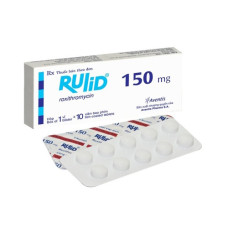
| Rulid 150/300 mg compresse | 91.82 € |
Domande frequenti su Tonsille nel 2026
-
È necessaria una ricetta per acquistare Tonsille in farmacia?
-
Quanto costa Tonsille?
-
Posso acquistare Tonsille nella vostra farmacia online?
-
Tonsille è legale in Italia?
-
Quali sono le condizioni di spedizione?
-
Quali metodi di pagamento accettate?
-
Prodotti più popolari in farmacia