


Medications for Otitis Externa
Otitis externa, commonly known as swimmer's ear, is an inflammation or infection of the outer ear canal. It is a frequent condition that can cause discomfort, itching, and sometimes pain, especially when the ear is touched or moved. Prompt and appropriate treatment is essential to relieve symptoms, prevent complications, and restore ear health. Pharmacological therapies, including topical and systemic medications, play a key role in managing this condition effectively. Early diagnosis and treatment not only alleviate symptoms but also help improve quality of life by reducing the risk of chronicity or more severe infections.
What is Otitis Externa?
Otitis externa is an inflammation of the external auditory canal, the tube that runs from the outer ear to the eardrum. It can be caused by bacterial, fungal, or viral infections, often resulting from moisture retention, trauma, or allergic reactions. The condition can be acute, lasting less than three weeks, or chronic if it persists beyond that period. Recognizing and treating otitis externa early is crucial to prevent complications such as persistent pain, hearing loss, or the spread of infection to nearby tissues.
Definition and Main Characteristics of Otitis Externa
Otitis externa is characterized by inflammation of the ear canal, often presenting with redness, swelling, and discomfort. It is frequently caused by bacterial pathogens like Pseudomonas aeruginosa or Staphylococcus aureus, especially after water exposure or minor injuries. The disease can be acute, with sudden onset and intense symptoms, or chronic, with milder, persistent signs. Risk factors include excessive moisture, trauma from cleaning or scratching, and skin conditions like eczema. The severity varies, but prompt treatment is essential to prevent progression and complications.
| Characteristic | Description |
|---|---|
| Type | Infectious or inflammatory |
| Onset | Sudden (acute) or persistent (chronic) |
| Common pathogens | Bacterial (e.g., Pseudomonas), fungal (e.g., Aspergillus), viral |
| Risk factors | Water exposure, trauma, skin conditions |
| Potential complications | Hearing loss, cellulitis, systemic spread |
Causes and Risk Factors of Otitis Externa
The main causes of otitis externa include bacterial or fungal infections, often precipitated by moisture, trauma, or skin conditions. External factors such as swimming, excessive cleaning with cotton swabs, or exposure to irritants can damage the ear canal's skin, facilitating infection. Internal factors like allergic reactions or skin diseases (eczema, psoriasis) also contribute. Age plays a role, with children and the elderly being more susceptible. Environmental conditions, such as high humidity or pollution, increase the risk. Recognizing these factors helps in adopting preventive measures to reduce the likelihood of developing otitis externa.
- Infections: Bacterial, fungal, viral
- Moisture exposure: Swimming, sweating
- Trauma: Scratching, cleaning with objects
- Skin conditions: Eczema, psoriasis
- Environmental factors: Humidity, pollution
| Risk Factor | Description | Probability |
|---|---|---|
| Water exposure | Prolonged moisture in ear canal | High |
| Trauma | Scratching or inserting objects | Moderate |
| Skin conditions | Pre-existing dermatitis | Variable |
| Environmental factors | Humidity, pollution | Moderate |
Symptoms of Otitis Externa
The symptoms of otitis externa typically include itching, redness, swelling of the ear canal, and mild to moderate pain. Patients may notice a sensation of fullness or discomfort, especially when touching or pulling on the ear. Discharge, often clear or purulent, can be present, and hearing may be temporarily impaired if swelling blocks the canal. Symptoms can vary depending on the stage; early signs are mild, while advanced infections cause significant pain and swelling. Recognizing these early symptoms allows for prompt treatment, reducing the risk of complications and chronicity.
How to Recognize Early Signs of Otitis Externa
In the initial stages, common signs include itching, mild redness, and a sensation of fullness in the ear. Patients may experience slight discomfort or tenderness when touching the outer ear or opening the mouth. Discharge may be minimal or absent initially but can increase as the infection progresses. Pain tends to worsen with movement or pressure on the ear. Early recognition of these symptoms is vital for timely intervention, preventing the infection from worsening or spreading.
- Itching and redness
- Sensation of fullness
- Mild pain or tenderness
- Minimal discharge
- Discomfort when touching or moving the ear
Diagnosis and When to See a Doctor
Diagnosis of otitis externa is primarily clinical, based on a physical examination of the ear. The healthcare provider inspects the ear canal with an otoscope to assess redness, swelling, and discharge. It is important not to self-medicate, as incorrect treatment can worsen the condition. A doctor can determine the severity, identify the causative agent, and prescribe appropriate therapy. Early diagnosis improves treatment outcomes and reduces the risk of complications such as spreading infection or damage to the ear structures.
Diagnostic Tests and Methods for Otitis Externa
Diagnosis involves visual inspection with an otoscope, which allows direct assessment of the ear canal and eardrum. In some cases, a sample of discharge may be taken for laboratory analysis to identify bacterial or fungal pathogens. Additional tests, such as swab cultures, can guide targeted therapy. Imaging studies are rarely needed but may be used if complications are suspected. Accurate diagnosis ensures appropriate treatment and helps prevent recurrence.
| Test/Method | Purpose | Diagnostic Value |
|---|---|---|
| Otoscopic examination | Visualize ear canal and eardrum | High |
| Microbiological culture | Identify causative pathogen | Moderate |
| Swab analysis | Detect fungi or bacteria | Moderate |
| Imaging (if needed) | Assess complications | Low |
Signs That Require Urgent Medical Attention
Immediate medical care is necessary if symptoms include severe pain, swelling spreading beyond the ear, high fever, or signs of systemic infection such as chills or malaise. Also, if there is significant hearing loss, dizziness, or facial paralysis, prompt evaluation is critical. These signs may indicate complications like cellulitis, abscess, or spread of infection to nearby tissues. Delayed treatment can lead to serious consequences, so seeking urgent care is essential in these situations.
- Severe or worsening pain
- Facial paralysis or weakness
- High fever or chills
- Swelling spreading beyond the ear
- Dizziness or balance issues
Types of Medications and Treatments
The treatment of otitis externa depends on the severity and cause of the infection. Mild cases may respond well to topical therapies, while more severe or resistant infections might require systemic medications. It is important to always follow a healthcare professional’s advice, as inappropriate use of medications can worsen the condition or cause side effects. Proper treatment aims to reduce inflammation, eliminate infection, and prevent recurrence.
Medications for Otitis Externa
The main groups of drugs used include topical antibiotics, antifungals, corticosteroids, and analgesics. Topical antibiotics such as neomycin or ciprofloxacin are commonly prescribed to combat bacterial infections. Fungal infections may require antifungal agents like clotrimazole. Corticosteroids help reduce inflammation and swelling, often combined with antibiotics or antifungals for synergistic effect. In severe cases, systemic antibiotics or corticosteroids may be necessary under medical supervision.
| Type of Drug | Example Active Ingredient | Therapeutic Purpose |
|---|---|---|
| Topical antibiotics | Ciprofloxacin, neomycin | Eliminate bacterial infection |
| Antifungals | Clotrimazole, miconazole | Treat fungal infections |
| Corticosteroids | Hydrocortisone, dexamethasone | Reduce inflammation and swelling |
| Analgesics | Paracetamol, NSAIDs | Relieve pain |
Natural Remedies for Otitis Externa
While medications are essential, some natural approaches may help alleviate symptoms. Warm compresses can reduce pain and promote drainage, while maintaining ear hygiene with gentle cleaning can prevent worsening. Using diluted tea tree oil or saline solutions may offer mild antimicrobial effects, but these should always be used under medical guidance. Avoid inserting objects or liquids that could worsen the infection. Remember, these remedies are supportive and do not replace prescribed treatments.
Common Forms and Presentations: Tablets, Capsules, Liquids
Medications for otitis externa are available in various forms, including topical ointments, ear drops, tablets, capsules, and liquids. Topical formulations are preferred for localized treatment, offering direct action with minimal systemic effects. Oral tablets or capsules may be prescribed for severe or resistant cases, providing systemic therapy. Liquids and syrups are often used in children or for systemic absorption. Each form has specific advantages, such as rapid action or ease of application, tailored to the patient's needs.
Over-the-Counter (OTC) Medications
For mild symptoms, OTC products like ear drops containing anesthetics, antiseptics, or mild corticosteroids can provide relief. These are generally safe when used as directed and for short durations. However, if symptoms persist beyond a few days or worsen, consulting a healthcare professional is essential. OTC options should not replace professional diagnosis and treatment, especially in complicated cases.
| OTC Medication | When to Use | Notes |
|---|---|---|
| Ear drops with analgesics | For mild pain relief | Follow instructions carefully |
| Antiseptic ear drops | To reduce bacterial load | Do not use if eardrum is perforated |
| Corticosteroid ear drops | Reduce inflammation | Use as directed, avoid prolonged use |
These options should be used only for mild symptoms and do not replace medical evaluation if symptoms worsen or recur.
Precautions and Side Effects
Even medications considered safe can cause adverse reactions if misused. Following the prescribed dosage, duration, and application instructions minimizes risks. Monitoring for side effects such as irritation, allergic reactions, or systemic symptoms is important. Special caution is needed for vulnerable groups like children, pregnant women, the elderly, or those with chronic illnesses. Proper use and adherence to medical advice help prevent complications and ensure effective treatment.
Most Common Side Effects
Common minor side effects include local irritation, itching, or mild allergic reactions. Serious adverse effects, though rare, can involve allergic dermatitis, systemic allergic reactions, or ototoxicity if medications are improperly used. Patients should report any unusual or severe symptoms to their healthcare provider promptly. Risk levels vary depending on the medication and individual sensitivity.
| Effect Type | Frequency | Severity | Recommendation |
|---|---|---|---|
| Irritation or itching | Common | Minor | Discontinue use and consult doctor if persists |
| Allergic reactions | Rare | Serious | Seek immediate medical attention |
| Ototoxicity | Very rare | Severe | Use medications as prescribed, avoid self-medication |
Safe Medication Use Tips
- Always follow the prescribed dose and duration
- Avoid mixing medications with alcohol or certain foods unless advised
- Store medicines in a cool, dry place away from children
- Do not use expired products
- Attend regular follow-up appointments to monitor progress
Responsible medication use and regular medical follow-up are essential to achieve the best outcomes and prevent complications.
Prevention and Daily Care
Preventive measures and daily habits are vital in reducing the risk of otitis externa. Maintaining proper ear hygiene, avoiding excessive cleaning or inserting objects, and drying ears thoroughly after water exposure help prevent infection. Regular medical check-ups are recommended for individuals prone to recurrent episodes. Adopting a healthy lifestyle, managing skin conditions, and promptly addressing early symptoms can significantly lower the chances of developing persistent or severe infections.
Recommended Habits to Reduce Otitis Externa Risk
Practicing good ear hygiene, avoiding water or irritants in the ear canal, and refraining from inserting objects like cotton swabs are key. Wearing ear protection during swimming or water sports can prevent moisture buildup. Managing skin conditions and avoiding excessive cleaning or scratching also contribute to prevention. A balanced diet, adequate hydration, and stress management support overall ear health. Regular check-ups and early treatment of minor symptoms help prevent progression.
| Prevention Area | Recommended Measures | Main Benefit |
|---|---|---|
| Hygiene | Gentle cleaning, avoid inserting objects | Prevents skin damage and infection |
| Water exposure | Use ear protection, dry ears thoroughly | Reduces moisture-related risks |
| Skin health | Manage dermatitis, avoid irritants | Maintains healthy skin barrier |
| Overall health | Balanced diet, stress control | Supports immune function |
Additional Preventive Measures
Secondary prevention includes regular medical evaluations, especially for those with recurrent episodes. Vaccinations, such as for influenza or other relevant pathogens, may help reduce infection risk. Supplementing with vitamins or immune-boosting agents can support overall health, but should be discussed with a healthcare provider. Following medical advice and adhering to treatment plans are essential for long-term ear health and reducing recurrence.
L'adozione di queste misure preventive non solo riduce il rischio di sviluppare otite esterna, ma contribuisce anche al benessere generale e a una migliore qualità della vita a lungo termine.
Prognosis and Recovery
The outlook for otitis externa depends on the infection's severity, promptness of treatment, and the patient's overall health. Most cases respond well to appropriate therapy, leading to full recovery. Early intervention minimizes the risk of chronicity or complications. Maintaining good ear hygiene and following medical advice accelerates healing and reduces recurrence chances. In some cases, especially with underlying skin conditions, ongoing management may be necessary to prevent relapses.
Typical Recovery Time
The recovery period varies with the severity of the infection. Mild cases often resolve within a few days to a week with proper treatment, while more severe or resistant infections may take several weeks. Chronic otitis externa may require ongoing management and monitoring. In general, early and adequate treatment results in faster recovery, whereas delayed intervention can prolong symptoms and increase the risk of complications.
| Type of Case | Average Recovery Time | Follow-up Recommendations |
|---|---|---|
| Mild | 3-7 days | Re-evaluation after treatment |
| Moderate to severe | 2-4 weeks | Regular check-ups |
| Chronic | Ongoing, variable | Continuous monitoring |
With proper care, most patients recover fully, avoiding long-term issues.
Factors Improving Prognosis
- Early diagnosis and prompt treatment
- Adherence to prescribed therapy
- Good ear hygiene and avoiding irritants
- Management of underlying skin conditions
- Regular follow-up and monitoring
These factors significantly increase the chances of complete healing and reduce the risk of recurrence.
Lifestyle Changes
Adopting healthy habits can facilitate recovery and prevent future episodes. Patients should avoid inserting objects into the ear, keep ears dry, and maintain good skin hydration. Managing stress, eating a balanced diet, and ensuring adequate rest support immune health. Avoiding exposure to irritants and pollutants also helps maintain ear health. Consistent medical follow-up and early attention to symptoms are crucial for long-term prevention.
Possible Complications
If left untreated or poorly managed, otitis externa can lead to complications such as persistent pain, hearing impairment, or spread of infection to surrounding tissues. Rare but serious issues include cellulitis, abscess formation, or even systemic infections. These complications can significantly impact quality of life and may require more intensive treatment. Preventing these outcomes depends on timely medical intervention and patient cooperation.
| Complication | Frequency | Severity | Prevention |
|---|---|---|---|
| Cellulitis | Rare | Serious | Early treatment of infections |
| Abscess formation | Uncommon | Severe | Proper hygiene and medical care |
| Hearing loss | Possible if untreated | Moderate to severe | Timely diagnosis and therapy |
Con un trattamento adeguato e cure costanti, la maggior parte dei pazienti con otite esterna guarisce in modo soddisfacente ed evita complicazioni a lungo termine.
Frequently Asked Questions about Otitis Externa and Its Treatment
This section addresses common questions patients have regarding otitis externa, from medication choices to treatment duration. It is based on medical sources and aims to clarify doubts, but it does not replace professional medical advice. Consulting a healthcare provider ensures personalized and effective management of the condition.
Which are the most effective drugs, according to evidence?
Clinical studies have confirmed the efficacy of topical antibiotics such as ciprofloxacin and neomycin in treating bacterial otitis externa. Antifungal agents like clotrimazole are effective against fungal infections, while corticosteroids such as hydrocortisone help reduce inflammation. The choice of medication depends on the causative agent and severity. Evidence supports that targeted therapy improves outcomes and reduces recurrence risk. Always follow medical guidance to select the most appropriate treatment.
- Topical antibiotics: ciprofloxacin, neomycin
- Antifungals: clotrimazole
- Corticosteroids: hydrocortisone
La scelta del farmaco dipenderà dal tipo e dalla gravità di Otite esterna, nonché dalle condizioni generali del paziente.
Is it safe to treat at home without a doctor?
For mild cases, some measures like maintaining ear dryness, using OTC ear drops, and resting can help manage symptoms. However, it is essential to monitor the condition closely and seek medical advice if symptoms worsen or do not improve within a few days. Self-treatment without proper diagnosis may lead to complications or delayed healing. Consulting a healthcare professional ensures appropriate therapy and reduces risks.
- Use OTC ear drops as directed
- Keep ears dry and avoid inserting objects
- Seek medical attention if symptoms persist or worsen
Queste misure possono integrare il trattamento medico, ma non dovrebbero mai sostituirlo.
What is the usual duration of treatment and follow-up?
The length of treatment varies depending on severity. Mild cases often resolve within 3-7 days with topical therapy, while more severe or resistant infections may require 2-4 weeks. Follow-up visits are recommended to assess healing and prevent recurrence. The duration also depends on individual response and presence of complications. Adhering to the prescribed regimen and attending scheduled check-ups optimize recovery.
| Type of Treatment | Estimated Duration | Follow-up |
|---|---|---|
| Mild cases | 3-7 days | Re-evaluation after treatment |
| Moderate to severe | 2-4 weeks | Regular monitoring |
| Chronic cases | Ongoing | Continuous assessment |
Queste domande e risposte offrono una guida generale per comprendere meglio Otite esterna e il suo trattamento, ma ogni caso dovrebbe essere valutato individualmente da un professionista sanitario.
Where to Buy Medications for Otitis Externa
I farmaci per otite esterna sono disponibili sia in farmacia fisica che online. È importante verificare la licenza della farmacia e la qualità dei prodotti, evitando contraffazioni o prodotti scaduti. Acquistare da fonti affidabili garantisce l'autenticità e la sicurezza del trattamento. La nostra farmacia online autorizzata offre tutti i farmaci necessari, con consegna sicura e garantita in Italia.
Safe Shopping in Our Online Pharmacy
Acquistare nella nostra farmacia online autorizzata offre numerosi vantaggi, tra cui consulenza professionale, garanzia di qualità e verifica dell'autenticità dei prodotti. È consigliabile controllare sempre la licenza della farmacia, la data di scadenza e l'integrità della confezione prima dell'acquisto. La possibilità di consultare un farmacista online aiuta a fare scelte informate e sicure. Inoltre, offriamo servizi di reso e assistenza post-vendita per garantire la massima soddisfazione del cliente.
Is it possible to buy medications online without a prescription?
Tutti i farmaci per otite esterna disponibili presso la nostra farmacia online possono essere acquistati senza prescrizione medica, rispettando le normative italiane. Tuttavia, è fondamentale seguire attentamente le istruzioni d'uso e consultare un professionista in caso di dubbi o sintomi persistenti. L'acquisto online deve essere effettuato da fonti affidabili e con attenzione alla qualità del prodotto. Ricordiamo che, anche se non è richiesta prescrizione, una corretta diagnosi e supervisione medica sono essenziali per un trattamento efficace e sicuro.
- Verificare la licenza della farmacia
- Controllare la confezione e la data di scadenza
- Seguire le istruzioni d'uso
- Consultare un medico in caso di dubbi o sintomi persistenti
Shipping Options and Quality Assurance
Offriamo diverse modalità di spedizione, tra cui standard, espresso e internazionale, per garantire consegne rapide e sicure. Durante il trasporto, vengono adottate misure di controllo qualità come la tracciabilità dei lotti, il monitoraggio della temperatura e l'imballaggio discreto e sicuro. La tracciabilità della spedizione permette di seguire il pacco in ogni fase, assicurando la consegna in condizioni ottimali. La nostra priorità è garantire che i farmaci arrivino integri e pronti all'uso, rispettando gli standard di sicurezza e qualità.
- Spedizione standard, espresso, internazionale
- Tracciabilità dei lotti
- Controllo della temperatura
- Imballaggio riservato e sicuro
Price, Availability, and Discounts in Italian Pharmacies
Il prezzo dei farmaci per otite esterna in Italia varia in base a diversi fattori, tra cui il nome commerciale o generico, la forma farmaceutica (compresse, capsule, sciroppi), la necessità di prescrizione, e il canale di vendita. La disponibilità può differire tra farmacie fisiche e online, con alcune formulazioni disponibili immediatamente e altre su richiesta. La domanda stagionale o l'andamento del mercato influenzano anche la disponibilità. Molte farmacie offrono promozioni, sconti, coupon e programmi fedeltà che rendono l'acquisto più conveniente. È consigliabile confrontare i prezzi tra diverse fonti e chiedere informazioni su eventuali offerte o versioni generiche, per ottenere il miglior rapporto qualità-prezzo. Se il prodotto ha una forma o un dosaggio insolito, è utile informarsi in anticipo su come ordinarlo o su alternative più accessibili.
| Prodotti in farmacia | Prezzo |
|---|---|
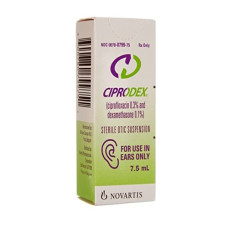
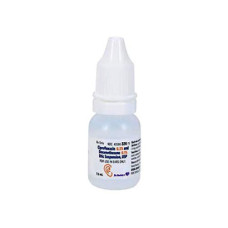
| Ciprodex 0.3%+0.1% Collirio 5 ml | 69.09 € |
| Ciprofloxacina + Desametasone | 0.00 € |
Domande frequenti su Otite esterna nel 2026
-
È necessaria una ricetta per acquistare Otite esterna in farmacia?
-
Quanto costa Otite esterna?
-
Posso acquistare Otite esterna nella vostra farmacia online?
-
Otite esterna è legale in Italia?
-
Quali sono le condizioni di spedizione?
-
Quali metodi di pagamento accettate?
-
Prodotti più popolari in farmacia