


Medications for Osteopenia
Osteopenia is a condition characterized by lower-than-normal bone mineral density, which can increase the risk of developing osteoporosis and fractures. Early diagnosis and appropriate treatment are essential to prevent progression and maintain bone strength. Pharmacological therapies play a key role in managing osteopenia, especially in individuals with additional risk factors such as age, family history, or lifestyle habits. Proper medication use, combined with lifestyle modifications, can significantly improve quality of life and reduce fracture risk. Scientific studies highlight that targeted treatments can slow or halt bone loss, emphasizing the importance of medical supervision for optimal outcomes.
What is Osteopenia?
Osteopenia is a condition where bone mineral density (BMD) is below normal but not low enough to be classified as osteoporosis. It primarily affects the skeletal system, particularly the bones of the hips, spine, and wrists, and is often a chronic condition that develops gradually over time. Because bones become weaker, there is an increased risk of fractures, especially after falls or minor traumas. Detecting osteopenia early allows for interventions that can prevent progression to osteoporosis, which is associated with a higher fracture risk and significant health consequences. Scientific research indicates that lifestyle factors and genetics contribute to its development, making early diagnosis crucial for effective management.
Definition and Main Characteristics of Osteopenia
Osteopenia is defined by a bone mineral density T-score between -1.0 and -2.5, as measured by dual-energy X-ray absorptiometry (DXA). It results from an imbalance between bone resorption and formation, often due to aging, hormonal changes, or nutritional deficiencies. The disease is typically asymptomatic in early stages, but as it progresses, bones become more fragile. It affects mainly postmenopausal women, older adults, and individuals with certain medical conditions or lifestyle habits. Osteopenia is considered a precursor to osteoporosis, and its severity varies depending on individual risk factors and lifestyle. Recognizing its characteristics helps in implementing preventive and therapeutic measures to maintain bone health.
| Characteristic | Description |
|---|---|
| Bone Density Range | T-score between -1.0 and -2.5 |
| Progression | Gradual, often asymptomatic initially |
| Common Affected Groups | Postmenopausal women, elderly, individuals with risk factors |
| Complication Risk | Increased fracture risk, especially in hips, spine, wrists |
Causes and Risk Factors of Osteopenia
Osteopenia develops due to a combination of internal and external factors that influence bone health. Age-related decline in bone formation, hormonal changes such as decreased estrogen levels, and nutritional deficiencies (like calcium and vitamin D) are primary internal causes. External factors include sedentary lifestyle, smoking, excessive alcohol consumption, certain medications (e.g., corticosteroids), and chronic illnesses. Environmental influences, such as limited sun exposure, can also contribute by reducing vitamin D synthesis. Scientific evidence shows that these factors often act synergistically, increasing the likelihood of bone density loss over time. Recognizing these risk factors allows for targeted prevention strategies to maintain bone strength.
Factors Contributing to Osteopenia
Several internal and external factors can lead to osteopenia. Internally, genetic predisposition and hormonal imbalances, especially in postmenopausal women, play significant roles. Externally, lifestyle choices such as poor diet, physical inactivity, smoking, and alcohol abuse contribute to bone weakening. Chronic illnesses like rheumatoid arthritis or malabsorption syndromes also increase risk. Often, multiple factors combine, amplifying the likelihood of developing osteopenia. Understanding these causes helps in designing personalized prevention and treatment plans to preserve bone health and prevent progression to osteoporosis.
| Type of Factor | Example | Mechanism of Influence |
|---|---|---|
| Internal | Genetics | Inherited predisposition affecting bone density |
| External | Sedentary lifestyle | Reduced mechanical stress on bones, leading to loss |
| Hormonal | Menopause | Decreased estrogen levels accelerate bone resorption |
| Nutritional | Vitamin D deficiency | Impairs calcium absorption, weakening bones |
Recognizing these factors is essential for implementing preventive measures and reducing the risk of osteopenia development.
Symptoms of Osteopenia
Osteopenia often progresses silently without noticeable symptoms, making early detection challenging. When symptoms do appear, they may include subtle back pain, decreased height over time, or a tendency to fracture easily with minor trauma. These signs can vary depending on the stage of bone loss; early stages are usually asymptomatic, while advanced osteopenia may lead to fractures or deformities. Early recognition of these signs is vital for initiating treatment before serious complications occur. Scientific studies emphasize that routine screening in at-risk populations is crucial since symptoms are often absent or nonspecific.
Recognizing Early Signs of Osteopenia
In the initial phases, common signs include mild back discomfort, slight loss of height, or a tendency to fracture bones with minimal impact. These symptoms are often mistaken for normal aging or other conditions, which can delay diagnosis. Some individuals may notice increased susceptibility to falls or minor injuries. Because these signs are subtle, regular bone density testing is recommended for at-risk groups. Early detection allows for timely intervention, reducing the risk of fractures and further bone loss. Scientific evidence supports that awareness and screening are key to managing osteopenia effectively.
| Symptom Type | Frequency | Estimated Severity | Notes |
|---|---|---|---|
| Back pain | Common in advanced stages | Mild to moderate | Often due to microfractures |
| Height loss | Gradual | Minor | Indicative of vertebral compression |
| Fractures | Rare in early stages | Severe when occurs | Typically in hips, spine, wrists |
Diagnosis and When to Consult a Doctor
Diagnosing osteopenia involves a combination of medical history, physical examination, and specific tests. The most common method is dual-energy X-ray absorptiometry (DXA), which measures bone mineral density accurately. Blood tests may be performed to assess calcium, vitamin D levels, and hormonal status, helping identify underlying causes. It is crucial not to self-diagnose or treat based solely on symptoms, as only a healthcare professional can determine the severity and appropriate management. Early diagnosis improves treatment outcomes and helps prevent progression to osteoporosis. Scientific literature underscores the importance of regular screening, especially for high-risk populations, to ensure timely intervention.
Diagnostic Tests for Osteopenia
The primary diagnostic tool is DXA scanning, which provides a T-score indicating bone density. Blood tests for calcium, vitamin D, and markers of bone turnover support the diagnosis and identify underlying causes. In some cases, additional imaging like vertebral X-rays may be used to detect fractures or deformities. Laboratory assessments help tailor treatment plans, while clinical evaluation considers risk factors. The combination of these tests ensures accurate diagnosis and effective management of osteopenia.
| Test Type | Purpose | Diagnostic Value |
|---|---|---|
| DXA scan | Measure bone mineral density | Gold standard for diagnosis |
| Blood tests | Assess calcium, vitamin D, hormones | Identify underlying causes |
| X-ray | Detect fractures or vertebral deformities | Support diagnosis in advanced cases |
Warning Signs Requiring Urgent Medical Attention
Any sudden or severe back pain, especially following trauma, warrants immediate medical evaluation. Signs of vertebral fracture, such as sudden height loss, deformity, or neurological symptoms like numbness or weakness, also require urgent care. Persistent or worsening pain, difficulty walking, or loss of bladder or bowel control are critical warning signs. Delayed treatment of fractures or severe deformities can lead to permanent disability. Prompt medical attention is essential to prevent complications and initiate appropriate management.
- Sudden severe back pain after trauma
- Signs of nerve compression (numbness, weakness)
- Loss of mobility or bladder/bowel control
Types of Medications and Treatments
The management of osteopenia involves lifestyle modifications and pharmacological interventions tailored to individual risk factors and disease severity. While lifestyle changes are foundational, medications are often necessary to prevent progression to osteoporosis. Over-the-counter options may help with mild symptoms, but more potent drugs require medical supervision. The choice of therapy depends on age, fracture risk, and overall health. Combining medication with diet, exercise, and fall prevention strategies offers the best chance to maintain bone strength and prevent fractures.
Medications for Osteopenia
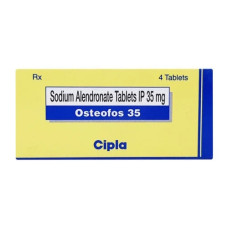
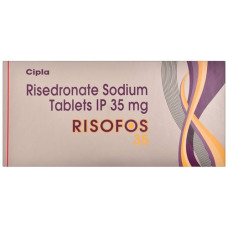
Several classes of drugs are used to treat osteopenia, including bisphosphonates, hormone therapy, and selective estrogen receptor modulators (SERMs). Bisphosphonates like alendronate and risedronate inhibit bone resorption, helping to stabilize or increase bone density. Hormone therapy, such as estrogen, may be considered in postmenopausal women to reduce bone loss. SERMs like raloxifene mimic estrogen's protective effects on bones without some of its risks. Scientific evidence supports that these medications can effectively slow bone loss and reduce fracture risk when appropriately prescribed and monitored.
| Type of Drug | Example Active Ingredient | Therapeutic Goal |
|---|---|---|
| Bisphosphonates | Alendronate, Risedronate | Inhibit bone resorption |
| Hormone Therapy | Estrogen | Reduce bone loss in postmenopausal women |
| SERMs | Raloxifene | Selective estrogen receptor modulation |
Natural Remedies for Osteopenia
Complementary approaches such as adequate calcium and vitamin D intake, weight-bearing exercises, and lifestyle modifications can support bone health. Herbal supplements like soy isoflavones or calcium-rich foods may provide additional benefits, but their effects are less well-established. Ensuring sufficient sun exposure for vitamin D synthesis and avoiding smoking or excessive alcohol consumption are also recommended. These natural methods should be used as adjuncts to medical treatment, not replacements. Scientific studies suggest that a holistic approach enhances overall bone strength and reduces fracture risk.
Forms and Presentations: Tablets, Pills, Capsules
Medications for osteopenia are commonly available in various forms, including tablets, capsules, liquids, and injectable preparations. Tablets and capsules are the most convenient for daily oral intake, offering ease of use and precise dosing. Liquid formulations may be preferred for individuals with swallowing difficulties, while injections are typically reserved for severe cases or when oral therapy is contraindicated. Each form has specific advantages; for example, tablets often provide rapid absorption, while injections ensure compliance in certain populations. The choice depends on patient needs, medication properties, and medical advice.
Over-the-Counter (OTC) Medications
For mild symptoms or as supportive measures, OTC medications such as calcium and vitamin D supplements can be helpful. Non-prescription pain relievers like acetaminophen or NSAIDs may alleviate minor discomfort but should be used cautiously. It is important to consult a healthcare professional before starting OTC remedies, especially if symptoms persist or worsen. These options are intended for temporary relief and do not replace prescribed treatments or diagnostic assessments. Regular monitoring ensures safe and effective management of osteopenia.
| OTC Medication | When to Use | Notes |
|---|---|---|
| Calcium supplements | Support bone mineralization | Ensure appropriate dosage |
| Vitamin D supplements | Improve calcium absorption | Monitor blood levels |
| Pain relievers | Alleviate mild discomfort | Use with caution, avoid long-term use |
Precautions and Side Effects
Even medications considered safe can cause adverse reactions if misused or taken without proper guidance. Common side effects include gastrointestinal discomfort, nausea, or mild allergic reactions. More serious effects, such as osteonecrosis of the jaw or atypical fractures, are rare but require vigilance. Following prescribed dosages, avoiding contraindicated substances like alcohol, and regular medical check-ups help minimize risks. Special caution is needed for vulnerable groups such as children, pregnant women, the elderly, or those with chronic illnesses. Scientific literature emphasizes that informed use and close monitoring are essential for safe therapy.
Most Common Side Effects
Common mild side effects include gastrointestinal issues like nausea, heartburn, or abdominal pain. Serious adverse effects, though rare, may involve allergic reactions, osteonecrosis, or atypical femoral fractures. The risk of severe effects increases with improper use or long-term therapy. Patients should report any unusual symptoms promptly to their healthcare provider. Regular follow-up and adherence to medical advice are crucial to ensure safety and effectiveness of treatment.
| Effect Type | Frequency | Severity | Recommendation |
|---|---|---|---|
| Mild gastrointestinal | Common | Low | Monitor and adjust diet or medication timing |
| Allergic reactions | Rare | High | Seek immediate medical attention |
| Serious effects (osteonecrosis) | Very rare | Severe | Regular dental check-ups, report symptoms |
Safe Medication Use Tips
To ensure safe medication use, always follow the prescribed dosage and schedule. Store medicines in a cool, dry place away from children and pets. Avoid alcohol and certain foods that may interfere with drug absorption. Regularly consult your healthcare provider for monitoring and dose adjustments. Do not stop or change medication without medical advice. Keep track of expiration dates and dispose of expired medicines properly. Maintaining open communication with your doctor enhances treatment safety and efficacy.
- Follow dosing instructions precisely
- Store medications properly
- Avoid alcohol and contraindicated foods
- Attend scheduled follow-up appointments
- Report side effects promptly
Prevention and Daily Care
Preventive measures and daily habits are vital in managing osteopenia and reducing fracture risk. Regular medical check-ups, a balanced diet rich in calcium and vitamin D, and weight-bearing exercises help maintain bone density. Avoiding smoking and excessive alcohol consumption further supports bone health. Early intervention upon noticing symptoms can prevent disease progression. Scientific evidence underscores that lifestyle modifications combined with medical management significantly improve outcomes. Tailoring these strategies to individual needs enhances their effectiveness.
Recommended Habits to Reduce Osteopenia Risk
Adopting a healthy diet with adequate calcium and vitamin D intake, engaging in regular weight-bearing and muscle-strengthening exercises, and avoiding smoking and excessive alcohol are key. Ensuring sufficient sun exposure helps maintain vitamin D levels. Maintaining a healthy weight and preventing falls through home safety measures also contribute. Managing stress and ensuring proper sleep support overall health, indirectly benefiting bone strength. These daily habits collectively help prevent or slow the progression of osteopenia.
| Prevention Area | Recommended Measures | Main Benefit |
|---|---|---|
| Diet | Calcium-rich foods, vitamin D supplementation | Supports bone mineralization |
| Exercise | Weight-bearing, resistance training | Stimulates bone growth |
| Lifestyle | No smoking, limit alcohol | Reduces bone loss factors |
| Fall Prevention | Home safety, balance exercises | Reduces fracture risk |
Additional Preventive Measures
Secondary prevention includes regular bone density screenings, especially for high-risk groups, and ensuring adequate intake of calcium and vitamin D. Vaccinations, such as influenza and pneumonia, can prevent illnesses that may lead to immobility or fractures. In some cases, physicians may recommend medications to strengthen bones proactively. Following medical advice and adhering to prescribed therapies contribute to long-term bone health and overall well-being. These measures help minimize disease progression and improve quality of life.
Prognosis and Recovery
The outlook for individuals with osteopenia largely depends on early detection, adherence to treatment, and lifestyle modifications. With appropriate management, most patients experience stabilization or improvement in bone density, reducing fracture risk. The prognosis is generally favorable when interventions are timely and consistent. Maintaining a healthy diet, regular exercise, and avoiding risk factors are essential for optimal outcomes. Scientific studies confirm that proactive care can prevent progression to osteoporosis and associated complications.
Typical Recovery Time
The time needed for improvement varies based on disease severity and treatment response. Mild cases may see stabilization within a few months, while more advanced osteopenia might require a year or longer for significant changes. In chronic cases, ongoing monitoring and therapy are necessary to achieve gradual bone density improvements. The table below summarizes typical recovery durations:
| Case Type | Average Recovery Time | Comments |
|---|---|---|
| Mild osteopenia | 3-6 months | Stabilization or slight improvement |
| Moderate to severe | 6-12 months or more | Requires ongoing therapy and monitoring |
| Chronic cases | Continuous, variable | Long-term management necessary |
Factors Enhancing Prognosis
Key factors that improve the likelihood of full recovery or remission include strict adherence to medication, lifestyle changes, and regular follow-up. Early intervention, adequate nutrition, and physical activity support bone regeneration. Patient engagement and avoiding risk behaviors significantly contribute to positive outcomes. Scientific evidence indicates that comprehensive management reduces fracture risk and enhances bone strength, leading to better long-term health.
- Consistent medication use
- Healthy diet rich in calcium and vitamin D
- Regular weight-bearing exercise
- Follow-up appointments and monitoring
- Avoidance of smoking and excessive alcohol
Lifestyle Changes
The recovery process benefits greatly from adopting healthy daily habits. Patients should focus on maintaining a balanced diet, engaging in regular physical activity, and avoiding harmful behaviors like smoking and excessive drinking. Ensuring adequate sleep and managing stress also support bone health. These lifestyle modifications not only aid in recovery but also help prevent future bone loss. Scientific studies confirm that sustained healthy habits are fundamental to long-term management of osteopenia and overall well-being.
Potential Complications
If osteopenia is left untreated or poorly managed, it can lead to serious complications such as fractures, deformities, and chronic pain. Vertebral fractures may cause height loss and spinal deformities, affecting mobility and quality of life. In severe cases, fractures can result in long-term disability or even life-threatening conditions. Preventing these outcomes depends on timely diagnosis, appropriate treatment, and patient compliance. The table below summarizes common and severe complications:
| Complication | Frequency | Severity | Prevention |
|---|---|---|---|
| Vertebral fractures | Common in advanced cases | Severe | Early diagnosis, medication, lifestyle |
| Hip fractures | Less frequent but serious | Very severe | Fall prevention, bone strengthening |
| Chronic pain and deformity | Possible with fractures | Moderate to severe | Proper management and monitoring |
With appropriate treatment and ongoing care, most patients can avoid severe complications and maintain a good quality of life.
Frequently Asked Questions about Osteopenia and Its Treatment
This section addresses common questions patients have regarding osteopenia, including medication choices, treatment duration, and lifestyle recommendations. The information provided is based on current medical guidelines and scientific research, but it is not a substitute for personalized medical advice. Consulting a healthcare professional is essential for tailored diagnosis and management plans. Staying informed helps patients participate actively in their care and make better health decisions.
Which medications are most effective, according to evidence?
Clinical studies have demonstrated that bisphosphonates like alendronate and risedronate are highly effective in increasing bone density and reducing fracture risk. Hormonal therapies, such as estrogen or SERMs like raloxifene, are also beneficial, especially in postmenopausal women. These medications work by inhibiting bone resorption or mimicking estrogen's protective effects. Scientific evidence supports their use in appropriate patients, with careful monitoring to minimize side effects. The choice depends on individual risk factors, disease severity, and overall health.
| Medication Group | Examples | Effectiveness |
|---|---|---|
| Bisphosphonates | Alendronate, Risedronate | Increase BMD, reduce fractures |
| Hormonal therapies | Estrogen, Raloxifene | Protect bone in postmenopausal women |
| Other agents | Denosumab, Teriparatide | Used in specific cases, improve bone formation |
Overall, medication selection should be individualized based on clinical evidence and patient needs.
Is safe home treatment possible without a doctor’s prescription?
In mild cases, some measures such as adequate calcium and vitamin D intake, gentle exercises, and OTC pain relievers can support bone health. However, it is essential to consult a healthcare professional for proper assessment and guidance. Self-treatment without medical supervision may overlook underlying causes or lead to inappropriate medication use. Regular follow-up ensures safe and effective management, especially if symptoms persist or worsen. Combining medical advice with lifestyle adjustments offers the best chance for stable bone health.
- Consult a healthcare provider for diagnosis
- Follow prescribed treatment plans
- Use OTC remedies cautiously and under supervision
- Attend regular check-ups
Self-treatment should complement, not replace, professional medical care.
What is the typical duration of treatment and follow-up?
The length of treatment varies depending on disease severity, response to therapy, and individual risk factors. Mild osteopenia may require a few months of medication with periodic reassessment, while more advanced cases need longer-term management. Follow-up visits are generally recommended every 6 to 12 months to monitor bone density and adjust therapy as needed. The duration of therapy is often extended over years to maintain bone health and prevent fractures. The table below summarizes typical treatment durations:
| Type of Treatment | Estimated Duration | Follow-up Frequency |
|---|---|---|
| Medication | 6 months to several years | Every 6-12 months |
| Monitoring | Ongoing, as needed | Based on clinical judgment |
Each case should be individually evaluated by a healthcare professional to determine the optimal treatment length and follow-up schedule.
Where to Purchase Medications for Osteopenia
Medications for osteopenia are available both in physical pharmacies and online stores. It is crucial to verify the licensing and reputation of the pharmacy to ensure the authenticity and quality of the medicines. Avoid counterfeit products by checking for proper packaging, expiration dates, and official certifications. Our authorized online pharmacy offers all medications for osteopenia, ensuring safe and reliable delivery across Italy. Purchasing from trusted sources helps protect your health and guarantees access to genuine products.
Safe Shopping in Our Online Pharmacy
Buying from our licensed online pharmacy provides several advantages, including professional consultation, guaranteed product authenticity, and secure payment options. We ensure strict quality control, proper packaging, and discreet shipping. Before purchasing, verify the pharmacy’s license, check product labels, and confirm expiration dates. If in doubt, consult our pharmacists for guidance. These precautions help ensure a safe and satisfactory shopping experience, giving you confidence in your treatment choices.
Can Medications Be Purchased Online Without a Prescription?
All medications for osteopenia can be purchased online through our authorized pharmacy without a prescription, in accordance with Italian regulations. However, it is strongly recommended to consult a healthcare professional before starting any treatment. Proper diagnosis and personalized advice are essential to ensure safety and effectiveness. When buying online, verify the legitimacy of the pharmacy, check product details, and avoid unverified sources. Self-medicating without medical guidance can lead to ineffective treatment or adverse effects, so professional consultation remains crucial.
- Use only licensed online pharmacies
- Ensure products are genuine and properly labeled
- Consult a healthcare provider before treatment
- Avoid unverified or suspicious sources
Shipping Options and Quality Assurance
Our pharmacy offers various shipping methods, including standard, express, and international delivery, to meet your needs. We implement rigorous quality controls such as batch traceability, temperature regulation, and secure packaging to preserve medication integrity. Tracking shipments ensures transparency and peace of mind. Proper handling and discreet packaging protect your privacy. These measures guarantee that your medicines arrive safely and in optimal condition, supporting effective treatment and patient satisfaction.
- Multiple shipping options available
- Traceability of batches and shipments
- Temperature-controlled handling
- Discreet and secure packaging
Price, Availability, and Discounts in Italian Pharmacies
The cost of osteopenia medications in Italy varies based on factors such as brand versus generic, dosage, form, and whether a prescription is required. Availability may fluctuate depending on regional supply, seasonal demand, and specific formulations. Many pharmacies offer discounts, promotional codes, and loyalty programs that can reduce costs. Comparing prices between physical stores and online pharmacies can help find the most affordable options. Patients are encouraged to ask pharmacists about current promotions or generic alternatives, especially if they require specific dosages or forms. Being informed about pricing and availability ensures access to effective treatment at a reasonable cost, supporting long-term management of osteopenia.
| Prodotti in farmacia | Prezzo |
|---|---|
| Alendronato | 0.00 € |
| Risedronato | 0.00 € |
Domande frequenti su Osteopenia nel 2026
-
È necessaria una ricetta per acquistare Osteopenia in farmacia?
-
Quanto costa Osteopenia?
-
Posso acquistare Osteopenia nella vostra farmacia online?
-
Osteopenia è legale in Italia?
-
Quali sono le condizioni di spedizione?
-
Quali metodi di pagamento accettate?