


Medications for Nocturia
Nocturia, characterized by the need to wake up during the night to urinate, is a common condition that can significantly impact quality of life. Effective management often requires pharmacological treatment, especially when lifestyle changes alone are insufficient. Proper diagnosis and timely intervention can help control symptoms, reduce sleep disturbances, and improve overall well-being. Medications are tailored based on the underlying cause, severity, and patient health, making professional medical guidance essential. Recent studies highlight the importance of combining medication with lifestyle modifications for optimal results, ensuring a comprehensive approach to managing nocturia.
What is Nocturia?
Nocturia is a condition where individuals wake up multiple times during the night to urinate, often due to an imbalance in fluid regulation or underlying health issues. It primarily involves the urinary system, specifically the bladder and kidneys, and can be either acute or chronic. The frequency varies from person to person, but waking more than once per night is generally considered abnormal. Diagnosing nocturia early is crucial because persistent symptoms can lead to sleep deprivation, fatigue, and decreased daily functioning. Understanding its causes helps in selecting the most effective treatment strategies.
Definition and Main Characteristics of Nocturia
Nocturia is defined as the need to urinate during the night that disrupts sleep, often caused by excessive urine production or reduced bladder capacity. It can be a symptom of underlying conditions such as benign prostatic hyperplasia, heart failure, or diabetes. The condition tends to worsen with age and is more common in men and older adults. Its progression may lead to sleep disturbances, daytime fatigue, and reduced quality of life. Risk groups include the elderly, those with cardiovascular diseases, and individuals with metabolic disorders. Managing nocturia involves addressing both symptoms and root causes to prevent complications.
Causes and Risk Factors of Nocturia
Numerous factors contribute to nocturia, including medical conditions, lifestyle habits, and environmental influences. Common causes encompass excessive fluid intake before bedtime, urinary tract infections, and chronic illnesses like diabetes or heart failure. Age-related changes in kidney function and bladder capacity also play a significant role. Additionally, certain medications, such as diuretics, can increase nighttime urine production. Risk factors are summarized in the table below:
| Risk Factor | Description | Probability |
|---|---|---|
| Age | Decreased bladder capacity and kidney function with aging | High |
| Medical conditions | Diabetes, heart failure, prostate enlargement | Moderate to high |
| Fluid intake | Consuming large amounts before bedtime | Variable |
| Medications | Diuretics and certain antidepressants | Moderate |
Factors Contributing to Nocturia
Internal factors such as hormonal changes and genetic predispositions can influence nocturia development, while external factors include lifestyle habits and environmental conditions. For example, high fluid consumption in the evening, alcohol intake, and stress can exacerbate symptoms. Often, multiple causes coexist, making the condition multifactorial. Recognizing these contributing factors is essential for implementing preventive measures and reducing the risk of nocturia. Combining lifestyle adjustments with medical treatment can effectively manage the condition and improve sleep quality.
Symptoms of Nocturia
The primary symptom of nocturia is waking during the night to urinate, which can vary in frequency and severity. Many individuals experience mild symptoms initially, such as waking once or twice, but these can worsen over time, leading to sleep disruption. Other signs include fatigue, difficulty concentrating during the day, and mood changes. Early recognition of these symptoms allows for prompt intervention, preventing further deterioration. Since symptoms can overlap with other conditions, proper diagnosis is vital for effective management.
How to Recognize Early Signs of Nocturia
In the initial stages, common signs include waking once or twice per night to urinate, often accompanied by a feeling of incomplete bladder emptying. These symptoms may be mistaken for normal aging or temporary issues. As the condition progresses, frequency increases, and sleep quality diminishes, leading to daytime tiredness. Differentiating nocturia from other sleep or urinary problems requires attention to symptom patterns. Monitoring nocturnal voiding habits helps in early detection and timely medical consultation.
Diagnosis and When to See a Doctor
Diagnosing nocturia involves a detailed medical history, physical examination, and specific tests to identify underlying causes. Healthcare providers may request bladder diaries, urine analysis, blood tests, and imaging studies. It is important not to self-medicate, as proper diagnosis guides effective treatment. Consulting a specialist ensures an accurate assessment of severity and appropriate therapy. Early diagnosis improves treatment outcomes and reduces the risk of complications associated with untreated nocturia.
Diagnostic Tests and Methods for Nocturia
Diagnosis typically includes urine tests to detect infections or blood, blood tests to assess kidney function and blood sugar levels, and bladder scans or ultrasounds to evaluate bladder capacity and residual urine. A voiding diary helps track frequency and volume of urination, providing valuable insights. Urodynamic studies may be performed in complex cases to assess bladder function. These methods collectively confirm the diagnosis and guide personalized treatment plans.
Warning Signs Requiring Urgent Medical Attention
Immediate medical care is necessary if symptoms include blood in urine, severe pain during urination, sudden inability to urinate, or signs of infection such as fever and chills. Additionally, if nocturia is accompanied by chest pain, shortness of breath, or significant swelling, prompt evaluation is critical. These symptoms may indicate serious underlying conditions requiring urgent intervention. Delaying treatment can lead to complications like kidney damage or systemic infections.
Types of Medications and Treatments
Management of nocturia depends on its cause and severity. Lifestyle modifications are often first-line, but medications are prescribed when necessary. Some treatments are available over-the-counter, while others require a prescription. The choice of therapy is tailored to individual needs, age, and health status, always under medical supervision. Combining pharmacological and non-pharmacological approaches yields the best outcomes in controlling symptoms and preventing recurrence.
Medications for Nocturia
Various drug groups are used to treat nocturia, targeting different underlying mechanisms. Diuretics, when timed properly, can reduce fluid overload during the day. Antidiuretic agents, such as desmopressin, help decrease urine production at night. Alpha-blockers and 5-alpha-reductase inhibitors are used in cases related to prostate enlargement. Additionally, medications for managing comorbid conditions like heart failure or diabetes can indirectly improve nocturia symptoms. The selection depends on the specific cause and patient profile.
| Test Type | Purpose | Diagnostic Value |
|---|---|---|
| Urinalysis | Detect infections, blood, or protein | High |
| Blood tests | Assess kidney function, blood sugar | High |
| Bladder ultrasound | Measure residual urine, bladder capacity | Moderate to high |
| Voiding diary | Record urination patterns | Essential |
| Drug Type | Example Active Ingredient | Therapeutic Goal |
|---|---|---|
| Antidiuretic agents | Desmopressin | Reduce nocturnal urine production |
| Alpha-blockers | Tamsulosin | Relieve urinary obstruction |
| Diuretics | Furosemide | Manage fluid overload, timed to reduce nocturia |
Natural Remedies for Nocturia
Complementary approaches include lifestyle and dietary adjustments that may alleviate symptoms. Limiting fluid intake in the evening, reducing caffeine and alcohol consumption, and practicing pelvic floor exercises can be beneficial. Herbal supplements like pumpkin seed extract or saw palmetto may support urinary health, but their efficacy varies. These remedies should always be used alongside medical treatment and under professional supervision to ensure safety and effectiveness. They are not substitutes for prescribed medications but can contribute to overall symptom management.
Forms and Presentations: Tablets, Capsules, Liquids
Medications for nocturia are commonly available in various forms, including tablets, capsules, and liquids. Tablets and capsules are convenient, often offering controlled-release options for sustained effect. Liquids may be preferred for those with swallowing difficulties or requiring rapid absorption. Topical formulations or injections are less common but may be used in specific cases. The choice depends on patient preference, age, and the nature of the medication, with each form offering distinct advantages in terms of onset and duration of action.
Over-the-Counter (OTC) Medications
For mild symptoms, some OTC options may provide relief, such as herbal supplements or mild diuretics. However, these should be used cautiously, and persistent or worsening symptoms warrant medical consultation. OTC medications are generally intended for temporary relief and are not substitutes for professional diagnosis and treatment. Always read labels carefully and consult a pharmacist if unsure about suitability or interactions.
| OTC Option | When to Use | Notes |
|---|---|---|
| Herbal diuretics | Mild symptoms, occasional use | Consult pharmacist for safety |
| Pain relievers | Discomfort associated with urinary issues | Not a treatment for nocturia itself |
Precautions and Side Effects
Even medications considered safe can cause adverse reactions if misused. Common side effects include nausea, dizziness, or allergic reactions, while serious complications like hyponatremia or cardiovascular issues may occur with certain drugs. Following prescribed dosages, monitoring symptoms, and reporting any unusual effects to a healthcare provider are essential steps to minimize risks. Special caution is advised for vulnerable groups such as children, pregnant women, the elderly, or those with chronic illnesses, who may require tailored treatment plans.
Most Common Side Effects
Minor side effects include dry mouth, headache, or gastrointestinal discomfort. More severe reactions, though less frequent, can involve allergic responses, electrolyte imbalances, or heart rhythm disturbances. Risk levels vary depending on the medication and individual health status. Regular medical supervision helps detect and manage adverse effects early, ensuring safe therapy.
| Effect Type | Frequency | Severity | Recommendation |
|---|---|---|---|
| Nausea, dizziness | Common | Minor | Report if persistent |
| Allergic reactions | Rare | Serious | Seek immediate care |
Safe Medication Use Tips
To ensure safe medication use, always adhere to prescribed dosages and schedules. Avoid alcohol and certain foods that may interact with medications. Store medicines in a cool, dry place away from children. Regular follow-up appointments are crucial to assess effectiveness and adjust treatment if necessary. Keep a medication log and report any side effects promptly to your healthcare provider.
- Follow dosing instructions carefully
- Avoid alcohol and incompatible foods
- Store medicines properly
- Attend scheduled check-ups
- Report adverse effects immediately
Prevention and Daily Care
Preventive measures and daily habits play a vital role in managing nocturia. Regular medical check-ups help detect early signs of underlying conditions. Maintaining a healthy lifestyle, including balanced diet, regular exercise, and stress management, can reduce risk factors. Promptly addressing symptoms and making lifestyle adjustments can prevent progression and improve sleep quality. Tailoring prevention strategies to age, gender, and health status enhances their effectiveness.
Recommended Habits to Reduce Risk of Nocturia
Adopting simple lifestyle changes can significantly lower the likelihood of developing nocturia. These include limiting fluid intake in the evening, reducing caffeine and alcohol consumption, and avoiding diuretics late in the day. Engaging in regular physical activity and maintaining a healthy weight support urinary health. Ensuring good sleep hygiene and managing stress also contribute to symptom reduction. Implementing these habits consistently can improve overall bladder function and sleep quality.
| Prevention Area | Recommended Measures | Main Benefit |
|---|---|---|
| Diet | Limit evening fluids, reduce caffeine | Decreased nocturnal urine production |
| Exercise | Regular physical activity | Improved bladder control |
| Sleep hygiene | Consistent sleep schedule | Better sleep quality |
| Stress management | Relaxation techniques | Reduced urinary symptoms |
Additional Preventive Measures
Secondary prevention includes routine health screenings, vaccinations if applicable, and managing chronic conditions effectively. Taking prescribed vitamins or medications as advised can support urinary health. Regular follow-up with healthcare providers ensures early detection of potential issues. Adhering to medical recommendations and lifestyle modifications collectively contribute to long-term symptom control and overall health.
- Routine health check-ups
- Vaccinations (e.g., influenza, pneumococcal)
- Adherence to prescribed therapies
- Monitoring of underlying conditions
Prognosis and Recovery
The outlook for individuals with nocturia depends on the underlying cause, disease stage, and promptness of treatment. With appropriate management, most patients experience significant symptom relief and improved sleep quality. Early intervention and adherence to therapy are key factors in achieving favorable outcomes. Maintaining a healthy lifestyle and regular medical follow-up further enhance recovery prospects. In some cases, especially with chronic conditions, ongoing management is necessary to sustain benefits.
Typical Recovery Time
The recovery period varies based on severity and treatment approach. Mild cases often resolve within a few days to weeks, especially with lifestyle modifications. More severe or chronic cases may require several weeks or months of therapy, with ongoing monitoring. For example, medication adjustments or addressing underlying health issues can influence recovery speed. In chronic cases, continuous management and periodic reassessment are essential for long-term control.
| Case Type | Average Recovery Time | Comments |
|---|---|---|
| Mild nocturia | Few days to weeks | Often resolves with lifestyle changes |
| Moderate to severe | Several weeks to months | Requires ongoing treatment and monitoring |
| Chronic conditions | Long-term management | Continuous follow-up necessary |
Factors Improving Prognosis
Key factors include early diagnosis, adherence to treatment, and lifestyle modifications. Managing comorbidities such as diabetes or heart disease effectively enhances outcomes. Patient education and active participation in care also contribute to remission. Regular follow-up appointments allow for timely adjustments, reducing the risk of recurrence. Supportive behaviors like maintaining hydration balance and stress management further improve prognosis.
- Early detection and treatment
- Adherence to prescribed therapy
- Healthy lifestyle habits
- Effective management of underlying conditions
- Regular medical follow-up
Lifestyle Changes
Implementing healthy lifestyle habits is crucial for faster recovery and prevention of nocturia recurrence. Patients are advised to limit fluid intake in the evening, avoid caffeine and alcohol, and maintain a regular sleep schedule. Engaging in physical activity and managing stress can improve bladder function. Avoiding smoking and maintaining a healthy weight also support urinary health. These behavioral modifications, combined with medical treatment, foster better long-term outcomes.
Potential Complications
If left untreated or poorly controlled, nocturia can lead to complications such as sleep deprivation, daytime fatigue, and increased risk of falls, especially in the elderly. Chronic sleep disturbance may contribute to cardiovascular problems, cognitive decline, and reduced quality of life. In severe cases, underlying conditions like heart failure or kidney disease may worsen if not properly managed. Preventing these issues relies on timely diagnosis, effective treatment, and patient engagement in care.
| Complication | Frequency | Severity | Prevention |
|---|---|---|---|
| Sleep disturbances | Common | Minor to moderate | Proper management of underlying causes |
| Falls and injuries | Increased in elderly | Serious | Environmental safety, mobility aids |
| Cardiovascular issues | Potential with chronic sleep deprivation | Serious | Addressing underlying health conditions |
With appropriate treatment and ongoing care, most patients with nocturia can achieve satisfactory control and avoid long-term complications.
Frequently Asked Questions about Nocturia and Its Treatment
This section addresses common questions patients have regarding nocturia, including medication options, treatment duration, and lifestyle adjustments. The answers are based on current medical evidence but do not replace personalized advice from healthcare professionals. Understanding these aspects helps patients make informed decisions and collaborate effectively with their providers for optimal management.
Which are the most effective drugs, according to evidence?
Clinical studies have confirmed the efficacy of certain medications, such as desmopressin, in reducing nocturnal urine production. Alpha-blockers like tamsulosin are effective in cases related to prostate enlargement, improving urinary flow. Diuretics, when timed correctly, can help manage fluid balance during the day, reducing nighttime urination. The choice of drug depends on the underlying cause, severity, and patient health, with evidence supporting tailored therapy for best results.
| Drug Group | Example Active Ingredient | Proven Effectiveness |
|---|---|---|
| Antidiuretic agents | Desmopressin | High |
| Alpha-blockers | Tamsulosin | High in prostate-related cases |
| Diuretics | Furosemide | Effective when timed properly |
The selection of medication depends on the specific diagnosis, severity, and overall health, emphasizing personalized treatment plans.
Is it safe to treat nocturia at home without a doctor?
For mild symptoms, some self-care measures such as adjusting fluid intake, practicing pelvic exercises, and using OTC remedies may provide relief. However, it is essential to monitor symptoms closely and seek medical advice if they persist or worsen. Self-treatment should not replace professional evaluation, especially if underlying health issues are suspected. Consulting a healthcare provider ensures appropriate diagnosis and safe, effective therapy tailored to individual needs.
- Limit evening fluids
- Maintain a healthy lifestyle
- Use OTC remedies cautiously
- Seek medical advice if symptoms persist
Proper medical guidance prevents complications and ensures optimal management of nocturia.
What is the typical duration of treatment and follow-up?
The length of therapy varies depending on the cause and response to treatment. Mild cases may resolve within a few weeks with lifestyle changes, while more complex cases require several months of medication and monitoring. Regular follow-up appointments are necessary to assess effectiveness, adjust dosages, and address any side effects. In chronic conditions, ongoing management and periodic evaluations are essential for sustained symptom control. The duration is individualized, aiming for the best quality of life.
| Type of Treatment | Estimated Duration | Recommended Follow-up |
|---|---|---|
| Mild cases | Few weeks | Every 3-6 months |
| Moderate to severe | Several months to a year | Every 3-6 months |
| Chronic management | Long-term | Regular assessments |
Each patient’s plan should be tailored, with ongoing evaluation to optimize outcomes.
Where to Buy Medications for Nocturia
Medications for nocturia are available both in physical pharmacies and online stores. When purchasing, it is crucial to verify the license and reputation of the seller to ensure product authenticity and safety. Avoid counterfeit drugs by checking packaging, expiration dates, and official certifications. Our licensed online pharmacy offers all medications for nocturia, providing a secure and convenient shopping experience in Italy. Always choose reputable sources to guarantee quality and efficacy.
Safe Shopping in Our Online Pharmacy
Buying from our authorized online pharmacy offers numerous advantages, including professional consultation, guaranteed product authenticity, and secure payment options. We ensure strict quality control, proper packaging, and discreet shipping. Before purchasing, verify the pharmacy’s license, check the product’s packaging and expiration date, and consult our pharmacists for guidance. These precautions help protect your health and ensure you receive genuine medications.
Can I purchase medications online without a prescription?
In Italy, all medications for nocturia can be purchased online without a prescription through our licensed pharmacy, provided they are over-the-counter products. However, it is essential to use these medicines responsibly and under medical supervision if symptoms persist or worsen. Self-medicating without proper diagnosis can be risky, so consulting a healthcare professional remains advisable. Always ensure the online pharmacy is authorized and adheres to safety standards to avoid counterfeit products.
- Verify pharmacy license
- Check product authenticity
- Follow recommended dosages
- Seek medical advice if symptoms persist
Shipping Options and Quality Assurance
We offer various shipping methods, including standard, express, and international delivery, to meet your needs. Our logistics process incorporates strict quality controls such as batch traceability, temperature regulation, and secure packaging to preserve medication integrity. Tracking shipments ensures transparency and safety from dispatch to delivery. These measures guarantee that your medications arrive safely and in optimal condition, maintaining their efficacy.
- Multiple shipping options
- Traceability of batches
- Temperature control during transit
- Secure, discreet packaging
- Shipment tracking
Price, Availability, and Discounts in Italy
The cost of medications for nocturia in Italy varies based on factors like brand versus generic, dosage, form (tablets, capsules, liquids), and whether a prescription is required. Availability can fluctuate due to regional supply, demand, and seasonal factors, with some formulations available immediately and others on request. Many pharmacies offer discounts, coupons, and loyalty programs that make treatments more affordable. Patients are encouraged to compare prices across different outlets, inquire about generic options, and ask pharmacists about ongoing promotions. Being informed about pricing and stock availability helps in making cost-effective choices and ensures timely access to necessary medications.
| Prodotti in farmacia | Prezzo |
|---|---|
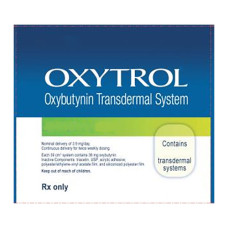
| Oxytrol 5 mg compresse | 99.66 € |
Domande frequenti su Nicturia nel 2026
-
È necessaria una ricetta per acquistare Nicturia in farmacia?
-
Quanto costa Nicturia?
-
Posso acquistare Nicturia nella vostra farmacia online?
-
Nicturia è legale in Italia?
-
Quali sono le condizioni di spedizione?
-
Quali metodi di pagamento accettate?
-
Prodotti più popolari in farmacia