


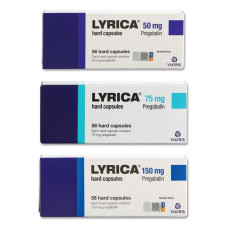
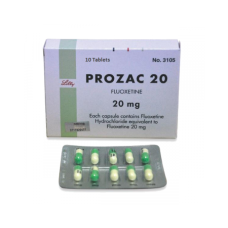



Medications for Diabetic Neuropathy
Diabetic neuropathy is a common complication of diabetes that affects the nerves, leading to symptoms like pain, tingling, numbness, and weakness, especially in the legs and feet. Managing this condition often requires pharmacological treatment to alleviate symptoms and improve quality of life. Early diagnosis and appropriate medication can significantly reduce discomfort and prevent further nerve damage, making treatment essential for long-term health. Scientific studies highlight that a combination of medication, lifestyle changes, and regular monitoring offers the best approach to control symptoms effectively.
What is Diabetic Neuropathy?
Diabetic neuropathy is a nerve disorder caused by prolonged high blood sugar levels in people with diabetes. It primarily affects the peripheral nerves, especially those in the limbs, and tends to develop gradually over time. The condition can be either chronic or episodic, with symptoms worsening if blood sugar remains uncontrolled. Recognizing and treating diabetic neuropathy early is crucial because it can prevent complications such as infections or ulcers, which may lead to more severe health issues. The disease often progresses silently, making regular check-ups vital for early detection.
Definition and Main Characteristics of Diabetic Neuropathy
Diabetic neuropathy is a form of nerve damage resulting from chronic hyperglycemia. It is characterized by a gradual deterioration of nerve function, leading to sensory disturbances, pain, and sometimes motor deficits. The disease is classified into different types, including peripheral, autonomic, proximal, and focal neuropathies, each affecting different nerve groups. Its progression varies from mild symptoms to severe disability, especially in older adults or those with poorly controlled diabetes. Risk groups include individuals with long-standing diabetes, poor glycemic control, and comorbidities like hypertension or dyslipidemia. The key features include persistent pain, loss of sensation, and increased risk of injuries due to numbness.
| Characteristic | Description |
|---|---|
| Type | Chronic, progressive nerve damage |
| Common affected areas | Feet, legs, hands, and arms |
| Symptoms | Pain, numbness, tingling, weakness |
| Risk factors | Long duration of diabetes, poor blood sugar control |
Causes and Risk Factors of Diabetic Neuropathy
Diabetic neuropathy develops due to multiple interconnected factors related to diabetes management and individual health. Elevated blood glucose levels over time damage nerve fibers directly and impair blood flow to nerves, leading to nerve death. Other contributing factors include high blood pressure, high cholesterol, smoking, and obesity, which exacerbate nerve damage. Genetic predisposition and environmental influences, such as infections or trauma, can also increase risk. Age is a significant factor, with older individuals more susceptible. Recognizing these risk factors helps in adopting preventive measures to reduce the likelihood of developing neuropathy.
Factors Contributing to Diabetic Neuropathy
Understanding the main causes of diabetic neuropathy is essential for prevention. These causes include:
- High blood sugar levels causing nerve fiber damage
- Reduced blood flow due to vascular damage
- Genetic predisposition affecting nerve resilience
- Lifestyle factors such as smoking and poor diet
- Infections or injuries that compound nerve stress
| Factor Type | Example | Mechanism of Influence |
|---|---|---|
| Internal | Genetics | Predisposes nerves to damage under hyperglycemia |
| External | Smoking | Reduces blood flow, impairing nerve repair |
| Environmental | Infections | Exacerbate nerve inflammation and damage |
Symptoms of Diabetic Neuropathy
The symptoms of diabetic neuropathy can vary widely depending on the nerve affected and the disease stage. Common signs include burning pain, tingling sensations, numbness, and muscle weakness, primarily in the feet and legs. As the condition progresses, patients may experience loss of sensation, increasing the risk of injuries or infections. Early symptoms are often subtle and may be mistaken for other issues, making prompt recognition important. Identifying these signs early allows for timely intervention, which can slow disease progression and improve comfort.
Recognizing Early Signs of Diabetic Neuropathy
In the initial stages, symptoms are often mild and include:
- Persistent tingling or burning sensations in the feet
- Increased sensitivity to touch or temperature
- Occasional numbness or weakness
These symptoms may be mistaken for other minor conditions, but their persistence warrants medical evaluation. Early detection relies on patient awareness and routine check-ups, especially for those with long-standing diabetes. Recognizing these signs promptly can lead to interventions that prevent worsening and complications.
Diagnosis and When to See a Doctor
Diagnosis of diabetic neuropathy involves a thorough medical history, physical examination, and specialized tests. Healthcare providers assess sensory function, reflexes, and muscle strength, often using nerve conduction studies or electromyography. Blood tests may be performed to rule out other causes of nerve damage. It is crucial not to self-medicate, as only a healthcare professional can determine the severity and appropriate treatment plan. Early diagnosis improves treatment outcomes and helps prevent serious complications, such as ulcers or infections. Regular check-ups are vital for individuals at risk.
Diagnostic Tests for Diabetic Neuropathy
Common diagnostic methods include:
| Test Type | Purpose | Diagnostic Value |
|---|---|---|
| Nerve conduction studies | Measure nerve signal speed and strength | Confirms nerve damage and severity |
| Electromyography (EMG) | Assess muscle response to nerve stimulation | Identifies nerve or muscle pathology |
| Quantitative sensory testing | Evaluate sensory thresholds | Detects early sensory deficits |
| Blood tests | Check blood sugar, vitamin levels, and other markers | Rule out other causes and assess risk factors |
Signs That Require Urgent Medical Attention
Immediate medical care is necessary if you experience:
- Sudden weakness or paralysis
- Severe pain or loss of sensation accompanied by wounds or ulcers
- Signs of infection, such as redness, swelling, or fever
- Difficulty breathing or chest pain
Prompt intervention can prevent serious complications like infections or tissue necrosis. Any sudden or worsening symptoms should be evaluated urgently to avoid long-term damage.
Types of Medications and Treatments
Managing diabetic neuropathy involves a combination of medications, lifestyle modifications, and sometimes alternative therapies. The choice of treatment depends on symptom severity, patient age, and overall health. While some mild symptoms may be alleviated with over-the-counter options, more severe cases often require prescription medications. A healthcare professional can tailor a treatment plan to optimize symptom control and prevent progression. Combining pharmacological therapy with lifestyle changes enhances outcomes and improves quality of life.
Medications for Diabetic Neuropathy
The main drug groups used include:
| Drug Group | Example Active Ingredient | Therapeutic Purpose |
|---|---|---|
| Anticonvulsants | Gabapentin, Pregabalin | Reduce nerve pain and abnormal nerve activity |
| Antidepressants | Amitriptyline, Duloxetine | Alleviate neuropathic pain through neurotransmitter modulation |
| Topical agents | Lidocaine patches | Provide localized pain relief |
| Opioids | Tramadol, Tapentadol | Used in severe cases for pain control under medical supervision |
Natural Remedies for Diabetic Neuropathy
Complementary approaches may include:
- Alpha-lipoic acid supplements, which have antioxidant properties
- Capsaicin creams to reduce localized pain
- Omega-3 fatty acids to support nerve health
- Acupuncture, which some patients find helpful for pain relief
- Maintaining a balanced diet rich in vitamins B12 and D
Although these natural remedies can provide symptom relief, they should be used alongside conventional treatment and always under medical supervision. They are not substitutes for prescribed medications but can support overall nerve health.
Common Forms and Presentations: Tablets, Capsules, Liquids
Medications for diabetic neuropathy are available in various forms, including tablets, capsules, topical gels, and injections. Tablets and capsules are most common for systemic treatment, offering ease of use and controlled dosing. Topical formulations like creams or patches target localized pain and may have fewer systemic side effects. In some cases, injectable medications are used for rapid relief or in severe cases. The choice of form depends on the patient's condition, preferences, and the specific medication prescribed.
Over-the-Counter (OTC) Medications
For mild symptoms, OTC options such as non-steroidal anti-inflammatory drugs (NSAIDs) or topical analgesics may provide temporary relief. Examples include ibuprofen or capsaicin creams. These should only be used for short periods and if symptoms are mild. Persistent or worsening symptoms require consultation with a healthcare provider. OTC medications are not suitable for managing severe neuropathy or underlying causes, emphasizing the importance of professional evaluation.
Precautions and Side Effects
Even medications considered safe can cause adverse reactions if misused. Following the prescribed dosage and instructions minimizes risks. Monitoring for side effects such as dizziness, nausea, or allergic reactions is essential. Special caution is needed for vulnerable populations like children, pregnant women, the elderly, or those with other chronic illnesses. Regular follow-up ensures safe and effective treatment, reducing the chance of complications.
Most Common Side Effects
Side effects vary by medication but often include:
| Effect Type | Frequency | Severity | Recommendations |
|---|---|---|---|
| Gastrointestinal issues | Common | Mild to moderate | Take with food, monitor symptoms |
| Drowsiness or dizziness | Common | Mild to severe | Avoid driving, report persistent symptoms |
| Allergic reactions | Rare | Severe | Seek immediate medical attention |
| Liver or kidney effects | Rare | Severe | Regular lab monitoring |
Safe Medication Use Tips
- Always follow the prescribed dose and schedule
- Do not mix medications without medical advice
- Store medicines in a cool, dry place away from children
- Report any side effects or unusual symptoms promptly
- Attend regular check-ups to monitor treatment effectiveness
Prevention and Daily Care
Preventive measures and daily habits play a vital role in managing diabetic neuropathy. Regular blood sugar control, a balanced diet, and physical activity help reduce nerve damage risk. Routine medical check-ups enable early detection of symptoms. Maintaining good foot hygiene and avoiding injuries are crucial for those with nerve loss. Lifestyle modifications, such as quitting smoking and managing stress, support nerve health and overall well-being. Early intervention and consistent care can significantly slow disease progression and improve quality of life.
Recommended Habits to Reduce Risk
Adopting healthy daily routines can help prevent or delay neuropathy:
- Follow a balanced diet low in processed sugars and saturated fats
- Engage in regular physical activity tailored to individual capacity
- Maintain proper foot hygiene and inspect feet daily for injuries
- Avoid smoking and limit alcohol consumption
- Manage stress through relaxation techniques or hobbies
| Prevention Area | Recommended Measures | Main Benefit |
|---|---|---|
| Diet | Healthy eating habits | Blood sugar stabilization |
| Exercise | Regular physical activity | Improved circulation and nerve health |
| Foot Care | Daily inspection and hygiene | Prevents ulcers and infections |
| Stress Management | Relaxation techniques | Reduces blood sugar spikes |
Additional Preventive Measures
Secondary prevention includes routine medical evaluations, vaccinations (such as influenza and pneumococcus), and supplementation of vitamins like B12 and D if deficiencies are identified. Following medical advice on medication adherence and lifestyle adjustments can further reduce the risk of neuropathy progression. Regular screening and proactive management contribute to better long-term outcomes and overall health.
Prognosis and Recovery
The outlook for diabetic neuropathy varies depending on disease type, stage at diagnosis, and treatment adherence. Early intervention often results in better symptom control and slower progression. With proper management, many patients experience stabilization or improvement of nerve function, especially if blood sugar levels are well controlled. Maintaining a healthy lifestyle and following medical recommendations are key to favorable outcomes. In some cases, nerve damage may be irreversible, but symptom relief and quality of life can still be achieved through comprehensive care.
Typical Recovery Time
The recovery period depends on the severity of nerve damage and response to treatment. Mild cases may see symptom improvement within days to weeks, while more advanced neuropathy can take months to stabilize. For chronic or severe cases, ongoing management and monitoring are necessary to prevent further deterioration. The table below summarizes typical recovery times:
| Case Type | Average Recovery Time | Comments |
|---|---|---|
| Mild neuropathy | Few days to weeks | Often reversible with good control |
| Moderate to severe neuropathy | Weeks to months | Requires ongoing therapy and monitoring |
| Chronic or advanced cases | Variable; may be lifelong | Focus on symptom management and prevention of complications |
Factors Improving Prognosis
Several factors can enhance the likelihood of recovery or remission, including:
- Early diagnosis and prompt treatment initiation
- Strict blood sugar control
- Adherence to prescribed therapies
- Healthy lifestyle habits, such as balanced diet and regular exercise
- Management of comorbidities like hypertension and dyslipidemia
Lifestyle Changes for Better Outcomes
Implementing positive lifestyle modifications is essential for recovery and prevention. Patients are advised to:
- Adopt a nutritious diet rich in vitamins and antioxidants
- Engage in regular, moderate physical activity
- Maintain proper foot care and hygiene
- Quit smoking and limit alcohol intake
- Manage stress through relaxation or mindfulness techniques
Potential Complications
If left untreated or poorly managed, diabetic neuropathy can lead to serious complications such as foot ulcers, infections, and even amputations. Other issues include autonomic dysfunction causing blood pressure or digestive problems. These complications significantly impair quality of life and increase healthcare costs. Preventing these outcomes depends on early diagnosis, strict blood sugar control, and consistent medical follow-up. With appropriate management, most patients can avoid severe consequences and maintain a good quality of life.
| Complication | Frequency | Severity | Prevention |
|---|---|---|---|
| Foot ulcers and infections | Common | Severe | Proper foot care, regular inspections |
| Amputations | Less frequent but serious | Severe | Early treatment of wounds, glycemic control |
| Autonomic dysfunction | Variable | Can be life-threatening | Monitoring and managing blood pressure, heart rate |
With appropriate treatment and ongoing care, most patients with diabetic neuropathy can achieve satisfactory management and avoid long-term complications.
Frequently Asked Questions about Diabetic Neuropathy and Its Treatment
This section addresses common questions patients have regarding diabetic neuropathy, including medication choices, treatment duration, and lifestyle adjustments. The responses are based on current medical guidelines and scientific evidence but should not replace personalized medical advice. Consulting a healthcare professional is essential for tailored management plans and optimal outcomes.
Which are the most effective drugs, according to evidence?
Clinical studies have confirmed the efficacy of certain medications in reducing neuropathic pain. Anticonvulsants like gabapentin and pregabalin are widely used to decrease nerve excitability. Antidepressants such as duloxetine and amitriptyline modulate neurotransmitter levels to alleviate pain. Topical agents like lidocaine patches provide localized relief with minimal systemic effects. The choice of medication depends on individual patient factors, including severity and comorbidities. Evidence supports that combining pharmacological therapy with lifestyle modifications yields the best results. Ultimately, the selection of drugs should be personalized, considering the patient's overall health and response to treatment.
Is it safe to treat at home without a doctor?
In mild cases, some patients may manage symptoms with home measures such as rest, proper foot care, and over-the-counter pain relievers. However, self-treatment should never replace professional medical evaluation, especially if symptoms worsen or new issues arise. Regular monitoring by a healthcare provider ensures safe and effective management. Patients should seek medical advice before starting any new therapy or supplement. Proper diagnosis and tailored treatment plans are essential to prevent complications and ensure optimal recovery. Always consult a healthcare professional for guidance tailored to your specific condition.
What is the typical duration of treatment and follow-up?
The length of therapy varies depending on disease severity and individual response. Mild neuropathy may improve within weeks, while more advanced cases require months of ongoing treatment. Regular follow-up appointments are necessary to assess progress, adjust medications, and prevent complications. The table below summarizes typical treatment durations:
| Type of Treatment | Estimated Duration | Recommended Follow-up |
|---|---|---|
| Medication for mild symptoms | Several weeks to months | Every 3-6 months |
| Intensive therapy for severe cases | 6 months to 1 year or more | Every 3 months or as advised |
| Chronic management | Long-term, possibly lifelong | Regular check-ups to monitor progression |
Each patient's treatment plan should be individualized, with ongoing evaluation to optimize outcomes. These guidelines serve as a general reference; consult your healthcare provider for personalized advice.
Where to Purchase Medications for Diabetic Neuropathy
Medications for diabetic neuropathy are available both in physical pharmacies and online stores. It is important to verify the licensing and reputation of the pharmacy to ensure the authenticity and quality of the medicines. Avoid purchasing from unverified sources to prevent counterfeit products. All medications for diabetic neuropathy are accessible through our authorized online pharmacy in Italy, offering convenience and safety. Ensuring proper storage and handling of medicines is essential for maintaining their efficacy and safety.
Secure Shopping in Our Online Pharmacy
Buying from our licensed online pharmacy offers several advantages, including professional consultation, guaranteed product authenticity, and secure payment options. Before purchasing, verify the pharmacy’s license, check the packaging for tampering, and confirm the expiration date. Our platform provides detailed product descriptions and customer support to assist your choices. Additionally, we offer easy return policies and discreet packaging to protect your privacy. Always ensure that the pharmacy complies with national regulations and standards for safe medication delivery.
Can Medications Be Bought Online Without a Prescription?
In Italy, all medications for diabetic neuropathy can be purchased online without a prescription through our authorized pharmacy. This facilitates easier access for patients needing ongoing treatment, provided they follow medical advice. However, it remains important to consult a healthcare professional for proper diagnosis and treatment planning. When buying online, ensure the platform is licensed, check product authenticity, and avoid unverified sources. Self-medicating without medical supervision can lead to ineffective treatment or adverse effects. Always prioritize safety and professional guidance when managing health conditions.
Shipping Options and Quality Assurance
Our pharmacy offers multiple shipping methods, including standard, express, and international delivery, to suit your needs. Each shipment is carefully tracked, with batch numbers and temperature controls to maintain medication integrity. Packaging is discreet and secure, ensuring privacy and protection during transit. We adhere to strict quality standards, including verifying the authenticity of products and monitoring shipment conditions. Customers can track their orders in real-time and rely on our commitment to delivering safe, high-quality medications promptly.
Price, Availability, and Discounts in Italy
The cost of medications for diabetic neuropathy in Italy varies based on factors such as brand versus generic options, dosage, form (tablets, capsules, liquids), and whether a prescription is required. Prices may differ between pharmacies and online stores, with occasional promotions, discounts, and loyalty programs making treatments more affordable. Availability can fluctuate depending on demand, regional supply, and seasonal factors; some formulations may need special ordering. Patients are encouraged to compare prices across different providers, inquire about generic alternatives, and ask pharmacists about ongoing discounts or special offers. Being informed helps in making cost-effective choices without compromising quality. If a specific form or dose is unavailable, consult your healthcare provider for suitable alternatives.
| Prodotti in farmacia | Prezzo |
|---|---|
| Lyrica 75/150/300mg capsule | 56.84 € |
| Prozac 60/40/20/10mg capsule | 70.84 € |
| Acetil-l-carnitina | 0.00 € |
| Duloxetina | 0.00 € |
| Effexor | 0.00 € |
Domande frequenti su Neuropatia diabética nel 2026
-
È necessaria una ricetta per acquistare Neuropatia diabética in farmacia?
-
Quanto costa Neuropatia diabética?
-
Posso acquistare Neuropatia diabética nella vostra farmacia online?
-
Neuropatia diabética è legale in Italia?
-
Quali sono le condizioni di spedizione?
-
Quali metodi di pagamento accettate?
-
Prodotti più popolari in farmacia