


Medications for Melanoma
Melanoma is an aggressive form of skin cancer that originates in the pigment-producing cells called melanocytes. Early diagnosis and appropriate treatment are crucial because melanoma can spread rapidly to other parts of the body if left untreated. Pharmacological therapies play a vital role in managing advanced stages, improving survival rates, and reducing symptoms. Modern treatments have significantly evolved, offering targeted options that specifically attack cancer cells while sparing healthy tissue. Ensuring timely medical intervention can help control disease progression and enhance quality of life for patients.
What is Melanoma?
Melanoma is a type of skin cancer that develops from melanocytes, the cells responsible for producing skin pigment. It can appear anywhere on the body but is most common on sun-exposed areas such as the back, legs, and face. Melanoma is considered a potentially deadly cancer because of its ability to metastasize quickly if not detected early. The disease can be either acute or chronic, depending on its progression, and is more prevalent in fair-skinned individuals and those with significant sun exposure. Early detection through skin checks and prompt treatment are essential to prevent serious health consequences.
Definition and Main Characteristics of Melanoma
Melanoma is a malignant tumor originating from melanocytes, characterized by its rapid growth and potential to invade surrounding tissues and metastasize. It is primarily caused by genetic factors combined with environmental influences like ultraviolet radiation from sun exposure or tanning beds. The disease often begins as a pigmented mole that changes in size, shape, or color. Melanoma can be classified into different types, including superficial spreading, nodular, lentigo maligna, and acral lentiginous melanoma. Its severity varies depending on the stage at diagnosis, with early-stage melanoma being highly treatable. Risk groups include individuals with a history of excessive sun exposure, fair skin, numerous moles, or a family history of skin cancer.
| Type of Melanoma | Characteristics | Prognosis |
|---|---|---|
| Superficial spreading | Most common, spreads across the skin surface | Good if detected early |
| Nodular | Fast-growing, raised, and dark | More aggressive, poorer prognosis if late |
| Lentigo maligna | Slow-growing, occurs on sun-damaged skin | Good if caught early |
| Acral lentiginous | Occurs on palms, soles, or under nails | Less common but more aggressive in some populations |
Causes and Risk Factors of Melanoma
The development of melanoma is multifactorial, involving both genetic predispositions and environmental exposures. Excessive ultraviolet (UV) radiation from sunlight or artificial sources like tanning beds significantly increases risk. Genetic factors, such as familial history of skin cancer or inherited mutations, also play a role. Lifestyle habits, including frequent sunbathing or inadequate skin protection, contribute to risk. Age is another factor, with higher incidence rates in older adults, although melanoma can occur at any age. Environmental factors like fair skin, light hair, and a high number of moles further elevate susceptibility. Overall, recognizing these risk factors can help in adopting preventive measures to reduce the likelihood of developing melanoma.
| Risk Factor | Description | Probability |
|---|---|---|
| UV exposure | Prolonged sun exposure increases DNA damage in skin cells | High |
| Genetics | Family history or inherited mutations increase risk | Moderate |
| Fair skin | Less melanin offers less protection from UV rays | High |
| Multiple moles | Numerous or atypical moles are linked to higher risk | Moderate |
Symptoms of Melanoma
Melanoma often manifests as a new or changing mole, with irregular borders, multiple colors, or asymmetry. Early symptoms may include a pigmented spot that enlarges, itches, or bleeds. As the disease progresses, symptoms can include ulceration, swelling, or the appearance of satellite lesions. Recognizing these signs early is vital because early-stage melanoma is highly treatable. Changes in skin pigmentation or the appearance of a mole that looks different from others should prompt medical evaluation. Being vigilant about skin changes helps in catching melanoma before it spreads, significantly improving treatment outcomes.
How to Recognize Early Signs of Melanoma
Initial signs often include a mole that changes in size, shape, or color. It may become asymmetrical, have irregular borders, or display multiple shades of brown, black, or even red and blue. Some melanomas appear as new pigmented spots that grow rapidly. Itching, tenderness, or bleeding from a mole are also warning signs. These symptoms can sometimes resemble benign skin conditions, but any persistent or unusual change warrants medical assessment. Regular skin self-examinations and dermatologist visits are key to early detection.
Diagnosis and When to See a Doctor
If you notice any suspicious skin changes, consulting a healthcare professional promptly is essential. Dermatologists use visual examination and dermoscopy to evaluate pigmented lesions. They may perform a biopsy, removing part or all of the lesion for laboratory analysis, to confirm or rule out melanoma. Early diagnosis improves treatment success, so self-monitoring and professional evaluations are crucial. Avoid attempting to diagnose or treat skin lesions at home, as misjudgment can delay necessary care. Timely medical consultation ensures accurate staging and appropriate management of the disease.
Diagnostic Tests and Methods for Melanoma
Diagnosis involves a combination of clinical examination, dermoscopy, and histopathological analysis. Dermoscopy enhances visualization of pigmented skin lesions, aiding in distinguishing benign from malignant features. A biopsy, typically excisional or punch, provides tissue for microscopic examination to confirm melanoma. Imaging studies like ultrasound, CT, or PET scans may be used to assess metastasis in advanced cases. Laboratory tests are generally limited but can include blood work to evaluate overall health. These methods collectively help determine the stage and guide treatment planning.
| Test Type | Purpose | Diagnostic Value |
|---|---|---|
| Visual skin examination | Identify suspicious lesions | High for screening |
| Dermoscopy | Enhanced visualization of pigmented structures | Improves diagnostic accuracy |
| Biopsy | Histological confirmation | Gold standard for diagnosis |
| Imaging (ultrasound, CT, PET) | Assess metastasis | Important for staging |
Signs Requiring Urgent Medical Attention
Any sudden increase in size, bleeding, or ulceration of a mole should prompt immediate medical evaluation. Symptoms such as persistent pain, rapid growth, or the appearance of new lumps near a lesion are warning signs. Difficulty swallowing, unexplained weight loss, or persistent fatigue in melanoma patients also require urgent care. Delays in seeking treatment can lead to disease progression and poorer outcomes. Recognizing these emergency signs ensures prompt intervention and improves prognosis.
Types of Medications and Treatments
The treatment of melanoma depends on its stage and location, involving surgical removal, immunotherapy, targeted therapy, chemotherapy, or radiation. Early-stage melanoma often requires only surgical excision, while advanced stages may need systemic therapies. The choice of medication is tailored to individual patient factors, including age and overall health. Over-the-counter options are generally ineffective for melanoma, and prescription medications are essential for effective management. Combining different therapies can improve outcomes, especially in metastatic disease.
Medications for Melanoma Treatment
Several classes of drugs are used in melanoma therapy, including immune checkpoint inhibitors, targeted therapies, and chemotherapy. Immune checkpoint inhibitors such as pembrolizumab and nivolumab help restore the immune system's ability to recognize and attack cancer cells. Targeted therapies like BRAF inhibitors (e.g., vemurafenib, dabrafenib) are effective in tumors with specific genetic mutations. Chemotherapy agents, such as dacarbazine, are less commonly used now but may be employed in certain cases. The selection of drugs depends on tumor genetics, stage, and patient health, always under medical supervision.
| Drug Group | Example Active Ingredient | Therapeutic Goal |
|---|---|---|
| Immune checkpoint inhibitors | Pembrolizumab, Nivolumab | Enhance immune response against melanoma |
| Targeted therapies | Vemurafenib, Dabrafenib | Inhibit specific genetic mutations (e.g., BRAF) |
| Chemotherapy | Dacarbazine | Kill rapidly dividing cancer cells |
Natural Remedies for Melanoma
While medical treatment remains essential, some natural approaches may help alleviate symptoms or support overall well-being. These include maintaining a healthy diet rich in antioxidants, practicing stress reduction techniques, and using soothing skin care products. Herbal remedies like turmeric or green tea extracts have been studied for their potential anti-inflammatory properties. However, these should only complement prescribed therapies and always under medical supervision. They are not substitutes for conventional treatment but can contribute to holistic care.
Common Forms and Presentations: Tablets, Capsules, Injections
Medications for melanoma are available in various forms, including tablets, capsules, topical creams, and injectable formulations. Oral forms like tablets and capsules are convenient for systemic therapy, offering ease of use and rapid absorption. Injections, administered intravenously or subcutaneously, are often used for immunotherapy and targeted treatments, providing precise dosing and rapid effect. Topical preparations are less common but may be used for superficial lesions or symptom relief. The choice of form depends on the treatment type, stage, and patient preferences.
Over-the-Counter (OTC) Medications
OTC medications can help manage minor symptoms such as skin irritation or discomfort but are not effective for treating melanoma itself. Common OTC options include analgesics for pain, antihistamines for allergic reactions, and topical antiseptics. These should be used cautiously and only for mild symptoms. If symptoms persist or worsen, consulting a healthcare professional is essential. Self-medicating without proper diagnosis can delay necessary treatment and worsen outcomes.
Precautions and Side Effects
Even medications considered safe can cause adverse reactions if misused. Following the prescribed dosage, administration guidelines, and medical advice minimizes risks. Monitoring for side effects such as fatigue, nausea, or allergic reactions is important. Special caution is needed for vulnerable groups like children, pregnant women, the elderly, or those with chronic illnesses. Regular follow-up appointments help detect and manage side effects early, ensuring safe and effective therapy.
Most Common Side Effects
Common mild side effects include fatigue, skin rash, nausea, and diarrhea. Serious adverse reactions, though less frequent, can involve allergic responses, liver toxicity, or cardiovascular issues. For example, immune checkpoint inhibitors may cause immune-related adverse events like colitis or pneumonitis. Recognizing symptoms early and reporting them to a healthcare provider is crucial for prompt management. Balancing benefits and risks through close medical supervision ensures optimal treatment safety.
Tips for Safe Medication Use
- Always follow the prescribed dosage and schedule.
- Store medications in a cool, dry place away from children and pets.
- Do not mix medications with alcohol or certain foods unless advised.
- Attend regular check-ups to monitor treatment progress and side effects.
- Report any unusual symptoms or adverse reactions promptly to your healthcare provider.
Responsible medication use and consistent medical follow-up are essential for achieving the best therapeutic outcomes and preventing complications.
Prevention and Daily Care
Preventive measures and daily skin care are key to reducing melanoma risk and supporting recovery. Regular skin examinations, both self-conducted and by professionals, help detect early changes. Adopting sun-safe behaviors, such as using broad-spectrum sunscreen, wearing protective clothing, and avoiding peak sunlight hours, significantly lowers UV exposure. A healthy lifestyle, including a balanced diet, regular exercise, and stress management, can bolster immune function. Tailoring prevention strategies to individual risk factors enhances their effectiveness and promotes overall well-being.
Recommended Habits to Reduce Melanoma Risk
Implementing daily habits like applying sunscreen with high SPF, seeking shade during peak hours, and avoiding tanning beds can greatly decrease UV damage. Maintaining a diet rich in antioxidants and vitamins supports skin health. Wearing protective clothing and wide-brimmed hats adds extra defense. Regularly checking your skin for new or changing moles and scheduling routine dermatological exams are vital. Managing stress and ensuring adequate sleep also contribute to immune resilience. These lifestyle modifications collectively help prevent melanoma development or recurrence.
Additional Preventive Measures
Secondary prevention includes routine medical screenings, especially for high-risk individuals. Vaccinations, where applicable, and nutritional supplementation with vitamins like D may support skin health. Following medical advice on skin protection and avoiding unnecessary sun exposure are essential. Regular monitoring and adherence to medical recommendations can detect early signs of recurrence or new lesions. These measures not only reduce melanoma risk but also promote overall health and quality of life over the long term.
Prognosis and Recovery
The outlook for melanoma patients depends on the tumor’s stage at diagnosis, the speed of treatment initiation, and overall health. Early-stage melanoma has a high cure rate, especially with complete surgical removal. Advanced or metastatic melanoma requires systemic therapies, with prognosis varying based on response. Adhering to treatment plans and lifestyle recommendations can improve survival chances. Continuous follow-up and lifestyle adjustments are vital to prevent recurrence and support recovery. Overall, timely and appropriate management leads to favorable outcomes in most cases.
Typical Recovery Time
The recovery period varies with disease severity and treatment type. Mild cases treated with surgery may recover within a few days to weeks, while more extensive therapies like immunotherapy or targeted drugs may require several months. For advanced melanoma, ongoing treatment and monitoring are necessary, often extending over years. Patients should expect some side effects during therapy, which usually improve with time and supportive care. Chronic cases may need lifelong follow-up to manage potential recurrences or side effects.
| Case Type | Average Recovery Time | Follow-up Recommendations |
|---|---|---|
| Early-stage melanoma (surgical removal) | Few weeks | Regular skin checks every 6-12 months |
| Advanced melanoma (systemic therapy) | Several months to years | Ongoing imaging and clinical assessments |
Chronic or metastatic melanoma may require continuous management, with periodic evaluations to monitor disease status and treatment effectiveness.
Factors Improving Prognosis
- Early detection and prompt surgical removal
- Adherence to prescribed therapies
- Regular follow-up and skin monitoring
- Healthy lifestyle and skin protection measures
- Genetic factors favoring better response to treatment
These elements significantly increase the chances of complete remission and reduce the risk of recurrence.
Lifestyle Changes for Better Outcomes
Adopting healthy habits can accelerate recovery and prevent relapse. Patients are advised to maintain a balanced diet rich in antioxidants, avoid excessive sun exposure, and use protective clothing and sunscreen daily. Managing stress through relaxation techniques and ensuring adequate sleep support immune function. Quitting smoking and limiting alcohol intake also contribute to overall health. Consistent medical follow-up and skin self-examinations are essential for early detection of new or recurring lesions. These lifestyle modifications complement medical treatments and promote long-term well-being.
Potential Complications
If melanoma is left untreated or poorly managed, it can lead to serious complications. These include local tissue invasion, metastasis to lymph nodes and distant organs, and systemic symptoms such as weight loss and fatigue. Serious complications may involve organ failure, neurological deficits, or life-threatening infections. The risk of severe outcomes underscores the importance of timely diagnosis and comprehensive treatment. Regular medical supervision and adherence to therapy protocols are crucial to prevent these adverse effects.
| Complication | Frequency | Severity | Prevention |
|---|---|---|---|
| Metastasis | High in untreated cases | Severe, life-threatening | Early detection and treatment |
| Organ failure | Less common, in advanced stages | Severe | Proper staging and management |
With appropriate care, most patients can avoid these complications and achieve satisfactory outcomes.
Frequently Asked Questions about Melanoma and Its Treatment
This section addresses common questions patients have regarding melanoma, from choosing the right medication to understanding treatment duration. The information provided is based on current medical guidelines and scientific evidence. However, it is important to consult a healthcare professional for personalized advice. Understanding these aspects can help patients make informed decisions and adhere to effective management plans.
Which are the most effective drugs, according to evidence?
Clinical studies have demonstrated the efficacy of immune checkpoint inhibitors like pembrolizumab and nivolumab, which boost the immune system’s ability to attack melanoma cells. Targeted therapies such as BRAF inhibitors (vemurafenib, dabrafenib) are highly effective in tumors with specific genetic mutations. Chemotherapy remains a secondary option, mainly used when other treatments are unsuitable. The choice depends on tumor genetics, stage, and patient health. Evidence supports combining immunotherapy with targeted agents to improve survival in advanced cases. Continuous research is refining these options, making treatment more personalized and effective.
| Drug Class | Examples | Proven Effectiveness |
|---|---|---|
| Immune checkpoint inhibitors | Pembrolizumab, Nivolumab | Proven to improve survival in advanced melanoma |
| Targeted therapies | Vemurafenib, Dabrafenib | Effective in BRAF-mutant melanoma |
Can I safely treat melanoma at home without a doctor?
For early or superficial melanoma, some supportive measures like rest, hydration, and over-the-counter pain relievers may help manage minor symptoms. However, these do not replace professional medical evaluation and treatment. Self-treatment without proper diagnosis can delay essential interventions, risking disease progression. Regular monitoring by healthcare providers is crucial for effective management. Patients should seek medical advice promptly if they notice suspicious skin changes or worsening symptoms. Never attempt to treat melanoma solely at home, as timely medical care is vital for a favorable outcome.
What is the typical duration of treatment and follow-up?
The length of treatment varies depending on the stage and type of melanoma. Surgical removal may require a few weeks for recovery, with follow-up visits every 6-12 months. Systemic therapies like immunotherapy or targeted drugs often extend over several months to years, with ongoing assessments to evaluate response. In advanced cases, continuous treatment and regular imaging are necessary to monitor for recurrence. The duration also depends on side effects and patient tolerance. Consistent follow-up ensures early detection of any new lesions or relapse, improving long-term prognosis.
| Type of Treatment | Estimated Duration | Recommended Follow-up |
|---|---|---|
| Surgical excision | Few weeks | Skin examinations every 6-12 months |
| Immunotherapy/Targeted therapy | Several months to years | Regular imaging and clinical assessments |
Long-term management may involve ongoing therapy and surveillance to prevent recurrence and manage side effects.
Where to Purchase Melanoma Medications
Medications for melanoma are available both in physical pharmacies and online stores. It is essential to verify the licensing and reputation of the pharmacy to ensure the authenticity and quality of the medicines. Avoid counterfeit products by purchasing from trusted sources. All medications for melanoma are accessible through our authorized online pharmacy in Italy, ensuring safety and convenience.
Secure Purchases in Our Online Pharmacy
Buying from our licensed online pharmacy offers several advantages, including professional consultation, guaranteed product authenticity, and secure payment options. We perform strict quality controls, verify batch numbers, and ensure proper packaging to maintain medication integrity. Before purchasing, check the pharmacy’s license, examine the packaging for tampering, and verify expiration dates. Consulting our pharmacists can help clarify any doubts and ensure correct usage. These precautions help safeguard your health and ensure effective treatment.
Is It Possible to Buy Melanoma Medications Online Without a Prescription?
All medications for melanoma can be purchased online without a prescription through our authorized pharmacy in Italy. This facilitates easier access for patients who need ongoing treatment or follow-up medications. However, it remains crucial to have a proper medical diagnosis and guidance from a healthcare professional. Self-medicating without medical oversight can be risky, especially for complex conditions like melanoma. Always ensure that the online pharmacy is licensed and that the products are genuine. Consulting a doctor before starting or changing therapy is strongly recommended to ensure safety and efficacy.
Shipping Options and Quality Assurance
We offer multiple shipping methods, including standard, express, and international delivery, to meet your needs. All shipments are carefully tracked, with batch numbers and tracking codes to ensure transparency. We implement strict quality control measures, such as temperature monitoring and secure packaging, to preserve medication integrity during transit. Our logistics partners ensure timely delivery while maintaining confidentiality and safety. Customers can track their orders online and receive updates throughout the shipping process, ensuring peace of mind and reliable service.
Pricing, Availability, and Discounts in Italian Pharmacies
The cost of melanoma medications in Italy varies based on factors like brand or generic options, dosage, form (tablets, capsules, injections), and whether a prescription is required. Availability may fluctuate depending on regional supply, seasonal demand, and stock levels. Many pharmacies offer discounts, promotional codes, and loyalty programs that can reduce costs. Patients are encouraged to compare prices across different outlets, inquire about generic alternatives, and ask pharmacists about ongoing promotions. For products with unusual forms or dosages, advance planning and consultation can facilitate ordering or finding suitable substitutes. Taking advantage of discounts and consulting professionals can make treatment more affordable and accessible.
| Prodotti in farmacia | Prezzo |
|---|---|
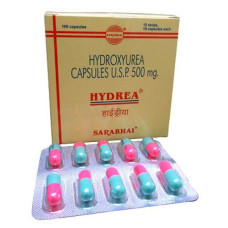
| Hydrea 500 mg compresse | 98.82 € |
Domande frequenti su Melanoma nel 2026
-
È necessaria una ricetta per acquistare Melanoma in farmacia?
-
Quanto costa Melanoma?
-
Posso acquistare Melanoma nella vostra farmacia online?
-
Melanoma è legale in Italia?
-
Quali sono le condizioni di spedizione?
-
Quali metodi di pagamento accettate?
-
Prodotti più popolari in farmacia