


Medications for Malaria
Malaria is a serious infectious disease transmitted by mosquitoes, affecting millions of people worldwide, especially in tropical and subtropical regions. Prompt treatment with appropriate medications is essential to control symptoms, prevent complications, and reduce transmission. Effective pharmacological therapy can significantly improve recovery rates and quality of life, especially when diagnosed early. Understanding the available medications and their proper use helps patients and healthcare providers manage this disease efficiently and safely.
What is Malaria?
Malaria is a parasitic disease caused by Plasmodium species, primarily transmitted through the bite of infected female Anopheles mosquitoes. It mainly affects the liver and red blood cells, leading to symptoms such as fever, chills, and fatigue. The disease can be acute or, in some cases, become chronic if not properly treated, with episodes recurring over time. Early diagnosis and treatment are crucial to prevent severe complications like organ failure or cerebral malaria. The disease remains prevalent in many parts of the world, emphasizing the importance of awareness and timely intervention.
Definition and Main Characteristics of Malaria
Malaria is an infectious disease caused by protozoan parasites of the genus Plasmodium. It is characterized by cyclical episodes of fever, chills, sweating, and malaise, often accompanied by anemia and other systemic symptoms. The disease can range from mild to severe, with the most dangerous forms caused by Plasmodium falciparum. Vulnerable groups include young children, pregnant women, and immunocompromised individuals. The progression depends on the parasite species, immune response, and timeliness of treatment. Without proper management, malaria can lead to life-threatening complications, making effective medication essential.
Causes and Risk Factors of Malaria
The primary cause of malaria is infection with Plasmodium parasites transmitted through mosquito bites. External factors such as living in endemic regions, exposure to mosquito habitats, and lack of protective measures increase risk. Internal factors include genetic predispositions affecting immune response. Environmental conditions like stagnant water and warm climates favor mosquito breeding, elevating infection chances. Lifestyle habits, such as outdoor activities during peak mosquito hours, also contribute. Age and immune status influence susceptibility, with children and pregnant women at higher risk. Recognizing these factors helps in implementing effective prevention strategies.
Factors Contributing to Malaria Development
Several internal and external factors can facilitate the development of malaria. External factors include environmental conditions like standing water, which promotes mosquito breeding, and inadequate use of protective measures such as bed nets. Internal factors involve genetic traits like sickle cell trait, which can influence susceptibility. Lifestyle choices, including outdoor activities during dusk and dawn, increase exposure. Often, multiple causes interact, amplifying the risk. Recognizing these contributors is vital for designing effective prevention and control measures.
| Risk Factor | Description | Probability |
|---|---|---|
| Living in endemic areas | Prolonged exposure to mosquito habitats increases infection chances | High |
| Use of protective measures | Inconsistent use of bed nets or repellents raises risk | Moderate |
| Genetic predisposition | Traits like sickle cell trait can influence susceptibility | Variable |
Symptoms of Malaria
Malaria manifests with a range of symptoms that can vary depending on the stage of infection. Common signs include high fever, chills, sweating, headache, and fatigue. Some individuals may experience nausea, muscle aches, and anemia. The symptoms often occur in cycles, correlating with parasite replication in the blood. Recognizing these early signs is crucial for prompt treatment, which can prevent progression to severe disease. Since symptoms can resemble other illnesses, awareness and timely medical consultation are essential for accurate diagnosis.
Recognizing Early Signs of Malaria
In the initial stages, malaria typically presents with flu-like symptoms such as intermittent fever, chills, and sweating. These signs may be accompanied by headache, weakness, and mild nausea. The cyclical nature of fever spikes helps distinguish malaria from other febrile illnesses. Early detection relies on noticing these patterns and seeking medical advice promptly. Delayed diagnosis can lead to worsening symptoms and complications, underscoring the importance of awareness.
| Symptom Type | Frequency | Estimated Severity | Notes |
|---|---|---|---|
| Fever and chills | Common in early stages | Moderate to severe | Often cyclical |
| Headache | Frequent | Variable | Accompanies fever |
| Nausea and fatigue | Common | Variable | May precede fever |
Diagnosis and When to See a Doctor
Diagnosing malaria involves a combination of clinical evaluation and laboratory tests. Healthcare providers typically perform blood smears to identify parasites and may use rapid diagnostic tests (RDTs) for quick results. It is important not to self-medicate, as only a professional can determine the severity and appropriate treatment. Early diagnosis improves treatment outcomes and reduces the risk of complications. If malaria is suspected, especially after travel to endemic areas, seeking medical attention promptly is essential for effective management.
Diagnostic Tests for Malaria
Common diagnostic methods include microscopic examination of blood smears, which allows parasite identification and quantification. Rapid diagnostic tests (RDTs) detect specific antigens associated with Plasmodium species, providing quick results. Blood tests measuring hemoglobin levels and liver function can help assess disease severity. These tests are crucial for confirming diagnosis and guiding treatment decisions, especially in resource-limited settings. Accurate diagnosis ensures appropriate therapy and monitoring of disease progression.
| Test Type | Purpose | Diagnostic Value |
|---|---|---|
| Blood smear microscopy | Detects and identifies Plasmodium species | High |
| Rapid Diagnostic Tests (RDTs) | Quick detection of malaria antigens | Moderate to high |
| Blood counts and liver function tests | Assess severity and organ involvement | Supportive |
Signs That Require Urgent Medical Attention
If symptoms worsen or new severe signs appear, immediate medical care is necessary. These include persistent high fever, difficulty breathing, seizures, confusion, severe abdominal pain, or signs of organ failure. Any indication of coma, severe anemia, or bleeding warrants urgent intervention. Delaying treatment can lead to life-threatening complications, so prompt medical evaluation is vital when these warning signs occur.
Types of Medications and Treatments
The treatment of malaria depends on the severity of the disease, the Plasmodium species involved, and patient-specific factors such as age and pregnancy status. Mild cases may sometimes be managed with oral medications, while severe cases require hospitalization and intravenous therapy. Always under medical supervision, treatment choices aim to eliminate parasites, alleviate symptoms, and prevent recurrence. Adherence to prescribed regimens is critical for successful recovery and to prevent drug resistance.
Medications for Malaria Treatment
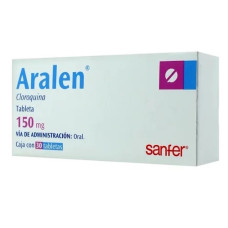
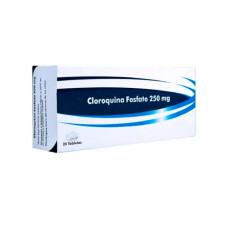
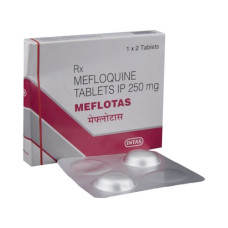
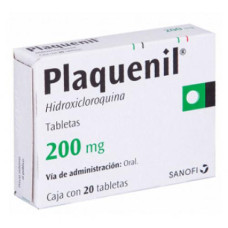
Several classes of drugs are used to treat malaria, including antimalarial agents like chloroquine, artemisinin-based combination therapies (ACTs), and quinine. Each group targets different stages of the parasite's lifecycle. For example, ACTs combine artemisinin derivatives with partner drugs to enhance efficacy. The choice of medication depends on the parasite species, resistance patterns, and patient factors. Proper use of these drugs under medical guidance ensures effective parasite clearance and reduces the risk of resistance development.
| Drug Class | Example Active Ingredient | Therapeutic Goal |
|---|---|---|
| Artemisinin derivatives | Artemisinin, artesunate | Rapid parasite clearance |
| Chloroquine | Chloroquine phosphate | Elimination of blood-stage parasites |
| Quinine and Quinidine | Quinine sulfate | Severe malaria treatment |
Natural Remedies for Malaria
While medications are essential, some natural approaches may help alleviate symptoms or support recovery, such as consuming papaya leaves, bitter herbs, or maintaining hydration with herbal teas. These methods should always be used as complementary measures and under medical supervision. They do not replace standard treatment but can assist in symptom management and overall well-being during recovery.
Forms and Presentations: Tablets, Capsules, Injections
Antimalarial drugs are available in various forms, including tablets, capsules, syrups, topical ointments, and injectable solutions. Tablets and capsules are most common for oral administration, offering convenience and rapid absorption. Injections are used in severe cases requiring hospitalization, providing immediate drug delivery. Topical forms are less common but may be used for supportive care. The choice depends on disease severity, patient age, and clinical setting.
Over-the-Counter (OTC) Medications
For mild symptoms, some OTC medications like acetaminophen or ibuprofen can help reduce fever and discomfort. These should only be used temporarily and alongside medical advice. It is important to monitor symptoms closely; if they persist or worsen, professional medical evaluation is necessary. OTC drugs do not treat the underlying infection but can provide symptomatic relief during early or mild stages.
| Medication Type | When to Use | Notes |
|---|---|---|
| Fever reducers (e.g., acetaminophen) | Mild fever and pain | Symptomatic relief only |
| NSAIDs (e.g., ibuprofen) | Fever, inflammation | Use with caution in certain populations |
Precautions and Side Effects
Even commonly prescribed and safe medications can cause adverse reactions if misused. Following medical instructions carefully minimizes risks. Monitoring for side effects such as nausea, allergic reactions, or liver issues is important. Special caution is needed for vulnerable groups like children, pregnant women, and the elderly. Proper dosing, avoiding alcohol, and regular check-ups help ensure safe treatment and reduce complications.
Most Common Side Effects
Common mild side effects include nausea, dizziness, and skin rashes. Serious adverse reactions, though rare, may involve allergic responses, liver toxicity, or cardiac issues. These are more likely with certain drugs or in predisposed individuals. Recognizing early signs of adverse effects allows prompt medical intervention, preventing severe outcomes.
| Effect Type | Frequency | Severity | Recommendation |
|---|---|---|---|
| Nausea, dizziness | Common | Mild | Report if persistent |
| Allergic reactions | Rare | Severe | Seek immediate care |
| Liver or cardiac issues | Very rare | Serious | Discontinue medication and consult |
Safe Medication Use Tips
- Always follow the prescribed dosage and schedule.
- Avoid alcohol and certain foods that may interact with medications.
- Store medicines in a cool, dry place away from children.
- Attend regular medical check-ups to monitor treatment progress.
- Report any side effects or unusual symptoms promptly.
Using medications responsibly and maintaining regular communication with healthcare providers ensures effective treatment and minimizes risks of adverse effects.
Prevention and Daily Care
Preventive measures and daily habits play a vital role in reducing malaria risk. Using insecticide-treated bed nets, wearing protective clothing, and applying repellents help prevent mosquito bites. Regular health check-ups and prompt treatment of symptoms are essential for early intervention. Maintaining a healthy lifestyle, including proper nutrition and hygiene, supports immune function. Tailoring prevention strategies to individual risk factors enhances overall protection against malaria.
Recommended Habits to Reduce Malaria Risk
Adopting simple daily routines can significantly lower infection chances. These include:
- Consistent use of bed nets, especially during peak mosquito activity hours.
- Wearing long-sleeved clothing and applying insect repellent.
- Eliminating standing water around living areas to reduce mosquito breeding sites.
- Maintaining personal hygiene and avoiding outdoor activities at dusk and dawn.
- Staying informed about local malaria risk levels and following health advisories.
| Prevention Area | Recommended Measures | Main Benefit |
|---|---|---|
| Personal protection | Use of repellents, protective clothing | Reduced mosquito bites |
| Environmental control | Eliminating stagnant water, insecticide spraying | Lower mosquito populations |
| Community awareness | Education campaigns, health monitoring | Early detection and prevention |
Additional Preventive Measures
Secondary prevention includes routine medical check-ups, vaccination where available, and prophylactic medications for travelers to endemic areas. Taking vitamin supplements and following medical advice can strengthen immunity. Adhering to these measures not only reduces malaria risk but also promotes overall health and well-being in the long term.
Prognosis and Recovery
The outlook for malaria patients largely depends on the parasite species, disease severity, and how quickly treatment begins. With prompt and appropriate therapy, most individuals recover fully without long-term effects. Early diagnosis and adherence to treatment protocols are key to favorable outcomes. Maintaining a healthy lifestyle and regular follow-up care further support recovery and prevent recurrence.
Typical Recovery Time
The recovery period varies with disease severity. Mild cases often resolve within a few days to a week after starting treatment. Severe cases may require several weeks, especially if complications arise. Chronic or recurrent malaria may necessitate ongoing monitoring and additional therapy. The table below summarizes typical recovery times:
| Case Type | Average Recovery Time | Comments |
|---|---|---|
| Mild malaria | 3-7 days | Complete recovery expected |
| Severe malaria | 2-4 weeks | May require hospitalization |
| Chronic/recurrent malaria | Variable, ongoing monitoring needed | Long-term management |
Factors Enhancing Prognosis
Several factors contribute to a better prognosis, including early diagnosis, strict adherence to treatment, and good overall health. Access to quality healthcare and supportive care also play crucial roles. Patients who follow medical advice, avoid self-medication, and maintain a healthy lifestyle tend to recover more quickly and fully. Recognizing and managing risk factors effectively reduces the likelihood of complications and recurrence.
- Timely initiation of appropriate therapy
- Adherence to prescribed medication regimens
- Regular follow-up and monitoring
- Healthy diet and adequate hydration
- Managing underlying health conditions
Lifestyle Changes for Better Recovery
Post-treatment, adopting healthy habits can accelerate recovery and prevent future episodes. These include maintaining good hygiene, avoiding mosquito breeding sites, and using protective measures consistently. Ensuring adequate rest, balanced nutrition, and stress management support immune function. Patients are encouraged to stay vigilant for symptoms and seek medical advice promptly if needed. These lifestyle modifications contribute to long-term health and malaria prevention.
Potential Complications
If not properly managed, malaria can lead to serious health issues such as cerebral malaria, organ failure, severe anemia, and respiratory distress. These complications can significantly impair quality of life and may be life-threatening. Preventing such outcomes depends on early diagnosis, effective treatment, and patient compliance. Regular medical follow-up and monitoring are essential to detect and address complications promptly.
| Complication | Frequency | Severity | Prevention |
|---|---|---|---|
| Cerebral malaria | Rare but serious | Life-threatening | Early treatment |
| Organ failure | Uncommon | Severe | Timely medical intervention |
| Severe anemia | Common in untreated cases | Significant health risk | Effective parasite clearance |
With appropriate treatment and ongoing care, most patients recover well and avoid long-term complications.
Frequently Asked Questions about Malaria and Its Treatment
This section addresses common questions patients have regarding malaria, including drug choices, treatment duration, and prevention strategies. The answers are based on current medical guidelines and scientific evidence but are not substitutes for personalized medical advice. Consulting a healthcare professional remains essential for tailored diagnosis and therapy.
Which are the most effective drugs, according to evidence?
Research confirms that artemisinin-based combination therapies (ACTs) are among the most effective treatments for uncomplicated malaria, especially in areas with drug resistance. Examples include artemether-lumefantrine and artesunate-mefloquine, which rapidly reduce parasite load. Other drugs like chloroquine remain effective in regions without resistance. The choice depends on parasite species, resistance patterns, and patient health. Studies show that ACTs significantly improve cure rates and reduce transmission risk, making them the standard of care in many settings.
| Drug Group | Example Active Ingredient | Proven Effectiveness |
|---|---|---|
| Artemisinin derivatives | Artemisinin, artesunate | High efficacy in rapid parasite clearance |
| Chloroquine | Chloroquine phosphate | Effective where resistance is low |
| Quinine | Quinine sulfate | Used for severe cases |
Choosing the right medication depends on parasite resistance, disease severity, and patient factors, emphasizing the importance of medical guidance.
Can treatment be safely managed at home without a doctor?
In mild cases of malaria, some patients may manage symptoms at home with rest, hydration, and over-the-counter medications like acetaminophen. However, it is crucial to seek medical evaluation promptly to confirm diagnosis and determine if prescription medications are needed. Self-treatment without professional oversight risks missing severe complications or incorrect therapy. Continuous monitoring of symptoms is essential, and any worsening should prompt immediate medical attention. Home management should always be under medical supervision to ensure safety and effectiveness.
What is the typical duration of treatment and follow-up?
The length of malaria treatment varies based on disease severity and drug regimen. Mild cases often require 3 to 7 days of medication, while severe cases may need longer hospital-based therapy. Follow-up visits are recommended to confirm parasite clearance and monitor for recurrence. The duration depends on individual response and potential complications. The table below summarizes typical treatment durations:
| Type of Treatment | Estimated Duration | Follow-up Recommendations |
|---|---|---|
| Oral therapy for uncomplicated malaria | 3-7 days | Repeat testing after treatment completion |
| Intravenous therapy for severe malaria | 7-14 days or longer | Continuous monitoring in hospital |
| Long-term management of recurrent malaria | Variable, ongoing monitoring | Regular check-ups and preventive measures |
Each case should be individually evaluated by a healthcare professional to determine the appropriate duration and follow-up plan.
Where to Purchase Malaria Medications
Medications for malaria are available both in physical pharmacies and online stores. It is essential to verify the license and reputation of the seller to ensure the authenticity and quality of the medicines. Avoid counterfeit products by purchasing from trusted sources and checking for proper packaging and expiration dates. All antimalarial drugs are accessible through our authorized online pharmacy in Italy, offering convenience and safety.
Safe Shopping in Our Online Pharmacy
Buying from our licensed online pharmacy offers several advantages, including professional consultation, guaranteed product authenticity, and secure payment options. We ensure strict quality controls, proper storage, and traceability of each batch. Before purchasing, verify the pharmacy’s license, examine the packaging, and confirm the expiration date. Consulting our pharmacists can help clarify any doubts and ensure correct medication use. Our platform also provides easy return policies and customer support for a smooth shopping experience.
Is it possible to buy malaria medications online without a prescription?
All antimalarial drugs can be purchased online without a prescription through our authorized pharmacy in Italy. This allows for easier access, especially in urgent situations or for travelers. However, it is crucial to use these medications responsibly and under medical supervision whenever possible. Proper diagnosis and treatment planning are essential to ensure safety and effectiveness. Patients should provide accurate medical history and follow dosing instructions carefully. Consulting a healthcare professional remains recommended for optimal outcomes.
Shipping Options and Quality Assurance
Our pharmacy offers various shipping methods, including standard, express, and international delivery, to meet different needs. We implement rigorous quality control measures, such as batch traceability, temperature control during transit, and discreet packaging. Each shipment is tracked from dispatch to delivery, ensuring transparency and safety. Customers can monitor their orders and verify product integrity upon receipt. These measures guarantee that medications arrive in optimal condition, supporting effective treatment.
Pricing, Availability, and Discounts in Italian Pharmacies
The cost of malaria medications in Italy varies depending on the drug’s brand or generic status, dosage, form, and whether a prescription is required. Regional differences and pharmacy channels also influence prices. Availability may fluctuate based on demand, seasonality, and stock levels, with some formulations only obtainable upon request. Many pharmacies offer discounts, promotional codes, and loyalty programs to reduce costs. Patients are encouraged to compare prices across different providers and inquire about generic options or special offers. If a specific form or dose is needed, consulting the pharmacist beforehand can facilitate ordering and alternatives.
| Prodotti in farmacia | Prezzo |
|---|---|
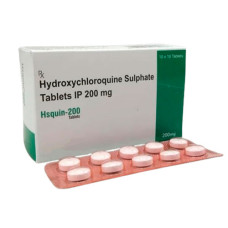
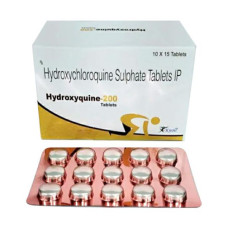
| Hsquin 200/300/400 mg compresse | 37.60 € |
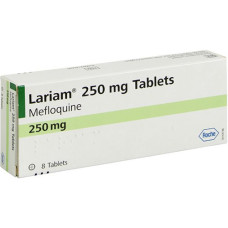
| Lariam 250 mg compresse | 116.31 € |
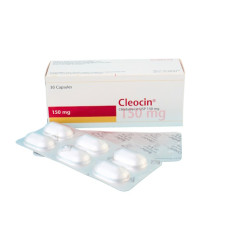
| Cleocin 150 mg compresse | 97.07 € |
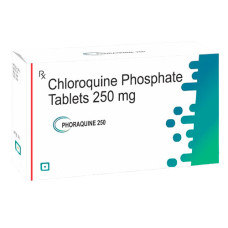
| Clorochina 250/500 mg compresse | 71.71 € |
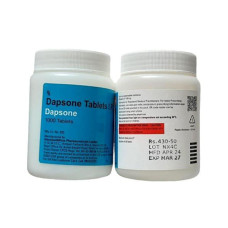
| Dapsone 100 mg compresse | 90.07 € |
Domande frequenti su Malaria nel 2026
-
È necessaria una ricetta per acquistare Malaria in farmacia?
-
Quanto costa Malaria?
-
Posso acquistare Malaria nella vostra farmacia online?
-
Malaria è legale in Italia?
-
Quali sono le condizioni di spedizione?
-
Quali metodi di pagamento accettate?
-
Prodotti più popolari in farmacia