


Medications for Lichen Planus
Lichen planus is a chronic inflammatory condition that affects the skin and mucous membranes, causing itchy, flat-topped, purple or reddish lesions. Managing this condition often requires pharmacological treatment to alleviate symptoms, control inflammation, and prevent complications. Early diagnosis and appropriate medication can significantly improve quality of life by reducing discomfort and preventing disease progression. Medications are tailored based on the severity and location of the lesions, and adherence to prescribed therapy is essential for effective management.
What is Lichen Planus?
Lichen planus is a long-lasting inflammatory disease that primarily affects the skin and mucous membranes, including the inside of the mouth. It manifests as shiny, flat-topped, purple or reddish patches that can be itchy or painful. The condition tends to be chronic, often persisting for months or years, and can recur after periods of remission. Prompt diagnosis is important because untreated lesions may lead to discomfort, secondary infections, or scarring, especially in mucous membranes. Recognizing the signs early allows for timely treatment, which can help control symptoms and prevent complications.
Definition and Main Characteristics of Lichen Planus
Lichen planus is an autoimmune-like disorder characterized by an inflammatory response that targets skin and mucous membranes. Its exact cause remains unknown, but it is believed to involve immune system dysregulation, genetic predisposition, and environmental triggers. The disease presents as papules or plaques with a distinctive lacy pattern called Wickham striae, often accompanied by itching or soreness. It can affect individuals of any age but is more common in middle-aged adults. The severity varies from mild, localized patches to widespread, persistent lesions. Risk groups include those with a history of allergies, hepatitis C infection, or certain medications that may trigger or exacerbate the condition.
Causes and Risk Factors of Lichen Planus
The exact cause of lichen planus is not fully understood, but several factors are believed to contribute to its development. These include immune system abnormalities, genetic predisposition, infections such as hepatitis C, certain medications, and environmental influences. Lifestyle factors like stress, smoking, and alcohol consumption may also play a role in triggering or worsening the disease. Additionally, exposure to dental amalgams or other dental materials has been associated with oral lichen planus. Recognizing these risk factors helps in understanding the disease and implementing preventive measures.
Factors Causing Lichen Planus
- Immune system dysregulation: Autoimmune response attacking skin and mucous membranes.
- Genetic predisposition: Family history increases susceptibility.
- Infections: Hepatitis C virus has been linked to oral and skin lichen planus.
- Medications: Certain drugs like beta-blockers, NSAIDs, and antihypertensives may trigger or worsen the condition.
- Environmental factors: Stress, smoking, and alcohol intake can contribute to disease onset or exacerbation.
Understanding these factors is crucial for adopting preventive strategies and reducing disease risk.
Symptoms of Lichen Planus
Lichen planus presents with a variety of symptoms depending on the affected area. Common signs include itchy, flat-topped, shiny, purple or reddish papules or plaques, often with a characteristic lacy pattern called Wickham striae. In the mouth, it appears as white, lacy patches or erosions that can cause soreness or burning sensations. Skin lesions are usually asymptomatic but can be intensely itchy. The symptoms may vary in intensity and can worsen during flare-ups. Early recognition of these signs is important for prompt treatment and to prevent discomfort or secondary infections.
How to Recognize Early Signs of Lichen Planus
In the initial stages, patients may notice small, itchy, purple or reddish bumps on the skin, often with a shiny appearance. Oral lichen planus may present as white, lacy patches or painful erosions inside the mouth. These symptoms can resemble other skin or oral conditions, so professional evaluation is essential. Early signs are often persistent and may worsen with stress or certain triggers. Recognizing these early symptoms allows for timely intervention, reducing the risk of complications and improving treatment outcomes.
Diagnosis and When to See a Doctor
Diagnosis of lichen planus involves a clinical examination by a healthcare professional, often supported by biopsy and laboratory tests. The doctor will assess the appearance, distribution, and symptoms of the lesions, and may perform a skin or mucous membrane biopsy to confirm the diagnosis. It is important not to self-medicate, as inappropriate treatment can worsen the condition or delay proper management. Early consultation with a specialist ensures accurate diagnosis and appropriate therapy, which can significantly improve prognosis and quality of life.
Diagnostic Tests and Methods for Lichen Planus
| Type of Test | Purpose | Diagnostic Value |
|---|---|---|
| Clinical Examination | Visual assessment of skin and mucous lesions | High for typical presentations; guides further testing |
| Biopsy | Histopathological confirmation | Definitive diagnosis; distinguishes from other conditions |
| Blood Tests | Detect associated infections (e.g., hepatitis C) | Supports diagnosis; rules out other causes |
Signs Requiring Urgent Medical Attention
If symptoms worsen suddenly, such as severe pain, extensive erosions, bleeding, signs of secondary infection, or if there are systemic symptoms like fever, immediate medical care is necessary. Persistent or rapidly spreading lesions, difficulty swallowing, or suspicion of malignant transformation in oral lesions also warrant urgent evaluation. Delaying treatment in these cases can lead to complications, including scarring or increased risk of oral cancer. Prompt intervention is essential to prevent serious health issues.
Types of Medications and Treatments
The treatment of lichen planus depends on the severity, location, and symptoms. Mild cases may respond to topical therapies, while more severe or widespread disease might require systemic medications. Always under medical supervision, treatment options include topical corticosteroids, immunomodulators, and sometimes systemic drugs. Proper management aims to reduce inflammation, control symptoms, and prevent complications. Lifestyle modifications and regular follow-up are also important components of comprehensive care.
Medications for Lichen Planus
| Type of Drug | Example of Active Ingredient | Therapeutic Purpose |
|---|---|---|
| Topical Corticosteroids | Clobetasol, Betamethasone | Reduce inflammation and itching |
| Immunomodulators | Tacrolimus, Pimecrolimus | Suppress immune response in mucous membranes |
| Systemic Corticosteroids | Prednisone | Control severe or widespread disease |
| Retinoids | Acitretin | Modulate skin cell growth and immune response |
Natural Remedies for Lichen Planus
Complementary approaches such as aloe vera gel, chamomile mouth rinses, and turmeric supplements may help soothe symptoms. Maintaining good oral hygiene and avoiding irritants like spicy or acidic foods can also provide relief. However, these natural remedies should be used as adjuncts to prescribed treatments and always under medical supervision. They are not substitutes for professional medical care but can support overall comfort and healing.
Common Forms and Presentations: Tablets, Pills, Capsules
Medications for lichen planus are often available in various forms, including tablets, capsules, topical ointments, and injections. Tablets and capsules are convenient for systemic therapy, providing longer-lasting effects, while topical formulations deliver targeted relief directly to affected areas. Injections may be used in severe cases or when rapid response is needed. Each form offers specific advantages, such as ease of use or localized action, tailored to the patient's needs.
Over-the-Counter (OTC) Medications
For mild symptoms, OTC options like corticosteroid creams, antihistamines, or mouth rinses can provide temporary relief. These products are suitable for short-term use but should not replace professional evaluation if symptoms persist or worsen. It is important to follow instructions carefully and consult a healthcare provider if there is no improvement within a few days. Using OTC medications responsibly helps manage mild discomfort while awaiting medical advice.
Precautions and Side Effects
Even commonly prescribed medications can cause adverse reactions if misused. Following the healthcare provider’s instructions minimizes risks and ensures safe treatment. Monitoring for side effects such as skin thinning, infections, or systemic symptoms is important. Special caution is advised for vulnerable groups like children, pregnant women, elderly, or those with chronic illnesses. Regular follow-up helps detect and manage any adverse effects early, ensuring optimal safety.
Most Common Side Effects
| Type of Effect | Frequency | Severity | Recommendations |
|---|---|---|---|
| Skin irritation, dryness | Common | Mild | Use moisturizer; avoid overuse |
| Allergic reactions (rash, swelling) | Rare | Severe | Seek immediate medical attention |
| Liver or kidney issues (with systemic drugs) | Uncommon | Serious | Regular blood tests as prescribed |
Safe Medication Use Tips
- Follow prescribed dosages and schedules strictly.
- Avoid alcohol and certain foods if advised by your doctor.
- Store medications in a cool, dry place away from children.
- Attend regular follow-up appointments for monitoring.
- Report any side effects or unusual symptoms promptly.
Responsible medication use and ongoing medical supervision are key to achieving the best outcomes and minimizing risks.
Prevention and Daily Care
Implementing daily preventive measures and maintaining good health habits are vital in managing lichen planus. Regular medical check-ups, avoiding known triggers, and adopting a healthy lifestyle can reduce flare-ups and complications. Promptly addressing early symptoms helps control the disease effectively. Tailoring prevention strategies to individual risk factors, such as age, gender, and overall health, enhances their effectiveness. Consistent care and vigilance are essential for long-term disease control.
Recommended Habits to Reduce Risk of Lichen Planus
Adopting a balanced diet rich in fruits and vegetables, avoiding tobacco and excessive alcohol, practicing good oral hygiene, managing stress through relaxation techniques, and ensuring adequate rest can lower the likelihood of developing or recurring lichen planus. Regular exercise and avoiding known irritants further support immune health. These lifestyle changes contribute to overall well-being and may decrease disease activity.
| Area of Prevention | Recommended Measures | Main Benefit |
|---|---|---|
| Diet | Eat antioxidant-rich foods, limit spicy or acidic items | Reduce mucosal irritation and inflammation |
| Stress Management | Practice relaxation, meditation, or yoga | Lower immune system triggers |
| Oral Hygiene | Regular brushing, flossing, dental check-ups | Prevent secondary infections |
Additional Preventive Measures
Secondary prevention includes routine medical evaluations, vaccination against hepatitis C if indicated, and supplementation with vitamins such as folic acid or vitamin D. Following medical advice on medication use and lifestyle modifications can help maintain remission and prevent relapses. These measures contribute to overall health and support long-term disease management.
Prognosis and Recovery
The outlook for individuals with lichen planus varies depending on the disease's extent, location, and how early treatment begins. With appropriate therapy, most patients experience significant symptom relief and remission. Adherence to treatment plans and lifestyle adjustments can accelerate healing and reduce recurrences. Regular follow-up ensures monitoring of disease activity and early intervention if needed. Overall, a proactive approach improves prognosis and quality of life.
Typical Recovery Time
| Type of Case | Average Recovery Time | Follow-up Recommendations |
|---|---|---|
| Mild localized lesions | Few days to weeks | Periodic assessments every 3-6 months |
| Severe or widespread disease | Several weeks to months | Regular specialist visits for ongoing management |
Chronic cases may require long-term monitoring to achieve sustained remission, with some patients experiencing intermittent flare-ups.
Factors Enhancing Prognosis
- Early diagnosis and prompt initiation of treatment
- Adherence to prescribed therapy and lifestyle recommendations
- Effective management of triggers and comorbidities
- Regular follow-up and monitoring
These factors significantly increase the chances of complete healing or long-term remission, reducing the risk of recurrences.
Lifestyle Changes for Better Outcomes
Patients should adopt healthy habits such as maintaining good oral and skin hygiene, avoiding known irritants, managing stress effectively, and following a balanced diet. Quitting smoking and limiting alcohol intake can also improve immune function. These lifestyle modifications support faster healing and help prevent disease recurrence. Consistent self-care combined with medical treatment is key to controlling lichen planus effectively.
Potential Complications
If left untreated or poorly managed, lichen planus can lead to complications such as persistent discomfort, secondary bacterial or fungal infections, scarring, and in some cases, malignant transformation, especially in oral lesions. These issues can significantly impair quality of life and may require more aggressive interventions. Preventing complications depends on timely diagnosis, adherence to treatment, and regular medical follow-up. With proper management, most patients avoid long-term adverse effects.
| Complication | Frequency | Severity | Prevention |
|---|---|---|---|
| Secondary infections | Common | Mild to moderate | Maintain hygiene, treat lesions promptly |
| Scarring and pigmentation changes | Variable | Potentially disfiguring | Early treatment, avoid trauma |
| Malignant transformation (oral) | Rare | Serious | Regular monitoring, biopsy of suspicious lesions |
With comprehensive care, most patients recover well and avoid serious long-term complications.
Frequently Asked Questions about Lichen Planus and Its Treatment
This section addresses common questions patients have regarding lichen planus, including medication choices, treatment duration, and lifestyle considerations. The information provided is based on current medical guidelines and scientific evidence but does not replace personalized advice from healthcare professionals. Consulting a specialist ensures tailored management and optimal outcomes.
Which are the most effective drugs, according to evidence?
Clinical studies have confirmed the efficacy of topical corticosteroids like clobetasol and betamethasone in reducing inflammation and alleviating symptoms. Immunomodulators such as tacrolimus and pimecrolimus are effective in managing mucous membrane lesions, especially when steroids are contraindicated. Systemic corticosteroids like prednisone are reserved for severe cases, providing rapid symptom control. Retinoids, including acitretin, may be used in resistant or extensive disease. The choice of medication depends on disease severity, location, and patient-specific factors, with evidence supporting their use in improving clinical outcomes.
Is safe home treatment possible without a doctor’s prescription?
For mild lichen planus, some measures like maintaining good oral hygiene, avoiding irritants, and using over-the-counter topical corticosteroids can provide relief. However, it is essential to monitor symptoms closely and seek medical advice if there is no improvement or if symptoms worsen. Self-treatment should not replace professional evaluation, especially in cases of extensive or persistent lesions. Proper diagnosis and tailored therapy are crucial for effective management and to prevent complications.
What is the typical duration of treatment and follow-up?
| Type of Treatment | Estimated Duration | Recommended Follow-up |
|---|---|---|
| Topical therapy for mild cases | 2-4 weeks | Every 3-6 months |
| Systemic therapy for severe cases | Several months, depending on response | Regular monitoring every 1-3 months |
The duration varies based on disease severity and response, with some patients requiring long-term management to maintain remission.
Each case should be individually evaluated by a healthcare professional to determine the appropriate treatment length and follow-up schedule.
Where to Purchase Medications for Lichen Planus
Medications for lichen planus are available both in pharmacies and online stores. It is important to verify the license and reputation of the pharmacy to ensure the authenticity and quality of the medicines. Avoid purchasing from unverified sources to prevent counterfeit products. All medications for lichen planus are accessible through our authorized online pharmacy in Italy, offering convenience and safety.
Safe Shopping in Our Online Pharmacy
Buying from our licensed online pharmacy offers several advantages, including professional consultation, guaranteed product quality, and secure transactions. Always check the pharmacy’s license, verify the packaging, expiration date, and consult the pharmacist if you have any doubts. Our platform ensures proper storage and handling of medicines, with traceability of batches and secure delivery options. These precautions help ensure you receive genuine products safely.
Can Medications Be Purchased Online Without a Prescription?
All medications for lichen planus can be purchased online without a prescription through our authorized pharmacy. However, it is essential to have a proper diagnosis and follow medical advice for effective treatment. When buying online, ensure the platform is licensed, check product authenticity, and avoid unverified sources. Self-medicating without professional guidance can lead to ineffective treatment or adverse effects. Always prioritize safety and consult a healthcare professional if unsure.
Shipping Options and Quality Assurance
Our pharmacy offers various shipping methods, including standard, express, and international delivery, to meet your needs. We implement strict quality control measures such as batch traceability, temperature control during transit, discreet packaging, and shipment tracking. These procedures ensure that your medicines arrive safely and in optimal condition. Consider these factors when choosing your delivery option to ensure a reliable and secure purchase experience.
Price, Availability, and Discounts in Italian Pharmacies
The cost of medications for lichen planus in Italy varies depending on the drug’s brand or generic version, dosage, form (tablets, capsules, ointments), and whether a prescription is required. Availability can fluctuate based on regional supply, demand, and seasonal factors. Many pharmacies offer discounts, coupons, and loyalty programs that can make treatments more affordable. Comparing prices between physical and online pharmacies, and asking pharmacists about ongoing promotions, can help you find the best deal. If a specific formulation or dose is needed, inquire in advance about ordering options or suitable alternatives to ensure timely access to your medication.
| Prodotti in farmacia | Prezzo |
|---|---|
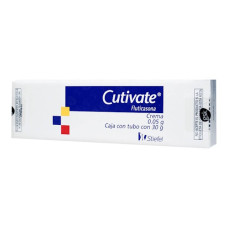
| Cutivate | 0.00 € |
Domande frequenti su Lichen planus nel 2026
-
È necessaria una ricetta per acquistare Lichen planus in farmacia?
-
Quanto costa Lichen planus?
-
Posso acquistare Lichen planus nella vostra farmacia online?
-
Lichen planus è legale in Italia?
-
Quali sono le condizioni di spedizione?
-
Quali metodi di pagamento accettate?