


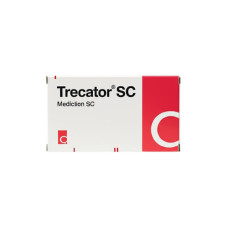
Medications for Leprosy
Leprosy, also known as Hansen's disease, is a chronic infectious condition caused by the bacteria Mycobacterium leprae. It primarily affects the skin, peripheral nerves, mucous membranes, and eyes. Early diagnosis and appropriate pharmacological treatment are crucial to prevent nerve damage, deformities, and transmission. Modern multidrug therapy (MDT) has significantly improved outcomes, making it possible to cure the disease and reduce its spread. Timely intervention not only alleviates symptoms but also helps maintain quality of life for affected individuals.
What is Leprosy?
Leprosy is a long-lasting bacterial infection that mainly targets the skin and nerves. It develops slowly, often over years, and can lead to skin lesions, numbness, and muscle weakness if untreated. The disease is more common in tropical and subtropical regions but can occur anywhere. Diagnosing leprosy early is vital to prevent irreversible nerve damage and disabilities. Although curable, if left untreated, it can cause significant physical and social consequences, emphasizing the importance of prompt medical attention.
Definition and Main Characteristics of Leprosy
Leprosy is a chronic infectious disease caused by Mycobacterium leprae. It progresses slowly, often over several years, and manifests through skin lesions, nerve damage, and loss of sensation. The disease is classified into paucibacillary and multibacillary forms, depending on bacterial load, with multibacillary being more severe. It primarily affects individuals with compromised immune systems or those living in endemic areas. The severity and progression depend on early detection and treatment, with risk groups including close contacts of infected persons and those with weakened immunity.
- Type: Chronic bacterial infection
- Progression: Slow, over years
- Severity: Varies from mild skin lesions to severe nerve damage
- Risk groups: Close contacts, immunocompromised individuals
Causes and Risk Factors of Leprosy
Leprosy is caused by the transmission of Mycobacterium leprae, primarily through respiratory droplets from untreated patients. Factors increasing susceptibility include genetic predisposition, poor living conditions, and close contact with infected individuals. Environmental factors such as overcrowding and inadequate sanitation also contribute. Age and immune status influence disease development, with children and immunocompromised persons at higher risk. Recognizing these factors is essential for implementing preventive measures and reducing disease spread.
| Risk Factor | Description | Probability |
|---|---|---|
| Close contact with infected person | Transmission via respiratory droplets | High in endemic areas |
| Poor sanitation and overcrowding | Facilitates bacterial spread | Moderate to high |
| Genetic predisposition | Increased susceptibility in certain populations | Variable |
Factors Contributing to Leprosy Development
The development of leprosy involves a combination of internal and external factors. Internally, genetic factors can influence immune response, making some individuals more prone to infection. Externally, environmental conditions such as poor hygiene, overcrowding, and exposure to infected individuals increase risk. Stress and malnutrition can weaken immune defenses, facilitating bacterial proliferation. Often, multiple factors act together, amplifying the likelihood of disease onset. Recognizing these contributors helps in designing effective prevention strategies.
| Factor Type | Example | Mechanism of Influence |
|---|---|---|
| Genetic | Family history | Reduced immune response |
| Environmental | Overcrowded living conditions | Increased exposure |
| Behavioral | Poor hygiene | Facilitates bacterial transmission |
Symptoms of Leprosy
Leprosy manifests with skin lesions, numbness, and muscle weakness. Early signs include pale or reddish skin patches that may be numb and lack sensation, often mistaken for other skin conditions. As the disease progresses, nerve damage can cause loss of sensation, leading to injuries and deformities. Symptoms can vary depending on the form and stage of the disease, making early recognition vital. Prompt treatment can halt progression and prevent disabilities, emphasizing the importance of awareness.
Recognizing Early Signs of Leprosy
In the initial stages, common symptoms include skin patches that are lighter or darker than surrounding skin, with decreased sensation. Patients may notice numbness or tingling, especially in the hands and feet. Sometimes, nerve thickening or swelling occurs, accompanied by muscle weakness. These signs are often subtle and can be confused with other dermatological conditions. Early detection through clinical examination and skin smears is essential for effective management and preventing irreversible damage.
| Symptom Type | Frequency | Estimated Severity | Notes |
|---|---|---|---|
| Skin patches with loss of sensation | Common | Variable | Early indicator |
| Nerve thickening | Less frequent | Moderate | Sign of nerve involvement |
| Muscle weakness | Variable | Potentially severe | Progressive if untreated |
Diagnosis and When to Consult a Doctor
Diagnosis of leprosy involves a thorough clinical examination, including skin and nerve assessment, supported by laboratory tests such as skin smears and biopsies. It is crucial not to self-diagnose or attempt treatment without medical guidance. Early consultation with a healthcare professional ensures accurate diagnosis and appropriate therapy. Recognizing symptoms early improves treatment outcomes and reduces the risk of complications. If you notice persistent skin changes or numbness, seek medical advice promptly.
Diagnostic Tests and Methods for Leprosy
Diagnosis relies on clinical evaluation, supported by laboratory investigations. Skin smears stained for acid-fast bacilli help confirm bacterial presence. Skin biopsies can reveal characteristic granulomatous inflammation and bacterial load. Serological tests are less specific but may assist in certain cases. Nerve conduction studies can evaluate nerve damage severity. Combining clinical and laboratory findings ensures accurate diagnosis and guides treatment planning.
| Test Type | Purpose | Diagnostic Value |
|---|---|---|
| Skin smear | Detect bacteria | High in multibacillary cases |
| Skin biopsy | Histopathological confirmation | High |
| Nerve conduction study | Assess nerve damage | Variable |
Warning Signs Requiring Urgent Medical Attention
If you experience sudden worsening of skin lesions, severe nerve pain, loss of sensation, or signs of secondary infections such as fever or abscesses, seek immediate medical care. Rapid progression can lead to irreversible nerve damage and disabilities. Also, if new skin lesions appear or existing ones enlarge despite treatment, consult your doctor promptly. Early intervention in these situations can prevent serious complications and improve prognosis.
Types of Medications and Treatments
Leprosy treatment involves a combination of antibiotics tailored to disease severity, duration, and patient factors. The goal is to eliminate bacteria, prevent nerve damage, and avoid transmission. Treatment regimens are prescribed by healthcare professionals and typically last from six months to a year. In some cases, adjunct therapies such as corticosteroids are used to manage nerve inflammation. Self-medication is not recommended, as improper treatment can lead to drug resistance and worsening outcomes.
Medications for Leprosy Treatment
The main groups of drugs used include:
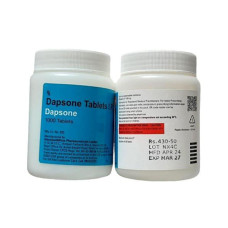
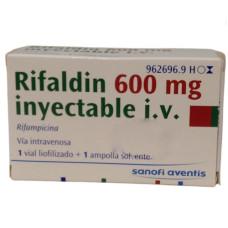
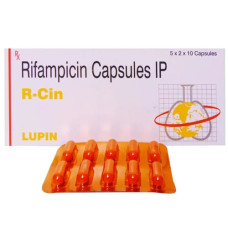
- Antibiotics: Rifampicin, dapsone, and clofazimine are the cornerstone of therapy, targeting bacterial eradication.
- Immunomodulators: Corticosteroids may be prescribed to reduce nerve inflammation and prevent disabilities.
- Supportive drugs: Pain relievers and physiotherapy aid in managing symptoms and maintaining function.
| Drug Group | Example Active Ingredient | Therapeutic Purpose |
|---|---|---|
| Antibiotics | Rifampicin | Bacterial eradication |
| Antibiotics | Dapsone | Inhibit bacterial growth |
| Antibiotics | Clofazimine | Reduce bacterial load and skin lesions |
Natural Remedies for Leprosy
While pharmacological treatment remains essential, some natural approaches may help alleviate symptoms. These include maintaining good skin hygiene, applying soothing herbal ointments, and ensuring adequate nutrition to support immune health. Herbal remedies like turmeric or neem may have anti-inflammatory properties, but their use should always be under medical supervision. Remember, these methods are complementary and do not replace prescribed medications. Always consult your healthcare provider before trying any natural therapies.
Forms and Presentations: Tablets, Capsules, Liquids
Medications for leprosy are available in various forms, including tablets, capsules, topical ointments, and injectable preparations. Tablets and capsules are convenient for systemic therapy, offering controlled dosing and ease of use. Topical ointments are used for skin lesions, providing localized relief. Injectable forms may be necessary in severe cases or for specific drugs. Each form has advantages, such as rapid absorption or targeted application, tailored to patient needs and treatment protocols.
Over-the-Counter (OTC) Medications
For mild symptoms like skin irritation or discomfort, OTC options such as analgesics, antihistamines, or topical creams can provide relief. Examples include paracetamol for pain and antihistamines for allergic reactions. However, these do not treat the underlying infection. It is important to consult a healthcare professional if symptoms persist or worsen, as leprosy requires specific antibiotic therapy. OTC medications should only be used as adjuncts and not as substitutes for medical treatment.
Precautions and Side Effects
Even commonly prescribed medications can cause adverse reactions if misused. Following the prescribed dosage and duration minimizes risks. Monitoring for side effects like nausea, allergic reactions, or liver issues is essential. Special caution is needed for vulnerable groups such as children, pregnant women, and the elderly. Communicating any unusual symptoms to your doctor helps prevent complications. Proper management and adherence to medical advice are key to safe and effective treatment.
Most Common Side Effects
Common mild side effects include nausea, dizziness, and skin rashes. Serious adverse reactions, though rare, can involve allergic responses, liver toxicity, or blood disorders. For example, dapsone may cause hemolytic anemia in some patients, especially those with G6PD deficiency. Recognizing these signs early allows prompt medical intervention. Regular follow-up and blood tests are recommended during treatment to detect and manage side effects effectively.
| Effect Type | Frequency | Severity | Recommendation |
|---|---|---|---|
| Nausea, dizziness | Common | Mild | Monitor and adjust dose if needed |
| Allergic reactions | Rare | Severe | Seek immediate medical help |
| Liver toxicity | Uncommon | Serious | Regular liver function tests |
Safe Medication Use Tips
- Always follow the prescribed dose and schedule.
- Avoid alcohol and certain foods that may interact with medications.
- Store medicines in a cool, dry place away from children.
- Do not stop medication without consulting your doctor, even if symptoms improve.
- Attend regular follow-up appointments for monitoring.
Adhering to these practices ensures safe treatment and reduces the risk of adverse effects or resistance development.
Prevention and Daily Care
Preventive measures and daily habits play a vital role in managing and reducing the risk of leprosy. Regular medical check-ups, good personal hygiene, and prompt attention to skin changes are essential. Maintaining a healthy lifestyle, including balanced nutrition and stress management, supports immune function. Early detection of symptoms allows for timely treatment, preventing complications. Tailoring prevention strategies based on age, health status, and exposure risk enhances effectiveness.
Recommended Habits to Reduce Leprosy Risk
Adopting healthy lifestyle habits can significantly lower the chances of developing leprosy or experiencing recurrence. These include:
- Maintaining proper hygiene and skin care routines.
- Eating a balanced diet rich in vitamins and minerals.
- Engaging in regular physical activity to boost immunity.
- Avoiding overcrowded and unsanitary living conditions.
- Practicing good respiratory hygiene and avoiding contact with untreated cases.
| Prevention Area | Recommended Measures | Main Benefit |
|---|---|---|
| Hygiene | Regular washing and skin care | Reduces bacterial load |
| Nutrition | Balanced diet with vitamins | Strengthens immune system |
| Living conditions | Adequate sanitation and ventilation | Decreases exposure risk |
Additional Preventive Measures
Secondary prevention includes routine health screenings, vaccination (if applicable), and nutritional supplementation. Regular follow-up visits help monitor for early signs of relapse or complications. In endemic areas, chemoprophylaxis may be considered for high-risk contacts. Adhering to medical advice and maintaining a healthy lifestyle contribute to long-term well-being and disease control. These measures collectively help reduce disease incidence and improve quality of life.
Prognosis and Recovery
The outlook for leprosy patients depends on the disease form, stage at diagnosis, and treatment adherence. Early and complete therapy usually results in a favorable prognosis, with most individuals recovering fully. Delayed treatment increases the risk of nerve damage and disabilities. Maintaining a healthy lifestyle and following medical recommendations accelerate recovery and prevent relapses. With proper management, long-term complications can often be avoided, ensuring better quality of life.
Typical Recovery Time
The recovery period varies based on disease severity. Mild cases may resolve within a few weeks, while more severe or longstanding cases can take several months. For example, skin lesions often improve within 6-12 months of treatment, but nerve damage may require ongoing rehabilitation. Chronic cases may need continuous monitoring and supportive care. The table below summarizes typical recovery times:
| Case Type | Average Recovery Time | Comments |
|---|---|---|
| Mild leprosy | Few weeks to months | Rapid response to therapy |
| Severe or longstanding cases | Several months to a year | May require ongoing rehabilitation |
Factors Enhancing Prognosis
- Early diagnosis and prompt initiation of therapy
- Adherence to prescribed treatment regimens
- Regular follow-up and monitoring
- Good nutritional status and overall health
- Effective management of nerve inflammation and complications
These factors significantly increase the likelihood of complete recovery and reduce the risk of long-term disabilities.
Lifestyle Changes for Better Outcomes
Adopting healthy habits can support recovery and prevent recurrences. These include maintaining good personal hygiene, avoiding stress, ensuring adequate rest, and following a balanced diet. Avoiding exposure to untreated cases and adhering to medical advice are also crucial. Lifestyle modifications that promote immune health and skin integrity contribute to faster healing and overall well-being.
Potential Complications
If leprosy remains untreated or poorly managed, it can lead to serious complications such as nerve damage, deformities, secondary infections, and loss of sensation. These issues can impair mobility and quality of life. Preventing complications depends on early diagnosis, consistent treatment, and active patient participation. Regular medical follow-up allows for early detection and management of adverse effects, minimizing long-term consequences. With appropriate care, most patients can avoid severe disabilities and maintain functional independence.
| Complication | Frequency | Severity | Prevention |
|---|---|---|---|
| Nerve damage and deformities | Common in untreated cases | Severe | Early treatment and nerve protection |
| Secondary infections | Possible if skin integrity is compromised | Moderate to severe | Proper skin care and hygiene |
| Disabilities and social stigma | Variable | Severe | Rehabilitation and social support |
With effective management and ongoing care, most patients recover well and avoid long-term disabilities.
Frequently Asked Questions about Leprosy and Its Treatment
This section addresses common questions patients have regarding leprosy, from medication choices to treatment duration. Understanding these aspects helps in managing expectations and ensuring adherence to therapy. It is important to remember that while general information is helpful, individual cases require personalized medical advice. Always consult a healthcare professional for specific concerns or symptoms.
Which are the most effective drugs, based on evidence?
Clinical studies have confirmed the efficacy of multidrug therapy (MDT), which combines rifampicin, dapsone, and clofazimine. These drugs work synergistically to eliminate bacteria, reduce transmission, and prevent resistance. Rifampicin is highly bactericidal, while dapsone inhibits bacterial growth, and clofazimine has anti-inflammatory and antimicrobial properties. The combination therapy has proven to be highly effective in curing leprosy, with cure rates exceeding 95% when adhered to properly. The choice of drugs depends on disease severity and bacterial load, with regimens tailored accordingly.
Is it possible to treat at home safely without a doctor?
In mild cases, some aspects of leprosy management, such as skin hygiene and symptom relief with over-the-counter medications, can be performed at home. However, specific antibiotic therapy must always be prescribed and monitored by a healthcare professional. Self-treatment without medical supervision risks inadequate therapy, drug resistance, and disease progression. Regular medical follow-up ensures proper management and reduces complications. Patients should seek medical advice promptly if symptoms worsen or new signs appear.
What is the typical duration of treatment and follow-up?
The duration of therapy varies from six months to a year, depending on disease severity and response. Follow-up visits are essential to monitor treatment efficacy, manage side effects, and detect relapses early. For example, paucibacillary leprosy may require shorter courses, while multibacillary forms need longer regimens. The table below summarizes typical durations:
| Type of Treatment | Estimated Duration | Follow-up Frequency |
|---|---|---|
| Paucibacillary leprosy | 6-9 months | Every 3 months |
| Multibacillary leprosy | 12-24 months | Every 3-6 months |
Each case should be individually evaluated by a healthcare provider to determine the optimal treatment plan.
Where to Buy Leprosy Medications
Medications for leprosy are available both in pharmacies and online stores. It is essential to purchase from licensed and reputable sources to ensure medication quality and authenticity. Avoid counterfeit products, which can compromise treatment effectiveness and safety. Our online pharmacy offers all necessary drugs for leprosy, with verified quality and secure purchasing options. Always verify the license and credentials of the seller before making a purchase.
Safe Shopping in Our Online Pharmacy
Buying from our authorized online pharmacy provides several advantages, including professional consultation, guaranteed product authenticity, and secure payment options. We ensure proper packaging, discreet shipping, and traceability of each order. To ensure a safe purchase, check the pharmacy’s license, review product labels, and confirm expiration dates. Consulting our pharmacists can help clarify any doubts and guide you through the treatment process.
Can Medications Be Purchased Online Without a Prescription?
All medications for leprosy can be purchased online without a prescription through our pharmacy, in accordance with Italian regulations. However, it is strongly recommended to obtain a proper diagnosis and prescription from a healthcare professional before starting therapy. This ensures the correct medication, dosage, and duration, reducing the risk of resistance and adverse effects. Always verify the legitimacy of the online pharmacy, and avoid unverified sources to prevent counterfeit products. Proper medical guidance is essential for effective and safe treatment.
Shipping Options and Quality Assurance
We offer various shipping methods, including standard, express, and international delivery, to meet your needs. Each shipment is carefully tracked, with batch and lot number monitoring to ensure quality. Packaging is discreet and secure, with measures to maintain medication stability during transit. We adhere to strict quality control protocols, including temperature regulation and tamper-proof packaging, to guarantee that your medications arrive in optimal condition. Transparency and reliability are our priorities to ensure your safety and satisfaction.
Pricing, Availability, and Discounts in Italy
The cost of leprosy medications in Italy varies based on factors such as brand versus generic, dosage, form (tablets, capsules, liquids), and whether a prescription is required. Availability may fluctuate depending on regional supply, demand, and seasonal factors. Many pharmacies offer discounts, coupons, and loyalty programs that can reduce costs. It is advisable to compare prices across different outlets and inquire about ongoing promotions. If a specific formulation or strength is needed, consult your pharmacist for alternatives or special ordering options. Taking advantage of discounts and generic options can make treatment more affordable without compromising quality.
| Prodotti in farmacia | Prezzo |
|---|---|
| Dapsone 100 mg compresse | 90.07 € |
| Rifaldin | 0.00 € |
| Rifampicina | 0.00 € |
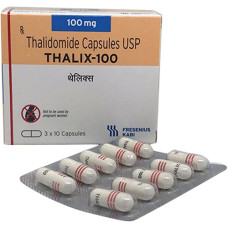
| Thalix | 0.00 € |
| Trecator-SC | 0.00 € |
Domande frequenti su Lebbra nel 2026
-
È necessaria una ricetta per acquistare Lebbra in farmacia?
-
Quanto costa Lebbra?
-
Posso acquistare Lebbra nella vostra farmacia online?
-
Lebbra è legale in Italia?
-
Quali sono le condizioni di spedizione?
-
Quali metodi di pagamento accettate?
-
Prodotti più popolari in farmacia