


Medications for Hyponatremia
Hyponatremia is a condition characterized by low sodium levels in the blood, which can lead to symptoms like nausea, confusion, and in severe cases, seizures or coma. Proper treatment is essential to restore sodium balance and prevent complications. Medications play a crucial role in managing hyponatremia, especially when caused by underlying health issues or rapid sodium loss. Early diagnosis and appropriate pharmacological intervention can significantly improve patient outcomes and quality of life. Scientific studies highlight that tailored therapy based on the severity and cause of hyponatremia yields the best results, reducing risks associated with both under- and over-treatment.
What is Hyponatremia?
Hyponatremia occurs when the sodium concentration in the blood drops below normal levels, typically less than 135 mmol/L. It primarily affects the body's fluid balance, involving organs like the kidneys and brain. The condition can develop acutely or chronically, with symptoms ranging from mild discomfort to life-threatening complications. Timely diagnosis is vital because severe hyponatremia can cause brain swelling and neurological damage. Recognizing early signs allows for prompt treatment, reducing the risk of long-term consequences and improving recovery prospects.
Definition and Main Characteristics of Hyponatremia
Hyponatremia is a disorder characterized by abnormally low sodium levels in the bloodstream, often resulting from excessive water retention or sodium loss. Causes include conditions like heart failure, kidney disease, or certain medications. The progression can be rapid or gradual, with severity varying from mild symptoms to severe neurological impairment. Risk groups include elderly individuals, those with chronic illnesses, and patients on diuretics. The disease's impact depends on the rate of sodium decline and the underlying cause, necessitating personalized treatment strategies.
| Characteristic | Description |
|---|---|
| Type | Electrolyte disorder involving low sodium levels |
| Onset | Acute or chronic |
| Severity | Range from mild to life-threatening |
| Risk groups | Elderly, chronic illness patients, diuretic users |
Causes and Risk Factors of Hyponatremia
Hyponatremia can result from various internal and external factors. Main causes include excessive fluid intake, certain medications, hormonal imbalances, and underlying health conditions. External factors such as prolonged sweating, diarrhea, or excessive water consumption can also contribute. Age-related decline in kidney function and chronic illnesses increase susceptibility. Recognizing these risk factors is essential for prevention and early intervention.
- Infections and dehydration
- Use of diuretics or antidepressants
- Chronic kidney or heart disease
- Excessive water intake or SIADH (Syndrome of Inappropriate Antidiuretic Hormone secretion)
| Risk | Description | Probability |
|---|---|---|
| Medication use | Diuretics, antidepressants, antiepileptics | High |
| Chronic illnesses | Heart failure, kidney disease | Moderate |
| Age | Older adults with reduced renal function | High |
| Excessive water intake | Overhydration, psychogenic polydipsia | Variable |
Understanding these factors helps in adopting preventive measures and reducing the risk of hyponatremia development.
Symptoms of Hyponatremia
Symptoms of hyponatremia can vary depending on how quickly sodium levels drop and how severe the imbalance is. Mild cases may present with nausea, headache, or fatigue, while more severe cases can cause confusion, muscle weakness, seizures, or coma. Recognizing early signs is crucial for timely treatment, as worsening symptoms can lead to irreversible brain damage. Patients often overlook initial symptoms, making awareness and prompt medical attention vital for effective management.
Recognizing Early Signs of Hyponatremia
Early symptoms include nausea, dizziness, and muscle cramps, which are often mistaken for other common ailments. As sodium levels decline further, neurological symptoms such as confusion, irritability, and headaches may appear. In severe cases, seizures or loss of consciousness can occur, requiring immediate medical intervention. Differentiating these signs from other conditions is essential for prompt diagnosis and treatment, especially in vulnerable populations like the elderly or those on diuretics.
| Symptom Type | Frequency | Severity | Notes |
|---|---|---|---|
| Nausea and headache | Common in early stages | Mild to moderate | Often overlooked |
| Confusion and disorientation | Progressive | Severe in advanced cases | Requires urgent care |
| Seizures | Rare but serious | Critical | Indicates severe hyponatremia |
Diagnosis and When to Consult a Doctor
Diagnosis of hyponatremia involves blood tests to measure sodium levels and assess electrolyte balance. Medical professionals also evaluate symptoms, medical history, and possible underlying causes. Laboratory tests, including urine sodium and osmolality, help determine the type and severity of hyponatremia. Self-diagnosis is discouraged because improper management can worsen the condition. Consulting a healthcare provider ensures accurate diagnosis and appropriate treatment, which is crucial for preventing complications.
Diagnostic Tests and Methods for Hyponatremia
Diagnosis typically involves blood tests to quantify serum sodium and osmolality. Urinalysis helps identify whether the kidneys are excreting too much or too little sodium, guiding treatment decisions. Additional tests may include hormonal assessments, such as measuring antidiuretic hormone levels, and imaging studies if an underlying pathology is suspected. These methods collectively confirm the diagnosis and determine the cause, enabling tailored therapy.
| Test Type | Purpose | Diagnostic Value |
|---|---|---|
| Serum sodium test | Measures blood sodium levels | Primary indicator of hyponatremia |
| Urinalysis | Assesses urine sodium and osmolality | Distinguishes between different types |
| Hormonal assays | Evaluates ADH levels | Identifies SIADH or other hormonal causes |
Warning Signs Requiring Urgent Medical Attention
If symptoms such as severe headache, seizures, confusion, or loss of consciousness occur, immediate medical care is essential. These signs indicate critical hyponatremia that can lead to brain swelling and irreversible damage. Any sudden neurological change or persistent vomiting should prompt urgent consultation. Delaying treatment increases the risk of serious complications, including coma or death. Recognizing these warning signs ensures prompt intervention and better prognosis.
Types of Medications and Treatments
The management of hyponatremia depends on its severity and underlying cause. Mild cases may be addressed with fluid restriction and correction of the causative factor. In moderate to severe cases, medications are used to restore sodium levels safely. Treatment options include hypertonic saline solutions, vasopressin receptor antagonists, and medications that inhibit water retention. Always under medical supervision, these therapies aim to correct sodium imbalance gradually to avoid complications like osmotic demyelination syndrome. The choice of treatment is individualized based on patient condition and cause.
Medications for Hyponatremia
Common drug groups used in hyponatremia include hypertonic saline solutions, vasopressin receptor antagonists (such as tolvaptan), and diuretics. Hypertonic saline is administered in hospital settings for rapid correction in severe cases. Vasopressin antagonists help block the action of antidiuretic hormone, promoting water excretion without losing sodium. Diuretics may be used to manage fluid overload in specific conditions. The selection depends on the severity, cause, and patient health status, always under medical guidance.
| Drug Group | Example Active Ingredient | Therapeutic Goal |
|---|---|---|
| Hypertonic saline | Sodium chloride (3%) | Rapid correction of severe hyponatremia |
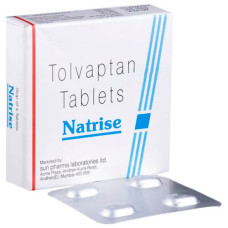
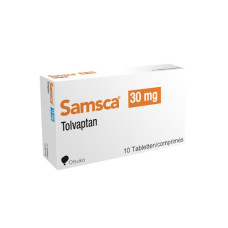
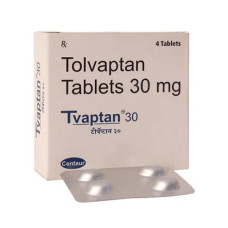
| Vasopressin receptor antagonists | Tolvaptan | Promote free water excretion |
| Diuretics | Furosemide | Manage fluid overload |
Natural Remedies for Hyponatremia
While medications are essential, some natural approaches may help alleviate mild symptoms or support overall health. Increasing dietary intake of sodium-rich foods, such as salted nuts or broths, can be beneficial under medical advice. Ensuring proper hydration without overconsumption of water helps maintain electrolyte balance. Herbal teas and electrolyte drinks may provide additional support, but they should complement, not replace, prescribed treatments. Always consult a healthcare professional before trying natural remedies, especially in severe cases.
Forms and Presentations: Tablets, Pills, Capsules
Medications for hyponatremia are available in various forms, including tablets, capsules, solutions, and infusions. Tablets and capsules are convenient for outpatient use, offering controlled dosing and ease of administration. Solutions and injections are typically used in hospital settings for rapid correction of sodium levels. Each form has specific advantages: tablets are portable and easy to store, while infusions allow precise control in critical situations. The choice depends on the severity of hyponatremia and the clinical setting.
Over-the-Counter (OTC) Medications
For mild symptoms, OTC remedies such as electrolyte drinks or saline nasal sprays may provide temporary relief. These options can help maintain hydration and electrolyte balance but are not substitutes for medical treatment. It is important to monitor symptoms closely and seek medical advice if they persist or worsen. OTC medications should only be used as adjuncts under professional guidance, especially in cases of suspected hyponatremia.
| OTC Option | Use | Limitations |
|---|---|---|
| Electrolyte drinks | Support hydration and sodium levels | Not suitable for severe cases |
| Saline nasal sprays | Minor electrolyte replenishment | Limited impact on systemic levels |
These remedies are only for mild symptoms; persistent or severe signs require professional evaluation.
Precautions and Side Effects
Even medications considered safe can cause adverse reactions if misused. Common side effects include nausea, headache, or allergic reactions, while more serious risks involve electrolyte imbalances or kidney issues. Following medical instructions carefully minimizes these risks. Special caution is needed for vulnerable groups such as children, pregnant women, the elderly, or those with chronic illnesses. Regular monitoring and communication with healthcare providers are essential to ensure safe and effective treatment.
Most Common Side Effects
Minor side effects include nausea, dizziness, or mild allergic reactions, which are usually manageable. Serious adverse effects, though rare, may involve allergic skin reactions, liver problems, or cardiac issues. The risk level depends on the medication type and patient health status. Close observation during therapy helps detect and address side effects early, preventing escalation.
| Effect Type | Frequency | Severity | Recommendation |
|---|---|---|---|
| Nausea and dizziness | Common | Mild | Monitor and adjust dosage if needed |
| Allergic reactions | Rare | Severe in some cases | Seek immediate medical attention |
| Electrolyte imbalance | Possible with improper use | Serious | Regular lab monitoring |
Safe Medication Use Tips
- Follow prescribed dosages precisely and do not alter without consulting your doctor.
- Avoid alcohol and certain foods that may interfere with medication effectiveness.
- Store medicines in a cool, dry place away from children.
- Attend regular follow-up appointments for blood tests and assessment.
- Report any unusual symptoms or side effects promptly to your healthcare provider.
Responsible medication use and ongoing medical supervision are key to achieving optimal results and preventing complications.
Prevention and Daily Care
Preventing hyponatremia involves adopting healthy lifestyle habits and monitoring risk factors. Regular medical check-ups help detect early signs, especially in high-risk groups. Maintaining a balanced diet with adequate sodium intake, avoiding excessive water consumption, and managing underlying health conditions are fundamental. Promptly addressing symptoms like persistent nausea or confusion can prevent progression. Tailoring prevention strategies to individual health status enhances safety and well-being.
Recommended Habits to Reduce Hyponatremia Risk
Adopting specific daily routines can help prevent hyponatremia. These include maintaining a balanced diet rich in sodium, drinking fluids in moderation, and avoiding overhydration. Regular physical activity and proper rest support overall health, while stress management reduces hormonal imbalances that may influence sodium levels. Monitoring medication use, especially diuretics, and seeking medical advice for persistent symptoms are also important. Implementing these habits can significantly lower the likelihood of developing or recurring hyponatremia.
| Prevention Area | Recommended Measures | Main Benefit |
|---|---|---|
| Diet | Increase sodium intake as advised | Maintains electrolyte balance |
| Hydration | Drink fluids in moderation | Prevents overhydration |
| Exercise & Rest | Regular activity and adequate sleep | Supports overall health |
| Stress Management | Relaxation techniques, mindfulness | Reduces hormonal disruptions |
Additional Preventive Measures
Secondary prevention includes routine blood tests, vaccination (if applicable), and medication adjustments under medical supervision. Regular health assessments enable early detection and management of risk factors. Following medical advice on lifestyle and medication adherence contributes to long-term health and reduces hyponatremia recurrence. These proactive steps support overall wellness and help avoid severe episodes.
Implementing these measures not only reduces hyponatremia risk but also promotes overall health and quality of life over time.
Prognosis and Recovery
The outlook for hyponatremia depends on the cause, severity, and how quickly treatment is initiated. With prompt and appropriate management, most patients recover fully without long-term effects. Delayed treatment or severe cases can lead to lasting neurological damage or other complications. Maintaining a healthy lifestyle and adhering to medical advice accelerates recovery and reduces recurrence risk. Early intervention is key to ensuring a favorable prognosis.
Typical Recovery Time
The recovery period varies based on severity. Mild hyponatremia often resolves within a few days with proper treatment, while severe cases may take weeks or months to fully recover. Chronic hyponatremia requires ongoing management and regular monitoring. In some instances, gradual correction is necessary to prevent complications like osmotic demyelination syndrome. Close follow-up ensures safe recovery and helps prevent relapse.
| Case Type | Average Recovery Time | Comments |
|---|---|---|
| Mild hyponatremia | Few days | Usually complete recovery |
| Severe hyponatremia | Weeks to months | Requires ongoing care |
| Chronic hyponatremia | Variable, ongoing | Monitoring essential |
Factors Improving Prognosis
- Early diagnosis and prompt treatment initiation
- Adherence to medical advice and medication regimen
- Management of underlying causes
- Regular monitoring of sodium levels
- Healthy lifestyle and hydration habits
These factors significantly increase the chances of full recovery and reduce the risk of recurrence.
Lifestyle Changes
Adopting healthy daily habits can support recovery and prevent future episodes. Patients should follow a balanced diet with appropriate sodium intake, avoid excessive water consumption, and maintain regular physical activity. Managing stress and ensuring adequate rest are also beneficial. Avoiding alcohol and certain medications unless prescribed helps maintain electrolyte balance. Consistent medical follow-up and prompt attention to symptoms are crucial for long-term health.
Potential Complications
If hyponatremia is left untreated or poorly managed, it can lead to serious complications. These include brain swelling, seizures, coma, and even death in extreme cases. Chronic hyponatremia may cause persistent neurological deficits or cognitive impairment. Preventing these outcomes depends on timely diagnosis, appropriate treatment, and patient compliance. Regular monitoring and adherence to medical advice are essential to avoid long-term damage.
| Complication | Frequency | Severity | Prevention |
|---|---|---|---|
| Brain edema and seizures | Rare with proper management | Severe | Timely correction of sodium levels |
| Neurological deficits | Possible in chronic cases | Moderate to severe | Regular follow-up and monitoring |
With appropriate care, most patients recover well and avoid long-term complications.
Frequently Asked Questions about Hyponatremia and Its Treatment
This section addresses common questions patients have regarding hyponatremia, including medication choices, treatment duration, and safety tips. Understanding these aspects helps patients participate actively in their care. It is important to remember that while general information is helpful, personalized advice from healthcare professionals remains essential for effective management.
What are the most effective proven medications?
Scientific evidence supports the use of hypertonic saline solutions, vasopressin receptor antagonists like tolvaptan, and certain diuretics in treating hyponatremia. Hypertonic saline rapidly increases sodium levels in severe cases, while vasopressin antagonists promote water excretion without sodium loss. Diuretics help manage fluid overload in specific conditions. The choice depends on the severity and cause of hyponatremia, with studies confirming their efficacy when used appropriately under medical supervision.
| Medication Group | Example Active Ingredient | Proven Effectiveness |
|---|---|---|
| Hypertonic saline | Sodium chloride (3%) | Effective in severe cases |
| Vasopressin antagonists | Tolvaptan | Reduces water retention |
| Diuretics | Furosemide | Controls fluid overload |
The selection of medication depends on individual patient factors and disease severity.
Can hyponatremia be safely treated at home without a doctor?
In mild cases, some measures like rest, proper hydration, and dietary adjustments may help manage symptoms temporarily. However, self-treatment should never replace professional medical evaluation. Close monitoring of symptoms and sodium levels is essential to avoid worsening the condition. Severe or persistent symptoms require immediate medical attention to prevent serious complications. Always consult a healthcare provider before attempting any home remedies for hyponatremia.
What is the typical duration of treatment and follow-up?
The length of treatment varies depending on the severity and underlying cause. Mild hyponatremia may resolve within a few days with appropriate therapy, while more severe cases might require weeks or longer. Regular follow-up appointments are necessary to monitor sodium levels and adjust treatment as needed. In chronic cases, ongoing management and periodic testing are essential to prevent recurrence. The duration is individualized, emphasizing the importance of medical supervision throughout recovery.
| Type of Treatment | Estimated Duration | Recommended Follow-up |
|---|---|---|
| Acute correction | Few days to weeks | Weekly blood tests initially |
| Chronic management | Ongoing | Regular monitoring every 1-3 months |
These guidelines help ensure safe and effective recovery, with adjustments based on individual progress.
Where to Buy Medications for Hyponatremia
Medications for hyponatremia are available both in pharmacies and online stores. It is crucial to verify the licensing and reputation of the pharmacy to ensure the authenticity and quality of medicines. Avoiding counterfeit products is essential for safety. Our online pharmacy offers all necessary medications for hyponatremia, with certified quality and secure purchasing options. Buying from trusted sources guarantees proper storage, handling, and genuine products, contributing to effective treatment outcomes.
Safe Shopping in Our Online Pharmacy
Purchasing from our authorized online pharmacy offers several advantages, including professional consultation, guaranteed product authenticity, and secure payment options. Always check the pharmacy’s license, verify the packaging and expiration date, and consult the pharmacist for any doubts. Our platform ensures strict quality controls, discreet packaging, and reliable delivery. Customer support is available for questions or concerns, making your shopping experience safe and convenient.
Is it possible to buy medications online without a prescription?
All medications used for hyponatremia can be purchased online without a prescription through our licensed pharmacy. However, it is essential to emphasize that self-medicating without medical guidance can be risky, especially in complex conditions like hyponatremia. Patients should always seek professional advice before starting or changing treatment. Our pharmacy provides comprehensive information and support to ensure safe use of medicines, emphasizing the importance of proper diagnosis and supervision.
- Verify the pharmacy’s license and credentials
- Ensure the product packaging is intact and labeled correctly
- Check the expiration date before purchase
- Consult with a pharmacist for proper use and dosage
- Avoid purchasing from unverified sources
Shipping Options and Quality Assurance
We offer various shipping methods, including standard, express, and international delivery, tailored to your needs. Our logistics process includes strict quality controls such as batch traceability, temperature regulation during transit, and secure, discreet packaging. Tracking your order from dispatch to delivery ensures transparency and peace of mind. These measures guarantee that your medications arrive safely, intact, and ready for use, maintaining their efficacy and safety.
- Multiple shipping options for convenience
- Real-time order tracking
- Temperature-controlled packaging
- Secure and discreet delivery
- Traceability of batches for quality assurance
Price, Availability, and Discounts in Italian Pharmacies
The cost of hyponatremia medications in Italy varies based on factors such as brand or generic, dosage, form (tablets, capsules, solutions), and whether a prescription is required. Regional differences and promotional offers also influence pricing. Some formulations may be available immediately, while others require special ordering. Many pharmacies offer discounts, coupons, and loyalty programs to make treatment more affordable. Patients are encouraged to compare prices across different outlets and inquire about ongoing promotions. If a specific form or dose is needed, consulting the pharmacist in advance can facilitate a smooth purchase process. Taking advantage of discounts and generics can significantly reduce treatment costs while maintaining quality.
| Prodotti in farmacia | Prezzo |
|---|---|
| Natrise 15 mg compresse | 39.35 € |
| Samsca 15 mg compresse | 277.22 € |
| Tolvaptan | 0.00 € |
Domande frequenti su Iponatriemia nel 2026
-
È necessaria una ricetta per acquistare Iponatriemia in farmacia?
-
Quanto costa Iponatriemia?
-
Posso acquistare Iponatriemia nella vostra farmacia online?
-
Iponatriemia è legale in Italia?
-
Quali sono le condizioni di spedizione?
-
Quali metodi di pagamento accettate?
-
Prodotti più popolari in farmacia