


Medications for Influenza
Influenza is a contagious respiratory illness caused by influenza viruses, affecting millions worldwide each year. Prompt treatment with appropriate medications can significantly reduce symptom severity, shorten illness duration, and prevent complications, especially in vulnerable groups. Understanding the available drug options and their proper use helps patients manage symptoms effectively and recover more quickly. Early diagnosis combined with targeted pharmacological therapy plays a crucial role in improving quality of life during flu episodes.
What is Influenza?
Influenza, commonly known as the flu, is an acute viral infection primarily affecting the respiratory system, including the nose, throat, and lungs. It is characterized by sudden onset of symptoms such as fever, cough, sore throat, muscle aches, and fatigue. The disease tends to occur seasonally, especially during colder months, and can affect individuals of all ages. Timely diagnosis and treatment are essential to reduce the risk of severe complications like pneumonia or hospitalization, particularly in high-risk populations.
Definition and Main Characteristics of Influenza
Influenza is a contagious viral illness caused by influenza A, B, or C viruses. It typically presents as an acute respiratory infection with rapid symptom onset, often lasting from a few days to two weeks. The severity varies from mild discomfort to severe illness, especially in the elderly, young children, pregnant women, and those with chronic health conditions. The disease spreads mainly through respiratory droplets when infected individuals cough or sneeze. Vaccination and antiviral medications are key strategies for prevention and management.
| Characteristic | Description |
|---|---|
| Type of illness | Acute viral respiratory infection |
| Duration | Typically 3-7 days, but can extend in vulnerable populations |
| Severity | Range from mild to severe, with risk of complications |
| High-risk groups | Older adults, children, pregnant women, immunocompromised |
Causes and Risk Factors of Influenza
Influenza is caused by infection with influenza viruses, which spread mainly through respiratory droplets. Factors increasing susceptibility include close contact with infected individuals, crowded environments, and seasonal variations. Lifestyle habits such as smoking or poor hygiene can also elevate risk. Age plays a significant role, with young children and the elderly being more vulnerable. Additionally, individuals with weakened immune systems or chronic illnesses are at higher risk of severe disease.
| Risk | Description | Probability |
|---|---|---|
| Close contact with infected persons | Facilitates virus transmission | High |
| Seasonal exposure | Viruses circulate more in colder months | Moderate to high |
| Weakened immune system | Less ability to fight infection | Variable |
| Chronic health conditions | Increase risk of complications | High |
Factors Contributing to Influenza Development
External factors such as crowded living conditions, poor hygiene, and seasonal changes facilitate virus spread. Internal factors include age-related immune decline and genetic predispositions that influence susceptibility. Lifestyle choices like smoking or inadequate nutrition can impair immune defenses, making infection more likely. Often, multiple factors combine, increasing the overall risk of contracting influenza and experiencing severe symptoms.
| Type of factor | Example | Mechanism of influence |
|---|---|---|
| Environmental | Crowded public transport | Enhances virus transmission via droplets |
| Behavioral | Poor hand hygiene | Facilitates viral spread |
| Biological | Age-related immune decline | Reduces immune response effectiveness |
Recognizing these factors is essential for implementing preventive measures and reducing infection risk.
Symptoms of Influenza
Influenza manifests suddenly with symptoms such as high fever, chills, muscle aches, fatigue, sore throat, cough, and nasal congestion. The intensity of symptoms can vary, often peaking within the first few days and gradually improving. Some individuals may experience gastrointestinal symptoms, especially children. Early recognition of these signs allows for prompt treatment, which can lessen symptom duration and prevent complications.
Recognizing Early Signs of Influenza
Initial symptoms typically include sudden fever, chills, headache, and muscle pain. These are often accompanied by fatigue and sore throat, which can resemble other respiratory illnesses. Distinguishing influenza from common cold is important, as flu symptoms tend to be more intense and develop rapidly. Monitoring these early signs helps initiate timely treatment and reduces the risk of worsening illness.
| Symptom | Frequency | Estimated Severity | Notes |
|---|---|---|---|
| Sudden fever | Very common | High | Often the first symptom |
| Muscle aches | Common | Moderate to high | Usually bilateral |
| Fatigue | Common | Variable | May persist after other symptoms resolve |
Diagnosis and When to See a Doctor
Diagnosis of influenza is primarily clinical, based on symptom presentation and recent exposure history. Healthcare providers may confirm the diagnosis with rapid influenza diagnostic tests (RIDTs) or molecular assays, especially in high-risk cases. It is crucial not to self-medicate, as only a medical professional can assess disease severity and determine appropriate treatment. Early consultation ensures proper management and reduces the risk of complications.
Diagnostic Tests for Influenza
Common diagnostic methods include rapid antigen tests, which provide quick results but may have limited sensitivity, and molecular tests like RT-PCR, which are more accurate but take longer. Blood tests and chest X-rays may be used if complications are suspected. Laboratory confirmation helps guide antiviral therapy decisions and infection control measures.
| Test Type | Purpose | Diagnostic Value |
|---|---|---|
| Rapid antigen test | Quick detection of influenza virus | Moderate sensitivity, high specificity |
| RT-PCR | Precise identification of virus type | High sensitivity and specificity |
Signs That Require Urgent Medical Attention
If symptoms worsen or if certain warning signs appear, immediate medical care is necessary. These include difficulty breathing, chest pain, sudden dizziness, confusion, persistent high fever, or signs of dehydration. Children, pregnant women, and immunocompromised individuals should seek urgent care if symptoms escalate. Prompt intervention can prevent severe complications and improve outcomes.
Types of Medications and Treatments
Managing influenza involves a combination of symptomatic relief and antiviral medications, depending on severity. Mild cases may be treated with over-the-counter remedies, while more severe infections require prescription drugs. The choice of therapy depends on patient age, health status, and disease progression. Always consult a healthcare professional before starting any medication to ensure safe and effective treatment.
Medications for Influenza Treatment
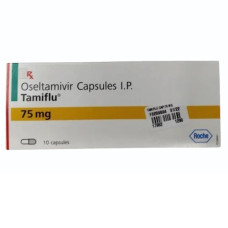
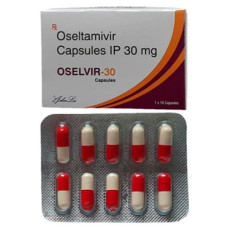
Antiviral drugs are the main pharmacological treatment for influenza, aiming to reduce symptom duration and prevent complications. Common classes include neuraminidase inhibitors like oseltamivir and zanamivir, which block viral replication. Symptomatic medications such as analgesics, antipyretics, and decongestants help alleviate specific symptoms. The timing of antiviral therapy is critical, ideally within 48 hours of symptom onset for maximum effectiveness.
| Drug Class | Example Active Ingredient | Therapeutic Purpose |
|---|---|---|
| Neuraminidase inhibitors | Oseltamivir, Zanamivir | Reduce viral replication and symptom duration |
| Symptomatic relief | Paracetamol, Ibuprofen | Lower fever, relieve pain |
Natural Remedies for Influenza
Complementary approaches such as herbal teas, vitamin C, zinc supplements, and steam inhalation may help alleviate symptoms. Adequate hydration, rest, and a balanced diet support immune function. However, these remedies should be used alongside medical treatment and under professional guidance. They are not substitutes for antiviral medications but can contribute to overall comfort and recovery.
Forms and Presentations: Tablets, Capsules, Liquids
Medications for influenza are available in various forms, including tablets, capsules, syrups, topical ointments, and injections. Tablets and capsules are convenient for oral administration and often provide rapid absorption. Syrups are suitable for children or those who have difficulty swallowing pills. Topical ointments may be used for symptom relief, while injections are reserved for severe cases or hospitalized patients. Each form offers specific advantages depending on patient needs and treatment settings.
Over-the-Counter (OTC) Medications
For mild symptoms, OTC drugs like paracetamol, ibuprofen, and decongestants can provide relief. These medications help reduce fever, alleviate pain, and clear nasal congestion. It is important to follow dosing instructions carefully and avoid prolonged use. If symptoms persist beyond a few days or worsen, consulting a healthcare professional is essential to rule out complications or need for prescription therapy.
| Medication Type | When to Use | Notes |
|---|---|---|
| Paracetamol | Fever, pain relief | Safe for most, watch for overdose |
| Ibuprofen | Inflammation, fever, pain | Take with food to reduce stomach upset |
These options are suitable for mild symptoms but should not replace medical evaluation if symptoms worsen.
Precautions and Side Effects
Even commonly prescribed medications can cause adverse reactions if misused. Following prescribed dosages and instructions minimizes risks. Monitoring for side effects such as allergic reactions, gastrointestinal issues, or liver problems is important. Special caution is needed for children, pregnant women, the elderly, and those with chronic illnesses, who may require tailored dosing or additional precautions.
Most Common Side Effects
Common mild side effects include nausea, dizziness, and gastrointestinal discomfort. Serious adverse reactions, though rare, can involve allergic responses, liver toxicity, or cardiovascular issues. Recognizing these signs early allows for prompt intervention. Patients should report any unusual or severe symptoms to their healthcare provider immediately.
| Type of Effect | Frequency | Severity | Recommendation |
|---|---|---|---|
| Nausea, dizziness | Common | Mild | Monitor and adjust dose if needed |
| Allergic reactions | Rare | Severe | Seek immediate medical help |
Safe Medication Use Tips
- Always follow prescribed dosages and timing.
- Check for drug interactions, especially with alcohol or other medications.
- Store medicines in a cool, dry place away from children.
- Do not share medications with others.
- Attend regular follow-up appointments if prescribed long-term therapy.
Responsible medication use and medical supervision are key to achieving effective treatment and avoiding complications.
Prevention and Daily Care
Preventive measures and daily habits are vital in reducing influenza risk and supporting recovery. Regular handwashing, vaccination, maintaining a healthy lifestyle, and avoiding crowded places during peak seasons help limit exposure. Early recognition of symptoms and prompt medical consultation can prevent severe illness and complications. Tailoring prevention strategies to individual health status, age, and lifestyle enhances their effectiveness.
Recommended Habits to Reduce Influenza Risk
Practicing good hygiene, such as frequent handwashing and using masks in crowded areas, is essential. Maintaining a balanced diet, regular exercise, adequate sleep, and stress management support immune health. Vaccination remains the most effective preventive measure. Avoiding smoking and limiting alcohol intake also strengthen defenses against infection. These lifestyle choices collectively contribute to lower susceptibility and better overall health.
| Prevention Area | Recommended Measures | Main Benefit |
|---|---|---|
| Hygiene | Frequent handwashing, mask use | Reduces virus transmission |
| Vaccination | Annual flu shot | Prevents infection or reduces severity |
| Lifestyle | Healthy diet, exercise, sleep | Strengthens immune response |
Additional Preventive Measures
Secondary prevention includes regular health check-ups, vaccination campaigns, and nutritional supplementation such as vitamins C and D or zinc. Following medical advice and staying informed about flu activity in the community enhances protection. These measures not only lower infection risk but also promote overall well-being and resilience against illnesses.
Adopting these secondary strategies contributes to long-term health benefits and reduces the likelihood of recurrent influenza episodes.
Prognosis and Recovery
The outlook for influenza depends on factors like age, overall health, and how quickly treatment begins. Most healthy individuals recover fully within a week with proper care. Early intervention with antivirals and supportive measures accelerates recovery and minimizes complications. Maintaining a healthy lifestyle and adhering to medical advice are crucial for a favorable prognosis.
Typical Recovery Time
Recovery usually takes about 3 to 7 days in healthy adults, but can extend to several weeks in vulnerable populations or severe cases. Mild cases often resolve quickly, while severe infections may require hospitalization and longer convalescence. Chronic health conditions may necessitate ongoing monitoring and treatment adjustments.
| Case Type | Average Recovery Time | Follow-up |
|---|---|---|
| Healthy adult | 3-7 days | As needed, based on symptoms |
| High-risk or severe cases | Weeks to months | Regular medical evaluations |
Ongoing monitoring and supportive care are essential for full recovery, especially in complicated or chronic cases.
Factors Enhancing Prognosis
- Early initiation of antiviral therapy
- Adherence to medical advice
- Maintaining hydration and nutrition
- Rest and stress management
- Absence of underlying health issues
These behaviors and medical strategies significantly increase the chances of complete recovery and reduce the risk of long-term complications.
Lifestyle Changes for Better Outcomes
Implementing healthy habits such as balanced nutrition, regular exercise, adequate sleep, and stress reduction can speed up recovery and prevent recurrences. Avoiding smoking and excessive alcohol consumption also supports immune health. Staying informed about flu activity and adhering to vaccination schedules further enhances protection. These lifestyle modifications are integral to managing influenza effectively and maintaining overall wellness.
Potential Complications
If untreated or poorly managed, influenza can lead to serious complications like pneumonia, bronchitis, sinus infections, and worsening of chronic conditions. In severe cases, it may cause hospitalization or even be life-threatening. Preventing these outcomes depends on timely medical intervention, proper medication use, and patient engagement in care. Recognizing warning signs early and seeking prompt treatment are vital to avoid long-term health issues.
| Complication | Frequency | Severity | Prevention |
|---|---|---|---|
| Pneumonia | Common in vulnerable groups | Serious, potentially life-threatening | Timely antiviral and supportive care |
| Sepsis | Rare but severe | Critical | Early detection and treatment |
With proper management, most patients recover well and avoid long-term health consequences.
Frequently Asked Questions about Influenza and Its Treatment
This section addresses common questions patients have regarding influenza, including medication choices, treatment duration, and prevention strategies. The information provided is based on current medical guidelines and scientific evidence, but it does not replace personalized medical advice. Consulting a healthcare professional remains essential for tailored care and effective management of the disease.
What Are the Most Effective Drugs According to Evidence?
Research supports the use of antiviral medications such as oseltamivir and zanamivir, which inhibit viral replication and reduce symptom duration when administered early. These drugs have been shown in multiple clinical trials to decrease the risk of complications and hospitalization. Symptomatic treatments like acetaminophen and NSAIDs help manage fever and pain. The choice of medication depends on disease severity, patient age, and underlying health conditions.
| Drug Group | Examples | Proven Effectiveness |
|---|---|---|
| Antivirals | Oseltamivir, Zanamivir | Reduce duration and severity if given early |
| Symptomatic drugs | Paracetamol, Ibuprofen | Alleviate fever and pain |
The choice of medication should be based on individual patient factors and disease progression.
Can I Safely Treat Influenza at Home Without a Doctor?
For mild cases, home management with rest, hydration, over-the-counter medications, and proper hygiene can be effective. However, it is important to monitor symptoms closely and seek medical advice if they worsen or if warning signs appear. Self-treatment should not replace professional evaluation, especially in vulnerable populations or if complications develop. Early consultation ensures appropriate care and reduces the risk of severe outcomes.
What Is the Typical Duration of Treatment and Follow-up?
The duration of antiviral therapy is usually 5 days, but may be extended based on clinical judgment. Follow-up with a healthcare provider is recommended if symptoms persist beyond a week or if complications arise. The length of treatment depends on disease severity, response to therapy, and individual health status. Regular medical assessments help ensure recovery and prevent long-term issues.
| Type of Treatment | Estimated Duration | Follow-up |
|---|---|---|
| Antiviral therapy | 5 days (usually) | As needed, based on symptom progression |
| Supportive care | Until symptoms resolve | Follow-up if symptoms persist or worsen |
Individual cases may vary, and ongoing medical evaluation is important for optimal recovery.
Where to Buy Influenza Medications
Medications for influenza are available both in physical pharmacies and online stores. It is essential to verify the license and reputation of the pharmacy to ensure medication authenticity and quality. Avoid counterfeit products by purchasing from trusted sources. All medications for influenza are accessible through our authorized online pharmacy in Italy, providing convenience and safety.
Secure Shopping at Our Online Pharmacy
Buying from our licensed online pharmacy offers advantages such as professional consultation, guaranteed product authenticity, and secure payment options. We ensure proper packaging, traceability of batches, and compliance with safety standards. Before purchasing, verify the pharmacy’s credentials, check product labels, expiration dates, and consult our pharmacists for guidance. These precautions help ensure a safe and effective medication experience.
Can I Purchase Influenza Medications Online Without a Prescription?
Yes, all influenza medications available through our online pharmacy can be purchased without a prescription in Italy. However, it is advisable to consult a healthcare professional before starting any treatment, especially if you have underlying health conditions or are taking other medications. Proper guidance ensures safe use and optimal outcomes. Always verify the authenticity of the online source and avoid unverified sellers to prevent counterfeit products.
- Check for licensed pharmacy credentials
- Ensure clear product labeling and expiration dates
- Prefer pharmacies with professional consultation services
- Avoid suspiciously low prices or unverified sources
Shipping Options and Quality Assurance
Our pharmacy offers various shipping methods, including standard, express, and international delivery, tailored to customer needs. We implement strict quality controls such as batch traceability, temperature regulation during transit, and secure packaging to preserve medication integrity. Tracking shipments and verifying delivery status ensure transparency and reliability. These measures guarantee that medications arrive safely and in optimal condition, supporting effective treatment.
- Multiple shipping options for convenience
- Strict quality control protocols
- Shipment tracking and secure packaging
Pricing, Availability, and Discounts in Italy
The cost of influenza medications in Italy varies depending on the drug’s brand or generic status, dosage, form (tablets, liquids, inhalers), and whether a prescription is required. Availability can fluctuate seasonally or due to supply chain factors, with some formulations only obtainable upon request. Many pharmacies offer discounts, coupons, and loyalty programs that make treatments more affordable. Comparing prices between physical stores and online outlets, and asking pharmacists about promotions, can help patients find the best deals. For special or less common formulations, early inquiry ensures proper ordering and alternatives if needed.
| Prodotti in farmacia | Prezzo |
|---|---|
| Tamiflu 75 mg capsule | 132.44 € |
| Oseltamivir | 0.00 € |
Domande frequenti su Influenza nel 2026
-
È necessaria una ricetta per acquistare Influenza in farmacia?
-
Quanto costa Influenza?
-
Posso acquistare Influenza nella vostra farmacia online?
-
Influenza è legale in Italia?
-
Quali sono le condizioni di spedizione?
-
Quali metodi di pagamento accettate?
-
Prodotti più popolari in farmacia