


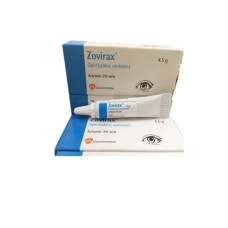
Medications for Herpes Simplex Ocular
Herpes simplex oculare is a viral infection affecting the eye, caused by the herpes simplex virus (HSV). It is a significant cause of infectious keratitis and can lead to vision impairment if not treated promptly. The condition often requires specific antiviral medications to control the infection, reduce symptoms, and prevent complications. Early diagnosis and appropriate pharmacological treatment are essential for preserving eye health and improving quality of life. Scientific studies highlight that antiviral drugs, when administered early, can significantly decrease the severity and duration of symptoms, minimizing the risk of long-term damage. Managing this condition effectively involves a combination of medication, monitoring, and sometimes supportive therapies, emphasizing the importance of medical supervision.
What is Herpes Simplex Ocular?
Herpes simplex oculare is an eye infection caused by the herpes simplex virus, primarily affecting the cornea and surrounding tissues. It can manifest as an acute condition with sudden symptoms or become recurrent, leading to chronic issues. The infection can involve different parts of the eye, including the cornea, conjunctiva, and eyelids, and may cause symptoms such as redness, pain, blurred vision, and sensitivity to light. Timely diagnosis is crucial because if left untreated, it can result in corneal scarring or even vision loss. Scientific research emphasizes that early intervention with antiviral medications can prevent severe complications and preserve visual function.
Definition and Main Characteristics of Herpes Simplex Ocular
Herpes simplex oculare is a viral eye disease caused by HSV type 1 or 2, characterized by inflammation of ocular tissues. It often presents as keratitis, which is inflammation of the cornea, and can recur multiple times. The disease progresses through stages, starting with superficial epithelial lesions and potentially advancing to deeper stromal involvement if untreated. It is considered a recurrent condition, especially in individuals with weakened immune systems or previous episodes. The severity varies from mild discomfort to severe visual impairment, with risk factors including age, immune status, and exposure to stress or trauma. Scientific studies show that prompt antiviral therapy can effectively control outbreaks and reduce the risk of long-term damage.
Causes and Risk Factors of Herpes Simplex Ocular
The primary cause of herpes simplex oculare is infection with the herpes simplex virus, which can remain dormant in nerve cells and reactivate under certain conditions. Factors increasing the risk include:
- Previous HSV infection or recurrent outbreaks
- Immunosuppression due to illness or medications
- Trauma or eye surgery
- Stress and fatigue
- Exposure to sunlight or UV radiation
Scientific literature indicates that these factors can trigger viral reactivation, leading to ocular involvement. The risk of developing herpes simplex eye disease is higher in individuals with a history of cold sores or other HSV-related conditions. Recognizing these risk factors helps in implementing preventive measures and early treatment strategies.
Factors Contributing to Herpes Simplex Ocular
Herpes simplex oculare develops due to a combination of internal and external factors. Internally, a weakened immune system or genetic predisposition can facilitate viral reactivation. Externally, environmental exposures such as UV light, stress, or trauma can act as triggers. Lifestyle habits like poor hygiene or eye rubbing may also contribute. Often, multiple factors occur simultaneously, increasing the likelihood of infection. Understanding these causes enables better preventive practices and timely intervention to reduce disease recurrence and severity.
Symptoms of Herpes Simplex Ocular
The symptoms of herpes simplex oculare can vary depending on the stage and severity of the infection. Common signs include redness, pain, tearing, blurred vision, and sensitivity to light. In early stages, patients may notice a foreign body sensation or mild discomfort, which can progress to more intense pain and visual disturbances if untreated. Recognizing these initial signs is vital for prompt medical consultation, as early treatment can prevent serious complications. Scientific studies confirm that delayed diagnosis increases the risk of corneal scarring and permanent vision loss.
How to Recognize Early Signs of Herpes Simplex Ocular
Initial symptoms often include redness, a sensation of grittiness or foreign body in the eye, and mild discomfort. Patients may also experience tearing and light sensitivity. These signs can resemble other eye conditions, but the presence of small, dendritic corneal ulcers is characteristic of herpes simplex keratitis. Early recognition and differentiation from other causes of conjunctivitis or keratitis are crucial for effective treatment. Scientific evidence suggests that prompt identification of these symptoms leads to better outcomes and reduces the risk of long-term damage.
Diagnosis and When to See a Doctor
Diagnosis of herpes simplex oculare is primarily clinical, based on medical history and eye examination. Ophthalmologists look for characteristic signs such as dendritic ulcers or stromal inflammation. Additional tests, including fluorescein staining, viral cultures, or PCR, may be used to confirm the diagnosis. It is essential not to self-medicate, as inappropriate treatment can worsen the condition. Early consultation with a specialist ensures accurate diagnosis and appropriate therapy, which is vital for preventing complications. Scientific research emphasizes that early intervention improves prognosis and reduces the likelihood of recurrent episodes.
Diagnostic Tests for Herpes Simplex Ocular
| Type of Test | Purpose | Diagnostic Value |
|---|---|---|
| Fluorescein staining | Visualize corneal ulcers and dendritic lesions | High sensitivity for active epithelial keratitis |
| Viral culture | Detect live virus from ocular samples | Gold standard, but time-consuming |
| Polymerase chain reaction (PCR) | Identify HSV DNA in ocular tissues | Highly sensitive and specific |
Signs Requiring Urgent Medical Attention
If you experience sudden vision loss, severe eye pain, intense redness, or signs of corneal perforation, seek immediate medical care. Other warning signs include persistent or worsening symptoms despite initial treatment, or the appearance of new lesions. Delaying urgent care can lead to irreversible damage, including blindness. Recognizing these emergency signs ensures prompt intervention, which is critical for preserving vision and preventing serious complications.
Types of Medications and Treatments
The treatment of herpes simplex oculare depends on the severity and location of the infection. Mild cases may respond to topical antivirals, while more severe or stromal involvement often requires systemic therapy. It is essential to follow a healthcare professional’s guidance, as self-treatment may be ineffective or harmful. Combining antiviral drugs with supportive measures can improve outcomes and reduce recurrence risk. Regular follow-up is necessary to monitor progress and adjust therapy as needed.
Medications for Herpes Simplex Ocular
| Drug Group | Example of Active Ingredient | Therapeutic Purpose |
|---|---|---|
| Topical antivirals | Acyclovir, Ganciclovir | Inhibit viral replication at the site of infection |
| Systemic antivirals | Valacyclovir, Famciclovir | Control widespread or recurrent infections |
| Anti-inflammatory agents | Corticosteroids (used cautiously) | Reduce stromal inflammation, under medical supervision |
Natural Remedies for Herpes Simplex Ocular
While antiviral medications are essential, some natural approaches may help alleviate symptoms. These include cold compresses to reduce inflammation, maintaining good eye hygiene, and ensuring adequate hydration. Some patients find relief using herbal extracts like aloe vera or vitamin C supplements, but these should only complement prescribed treatments and always under medical advice. Scientific evidence supports that natural remedies can support healing but are not substitutes for antiviral drugs. Always consult a healthcare professional before trying any alternative therapies.
Common Forms and Presentations: Tablets, Capsules, Liquids
Medications for herpes simplex oculare are available in various forms, including tablets, capsules, eye ointments, and solutions. Tablets and capsules are often used for systemic treatment, providing longer-lasting antiviral effects, especially in recurrent or severe cases. Eye ointments and drops deliver medication directly to the affected area, offering rapid relief for superficial infections. The choice of form depends on the severity, location, and patient preferences, with each offering specific advantages such as ease of use or targeted action. Scientific studies highlight that combining systemic and topical therapies can optimize treatment efficacy.
Over-the-Counter (OTC) Medications
For mild symptoms, some OTC options may provide symptomatic relief, such as lubricating eye drops or cold compresses. However, antiviral medications for herpes simplex oculare generally require a prescription, and self-treatment without medical guidance is discouraged. If symptoms persist beyond a few days or worsen, consulting a healthcare professional is essential. OTC products can help manage discomfort but do not treat the underlying viral infection effectively. Always follow product instructions and seek medical advice if unsure.
Precautions and Side Effects
Even medications considered safe can cause adverse reactions if misused. Common side effects include mild irritation, dryness, or allergic reactions, while rare but serious effects may involve liver or kidney issues. Following the prescribed dosage and instructions reduces the risk of complications. Special caution is advised for vulnerable groups such as children, pregnant women, the elderly, or those with chronic illnesses. Regular monitoring and communication with a healthcare provider are key to safe and effective treatment.
Most Common Side Effects
Minor side effects include nausea, headache, or local irritation, which usually resolve quickly. Serious adverse reactions, though rare, can involve allergic responses, liver toxicity, or kidney problems. Patients should report any unusual symptoms to their doctor immediately. Risk levels vary depending on the medication and individual health status. Proper use and adherence to medical advice minimize the likelihood of adverse effects.
Safe Medication Use Tips
- Always follow the prescribed dosage and schedule.
- Do not mix medications without consulting your healthcare provider.
- Store medicines in a cool, dry place away from children.
- Avoid alcohol and certain foods if advised by your doctor.
- Attend regular follow-up appointments to monitor treatment progress.
Responsible medication use and ongoing medical supervision are essential for achieving the best outcomes and preventing complications.
Prevention and Daily Care
Preventive measures and daily habits play a vital role in managing herpes simplex oculare. Regular eye check-ups, good hygiene, and avoiding eye rubbing can reduce recurrence risk. Maintaining a healthy lifestyle, managing stress, and protecting eyes from UV exposure are also beneficial. Early recognition of symptoms and prompt treatment can prevent serious complications. Scientific evidence supports that consistent preventive practices contribute to better long-term eye health and quality of life.
Recommended Habits to Reduce Herpes Simplex Ocular Risk
Adopting healthy routines such as:
- Practicing good eye hygiene and avoiding touching or rubbing the eyes
- Using sunglasses to protect from UV rays
- Managing stress through relaxation techniques
- Ensuring adequate rest and nutrition
- Maintaining overall immune health with a balanced diet and regular exercise
These habits can significantly decrease the likelihood of outbreaks and support eye health in the long term.
Additional Preventive Measures
Secondary prevention includes regular ophthalmic examinations, vaccination (if applicable), and prophylactic antiviral therapy in recurrent cases. Supplementing with vitamins, such as vitamin C and zinc, may support immune function. Following medical advice on lifestyle modifications and medication adherence helps in reducing recurrence and maintaining eye health. These measures contribute to overall well-being and a better quality of life over time.
Prognosis and Recovery
The outlook for herpes simplex oculare depends on the promptness of treatment, disease severity, and overall health. Most patients recover fully with appropriate therapy, especially if treatment begins early. Delayed or inadequate treatment increases the risk of corneal scarring, vision impairment, or recurrence. Maintaining a healthy lifestyle and adhering to medical recommendations enhance recovery prospects. Scientific evidence indicates that early and consistent management leads to favorable outcomes in the majority of cases.
Typical Recovery Time
| Type of Case | Average Recovery Time | Follow-up Recommendations |
|---|---|---|
| Mild epithelial keratitis | Approximately 7-14 days | Regular ophthalmic evaluations until resolution |
| Stromal keratitis | Several weeks to months | Close monitoring and possible long-term therapy |
Chronic or recurrent cases may require ongoing management and periodic assessments to prevent long-term damage.
Factors Enhancing Prognosis
- Early diagnosis and initiation of antiviral therapy
- Adherence to prescribed treatment regimens
- Regular ophthalmic follow-up
- Maintaining good overall health and immune function
- Avoiding known triggers such as UV exposure and stress
These factors significantly increase the chances of complete recovery and reduce the risk of recurrences.
Lifestyle Changes for Better Outcomes
Patients are advised to adopt habits that support healing and prevent recurrences, such as:
- Practicing good eye hygiene and avoiding eye rubbing
- Using protective eyewear against UV rays
- Managing stress through relaxation techniques
- Ensuring adequate sleep and nutrition
- Limiting exposure to environmental irritants
Implementing these lifestyle modifications can accelerate recovery and promote long-term eye health.
Potential Complications
If herpes simplex oculare is left untreated or poorly managed, it can lead to serious complications. These include corneal scarring, ulceration, perforation, and even loss of vision. In rare cases, the infection may spread to other parts of the eye or cause secondary bacterial infections. Preventing these outcomes depends on timely diagnosis, appropriate antiviral therapy, and patient compliance. Scientific data show that proactive management reduces the incidence of long-term sequelae, ensuring better visual prognosis.
| Complication | Frequency | Severity | Prevention |
|---|---|---|---|
| Corneal scarring | Common in untreated cases | Potentially vision-threatening | Early antiviral treatment |
| Perforation | Rare but serious | Severe, may require surgical intervention | Prompt management of stromal keratitis |
With proper care, most patients recover well, and long-term complications can often be avoided.
Frequently Asked Questions about Herpes Simplex Ocular and Its Treatment
This section addresses common questions patients have regarding herpes simplex oculare, including medication choices, treatment duration, and safety considerations. It aims to clarify doubts and provide reliable information based on current medical knowledge. Remember, while this guide offers general insights, individual cases require personalized medical advice from a healthcare professional. Proper understanding and timely action are key to managing this condition effectively.
Which are the most effective drugs, according to evidence?
Scientific studies confirm that antiviral medications such as acyclovir, ganciclovir, and valacyclovir are highly effective in treating herpes simplex oculare. These drugs work by inhibiting viral DNA replication, thereby reducing viral load and promoting healing. Topical formulations are often used for superficial infections, while systemic therapy is reserved for more severe or recurrent cases. Evidence from clinical trials demonstrates that early initiation of these medications significantly shortens disease duration and decreases recurrence rates. The choice of drug depends on the severity, location, and patient-specific factors, with healthcare providers tailoring therapy accordingly.
Can I treat the condition at home without a doctor?
In mild cases, some home measures such as using lubricating eye drops, maintaining good hygiene, and resting can help alleviate symptoms temporarily. However, herpes simplex oculare is a viral infection that requires specific antiviral treatment for effective resolution. Self-treatment without medical supervision can lead to worsening or recurrence, especially if the diagnosis is uncertain. It is always advisable to consult an eye specialist for proper assessment and prescription of appropriate medications. Home remedies should only complement professional care and not replace it.
What is the typical duration of treatment and follow-up?
| Type of Treatment | Estimated Duration | Recommended Follow-up |
|---|---|---|
| Topical antiviral therapy | 7-14 days | Regular ophthalmic evaluations until resolution |
| Systemic antiviral therapy | 10-21 days | Follow-up every 1-2 weeks initially |
Duration varies based on severity and response; ongoing monitoring ensures complete recovery and early detection of recurrences.
Each case should be individually assessed by a healthcare professional to determine the appropriate length of therapy and follow-up schedule.
Where to Purchase Medications for Herpes Simplex Ocular
Medications for herpes simplex oculare are available both in physical pharmacies and online stores. It is crucial to verify the licensing and reputation of the pharmacy to ensure the authenticity and quality of the medicines. Avoid purchasing from unverified sources to prevent counterfeit products. Our authorized online pharmacy offers a wide range of approved medications, with strict quality controls and secure payment options. All products are stored and shipped following safety standards to guarantee their efficacy upon arrival.
Secure Online Pharmacy Purchases
Buying from our licensed online pharmacy provides several advantages, including professional consultation, guaranteed product authenticity, and easy access to a wide selection of medications. Always check for proper licensing, verify the packaging and expiration date, and consult the pharmacist if you have any doubts. Our platform ensures discreet packaging and reliable delivery, with options for tracking shipments. Prioritize pharmacies that adhere to strict quality standards to safeguard your health and ensure effective treatment.
Is It Possible to Buy Medications Online Without a Prescription?
In Italy, certain medications for herpes simplex oculare can be purchased online without a prescription through authorized pharmacies, including topical antivirals like ganciclovir eye gel. However, systemic antivirals generally require a medical prescription due to their potency and potential side effects. Our online pharmacy complies with regulations, offering safe access to necessary medications while emphasizing the importance of professional medical guidance. Always ensure that the online source is licensed and reputable before making a purchase. Self-medicating without proper diagnosis can lead to ineffective treatment or adverse effects.
Shipping Options and Quality Assurance
Our pharmacy offers various shipping methods, including standard, express, and international delivery, to meet your needs. Each shipment is carefully tracked, with batch numbers and temperature controls to maintain medication integrity. Packaging is discreet and secure to prevent tampering or damage. Quality assurance measures include verifying the authenticity of products, monitoring expiration dates, and ensuring proper storage conditions during transit. These protocols guarantee that you receive safe and effective medications promptly, regardless of your location.
Price, Availability, and Discounts in Italy Pharmacies
The cost of medications for herpes simplex oculare in Italy varies depending on the brand, dosage, form, and whether a prescription is required. Generic options are often more affordable and equally effective. Availability can fluctuate based on regional supply, demand, and seasonal factors. Many pharmacies offer discounts, promotional codes, and loyalty programs that can reduce the overall expense. Comparing prices between physical and online pharmacies can help find the best deal. Patients are encouraged to ask pharmacists about ongoing promotions or generic alternatives, especially if the prescribed medication has an unusual form or dosage. Being informed about pricing and discounts ensures access to effective treatment at a reasonable cost, supporting adherence and health outcomes.
| Prodotti in farmacia | Prezzo |
|---|---|
| Zovirax Oftalmico | 0.00 € |
Domande frequenti su Herpes simplex oculare nel 2026
-
È necessaria una ricetta per acquistare Herpes simplex oculare in farmacia?
-
Quanto costa Herpes simplex oculare?
-
Posso acquistare Herpes simplex oculare nella vostra farmacia online?
-
Herpes simplex oculare è legale in Italia?
-
Quali sono le condizioni di spedizione?
-
Quali metodi di pagamento accettate?