


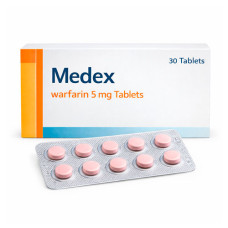
Medications for Embolism
Embolism is a serious medical condition where a blockage occurs in a blood vessel due to a clot, fat, air bubble, or other material traveling through the bloodstream. Prompt treatment with medications is essential to prevent damage to vital organs and improve outcomes. Proper pharmacological management can help dissolve clots, prevent new ones from forming, and reduce the risk of complications. Early diagnosis and appropriate therapy are crucial for controlling symptoms and enhancing quality of life, especially since embolism can be life-threatening if not treated swiftly.
What is Embolism?
An embolism happens when a foreign substance, such as a blood clot or fat, travels through the bloodstream and blocks a blood vessel. It can affect various organs, most commonly the lungs (pulmonary embolism) or brain (stroke), but also limbs or other tissues. Embolism can be either sudden (acute) or develop over time (chronic), with acute cases requiring immediate medical attention. Recognizing and treating embolism quickly is vital because delays can lead to tissue death, organ failure, or even death. Its prevalence increases with age and certain risk factors, making awareness and prevention important.
Definition and Main Characteristics of Embolism
Embolism is a condition characterized by the obstruction of blood flow caused by an embolus traveling through the circulatory system. The most common cause is a blood clot (thromboembolism), but fat, air, or other debris can also be responsible. The disease can be life-threatening, especially if it affects the lungs or brain, and its progression depends on the size and location of the blockage. Risk groups include individuals with atrial fibrillation, deep vein thrombosis, or recent surgery. The severity varies from minor symptoms to critical emergencies requiring immediate intervention.
| Type of Embolism | Cause | Potential Impact |
|---|---|---|
| Pulmonary embolism | Blood clots from deep veins | Breathing difficulty, chest pain, risk of death |
| Brain embolism (stroke) | Clots or debris from arteries or heart | Sudden weakness, speech difficulties, potential long-term disability |
| Other tissues | Fat, air, or tumor cells | Localized tissue damage, pain, or organ dysfunction |
Causes and Risk Factors of Embolism
Several factors contribute to the development of embolism, including lifestyle, genetic predisposition, and medical conditions. Common causes include deep vein thrombosis, atrial fibrillation, recent surgeries, or trauma. Environmental factors such as prolonged immobility, smoking, and obesity also increase risk. Age is a significant factor, with older adults being more susceptible. Additionally, certain inherited blood clotting disorders can predispose individuals to embolism. Recognizing these risk factors helps in implementing preventive measures to reduce the likelihood of embolic events.
Factors Causing Embolism
The development of embolism often results from a combination of internal and external factors. Internally, genetic predispositions like clotting disorders or atrial fibrillation can promote clot formation. Externally, lifestyle choices such as smoking, sedentary behavior, or obesity contribute to increased risk. External factors like trauma or recent surgery can also trigger embolic events by damaging blood vessels or promoting clot formation. Often, multiple causes act together, amplifying the overall risk. Recognizing these factors is essential for adopting preventive strategies and reducing the incidence of embolism.
| Type of Factor | Example | Mechanism of Influence |
|---|---|---|
| Internal (Genetic) | Factor V Leiden mutation | Increases blood clotting tendency |
| External (Lifestyle) | Sedentary lifestyle | Promotes blood stasis and clot formation |
| Environmental | Trauma or surgery | Damages blood vessels, facilitating clot development |
Symptoms of Embolism
The symptoms of embolism depend on the affected organ and the size of the blockage. Common signs include sudden shortness of breath, chest pain, rapid heartbeat, or neurological deficits like weakness or speech difficulties. Some patients may experience sudden limb pain or swelling if a limb is affected. Recognizing these symptoms early is vital because prompt treatment can prevent severe damage. Symptoms can vary from mild discomfort to life-threatening emergencies, emphasizing the importance of awareness and quick medical response.
How to Recognize Early Signs of Embolism
In the initial stages, embolism may present with sudden shortness of breath, chest pain, or dizziness. Patients might also notice rapid heartbeat or unexplained weakness, especially if the brain or lungs are involved. These symptoms can sometimes be mistaken for less serious conditions, but their sudden onset warrants immediate medical evaluation. Early detection is crucial for effective treatment and better prognosis. Being attentive to these signs can make a significant difference in outcomes.
Diagnosis and When to See a Doctor
Diagnosing embolism involves a combination of clinical assessment and diagnostic tests. Medical professionals typically perform physical examinations, review medical history, and use imaging techniques such as ultrasound, CT scans, or MRI to confirm the presence of an embolus. Blood tests, including D-dimer levels, can support the diagnosis. It is essential not to self-medicate or delay seeking professional help because early diagnosis improves treatment success. Only a healthcare provider can determine the severity and appropriate therapy, reducing the risk of complications.
Diagnostic Tests and Methods for Embolism
Key diagnostic tools include Doppler ultrasound to detect blood clots in veins, computed tomography pulmonary angiography (CTPA) for lung embolism, and MRI for brain embolism. Blood tests like D-dimer are useful for indicating clot presence but are not definitive alone. Echocardiography can assess heart function and detect emboli in cardiac chambers. Combining these methods allows for accurate diagnosis and guides treatment decisions.
| Type of Test | Purpose | Diagnostic Value |
|---|---|---|
| Ultrasound (Doppler) | Detect blood clots in veins | High sensitivity for deep vein thrombosis |
| CT Pulmonary Angiography | Visualize pulmonary arteries | Gold standard for pulmonary embolism |
| D-dimer Test | Indicate clot formation | Supports diagnosis, but not definitive alone |
Signs Requiring Urgent Medical Attention
If you experience sudden chest pain, severe shortness of breath, sudden weakness, speech difficulties, or loss of consciousness, seek emergency medical care immediately. These symptoms may indicate a life-threatening embolism requiring prompt intervention. Delaying treatment can lead to irreversible organ damage or death. Recognizing these warning signs and acting swiftly can significantly improve survival chances and outcomes.
Types of Medications and Treatments
Managing embolism involves a tailored approach depending on the severity, location, and patient health. Treatment options include anticoagulants, thrombolytics, and sometimes surgical interventions. While some medications are available over the counter for minor symptoms, most require a prescription and close medical supervision. The goal is to prevent clot growth, dissolve existing emboli, and prevent recurrence. The choice of therapy depends on individual risk factors, comorbidities, and the specific type of embolism.
Medications for Embolism Treatment
Several classes of drugs are used to treat embolism, including anticoagulants, thrombolytics, and antiplatelet agents. Anticoagulants like warfarin and direct oral anticoagulants (DOACs) such as rivaroxaban and apixaban are commonly prescribed to prevent new clot formation. Thrombolytics, such as alteplase, are used in emergency situations to dissolve large clots rapidly. Antiplatelet drugs like aspirin may be used in certain cases to reduce clotting tendency. The selection depends on the embolism type, severity, and patient-specific factors.
| Type of Drug | Example Active Ingredient | Therapeutic Purpose |
|---|---|---|
| Anticoagulants | Warfarin, Rivaroxaban | Prevent clot formation and growth |
| Thrombolytics | Alteplase | Rapidly dissolve existing clots |
| Antiplatelet agents | Aspirin | Reduce platelet aggregation, prevent new clots |
Natural Remedies for Embolism
While medications are essential, some natural approaches may help alleviate symptoms or support overall vascular health. Maintaining a healthy diet rich in omega-3 fatty acids, antioxidants, and fiber can promote blood flow. Regular physical activity helps prevent blood stasis and clot formation. Staying well-hydrated and avoiding smoking are also beneficial. However, these remedies should only complement medical treatment and always be used under medical supervision. They are not substitutes for prescribed therapies but can support overall health and recovery.
Forms and Presentations: Tablets, Pills, Capsules
Medications for embolism are commonly available in various forms, including tablets, capsules, injections, and topical preparations. Tablets and capsules are convenient for oral administration, with some designed for rapid absorption. Injections are used in emergency settings or for hospitalized patients to deliver fast-acting drugs like thrombolytics. Topical formulations are less common but may be used for localized treatments. Each form offers specific advantages, such as ease of use or quick onset of action, tailored to the clinical situation.
Over-the-Counter (OTC) Medications
For mild symptoms or as supportive measures, some OTC drugs may help, such as pain relievers like acetaminophen or NSAIDs for discomfort. However, these do not treat the underlying embolism and should only be used temporarily. It is crucial to consult a healthcare professional if symptoms persist or worsen. Self-medicating without proper diagnosis can be dangerous, so OTC options should be used cautiously and always under medical advice.
Precautions and Side Effects
Even commonly prescribed medications can cause adverse reactions, especially if misused. Following the prescribed dosage and instructions reduces the risk of complications. Monitoring for side effects such as bleeding, allergic reactions, or liver issues is important. Certain populations, including children, pregnant women, the elderly, or those with chronic illnesses, require special precautions. Regular medical follow-up ensures safe and effective treatment, minimizing risks associated with therapy.
Most Common Side Effects
Common mild side effects include nausea, dizziness, or skin irritation. Serious adverse effects, though less frequent, may involve bleeding, allergic reactions, or liver problems. For example, anticoagulants can increase bleeding risk, requiring careful monitoring. Recognizing early signs of adverse reactions allows prompt medical intervention, preventing severe complications. Patients should report any unusual symptoms to their healthcare provider immediately.
Safe Medication Use Tips
- Always adhere to the prescribed dosage and schedule.
- Store medications in a cool, dry place away from children and pets.
- Avoid alcohol and certain foods that may interact with your medication.
- Inform your doctor about all other medicines and supplements you take.
- Schedule regular check-ups to monitor treatment effectiveness and side effects.
Prevention and Daily Care
Preventive measures and healthy daily habits play a key role in reducing embolism risk. Regular medical check-ups help identify early signs of clotting disorders or other risk factors. Maintaining a balanced diet, engaging in regular exercise, and avoiding smoking contribute to vascular health. Promptly addressing symptoms like swelling or unexplained pain can prevent progression. Tailoring prevention strategies to age, sex, and health status enhances their effectiveness.
Recommended Habits to Reduce Embolism Risk
Adopting a healthy lifestyle involves:
- Eating a diet rich in fruits, vegetables, and omega-3 fatty acids.
- Engaging in moderate physical activity regularly.
- Maintaining a healthy weight and avoiding smoking.
- Managing stress through relaxation techniques.
- Ensuring adequate hydration and avoiding prolonged immobility.
Additional Preventive Measures
Secondary prevention includes routine medical evaluations, vaccination against certain infections, and, in some cases, prophylactic medications. Patients with high risk may benefit from anticoagulant therapy or lifestyle counseling. Following medical advice on managing underlying conditions like atrial fibrillation or diabetes is essential. These measures not only reduce embolism risk but also promote overall well-being and long-term health. Regular follow-up ensures that preventive strategies remain effective and tailored to individual needs.
Prognosis and Recovery
The outlook for embolism patients depends on the embolism's location, size, and how quickly treatment is initiated. With appropriate therapy, most patients recover well, especially if diagnosed early. Adherence to treatment plans and lifestyle modifications improve long-term outcomes. In some cases, ongoing management may be necessary to prevent recurrence. Overall, timely intervention and diligent follow-up are key to a favorable prognosis.
Typical Recovery Time
The recovery period varies: minor embolisms may resolve within days to weeks, while more severe cases can require months of rehabilitation. For example, pulmonary embolism symptoms often improve within a few weeks with proper anticoagulation, but some patients may experience lingering fatigue or breathlessness. Chronic cases or complications may necessitate continuous monitoring and long-term therapy. The table below summarizes typical recovery times based on severity:
| Type of Case | Average Recovery Time | Comments |
|---|---|---|
| Minor embolism | Few days to weeks | Complete recovery expected |
| Severe embolism | Several weeks to months | Possible residual symptoms or disability |
| Chronic embolism | Ongoing, with regular monitoring | Gradual improvement over time |
Factors Improving Prognosis
- Early diagnosis and prompt treatment initiation
- Adherence to prescribed medication regimens
- Management of underlying risk factors
- Healthy lifestyle choices, including diet and exercise
- Regular follow-up and monitoring
Lifestyle Changes
Adopting healthy habits is crucial for recovery and prevention. Patients should:
- Follow a balanced diet low in saturated fats and rich in antioxidants.
- Engage in regular physical activity suited to their condition.
- Avoid smoking and limit alcohol intake.
- Manage stress through relaxation or mindfulness techniques.
- Ensure adequate rest and hydration.
Potential Complications
If not properly managed, embolism can lead to serious complications such as organ damage, chronic pulmonary hypertension, or stroke. Minor issues include persistent fatigue or minor neurological deficits, while major complications can be life-threatening. Preventing these outcomes depends on timely treatment and patient compliance. The table below highlights common complications:
| Complication | Frequency | Severity | Prevention |
|---|---|---|---|
| Organ damage (e.g., lung, brain) | Common without treatment | Serious, potentially disabling | Early diagnosis and therapy |
| Chronic pulmonary hypertension | Possible if embolism recurs | Long-term health impact | Preventive anticoagulation |
| Recurrence of embolism | High in untreated cases | Significant risk of mortality | Adherence to preventive therapy |
With appropriate treatment and ongoing care, most patients recover satisfactorily and avoid long-term complications.
Frequently Asked Questions about Embolism and Its Treatment
This section addresses common questions patients have about embolism, including medication choices, treatment duration, and lifestyle adjustments. The answers are based on current medical evidence but are not substitutes for personalized medical advice. Consulting a healthcare professional is essential for tailored management and optimal outcomes.
Which are the most effective drugs, according to evidence?
Clinical studies have confirmed the efficacy of anticoagulants such as warfarin and direct oral anticoagulants (DOACs) like rivaroxaban and apixaban in preventing clot growth and recurrence. Thrombolytic agents like alteplase are effective in rapidly dissolving large emboli during emergencies. Antiplatelet drugs, including aspirin, are useful in specific cases to reduce clot formation. The choice depends on embolism type, severity, and patient health status, with evidence supporting their use in improving survival and reducing complications.
| Drug Group | Examples | Proven Effectiveness |
|---|---|---|
| Anticoagulants | Warfarin, Rivaroxaban | Prevent new clots, reduce recurrence |
| Thrombolytics | Alteplase | Rapid clot dissolution in emergencies |
| Antiplatelet agents | Aspirin | Reduce platelet aggregation, prevent clot formation |
Is safe home treatment possible without a doctor?
In mild cases, some measures such as rest, hydration, and over-the-counter pain relievers may help manage symptoms temporarily. However, it is crucial to seek medical evaluation promptly, as embolism can worsen rapidly. Self-treatment without professional guidance is risky and can lead to severe complications. Always consult a healthcare provider before initiating any treatment or making lifestyle changes related to embolism management. Proper medical supervision ensures safe and effective care.
What is the typical duration of treatment and follow-up?
The length of therapy varies depending on the embolism's severity and location. Usually, anticoagulation therapy lasts from a few months to lifelong in high-risk cases. Regular follow-up appointments are necessary to monitor treatment effectiveness, adjust dosages, and detect potential side effects. The table below summarizes typical durations:
| Type of Treatment | Estimated Duration | Follow-up Frequency |
|---|---|---|
| Anticoagulation (e.g., warfarin) | 3-12 months or longer | Every 1-3 months |
| Thrombolytic therapy | Single or few doses, followed by anticoagulation | Regular monitoring for bleeding and efficacy |
| Long-term prevention | Ongoing, based on risk factors | Periodic assessments |
Each case requires individualized planning, and ongoing evaluation by a healthcare professional is essential for optimal recovery.
Where to Purchase Medications for Embolism
Medications for embolism are available both in physical pharmacies and online stores. It is important to verify the licensing and reputation of the pharmacy to ensure the authenticity and quality of medicines. Avoid counterfeit products by purchasing from trusted sources. All medications for embolism are accessible through our authorized online pharmacy in Italy, offering convenience and safety.
Safe Shopping in Our Online Pharmacy
Shopping at our licensed online pharmacy offers several advantages, including professional consultation, guaranteed product authenticity, and secure payment options. Always check the pharmacy’s license, examine the packaging for tampering, verify expiration dates, and consult the pharmacist if you have questions. These precautions help ensure a safe purchasing experience and effective treatment.
Can Medications Be Purchased Online Without a Prescription?
In Italy, all medications for embolism require a prescription; however, in our online pharmacy, certain over-the-counter options may be available without one for supportive measures. It is essential to follow legal regulations and consult a healthcare professional before buying or using any medication. Always ensure that the online pharmacy is authorized and reputable to avoid counterfeit products. Proper guidance ensures safe and effective treatment, especially for serious conditions like embolism.
Shipping Options and Quality Assurance
We offer various shipping methods, including standard, express, and international delivery, with tracking options to ensure safe arrival. Our quality control measures include batch traceability, temperature regulation during transit, discreet packaging, and shipment tracking. These steps guarantee the integrity and safety of your medications from dispatch to delivery, providing peace of mind with every order.
Price, Availability, and Discounts in Italian Pharmacies
The cost of embolism medications in Italy varies based on the drug’s brand or generic status, dosage, form, and whether a prescription is needed. Availability can fluctuate depending on demand, regional distribution, and stock levels; some formulations may require special ordering. Many pharmacies offer discounts, coupons, and loyalty programs to make treatment more affordable. Comparing prices across pharmacies and asking about promotions can help patients access cost-effective options. If a specific form or dose is unavailable, pharmacists can suggest suitable alternatives or generic versions to ensure continuous treatment.
| Prodotti in farmacia | Prezzo |
|---|---|
| Medex 1/5 mg compresse | 43.73 € |
Domande frequenti su Embolia nel 2026
-
È necessaria una ricetta per acquistare Embolia in farmacia?
-
Quanto costa Embolia?
-
Posso acquistare Embolia nella vostra farmacia online?
-
Embolia è legale in Italia?
-
Quali sono le condizioni di spedizione?
-
Quali metodi di pagamento accettate?
-
Prodotti più popolari in farmacia