


Medications for Edema
Edema, characterized by swelling caused by fluid accumulation in tissues, is a common condition that can affect various parts of the body, such as the legs, ankles, or abdomen. Managing edema effectively often requires a combination of lifestyle changes and pharmacological treatment. Timely diagnosis and appropriate medication can significantly reduce symptoms, improve comfort, and prevent complications. Understanding the available medications helps patients and healthcare providers choose the most suitable approach to control fluid retention and enhance quality of life.
What is Edema?
Edema is the abnormal accumulation of excess fluid in the interstitial spaces of tissues, leading to swelling. It can involve different organs or body parts, most frequently the lower limbs, but also the abdomen or lungs in severe cases. Edema may be acute, developing rapidly, or chronic, persisting over time, and is often associated with underlying health issues such as heart, kidney, or liver problems. Recognizing and treating edema promptly is crucial because persistent swelling can impair mobility, cause discomfort, and signal more serious health conditions that require medical attention.
Definition and Main Characteristics of Edema
Edema is a condition characterized by the excessive buildup of fluid in the tissues, resulting from an imbalance between fluid filtration and absorption. Causes include cardiovascular, renal, or hepatic dysfunction, as well as inflammation or venous insufficiency. The progression of edema can vary from mild swelling to severe tissue distension, potentially leading to skin changes or infections. It is classified as either localized or generalized, with risk factors including age, obesity, sedentary lifestyle, and certain medications. The severity and duration influence treatment strategies, and early intervention can prevent complications.
| Type of Edema | Characteristics | Common Causes |
|---|---|---|
| Localized | Swelling confined to specific areas, such as ankles or hands | Injury, inflammation, venous insufficiency |
| Generalized | Widespread swelling affecting multiple body parts | Heart failure, kidney disease, liver cirrhosis |
Causes and Risk Factors of Edema
Several factors contribute to the development of edema, including underlying health conditions, lifestyle choices, and environmental influences. Main causes encompass heart failure, kidney dysfunction, liver cirrhosis, infections, and certain medications. External factors such as prolonged standing, obesity, high salt intake, and sedentary habits can also increase risk. Age-related changes in vascular and lymphatic systems further predispose individuals to edema. Recognizing these risk factors is essential for prevention and early management, as multiple causes often coexist, amplifying the likelihood of fluid retention.
Factors Causing Edema
Factors that contribute to edema can be internal, like genetic predispositions or organ dysfunction, or external, such as lifestyle and environmental influences. For example, a sedentary lifestyle reduces lymphatic drainage, while high salt consumption promotes fluid retention. Infections or inflammation can increase vascular permeability, leading to localized swelling. Often, multiple factors act together, worsening the condition. Recognizing these causes helps in tailoring preventive measures and treatment plans effectively.
| Type of Factor | Example | Mechanism of Influence |
|---|---|---|
| Internal | Heart failure | Reduced cardiac output causes fluid buildup in tissues |
| External | High salt diet | Increases blood volume and promotes fluid retention |
Symptoms of Edema
Edema manifests as visible swelling, often accompanied by a feeling of heaviness or tightness in the affected area. Common symptoms include skin stretching, shiny appearance, and sometimes pain or discomfort. The severity varies depending on the cause and duration; early stages may show mild swelling, while advanced edema can cause skin discoloration or ulceration. Recognizing these signs early allows for prompt intervention, preventing progression and associated complications. Patients may also experience difficulty moving or standing for long periods due to discomfort.
How to Recognize Early Signs of Edema
In initial stages, symptoms often include slight swelling, a feeling of fullness, or skin that feels tight or glossy. These signs are more noticeable after prolonged standing or sitting. As edema progresses, swelling becomes more pronounced, and skin may appear stretched or discolored. Some individuals report aching or a sense of heaviness in the limbs. Differentiating edema from other conditions involves noting the persistent nature of swelling and its response to elevation or rest. Early detection is key to preventing worsening and complications.
| Type of Symptom | Frequency | Estimated Severity | Notes |
|---|---|---|---|
| Swelling | Common | Mild to moderate | Often improves with elevation |
| Skin tightness | Less frequent | Variable | May lead to skin breakdown if untreated |
Diagnosis and When to See a Doctor
Diagnosing edema involves a thorough medical history, physical examination, and targeted tests to identify underlying causes. Healthcare providers assess the extent and location of swelling, check for signs of systemic illness, and may order laboratory or imaging studies. It is important not to self-medicate, as untreated underlying conditions can worsen. Early consultation with a healthcare professional ensures accurate diagnosis and appropriate treatment, reducing the risk of complications. Recognizing when edema is a sign of a serious health issue is vital for timely intervention.
Diagnostic Tests and Methods for Edema
Diagnosis typically includes physical examination, blood tests to evaluate organ function, and imaging such as ultrasound or echocardiography. Additional tests like kidney function panels, liver function tests, or lymphoscintigraphy may be performed based on suspected causes. These methods help determine whether edema is due to cardiac, renal, hepatic, or vascular issues. Laboratory results and imaging findings guide the treatment plan and help monitor progress over time.
| Test Type | Purpose | Diagnostic Value |
|---|---|---|
| Blood tests | Assess organ function, electrolyte balance | Identify systemic causes |
| Ultrasound | Evaluate venous and lymphatic flow | Detect venous insufficiency or blockages |
Warning Signs Requiring Urgent Medical Attention
If edema is accompanied by chest pain, difficulty breathing, sudden rapid swelling, or signs of infection such as redness, warmth, or fever, immediate medical care is essential. Sudden worsening of swelling or skin changes may indicate a serious underlying condition like heart failure or deep vein thrombosis. Delaying treatment can lead to severe complications, including tissue damage or systemic illness. Recognizing these warning signs ensures prompt intervention and better outcomes.
Types of Medications and Treatments
The management of edema depends on its cause and severity. Mild cases may respond to lifestyle modifications and over-the-counter remedies, while more severe or systemic cases require prescription medications. The choice of treatment is tailored to the individual, considering age, comorbidities, and underlying conditions. Always consult a healthcare professional before starting any medication to ensure safety and appropriateness.
Medications for Edema
Several classes of drugs are used to treat edema, including diuretics, vasodilators, and medications targeting underlying diseases. Diuretics, such as loop diuretics and thiazides, are the most common and work by increasing urine production to reduce fluid overload. Vasodilators help improve blood flow and reduce pressure in blood vessels. In cases related to heart failure, medications like ACE inhibitors or beta-blockers may be prescribed. The selection depends on the cause, severity, and patient-specific factors.
| Type of Drug | Example Active Ingredient | Therapeutic Purpose |
|---|---|---|
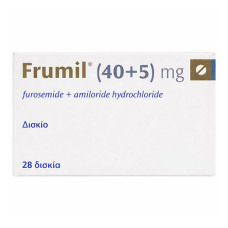
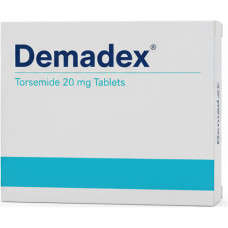
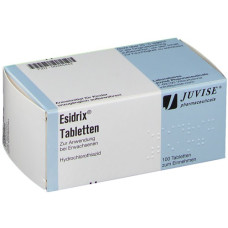
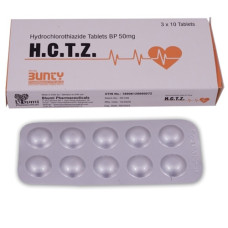
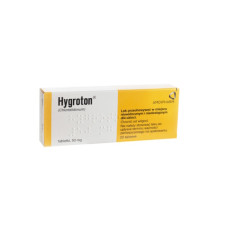
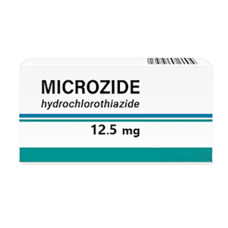
| Diuretics | Furosemide, Hydrochlorothiazide | Reduce fluid retention |
| Vasodilators | Hydralazine | Improve blood flow, decrease pressure |
Natural Remedies for Edema
Complementary approaches such as elevating swollen limbs, reducing salt intake, staying well-hydrated, and engaging in gentle exercise can help alleviate symptoms. Herbal teas like horse chestnut or diuretic foods such as cucumber and watermelon may provide mild relief. However, these natural remedies should be used alongside medical treatment and under professional guidance. They are not substitutes for prescribed medications but can support overall management.
Forms and Presentations: Tablets, Capsules, Liquids
Medications for edema are available in various forms, including tablets, capsules, syrups, topical ointments, and injections. Tablets and capsules are convenient for oral administration and often provide sustained release. Liquids may be preferred for children or those with swallowing difficulties. Topical ointments can be used for localized swelling, offering targeted relief. The choice of form depends on the severity, location, and patient preference, with each offering specific advantages.
Over-the-Counter (OTC) Medications
For mild edema, OTC remedies such as diuretic herbal teas or compression stockings may provide relief. Non-prescription pain relievers like acetaminophen can help manage discomfort. It is important to remember that OTC options are suitable only for minor symptoms; persistent or worsening swelling requires medical evaluation. Always follow dosing instructions and consult a pharmacist if unsure about the appropriateness of OTC products for your condition.
| OTC Medication | When to Use | Notes |
|---|---|---|
| Herbal diuretics (e.g., horsetail tea) | Mild swelling, lifestyle support | Use with caution, avoid excessive intake |
| Compression stockings | Leg swelling due to venous issues | Enhance circulation, reduce swelling |
Precautions and Side Effects
Even medications considered safe can cause adverse reactions if misused. Common side effects include dehydration, electrolyte imbalances, or gastrointestinal discomfort. Serious reactions like allergic responses or liver problems are less frequent but require immediate attention. Following prescribed dosages, monitoring symptoms, and regular medical check-ups help minimize risks. Special caution is advised for children, pregnant women, the elderly, or individuals with chronic illnesses, who may need tailored treatment plans.
Most Common Side Effects
Minor side effects include nausea, dizziness, or skin irritation. More severe reactions, such as allergic reactions, electrolyte disturbances, or kidney issues, are less common but necessitate prompt medical care. Patients should be vigilant about any unusual symptoms and report them to their healthcare provider. Proper management and monitoring reduce the likelihood of serious complications.
Safe Medication Use Tips
- Always adhere to the prescribed dosage and schedule.
- Avoid alcohol and certain foods that may interact with medications.
- Store medicines in a cool, dry place away from children.
- Attend regular follow-up appointments to monitor treatment effectiveness.
- Inform your healthcare provider about all other medications and health conditions.
Responsible medication use and ongoing medical supervision are essential for achieving optimal results and preventing adverse effects.
Prevention and Daily Care
Implementing preventive measures and maintaining a healthy lifestyle are key to managing and reducing edema risk. Regular medical check-ups help detect early signs of fluid retention, while a balanced diet, physical activity, and proper hydration support vascular health. Promptly addressing symptoms and avoiding known risk factors can prevent progression. Tailoring prevention strategies to individual health status enhances overall well-being and minimizes complications.
Recommended Habits to Reduce Edema Risk
Adopt a low-salt diet, engage in regular exercise, elevate swollen limbs, and maintain a healthy weight. Wearing compression garments and avoiding prolonged immobility also help improve circulation. Managing stress and ensuring adequate rest contribute to vascular health. These lifestyle modifications collectively support the body's natural ability to prevent fluid buildup and promote recovery.
| Area of Prevention | Recommended Measures | Main Benefit |
|---|---|---|
| Diet | Reduce salt intake, eat fruits and vegetables | Minimize fluid retention |
| Physical activity | Regular walking, leg exercises | Enhance circulation |
Additional Preventive Measures
Secondary prevention includes routine health screenings, vaccination against infections, and appropriate supplementation of vitamins or medications as advised by a healthcare provider. Following medical recommendations and managing underlying health conditions effectively can prevent edema recurrence. These measures contribute to overall health and reduce the likelihood of long-term complications, supporting a better quality of life.
Prognosis and Recovery
The outlook for edema depends on its underlying cause, how early it is diagnosed, and the effectiveness of treatment. With proper management, most patients experience significant symptom relief and avoid long-term damage. Lifestyle adjustments and adherence to prescribed therapies accelerate recovery and improve prognosis. Continuous monitoring and addressing risk factors are essential for sustained health and prevention of recurrence.
Typical Recovery Time
The recovery period varies widely: mild edema may resolve within a few days with appropriate care, while severe or chronic cases can take weeks or months to improve. For example, fluid retention due to temporary causes like standing or minor injury often subsides quickly, whereas edema from heart failure or liver disease may require ongoing treatment and monitoring. Persistent edema may necessitate long-term management strategies to control symptoms and prevent complications.
| Type of Case | Average Recovery Time | Follow-up Recommendations |
|---|---|---|
| Mild edema | Few days to a week | Periodic assessment, lifestyle review |
| Severe or chronic edema | Weeks to months | Regular medical evaluations, ongoing treatment adjustments |
Factors Improving Prognosis
- Early diagnosis and prompt treatment initiation
- Adherence to prescribed therapies and lifestyle modifications
- Effective management of underlying health conditions
- Patient education and active participation in care
These factors significantly increase the chances of complete recovery or remission, reducing the risk of recurrence.
Lifestyle Changes
Adopting healthy habits such as maintaining a balanced diet, engaging in regular physical activity, avoiding excessive salt, and managing stress can accelerate healing and prevent future episodes. Elevating swollen limbs, wearing compression garments, and avoiding prolonged immobility are also beneficial. Consistent lifestyle modifications support vascular health and enhance the effectiveness of medical treatments, contributing to long-term well-being.
Possible Complications
If left untreated or poorly controlled, edema can lead to skin infections, ulcerations, or tissue damage. Severe cases may cause difficulty breathing if fluid accumulates in the lungs, or impair mobility, leading to further health decline. Chronic edema can also increase the risk of deep vein thrombosis or heart failure exacerbation. Preventing these complications depends on timely medical intervention, adherence to treatment, and lifestyle adjustments. With proper management, most patients avoid long-term adverse outcomes.
| Complication | Frequency | Severity | Prevention |
|---|---|---|---|
| Skin infections | Common in severe cases | Moderate to severe | Good skin hygiene, prompt treatment of skin breaks |
| Deep vein thrombosis | Less frequent | Serious | Mobility, anticoagulant therapy if indicated |
With appropriate care and ongoing management, most patients recover well and avoid long-term complications.
Frequently Asked Questions about Edema and Its Treatment
This section addresses common questions patients have regarding edema, from medication choices to treatment duration. Understanding these aspects helps in making informed decisions and adhering to therapy plans. It is important to remember that individual cases vary, and consulting a healthcare professional is essential for personalized advice. Reliable information supports better management and outcomes.
Which are the most effective drugs, according to evidence?
Clinical studies have confirmed the efficacy of certain medications, particularly diuretics like furosemide and hydrochlorothiazide, which promote fluid removal. Other drugs, such as ACE inhibitors or beta-blockers, are effective when edema is related to heart failure. The choice depends on the underlying cause, severity, and patient health status. Evidence-based guidelines recommend tailored therapy to optimize results and minimize side effects.
| Drug Group | Examples | Therapeutic Role |
|---|---|---|
| Diuretics | Furosemide, Hydrochlorothiazide | Reduce excess fluid |
| Vasodilators | Hydralazine | Improve circulation, lower pressure |
Is safe home treatment possible without a doctor?
For mild edema, home measures such as elevating limbs, maintaining a low-salt diet, and using OTC remedies like compression stockings can be helpful. However, it is crucial to monitor symptoms closely and seek medical advice if swelling persists or worsens. Self-treatment should not replace professional evaluation, especially if underlying conditions are suspected or symptoms are severe. Proper supervision ensures safe and effective management.
What is the typical duration of treatment and follow-up?
The length of therapy varies depending on the cause and response to treatment. Mild cases may resolve within days to weeks, while chronic edema may require ongoing management. Regular follow-up appointments are essential to assess progress, adjust medications, and prevent recurrence. The duration is individualized, and close communication with healthcare providers ensures optimal outcomes.
| Type of Treatment | Estimated Duration | Follow-up Frequency |
|---|---|---|
| Mild edema | Few days to a week | Periodic assessments |
| Chronic edema | Weeks to months | Regular medical evaluations |
These questions and answers provide a general overview; however, each case should be individually evaluated by a healthcare professional for personalized management.
Where to Buy Medications for Edema
Medications for edema are available both in pharmacies and online stores. It is important to verify the legitimacy of the pharmacy, check the quality and authenticity of the medicines, and avoid counterfeit products. Our online pharmacy offers all medications for edema with certified quality and safety standards, ensuring reliable access across Italy. Purchasing from authorized sources guarantees proper storage, handling, and genuine products, essential for effective treatment.
Safe Purchasing in Our Online Pharmacy
Buying from our authorized online pharmacy provides several advantages, including professional consultation, guaranteed product authenticity, and secure payment options. Always verify the pharmacy’s license, check the packaging and expiration date, and consult the pharmacist if you have questions. Ensuring these precautions helps protect your health and ensures you receive effective medications. Our platform offers transparent information and customer support to facilitate safe and confident purchases.
Can Medications Be Purchased Online Without a Prescription?
In Italy, all medications for edema can be purchased online without a prescription through our licensed pharmacy. This includes both over-the-counter and certain prescription medications, depending on local regulations. However, it remains essential to consult a healthcare professional for proper diagnosis and treatment planning. When buying online, ensure that the platform is authorized, provides clear product information, and adheres to safety standards. Proper guidance helps prevent misuse and ensures effective management of edema.
Shipping Options and Quality Assurance
Our pharmacy offers various shipping methods, including standard, express, and international delivery, to meet different needs. We implement strict quality control measures such as batch tracking, temperature regulation, discreet packaging, and shipment traceability. These procedures ensure that medications arrive safely and intact. Customers can track their orders and be assured of receiving genuine, properly stored products, maintaining the highest safety standards throughout the delivery process.
Price, Availability, and Discounts in Italy
The cost of edema medications in Italy varies based on factors like brand, dosage, form, and whether a prescription is required. Prices are influenced by regional differences, pharmacy channels, and ongoing promotions. Availability may fluctuate depending on demand, seasonality, or stock levels; some formulations might be special order. Many pharmacies offer discounts, coupons, or loyalty programs that make treatments more affordable. Patients are encouraged to compare prices across different providers, inquire about generic options, and ask pharmacists about current promotions to optimize their expenses. Being informed helps ensure access to effective treatment at a reasonable cost.
| Prodotti in farmacia | Prezzo |
|---|---|
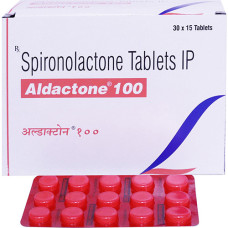
| Aldactone 25/50/100 mg compresse | 76.96 € |
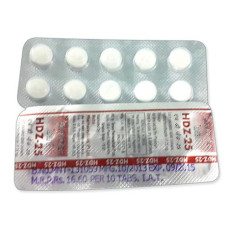
| Idroclorotiazide 12.5/25 mg compresse | 72.58 € |
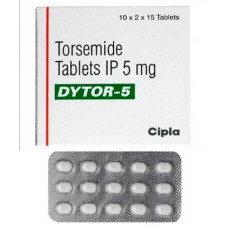
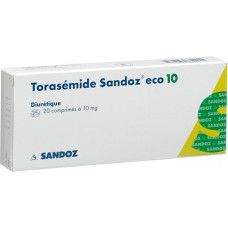
| Torsemide 10/20 mg compresse | 83.08 € |
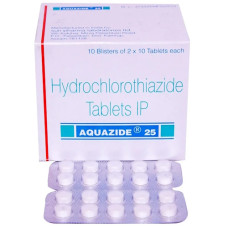
| Aquazide 12.5/25 mg compresse | 74.33 € |
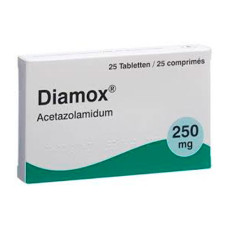
| Diamox 250 mg compresse | 89.20 € |
Domande frequenti su Edemi nel 2026
-
È necessaria una ricetta per acquistare Edemi in farmacia?
-
Quanto costa Edemi?
-
Posso acquistare Edemi nella vostra farmacia online?
-
Edemi è legale in Italia?
-
Quali sono le condizioni di spedizione?
-
Quali metodi di pagamento accettate?
-
Prodotti più popolari in farmacia