



Medications for Eczema: An In-Depth Overview
Eczema is a common skin condition characterized by inflammation, redness, itching, and dryness. It affects people of all ages, often leading to discomfort and impacting quality of life. Proper treatment, including medications, plays a crucial role in managing symptoms and preventing flare-ups. Early diagnosis combined with appropriate pharmacological therapy can significantly improve outcomes and help individuals maintain healthier skin. Understanding the available medications and their proper use is essential for effective management of this chronic condition.
What is Eczema?
Eczema, also known as atopic dermatitis, primarily affects the skin, causing it to become inflamed, itchy, and irritated. It is a chronic condition that can flare periodically, often lasting for months or years if untreated. The disease manifests as dry, scaly patches that may crack or ooze, especially in areas like the hands, elbows, and face. Recognizing symptoms early allows for prompt intervention, reducing the risk of secondary infections and improving skin health. Eczema can affect anyone but is more common in children and individuals with a family history of allergic conditions.
Definition and Main Characteristics of Eczema
Eczema is a multifactorial inflammatory skin disorder caused by genetic predisposition, environmental triggers, and immune system dysregulation. It presents as a relapsing condition with periods of exacerbation and remission. The severity varies from mild dryness to severe skin breakdown, impacting daily activities and emotional well-being. Risk groups include infants, children, and adults with a personal or family history of allergies, asthma, or hay fever. The disease often involves intense itching, which can lead to scratching and further skin damage, perpetuating the cycle of inflammation.
| Characteristic | Description |
|---|---|
| Type | Chronic inflammatory skin disease |
| Common sites | Hands, elbows, face, neck, behind knees |
| Progression | Relapsing with periods of flare-ups and remission |
| Severity | Range from mild dryness to severe skin breakdown |
| Risk groups | Infants, children, individuals with allergic predispositions |
Causes and Risk Factors of Eczema
The development of eczema involves a combination of genetic, environmental, and lifestyle factors. Genetic predisposition plays a significant role, with many patients having a family history of atopic diseases. External triggers such as allergens, irritants, climate changes, and infections can precipitate flare-ups. Additionally, factors like stress, hormonal changes, and certain foods may exacerbate symptoms. Age also influences risk, with infants and young children being more susceptible. Recognizing these factors helps in implementing preventive strategies to reduce the frequency and severity of episodes.
| Risk | Description | Probability |
|---|---|---|
| Genetics | Family history of atopic diseases increases susceptibility | High |
| Environmental allergens | Pollen, dust mites, pet dander trigger immune response | Moderate to high |
| Irritants | Soaps, detergents, chemicals damage skin barrier | Moderate |
| Stress | Emotional stress can worsen symptoms | Variable |
| Climate | Extreme cold or dry weather aggravates dryness and irritation | Variable |
Factors Contributing to Eczema
Both internal and external factors contribute to eczema development. Internally, genetic mutations affecting skin barrier proteins like filaggrin weaken the skin's defense, making it more prone to irritants and allergens. Externally, environmental exposures such as harsh soaps, allergens, and climate conditions can trigger or worsen symptoms. Lifestyle habits, including poor skincare routines or stress, also play a role. Often, multiple factors interact, creating a multifaceted scenario that sustains or exacerbates the condition. Recognizing these causes enables targeted prevention and management strategies.
| Type of Factor | Example | Mechanism of Influence |
|---|---|---|
| Genetic | Filaggrin gene mutations | Weakens skin barrier, increasing permeability to irritants |
| Environmental | Dust mites, pollen | Triggers immune response, causing inflammation |
| Behavioral | Inadequate skin hydration | Leads to skin dryness and cracking |
| Stress | Emotional stress | Worsens immune dysregulation and inflammation |
Understanding these factors is essential for adopting preventive measures and reducing flare-ups.
Symptoms of Eczema
Eczema manifests through a variety of symptoms, primarily affecting the skin's surface. Common signs include intense itching, redness, dryness, and scaling. In acute phases, skin may become swollen, blistered, or oozing, while chronic stages often involve thickened, leathery patches due to repeated scratching. The symptoms can vary depending on the severity and location of the flare-up. Early recognition of these signs allows for prompt treatment, minimizing discomfort and preventing secondary infections. Patients often report a persistent urge to scratch, which can worsen skin damage and prolong recovery.
How to Recognize Early Signs of Eczema
In the initial stages, eczema typically presents as dry, itchy patches that may appear red or inflamed. These areas often feel rough or scaly and can be slightly swollen. The itching is usually intense, prompting scratching that can lead to skin breakdown. Early symptoms are sometimes mistaken for other skin conditions like contact dermatitis or dry skin, but persistent itching and redness are key indicators. Recognizing these early signals helps in starting treatment promptly, reducing the risk of more severe skin damage. In some cases, small bumps or blisters may develop, especially in children, signaling an active flare-up.
| Symptom | Frequency | Estimated Severity | Notes |
|---|---|---|---|
| Itching | Very common | Variable, often intense | Often the first sign |
| Redness | Common | Moderate to severe | Indicates inflammation |
| Dry patches | Frequent | Variable | May become scaly or cracked |
| Blisters or oozing | In acute phases | Severe | Requires prompt care |
Diagnosis and When to See a Doctor
Diagnosing eczema involves a thorough clinical examination by a healthcare professional, who assesses skin appearance, medical history, and possible triggers. No specific laboratory test confirms eczema, but skin biopsies or allergy tests can help exclude other conditions. It is crucial not to self-medicate, as improper treatment may worsen symptoms or mask underlying issues. Early consultation with a specialist ensures accurate diagnosis and tailored therapy. Recognizing the severity of the condition allows for appropriate interventions, reducing the risk of complications and improving skin health. Regular follow-up is essential for managing chronic cases effectively.
Diagnostic Tests and Methods for Eczema
Diagnosis primarily relies on visual examination and patient history. In some cases, patch testing can identify specific allergens responsible for flare-ups. Skin biopsies may be performed to exclude other skin diseases, revealing characteristic inflammation patterns. Blood tests, such as IgE levels, can support the diagnosis in allergic individuals. These methods collectively help confirm eczema and guide treatment decisions. Proper diagnostics are vital for differentiating eczema from other dermatological conditions like psoriasis or fungal infections.
| Test/Method | Purpose | Diagnostic Value |
|---|---|---|
| Visual examination | Assess skin lesions and distribution | High for clinical diagnosis |
| Patch testing | Identify contact allergens | Supportive in allergic eczema |
| Skin biopsy | Exclude other skin diseases | Histological confirmation |
| Blood tests (IgE) | Assess allergic response | Supportive, not definitive |
Signs That Require Urgent Medical Attention
While eczema is generally manageable, certain signs indicate the need for immediate medical care. These include widespread skin infection signs such as increased redness, swelling, warmth, and pus. Severe pain, fever, or rapid spreading of skin lesions also warrant urgent evaluation. If eczema causes difficulty breathing, swelling of the face or throat, or intense systemic symptoms, emergency care is essential. Prompt treatment prevents complications like cellulitis or systemic infections, which can be serious. Any worsening or unresponsive symptoms should be promptly addressed by a healthcare professional.
Types of Medications and Treatments
The management of eczema depends on severity, location, and patient age. Mild cases may respond well to over-the-counter remedies, while more severe or persistent cases require prescription medications. Topical therapies are the mainstay, but systemic treatments are reserved for refractory or extensive disease. Always consult a healthcare provider before starting or changing treatment regimens to ensure safety and effectiveness.
Medications for Eczema Treatment
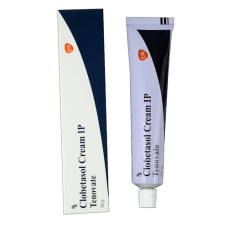
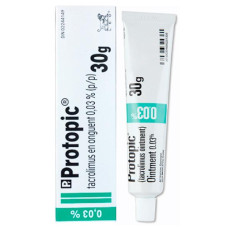
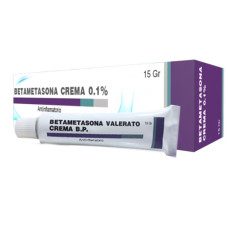
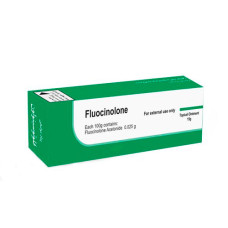
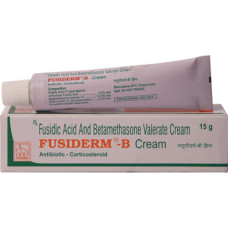
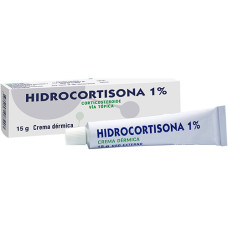
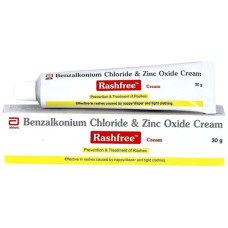
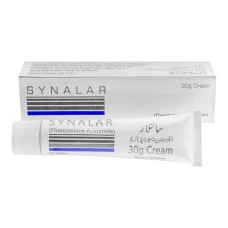
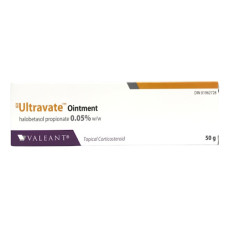
Several classes of drugs are used to control eczema symptoms. Topical corticosteroids reduce inflammation and itching; examples include hydrocortisone and betamethasone. Calcineurin inhibitors like tacrolimus and pimecrolimus modulate immune responses and are useful for sensitive areas. Emollients or moisturizers help restore the skin barrier and prevent dryness. In severe cases, systemic corticosteroids or immunosuppressants such as methotrexate may be prescribed under medical supervision. Phototherapy is another option for chronic, resistant eczema. The choice of medication depends on disease severity, patient age, and response to previous treatments.
| Drug Group | Example Active Ingredient | Therapeutic Purpose |
|---|---|---|
| Topical corticosteroids | Hydrocortisone, Betamethasone | Reduce inflammation and itching |
| Calcineurin inhibitors | Tacrolimus, Pimecrolimus | Suppress immune response in sensitive areas |
| Emollients/moisturizers | Urea, Ceramides | Restore skin barrier, prevent dryness |
| Systemic corticosteroids | Prednisone | Control severe flare-ups |
| Immunosuppressants | Methotrexate | For resistant cases |
Natural Remedies for Eczema
Complementary approaches can help alleviate symptoms but should not replace medical treatment. Natural remedies such as coconut oil, colloidal oatmeal baths, aloe vera gel, and chamomile extracts may soothe irritated skin and reduce inflammation. Maintaining proper hydration and avoiding known triggers are also beneficial. Always consult a healthcare professional before trying new natural therapies to ensure safety and compatibility with prescribed medications. These methods can support overall skin health and comfort when used responsibly.
Common Forms and Presentations: Tablets, Capsules, and More
Medications for eczema are available in various forms, including topical creams, ointments, tablets, capsules, and injections. Topical formulations are most common for localized treatment, offering direct application to affected areas. Oral tablets and capsules are used for systemic control in severe cases, providing convenience and rapid absorption. Injections may be necessary for refractory or widespread disease, especially when other treatments fail. Each form offers specific advantages, such as quick action or targeted delivery, tailored to the patient's needs and disease severity.
Over-the-Counter (OTC) Medications
For mild eczema symptoms, OTC products can provide relief. These include hydrocortisone creams, antihistamines to reduce itching, and emollients for skin hydration. Use these products as directed and monitor symptoms closely. If symptoms persist beyond a week or worsen, consulting a healthcare professional is essential. OTC options are suitable for managing minor flare-ups but are not substitutes for prescription therapies in more severe cases.
| OTC Product | When to Use | Notes |
|---|---|---|
| Hydrocortisone cream 1% | Mild inflammation and itching | Apply sparingly, avoid long-term use |
| Antihistamines | Itching relief, especially at night | Check for sedative effects |
| Emollients | Skin hydration and barrier repair | Use regularly, especially after bathing |
These options are suitable for minor symptoms but should not replace medical advice if symptoms worsen.
Precautions and Side Effects
Even medications considered safe can cause adverse reactions if misused. Following medical instructions precisely minimizes risks. Side effects may include skin thinning with topical steroids, systemic effects with oral corticosteroids, or allergic reactions. Particular caution is needed for vulnerable groups such as children, pregnant women, and the elderly. Regular monitoring by a healthcare provider ensures safe and effective therapy, reducing the likelihood of complications. Awareness of potential side effects helps in early detection and management.
Most Common Side Effects
Common mild side effects include skin irritation, burning sensation, or dryness at the application site. More serious adverse reactions, though rare, can involve allergic dermatitis, hormonal imbalances, or liver issues with systemic medications. In some cases, prolonged use of topical steroids may cause skin thinning or stretch marks. Recognizing these effects early allows for prompt intervention and adjustment of therapy. Always report any unusual or severe symptoms to your healthcare provider.
| Effect Type | Frequency | Severity | Recommendation |
|---|---|---|---|
| Skin irritation | Common | Minor | Discontinue or adjust treatment |
| Allergic reactions | Rare | Serious | Seek immediate medical attention |
| Hormonal effects | Very rare | Severe | Monitor and consult doctor |
Safe Medication Use Tips
- Always follow prescribed dosages and application instructions.
- Avoid combining medications without medical advice.
- Store medicines in a cool, dry place away from children.
- Do not use expired products.
- Schedule regular follow-up appointments to monitor effects.
- Report any adverse reactions promptly to your healthcare provider.
Responsible medication use and ongoing medical supervision are key to achieving optimal results and minimizing risks.
Prevention and Daily Care
Effective management of eczema involves daily skincare routines and lifestyle adjustments. Regular use of moisturizers, avoiding known irritants, and maintaining proper hygiene help prevent flare-ups. Routine medical check-ups enable early detection of triggers and timely intervention. Adopting a healthy lifestyle, including stress management and balanced diet, supports skin health. Tailoring prevention strategies to individual needs enhances long-term control and reduces the frequency of episodes. Educating oneself about triggers and maintaining consistent skincare are fundamental components of effective eczema management.
Recommended Habits to Reduce Eczema Risk
Implementing simple daily habits can significantly lower the chances of developing or worsening eczema. These include maintaining skin hydration through regular use of emollients, avoiding harsh soaps and detergents, and wearing soft, breathable clothing. Managing stress through relaxation techniques and ensuring adequate sleep also contribute to skin health. A balanced diet rich in anti-inflammatory foods may help reduce systemic inflammation. Protecting skin from extreme weather conditions and avoiding known allergens further minimizes triggers. Consistent skincare routines and prompt attention to early symptoms are vital for prevention.
| Area of Prevention | Recommended Measures | Main Benefit |
|---|---|---|
| Skin care | Regular moisturizing, gentle cleansing | Maintains skin barrier integrity |
| Environmental control | Avoid allergens, use air purifiers | Reduces exposure to triggers |
| Lifestyle | Stress management, healthy diet | Supports immune function and skin health |
| Clothing | Wear soft, natural fabrics | Reduces irritation and friction |
Additional Preventive Measures
Secondary prevention includes regular medical check-ups, vaccination updates if applicable, and possibly supplementing with vitamins such as vitamin D to support immune health. Following medical advice on avoiding known triggers and adhering to prescribed treatments helps maintain remission. Educating oneself about early signs of flare-ups enables timely intervention, reducing severity and duration. These measures collectively contribute to better long-term control and overall well-being.
- Schedule routine dermatological evaluations.
- Keep vaccinations up to date.
- Consider vitamin supplementation under medical guidance.
- Follow personalized trigger avoidance strategies.
Implementing these secondary measures enhances disease management and promotes skin health over time.
Prognosis and Recovery
The outlook for individuals with eczema largely depends on the disease's type, severity, and how promptly and effectively it is treated. With appropriate therapy and lifestyle adjustments, most patients experience significant symptom relief and achieve good skin condition. Chronic cases may require ongoing management and monitoring to prevent recurrences. Adherence to medical advice and maintaining a healthy lifestyle are essential for a favorable prognosis. Early intervention and consistent care can lead to long-lasting remission and improved quality of life.
Typical Recovery Time
The duration of recovery varies based on severity. Mild eczema often resolves within a few days to weeks with proper skincare and topical treatments. Moderate to severe cases may take several weeks or months to fully heal, especially if systemic therapies are involved. Chronic eczema may require continuous management, with periods of flare-ups and remission. Regular follow-up and adherence to treatment plans are crucial for optimal recovery. In some cases, skin may take longer to heal due to persistent triggers or underlying conditions.
| Type of Case | Average Recovery Time | Comments |
|---|---|---|
| Mild eczema | Few days to 2 weeks | Responsive to topical treatments |
| Moderate eczema | 2-8 weeks | May need systemic therapy |
| Severe/chronic eczema | Several weeks to months | Requires ongoing management |
Persistent cases may need continuous monitoring to achieve gradual improvement and prevent relapses.
Factors Enhancing Prognosis
- Early diagnosis and prompt initiation of treatment
- Adherence to prescribed therapies and skincare routines
- Effective trigger avoidance and lifestyle modifications
- Regular follow-up with healthcare providers
- Patient education and self-management skills
These factors significantly increase the chances of complete remission and reduce the likelihood of recurrences.
Lifestyle Changes for Better Outcomes
Adopting healthy habits can accelerate healing and prevent future flare-ups. This includes maintaining consistent skin hydration, avoiding known irritants, and managing stress effectively. Incorporating a balanced diet rich in anti-inflammatory foods supports immune health. Wearing comfortable, breathable clothing minimizes skin irritation. Regular skin assessments and prompt attention to early symptoms help in controlling the disease. Educating oneself about personal triggers and adhering to medical advice are key components of long-term management.
Potential Complications
If left untreated or poorly managed, eczema can lead to complications such as skin infections, which may cause increased redness, swelling, and pus. Chronic scratching can result in thickened, leathery skin, and in some cases, secondary bacterial or fungal infections develop. Severe cases may cause sleep disturbances, emotional distress, and social withdrawal. Rarely, widespread skin breakdown can lead to systemic infections requiring urgent care. Preventing these complications depends on consistent treatment, proper skin care, and early intervention when symptoms worsen. With appropriate management, most patients avoid long-term issues and maintain good skin health.
| Complication | Frequency | Severity | Prevention |
|---|---|---|---|
| Skin infection (bacterial, fungal) | Common in scratched skin | Serious if untreated | Maintain hygiene, treat infections promptly |
| Skin thickening (lichenification) | Chronic scratching | Persistent, cosmetic concern | Control itching, moisturize regularly |
| Sleep disturbance | Frequent in severe cases | Impact on quality of life | Manage symptoms, avoid triggers |
Proper management and patient engagement are essential to prevent these long-term complications.
Frequently Asked Questions about Eczema and Its Treatment
This section addresses common questions patients have regarding eczema, from medication choices to treatment duration. It is based on current medical guidelines and scientific evidence, aiming to clarify doubts and provide practical advice. However, individual cases vary, and consulting a healthcare professional remains essential for personalized care. Understanding these aspects helps patients better manage their condition and adhere to effective treatment plans.
Which Medications Are Most Effective According to Evidence?
Clinical studies have demonstrated that topical corticosteroids are highly effective in reducing inflammation and itching during flare-ups. Examples include hydrocortisone and betamethasone, which are often first-line treatments. Calcineurin inhibitors like tacrolimus and pimecrolimus have shown efficacy in sensitive areas and for long-term control, especially when steroids are contraindicated. Emollients are universally recommended to restore skin barrier function and prevent dryness. For severe cases, systemic therapies such as corticosteroids or immunosuppressants may be necessary, with evidence supporting their use under medical supervision. The choice depends on disease severity, location, and patient-specific factors.
| Medication Group | Examples | Proven Effectiveness |
|---|---|---|
| Topical corticosteroids | Hydrocortisone, Betamethasone | High, reduces inflammation rapidly |
| Calcineurin inhibitors | Tacrolimus, Pimecrolimus | Effective for sensitive areas and long-term use |
| Emollients | Ceramides, Urea-based creams | Essential for barrier repair |
| Systemic agents | Prednisone, Methotrexate | Reserved for severe, refractory cases |
The optimal treatment plan should be tailored to individual needs, guided by clinical evidence and medical advice.
Can I Manage Eczema Safely at Home Without a Doctor?
For mild eczema, some measures can be taken at home, such as using moisturizers, avoiding irritants, and taking antihistamines for itching relief. However, it is important not to rely solely on self-care, especially if symptoms persist or worsen. Consulting a healthcare professional ensures accurate diagnosis and appropriate treatment, preventing complications. Self-management should complement, not replace, medical guidance. Monitoring symptoms and seeking medical advice when necessary helps maintain skin health and prevent chronic issues.
- Use prescribed or recommended topical treatments
- Maintain good skin hydration
- Avoid known triggers and irritants
- Seek medical advice if symptoms worsen or do not improve
- Follow healthcare provider instructions carefully
While home care can be effective for mild cases, professional evaluation is essential for optimal management.
What Is the Typical Duration of Treatment and Follow-up?
The length of treatment varies depending on the severity and response. Mild eczema may resolve within days to weeks with proper skincare and topical medications. Moderate to severe cases often require several weeks or months of therapy, including systemic treatments if necessary. Follow-up visits are crucial to assess progress, adjust medications, and prevent relapses. The treatment duration is individualized, and ongoing management may be needed for chronic or recurrent eczema. Regular monitoring ensures sustained control and minimizes the risk of long-term skin damage.
| Type of Treatment | Estimated Duration | Recommended Follow-up |
|---|---|---|
| Mild eczema | Few days to 2 weeks | After initial improvement, as advised |
| Moderate eczema | 2-8 weeks | Periodic assessments for adjustments |
| Severe/chronic eczema | Several months or ongoing | Regular specialist visits |
Adherence to follow-up schedules optimizes treatment outcomes and skin health.
Where to Purchase Eczema Medications
Medications for eczema are widely available in pharmacies and online stores. It is essential to verify the legitimacy of the pharmacy, ensuring licensed and certified sources to avoid counterfeit products. Authentic medications guarantee safety and efficacy, which are critical for managing a chronic condition like eczema. Our online pharmacy offers all eczema treatments, including prescription and over-the-counter options, with strict quality controls. Always check the licensing, product packaging, and expiration date before purchasing. Consulting a pharmacist can also help in selecting the appropriate medication and understanding proper usage.
Safe Shopping in Our Online Pharmacy
Buying from our authorized online pharmacy offers numerous advantages, including professional advice, guaranteed product authenticity, and secure payment options. We ensure strict quality control, proper packaging, and discreet shipping to protect your privacy. To ensure a safe purchase, verify the pharmacy’s license, check product labels, and confirm the expiration date. If in doubt, consult our pharmacists for guidance. Our platform provides detailed product descriptions and customer support to assist you in making informed decisions. Always prefer licensed pharmacies to avoid counterfeit or substandard products.
Can I Buy Eczema Medications Online Without a Prescription?
Yes, in Italy, all medications for eczema, including topical corticosteroids and emollients, can be purchased online without a prescription through our pharmacy. However, it is important to use these medications responsibly and follow the recommended guidelines. While OTC options are available, consulting a healthcare professional is advisable for persistent or severe symptoms. Proper diagnosis and tailored treatment plans ensure safety and effectiveness. Always verify the authenticity of the product and avoid unverified sources to prevent counterfeit medicines. Our pharmacy provides genuine products with clear instructions for safe use.
- Ensure the pharmacy is licensed and reputable
- Check product authenticity and expiration date
- Follow recommended dosages and application instructions
- Consult a pharmacist if unsure about the product
- Avoid purchasing from unverified or suspicious sources
Shipping Options and Quality Assurance
We offer various shipping methods, including standard, express, and international delivery, tailored to your needs. All shipments are carefully tracked, with batch numbers and lot control to ensure quality. We implement strict measures such as temperature control and secure packaging to preserve medication integrity. Our logistics partners provide real-time tracking, and shipments are discreetly packaged to protect your privacy. These measures guarantee that your medications arrive safely and in optimal condition, maintaining high standards of quality and safety throughout the delivery process.
- Multiple shipping options for convenience
- Traceability and batch control for safety
- Secure, discreet packaging
- Temperature and condition monitoring during transit
- Real-time shipment tracking
Pricing, Availability, and Discounts in Italy
The cost of eczema medications in Italy varies based on factors such as brand or generic, dosage, form (creams, tablets, capsules), and whether a prescription is required. Prices can fluctuate depending on the pharmacy channel—physical or online—and regional differences. Some formulations or strengths may be available only upon request, and seasonal demand can influence stock levels. Many pharmacies offer discounts, coupons, and loyalty programs, making treatments more affordable. Patients are encouraged to compare prices, inquire about generic options, and take advantage of promotional offers. Consulting with a pharmacist can help identify the most cost-effective and suitable treatment options, ensuring access to quality medications at competitive prices.
| Prodotti in farmacia | Prezzo |
|---|---|
| Tenovate Crema 15/30 g | 97.07 € |
| Protopic 0.03% Crema | 47.22 € |
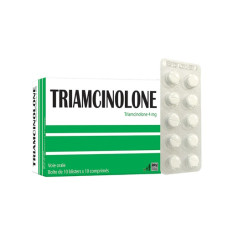
| Triamcinolone 4mg compresse | 39.35 € |
| Betametasone Valerato Crema | 0.00 € |
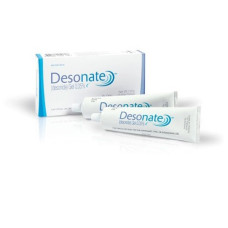
| Desonate | 0.00 € |
Domande frequenti su Eczema nel 2026
-
È necessaria una ricetta per acquistare Eczema in farmacia?
-
Quanto costa Eczema?
-
Posso acquistare Eczema nella vostra farmacia online?
-
Eczema è legale in Italia?
-
Quali sono le condizioni di spedizione?
-
Quali metodi di pagamento accettate?
-
Prodotti più popolari in farmacia