


Medications for Atopic Dermatitis
Atopic dermatitis, commonly known as eczema, is a chronic inflammatory skin condition characterized by dry, itchy, and inflamed skin. It affects people of all ages but is especially common in children. Managing this condition often requires a combination of skincare routines and pharmacological treatments to control symptoms and prevent flare-ups. Early diagnosis and appropriate medication use can significantly improve quality of life by reducing discomfort and skin damage. Scientific studies highlight that tailored treatments, including topical and systemic medications, are essential for effective management and long-term control.
What is Atopic Dermatitis?
Atopic dermatitis is a long-lasting (chronic) skin disorder that causes the skin to become red, dry, itchy, and inflamed. It primarily affects the skin's outer layer, leading to a compromised barrier that makes the skin more susceptible to irritants and allergens. The condition often appears in early childhood but can persist into adulthood or develop later in life. Recognizing and treating atopic dermatitis promptly is crucial to prevent complications such as skin infections or worsening of symptoms. Scientific research emphasizes that early intervention can help break the cycle of inflammation and reduce the severity of flare-ups.
Definition and Main Characteristics of Atopic Dermatitis
Atopic dermatitis is a multifactorial inflammatory skin disease caused by genetic predisposition, immune system dysregulation, and environmental factors. It manifests as recurrent episodes of dry, itchy, and inflamed skin, often with a relapsing-remitting course. The severity can range from mild patches to widespread, severe skin involvement. Key features include skin barrier dysfunction, increased susceptibility to infections, and a tendency for flare-ups triggered by allergens, irritants, or stress. Risk groups include infants, children, and individuals with a family history of allergies or asthma. Scientific studies confirm that the disease's progression involves complex interactions between genetic and environmental factors, making personalized treatment essential.
| Characteristic | Description |
|---|---|
| Type | Chronic inflammatory skin condition with relapsing episodes |
| Causes | Genetic predisposition, immune dysregulation, environmental triggers |
| Symptoms | Dryness, itching, redness, inflammation, possible skin infections |
| Risk groups | Infants, children, individuals with allergy or asthma history |
| Progression | Relapsing-remitting with potential for skin thickening and infections |
Causes and Risk Factors of Atopic Dermatitis
Atopic dermatitis results from a combination of genetic, environmental, and lifestyle factors. Genetic predisposition plays a significant role, with mutations affecting skin barrier proteins like filaggrin. Environmental triggers such as allergens (pollen, dust mites), irritants (soaps, detergents), climate changes, and pollution can exacerbate symptoms. Lifestyle habits, including stress and diet, also influence disease activity. Age is a relevant factor, as infants and young children are more prone to developing the condition, though it can persist or start later in life. Scientific literature indicates that multifactorial interactions are responsible for disease onset and severity, emphasizing the importance of comprehensive management strategies.
| Risk Factor | Description | Probability |
|---|---|---|
| Genetics | Family history of atopy increases risk | High |
| Environmental allergens | Pollen, dust mites, pet dander | Moderate to high |
| Irritants | Harsh soaps, detergents, synthetic fabrics | Moderate |
| Climate | Extreme cold or dry weather worsens symptoms | Variable |
| Stress | Emotional stress can trigger flare-ups | Moderate |
Symptoms of Atopic Dermatitis
The symptoms of atopic dermatitis include persistent dry, itchy skin, redness, swelling, and sometimes oozing or crusting. The severity and location of symptoms can vary depending on the stage of the disease and individual factors. Commonly affected areas in children include the face, neck, and hands, while adults often experience symptoms on the elbows, knees, and neck. Recognizing these signs early is vital for initiating appropriate treatment and preventing complications like skin infections. Scientific studies show that early symptom management can reduce the frequency and intensity of flare-ups, improving overall skin health.
How to Recognize Early Signs of Atopic Dermatitis
In the initial stages, atopic dermatitis often presents as dry, rough patches of skin accompanied by intense itching. These patches may appear red or slightly swollen and are usually localized on the face, hands, or behind the knees. The itching can be severe enough to disturb sleep and lead to scratching, which worsens skin damage. Early signs can sometimes be mistaken for other skin conditions, but persistent dryness and itching, especially in individuals with a family history of allergies, should prompt further evaluation. Scientific research indicates that early identification and management of these symptoms can prevent progression to more severe forms of the disease.
Diagnosis and When to See a Doctor
Diagnosis of atopic dermatitis is primarily clinical, based on medical history and physical examination. Dermatologists look for characteristic signs such as dry, inflamed skin, and recurrent flare-ups. They may also use skin tests or blood tests to identify specific allergens contributing to the condition. It is important not to self-medicate, as incorrect treatment can worsen symptoms or mask underlying issues. Consulting a healthcare professional ensures an accurate diagnosis and tailored treatment plan. Early diagnosis improves treatment outcomes and helps prevent complications like infections or chronic skin changes. Scientific evidence supports that specialist evaluation is essential for effective long-term management.
Diagnostic Tests and Methods for Atopic Dermatitis
Diagnosis involves a thorough clinical examination and patient history. Skin prick tests or specific IgE blood tests can identify allergen sensitivities. In some cases, skin biopsy may be performed to rule out other skin conditions. These tests help confirm the diagnosis and guide allergen avoidance strategies. The diagnostic value of skin testing is well-supported by scientific studies, which show that identifying triggers can significantly reduce flare-ups. Laboratory assessments are particularly useful in atypical or severe cases to tailor treatment approaches.
| Test Type | Purpose | Diagnostic Value |
|---|---|---|
| Skin prick test | Detect allergen sensitivities | High |
| Specific IgE blood test | Identify allergen-specific antibodies | Moderate to high |
| Skin biopsy | Exclude other skin diseases | Variable |
Signs That Require Urgent Medical Attention
Immediate medical care is necessary if symptoms worsen suddenly or if signs of infection appear, such as increased redness, swelling, warmth, pus, or fever. Severe pain, extensive skin involvement, or signs of systemic illness like difficulty breathing or dizziness also warrant urgent evaluation. Additionally, if the skin becomes cracked or bleeding excessively, or if there are signs of allergic reactions like swelling of the face or throat, prompt medical intervention is essential. Delaying treatment in these situations can lead to serious complications. Scientific literature emphasizes that early recognition of these warning signs can prevent escalation and improve outcomes.
Types of Medications and Treatments
Managing atopic dermatitis involves a range of medications tailored to disease severity, age, and individual response. Mild cases may be controlled with over-the-counter emollients and topical corticosteroids, while more severe cases often require prescription medications. The choice of therapy depends on the extent and intensity of symptoms, with systemic treatments reserved for refractory or widespread disease. Always under medical supervision, treatment plans aim to reduce inflammation, restore skin barrier function, and prevent flare-ups. Scientific research supports a personalized approach, combining topical and systemic therapies as needed for optimal control.
Medications for Atopic Dermatitis
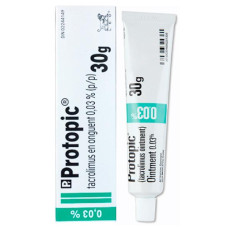
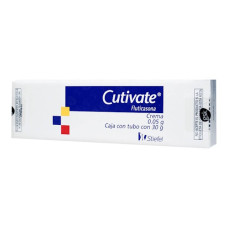
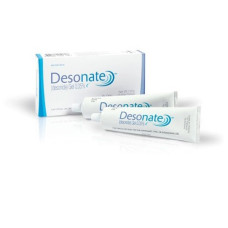
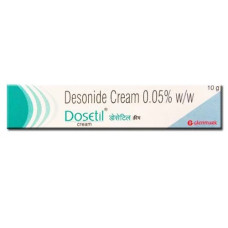
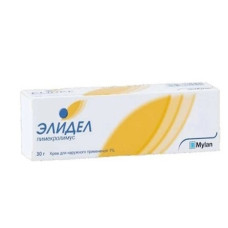
The main drug groups used include topical corticosteroids, calcineurin inhibitors, antihistamines, and systemic immunosuppressants. Topical corticosteroids, such as hydrocortisone or betamethasone, reduce inflammation and itching. Calcineurin inhibitors like tacrolimus and pimecrolimus are used as steroid-sparing agents, especially in sensitive areas. Antihistamines help alleviate itching, particularly when sleep is disturbed. In severe cases, systemic drugs like cyclosporine or methotrexate may be prescribed to suppress immune activity. Scientific studies confirm the efficacy of these medications in controlling symptoms and preventing flare-ups when used appropriately.
| Drug Group | Example Active Substance | Therapeutic Goal |
|---|---|---|
| Topical corticosteroids | Hydrocortisone, Betamethasone | Reduce inflammation and itching |
| Calcineurin inhibitors | Tacrolimus, Pimecrolimus | Suppress immune response, steroid-sparing |
| Antihistamines | Diphenhydramine, Loratadine | Alleviate itching, improve sleep |
| Systemic immunosuppressants | Cyclosporine, Methotrexate | Control severe or refractory cases |
Natural Remedies for Atopic Dermatitis
Complementary approaches include moisturizing with natural oils like coconut or sunflower oil, applying soothing aloe vera gel, and taking dietary measures such as omega-3 fatty acids. Oatmeal baths and herbal infusions like chamomile may also provide relief from itching and inflammation. These remedies can support skin hydration and reduce discomfort but should not replace prescribed medications. Scientific evidence suggests that natural therapies can be beneficial as adjuncts, especially in mild cases, when used under medical supervision. Always consult a healthcare professional before starting any alternative treatments to ensure safety and compatibility with ongoing therapy.
Common Forms and Presentations: Tablets, Capsules, Liquids
Medications for atopic dermatitis are available in various forms, including topical creams, ointments, tablets, capsules, and liquids. Topical forms are most common for localized treatment, offering direct application to affected areas. Oral tablets and capsules are used for systemic control in severe or widespread cases, providing convenience and rapid absorption. Liquids or syrups are often prescribed for children or individuals who have difficulty swallowing pills. Each form offers specific advantages, such as quick action or ease of use, and is selected based on the severity and location of symptoms. Scientific studies support the tailored use of different formulations to optimize treatment efficacy and patient compliance.
Over-the-Counter (OTC) Medications
For mild symptoms, OTC options like emollients, hydrocortisone creams, and antihistamines can provide relief. Hydrocortisone 1% cream is commonly used to reduce inflammation, while antihistamines such as loratadine help control itching and improve sleep quality. These medications are generally safe when used as directed but should not replace medical advice for persistent or worsening symptoms. If symptoms persist beyond a week or worsen, consulting a healthcare professional is recommended. Scientific evidence indicates that OTC treatments are effective for managing mild flare-ups but are insufficient for severe or complicated cases.
| Medication Type | When to Use | Notes |
|---|---|---|
| Hydrocortisone cream | Mild inflammation, localized areas | Use for short periods, avoid long-term use |
| Antihistamines | Itching relief, sleep improvement | Check for sedative effects |
| Emollients | Daily skin hydration | Apply frequently, especially after bathing |
Precautions and Side Effects
Even medications considered safe can cause adverse reactions if misused. Common side effects include skin thinning from topical steroids, drowsiness from antihistamines, or gastrointestinal discomfort from systemic drugs. Serious reactions like allergic responses, liver or kidney issues, or cardiovascular problems are rare but possible. Following prescribed dosages, avoiding prolonged use of potent steroids, and monitoring for unusual symptoms help minimize risks. Special caution is advised for children, pregnant women, elderly, and those with chronic illnesses, who may require tailored dosing or additional precautions. Scientific literature emphasizes that responsible medication use is essential for safety and effectiveness.
Most Common Side Effects
Common minor side effects include skin irritation, dryness, or mild burning sensations. More serious adverse effects, though rare, can involve allergic reactions such as swelling or difficulty breathing, or systemic effects like liver toxicity or hypertension. The risk of severe reactions increases with improper use or prolonged therapy. Patients should be vigilant and report any unusual symptoms to their healthcare provider promptly. Regular follow-up and adherence to medical instructions are key to avoiding complications. Scientific data underscores that careful management reduces the incidence of adverse events.
Tips for Safe Medication Use
- Follow the prescribed dosage and duration strictly.
- Avoid combining medications without medical advice, especially with alcohol or certain foods.
- Store medicines in a cool, dry place away from children.
- Attend regular medical check-ups to monitor treatment effects.
- Report any side effects or unusual symptoms immediately.
Prevention and Daily Care
Implementing daily skincare routines and lifestyle measures plays a vital role in managing atopic dermatitis. Regular use of moisturizers, avoiding known triggers, and maintaining good hygiene can reduce flare-ups. Routine medical check-ups help detect early signs of worsening and adjust treatments accordingly. Adopting a healthy diet, managing stress, and ensuring adequate sleep also contribute to better skin health. Scientific evidence supports that consistent preventive measures can decrease the frequency and severity of episodes, improving overall quality of life.
Recommended Habits to Reduce Risk
Maintain skin hydration with regular use of emollients, avoid harsh soaps and irritants, wear breathable fabrics, and manage stress through relaxation techniques. A balanced diet rich in omega-3 fatty acids and antioxidants may support skin health. Avoiding allergens like pollen or pet dander and keeping living environments clean can prevent triggers. Regular exercise and sufficient sleep strengthen immune function, reducing susceptibility. These lifestyle modifications, supported by scientific research, help prevent initial onset and recurrences of atopic dermatitis.
Secondary Preventive Measures
Secondary prevention includes routine medical evaluations, allergen testing, and vaccination when appropriate. Supplementing with vitamins such as vitamin D or using prescribed medications prophylactically can help maintain skin stability. Following medical advice on avoiding known triggers and adhering to treatment plans reduces the risk of severe flare-ups. Regular check-ups allow early detection of complications and adjustment of therapy. Scientific studies confirm that proactive management and preventive strategies improve long-term outcomes and quality of life.
Prognosis and Recovery
The outlook for atopic dermatitis varies depending on disease severity, early intervention, and overall health. Most patients experience significant improvement with appropriate treatment, and many achieve remission. Long-term management and lifestyle adjustments are crucial for controlling symptoms and preventing recurrences. Scientific evidence indicates that with consistent care, the prognosis is generally favorable, especially when flare-ups are promptly addressed. Maintaining skin hydration, avoiding triggers, and following medical advice contribute to better outcomes and quality of life.
Typical Recovery Time
The time to recover from atopic dermatitis depends on the severity and treatment response. Mild cases often resolve within a few days to weeks with proper skincare and topical therapy. Moderate to severe cases may require several weeks or months of treatment, with ongoing management to prevent relapses. Chronic forms may need continuous or periodic therapy, with regular monitoring. Scientific data suggests that early and consistent treatment accelerates healing and reduces long-term skin damage.
| Type of Case | Average Recovery Time | Follow-up |
|---|---|---|
| Mild | Few days to weeks | Periodic assessments every 3-6 months |
| Moderate to severe | Several weeks to months | Regular monitoring every 1-3 months |
| Chronic | Ongoing, with flare management | Continuous follow-up with specialist |
Factors Improving Prognosis
- Early diagnosis and prompt treatment initiation
- Adherence to prescribed therapy and skincare routines
- Identification and avoidance of triggers
- Maintaining skin hydration and barrier function
- Regular medical follow-up and monitoring
Lifestyle Changes for Better Outcomes
Adopting healthy habits such as consistent skin hydration, avoiding known irritants, managing stress, and maintaining a balanced diet can accelerate healing and prevent recurrences. Wearing suitable clothing, practicing good hygiene, and ensuring adequate sleep also support skin health. Scientific evidence underscores that lifestyle modifications complement medical treatment, leading to improved long-term control of atopic dermatitis. Patients are encouraged to incorporate these habits into daily routines for optimal results.
Potential Complications
If not properly managed, atopic dermatitis can lead to complications such as skin infections, due to scratching and skin barrier disruption. Chronic inflammation may cause skin thickening (lichenification) and pigmentation changes. Severe cases can result in systemic infections or allergic reactions. In some instances, untreated or poorly controlled disease increases the risk of developing other allergic conditions like asthma or hay fever. Preventing these complications depends on timely and effective medical intervention, patient adherence, and lifestyle adjustments. Scientific studies confirm that comprehensive management reduces the risk of long-term adverse outcomes.
| Complication | Frequency | Severity | Prevention |
|---|---|---|---|
| Skin infections | Common in active cases | Moderate to severe | Proper skin hygiene, avoid scratching |
| Skin thickening (lichenification) | Chronic cases | Persistent, cosmetic concern | Consistent treatment, trigger avoidance |
| Secondary bacterial infections | Occasional | Potentially serious | Prompt treatment of infections |
| Development of other allergic conditions | Variable | Chronic, systemic | Effective allergy management |
With proper treatment and ongoing care, most patients with atopic dermatitis achieve satisfactory control and avoid long-term complications, leading to improved quality of life.
Frequently Asked Questions about Atopic Dermatitis and Its Treatment
This section addresses common questions patients have about managing atopic dermatitis, including medication choices, treatment duration, and lifestyle tips. The information provided is based on current medical guidelines and scientific research but does not replace personalized advice from healthcare professionals. Understanding these aspects can help patients better navigate their condition and adhere to effective management strategies.
Which medications are most effective, according to evidence?
Clinical studies confirm that topical corticosteroids and calcineurin inhibitors are highly effective in reducing inflammation and controlling flare-ups. For example, hydrocortisone and tacrolimus have demonstrated significant benefits in randomized trials. Systemic treatments like cyclosporine are reserved for severe cases and have shown good efficacy in short-term control. The choice depends on disease severity, location, and patient age. Scientific evidence supports a tailored approach, combining medications as needed to optimize outcomes. The selection of therapy should always consider individual patient factors and potential side effects.
Can I treat atopic dermatitis safely at home without a doctor?
In mild cases, patients may manage symptoms with over-the-counter emollients, topical steroids, and antihistamines, following medical advice. Maintaining skin hydration, avoiding known triggers, and practicing good hygiene are essential. However, it is important not to rely solely on self-treatment for persistent or worsening symptoms. Regular medical consultation ensures appropriate management and prevents complications. Scientific research emphasizes that while home care can be effective for mild cases, professional guidance is crucial for optimal control and safety.
What is the typical duration of treatment and follow-up?
The length of therapy varies depending on disease severity and response. Mild cases may resolve within days to weeks with proper skincare, while severe or chronic cases may require ongoing treatment over months or years. Follow-up visits are recommended every 3-6 months for mild cases and more frequently for severe or unstable disease. Adjustments to therapy are often necessary based on disease activity. Scientific data indicates that consistent follow-up improves long-term management and reduces relapse rates.
| Type of Treatment | Estimated Duration | Recommended Follow-up |
|---|---|---|
| Mild cases | Few days to weeks | Every 3-6 months |
| Moderate to severe | Several weeks to months | Every 1-3 months |
| Chronic management | Ongoing | Regular monitoring as advised |
These questions and answers serve as a general guide; however, each patient’s situation is unique and requires individual assessment by a healthcare professional.
Where to Purchase Medications for Atopic Dermatitis
Medications for atopic dermatitis are available both in physical pharmacies and online stores. It is essential to verify the legitimacy of the pharmacy, check the quality and authenticity of the products, and avoid counterfeit medicines. Our online pharmacy offers all medications for atopic dermatitis, including topical and systemic options, with certified quality standards. Purchasing from authorized sources ensures safety and efficacy, especially when dealing with sensitive skin conditions. Always confirm that the pharmacy is licensed and provides genuine products before making a purchase.
Secure Shopping in Our Online Pharmacy
Shopping through our authorized online pharmacy offers numerous benefits, including professional consultation, guaranteed product authenticity, and secure payment options. We ensure proper packaging, discreet shipping, and traceability of each order. To ensure a safe purchase, verify the pharmacy’s license, check product labels, expiration dates, and consult our pharmacists for guidance. Our platform adheres to strict quality controls, providing peace of mind and reliable service. Scientific studies support that purchasing from certified online pharmacies reduces the risk of counterfeit products and ensures safe treatment.
Is It Possible to Buy Medications Online Without a Prescription?
Yes, in Italy, all medications for atopic dermatitis are available online without a prescription through our pharmacy. This includes topical treatments, emollients, and certain over-the-counter drugs. However, it remains important to use these medications responsibly, follow dosing instructions carefully, and consult a healthcare professional if symptoms persist or worsen. Proper self-management can be effective for mild cases, but professional evaluation is recommended for severe or complicated conditions. Ensuring safe online purchasing involves verifying the pharmacy’s credentials, checking product authenticity, and avoiding unverified sources. Patients should always prioritize safety and quality when buying medications online.
Shipping Options and Quality Assurance
We offer various shipping methods, including standard, express, and international delivery, tailored to customer needs. Each shipment is carefully tracked, with batch numbers and temperature controls to maintain product integrity. Our packaging ensures discretion and protection against damage. Quality assurance measures include strict control of raw materials, batch traceability, and compliance with safety standards. Customers can track their orders in real-time and rely on our commitment to delivering genuine, high-quality products. These measures ensure that medications arrive safely and are effective upon receipt.
Price, Availability, and Discounts in Italian Pharmacies
The cost of atopic dermatitis medications in Italy varies based on factors such as the drug’s brand or generic status, dosage, form (cream, capsule, syrup), and whether a prescription is required. Prices can fluctuate depending on the pharmacy, region, and current promotions. Some formulations may be available immediately, while others require special ordering, especially in cases of specific dosages or formulations. Many pharmacies offer discounts, coupons, and loyalty programs to reduce costs. Patients are encouraged to compare prices between physical and online pharmacies, inquire about ongoing promotions, and ask pharmacists about generic options. Being informed about pricing and availability helps optimize treatment affordability and access to necessary medications.
| Prodotti in farmacia | Prezzo |
|---|---|
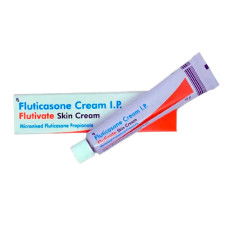
| Flutivate 0.05% Crema 10 g | 125.93 € |
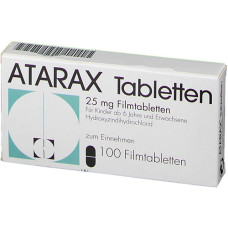
| Atarax 10/25 mg compresse | 84.83 € |
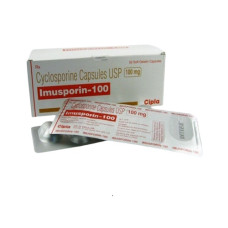
| Imusporin 100 mg capsule | 175.78 € |
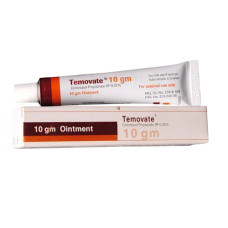
| Temovate Crema 15/30 g | 110.19 € |
| Protopic 0.03% Crema | 47.22 € |
Domande frequenti su Dermatite atopica nel 2026
-
È necessaria una ricetta per acquistare Dermatite atopica in farmacia?
-
Quanto costa Dermatite atopica?
-
Posso acquistare Dermatite atopica nella vostra farmacia online?
-
Dermatite atopica è legale in Italia?
-
Quali sono le condizioni di spedizione?
-
Quali metodi di pagamento accettate?
-
Prodotti più popolari in farmacia