


Medications for Allergic Dermatitis
Allergic dermatitis is a common skin condition characterized by inflammation, redness, itching, and swelling resulting from an allergic reaction. It affects the skin's outer layer and can be triggered by various allergens such as contact with certain substances, foods, or environmental factors. Proper treatment is essential to control symptoms, prevent complications, and improve quality of life. Pharmacological options, combined with lifestyle measures, play a crucial role in managing this condition effectively. Early diagnosis and appropriate therapy can significantly reduce discomfort and prevent chronicity, making it vital for affected individuals to seek medical advice promptly.
What is Allergic Dermatitis?
Allergic dermatitis is an inflammatory skin response caused by an allergic reaction to specific substances. It primarily affects the skin, presenting as redness, itching, and sometimes blistering or oozing. The condition can be acute or chronic, depending on exposure and individual sensitivity, and tends to recur if triggers are not identified and avoided. Recognizing and treating allergic dermatitis early is important to minimize discomfort and prevent long-term skin damage. It often results from contact with allergens like nickel, fragrances, or certain chemicals, and can significantly impact daily activities if left unmanaged.
Definition and Main Characteristics of Allergic Dermatitis
Allergic dermatitis is a type of eczema characterized by an immune-mediated skin inflammation triggered by allergen exposure. It develops when the skin comes into contact with substances that the immune system perceives as harmful, leading to an inflammatory response. The disease can be acute, with sudden onset, or chronic, with persistent or recurrent symptoms. Severity varies from mild redness and itching to severe swelling and blistering. Risk groups include individuals with a history of allergies, atopic dermatitis, or sensitivities to specific substances. The condition often follows a pattern of flare-ups and remissions, requiring tailored management strategies.
| Characteristic | Description |
|---|---|
| Type | Inflammatory skin condition (eczema) |
| Cause | Immune response to allergens (e.g., metals, fragrances) |
| Course | Can be acute or chronic with recurrent episodes |
| Severity | Range from mild redness to severe swelling and blistering |
| Risk groups | Individuals with atopic tendencies, sensitivities, or prior allergies |
Causes and Risk Factors of Allergic Dermatitis
The development of allergic dermatitis involves a combination of genetic, environmental, and behavioral factors. Common causes include contact with allergens such as nickel, fragrances, preservatives, and certain chemicals found in cosmetics or household products. Genetic predisposition plays a significant role, especially in individuals with atopic dermatitis or other allergic conditions. Environmental factors like pollution, climate, and exposure to irritants can increase susceptibility. Lifestyle habits, such as frequent handwashing or use of harsh soaps, may also contribute. Age influences risk, with children and young adults being more prone to certain allergens. Overall, the disease is multifactorial, often resulting from the interplay of internal and external triggers.
Factors Contributing to Allergic Dermatitis
Understanding the factors that cause or exacerbate allergic dermatitis is essential for prevention and management. These factors can be internal, such as genetic predisposition, or external, including environmental exposures and lifestyle choices. External triggers like contact with metals, fragrances, or chemicals are common culprits, while internal factors include immune system sensitivities. Stress and infections can also worsen symptoms, often acting in combination with other causes. Recognizing these contributors helps in adopting strategies to reduce exposure and prevent flare-ups.
| Type of Factor | Example | Mechanism of Influence |
|---|---|---|
| Genetic | Atopic family history | Increased immune sensitivity |
| Environmental | Nickel jewelry, fragrances | Direct skin contact with allergens |
| Behavioral | Frequent handwashing, use of harsh soaps | Skin barrier disruption |
| Stress and infections | Stress, bacterial or viral infections | Immune system modulation, inflammation escalation |
Symptoms of Allergic Dermatitis
The symptoms of allergic dermatitis typically include intense itching, redness, swelling, and sometimes blistering or oozing skin. These signs often appear at the site of contact with the allergen and can vary in severity. In early stages, symptoms may be limited to mild redness and itching, but with continued exposure, they can worsen, leading to skin thickening or cracking. Recognizing these early signs is crucial for prompt intervention, which can prevent progression and reduce discomfort. The condition may also cause dry, flaky skin and a burning sensation, affecting daily activities and sleep.
How to Recognize Early Signs of Allergic Dermatitis
In initial stages, common signs include localized redness, mild swelling, and persistent itching. These symptoms often appear within hours to days after contact with an allergen. They can be mistaken for other skin conditions like irritation or contact dermatitis, but the key difference is the allergic component and recurrence upon re-exposure. Early recognition allows for timely removal of the trigger and initiation of appropriate treatment. Some individuals may notice small bumps or dry patches before more extensive inflammation develops. Monitoring these early signs helps in preventing more severe skin reactions.
Diagnosis and When to Consult a Doctor
Diagnosing allergic dermatitis involves a thorough clinical examination and patient history to identify potential triggers. Dermatologists may perform patch tests to confirm specific allergens responsible for the reaction. Laboratory tests are generally not necessary unless other conditions are suspected. It is important not to self-medicate, as incorrect treatment can worsen symptoms or mask underlying issues. Consulting a healthcare professional ensures an accurate diagnosis and tailored treatment plan. Early diagnosis and intervention improve treatment outcomes and prevent chronic skin changes.
Diagnostic Tests and Methods for Allergic Dermatitis
Patch testing is the gold standard for identifying specific allergens causing dermatitis. During this procedure, small amounts of potential allergens are applied to the skin under occlusion, and reactions are observed after 48-96 hours. Skin examination assesses for redness, swelling, or blistering at test sites. Additional tests may include blood tests to evaluate immune response or rule out other skin conditions. Clinical history and physical examination are essential for guiding testing. These methods help confirm the allergenic cause and inform avoidance strategies.
| Type of Test | Purpose | Diagnostic Value |
|---|---|---|
| Patch test | Identify specific contact allergens | High sensitivity and specificity |
| Blood test (e.g., specific IgE) | Assess immune response | Supportive, less specific |
| Clinical examination | Assess skin lesions and history | Initial assessment and guidance |
Signs Requiring Urgent Medical Attention
If symptoms worsen rapidly, involve large areas of skin, or are accompanied by difficulty breathing, swelling of the face or throat, or fever, immediate medical care is necessary. Signs such as widespread blistering, signs of infection (pus, increased pain), or systemic symptoms indicate severe reactions requiring emergency intervention. Delayed treatment in these cases can lead to serious complications like infections or anaphylaxis. Prompt medical attention ensures appropriate management and prevents life-threatening outcomes.
Types of Medications and Treatments
The management of allergic dermatitis depends on symptom severity and individual factors. Mild cases may respond well to topical treatments available over the counter, while more severe or persistent cases often require prescription medications. Combining pharmacological therapy with lifestyle modifications enhances effectiveness. Always consult a healthcare professional before starting or changing treatment, especially in children, pregnant women, or those with underlying health conditions. Proper management aims to reduce inflammation, control itching, and prevent recurrences, ultimately improving skin health and comfort.
Medications for Allergic Dermatitis
Several classes of drugs are used to treat allergic dermatitis, each targeting specific symptoms or underlying inflammation. Topical corticosteroids are the mainstay for reducing inflammation and itching, with examples like hydrocortisone and betamethasone. Antihistamines, such as loratadine or cetirizine, help control itching and allergic responses systemically. In more resistant cases, immunomodulators like tacrolimus or pimecrolimus may be prescribed. For severe or widespread reactions, systemic corticosteroids or other immunosuppressants might be necessary under medical supervision. The choice of medication depends on the severity, location, and patient-specific factors.
| Type of Drug | Example of Active Ingredient | Therapeutic Purpose |
|---|---|---|
| Topical corticosteroids | Hydrocortisone, Betamethasone | Reduce inflammation and itching |
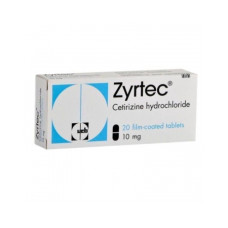
| Antihistamines | Loratadine, Cetirizine | Control allergic itching |
| Immunomodulators | Pimecrolimus, Tacrolimus | Suppress immune response in resistant cases |
Natural Remedies for Allergic Dermatitis
Complementary natural approaches can help alleviate symptoms but should not replace medical treatment. Applying cool compresses can reduce itching and inflammation. Moisturizers with soothing ingredients like aloe vera or oatmeal can restore skin barrier function. Herbal remedies such as chamomile or calendula may provide mild anti-inflammatory effects. Maintaining a healthy diet rich in antioxidants and avoiding known allergens also supports skin health. Always consult a healthcare provider before using natural remedies, especially if symptoms persist or worsen.
Common Forms and Presentations: Tablets, Capsules, Liquids
Medications for allergic dermatitis are available in various forms, including creams, ointments, tablets, capsules, and liquids. Topical forms like creams and ointments are preferred for localized skin lesions, offering direct application and rapid relief. Oral tablets and capsules are used for systemic control in more severe cases or widespread reactions, providing convenience and longer-lasting effects. Liquids or suspensions are often prescribed for children or those who have difficulty swallowing pills. Each form offers specific advantages depending on the severity and location of symptoms, ensuring flexible and effective treatment options.
Over-the-Counter (OTC) Medications
For mild symptoms, OTC products can provide relief without the need for a prescription. These include hydrocortisone creams, antihistamine tablets, and soothing lotions. They are suitable for initial management or minor flare-ups but should be used according to instructions. If symptoms persist beyond a week or worsen, consulting a healthcare professional is recommended. OTC options are convenient and accessible, but they are not substitutes for professional diagnosis and tailored treatment plans.
Precautions and Side Effects
Even medications considered safe can cause adverse reactions if misused. Following prescribed dosages and instructions minimizes risks. Some side effects include skin thinning with prolonged topical corticosteroid use, drowsiness from antihistamines, or gastrointestinal discomfort from oral medications. Certain populations, such as children, pregnant women, or elderly, require special caution due to increased susceptibility to side effects. Monitoring for unusual reactions and consulting a healthcare provider promptly helps ensure safe and effective therapy.
Most Common Side Effects
Common mild side effects include skin irritation, dryness, or burning sensations at application sites. Systemic effects like drowsiness, headache, or gastrointestinal upset may occur with oral medications. Rare but serious reactions include allergic responses, liver toxicity, or cardiovascular issues, especially with long-term or high-dose therapy. Recognizing these signs early allows for prompt intervention and adjustment of treatment to prevent complications.
Safe Medication Use Tips
- Always adhere to prescribed dosages and schedules.
- Avoid mixing medications with alcohol or certain foods unless approved by a doctor.
- Store medicines in a cool, dry place away from children.
- Schedule regular follow-up appointments to monitor treatment efficacy and side effects.
- Report any adverse reactions or unusual symptoms to your healthcare provider promptly.
Prevention and Daily Care
Implementing daily skin care routines and avoiding known triggers are key to managing allergic dermatitis. Regular skin hydration, gentle cleansing, and avoiding harsh soaps help maintain the skin barrier. Wearing protective clothing and using allergen-free products reduce contact with potential triggers. Maintaining a balanced diet and managing stress can also influence skin health positively. Routine medical check-ups ensure early detection of flare-ups and facilitate timely adjustments to the management plan. Educating oneself about allergen avoidance and skin care practices empowers patients to control their condition effectively.
Recommended Habits to Reduce Risk
Adopting healthy lifestyle habits can lower the likelihood of developing or worsening allergic dermatitis. These include maintaining good hygiene with mild, fragrance-free products, avoiding known allergens, and wearing protective clothing when exposed to potential irritants. A balanced diet rich in vitamins and antioxidants supports skin resilience. Managing stress through relaxation techniques and ensuring adequate sleep can reduce flare-ups. Regular exercise and hydration also contribute to overall skin health. Creating an allergen-free environment at home minimizes exposure and helps prevent recurrences.
| Area of Prevention | Recommended Measures | Main Benefit |
|---|---|---|
| Diet | Eat antioxidant-rich foods, avoid known allergens | Strengthens immune response, reduces inflammation |
| Hygiene | Use gentle, fragrance-free cleansers | Maintains skin barrier integrity |
| Environment | Limit exposure to dust, pet dander, chemicals | Reduces contact with triggers |
| Stress Management | Practice relaxation, adequate sleep | Decreases flare-up frequency |
Additional Preventive Measures
Secondary preventive strategies include regular medical check-ups, vaccination if applicable, and possibly supplementing with vitamins or other supportive therapies. Following medical advice on allergen avoidance and skin care routines is essential. These measures not only reduce the risk of flare-ups but also promote overall well-being and long-term skin health. Consistent adherence to preventive protocols can lead to better disease control and improved quality of life.
Prognosis and Recovery
The outlook for allergic dermatitis depends on the severity, promptness of treatment, and patient adherence to management strategies. Most individuals experience significant improvement with appropriate therapy, especially when triggers are identified and avoided. Long-term control is achievable through consistent skin care, medication adherence, and lifestyle modifications. Early intervention reduces the risk of chronic skin changes and recurrent episodes. Maintaining a healthy lifestyle and regular medical follow-up are key to achieving favorable outcomes. With proper management, many patients can lead comfortable, symptom-free lives.
Typical Recovery Time
The duration of recovery varies based on the severity and treatment response. Mild cases often resolve within a few days to a week with topical therapy and trigger avoidance. Moderate to severe cases may require several weeks or months, especially if systemic medications are needed. Chronic dermatitis may necessitate ongoing management and periodic reassessment. The table below summarizes typical recovery times:
| Type of Case | Average Recovery Time | Follow-up |
|---|---|---|
| Mild | Few days to 1 week | As needed, usually after symptom resolution |
| Moderate | 2-4 weeks | Regular monitoring every few weeks |
| Severe/Chronic | Several weeks to months | Ongoing management and periodic evaluations |
Factors Improving Prognosis
Key factors that enhance the likelihood of complete healing or remission include strict allergen avoidance, adherence to prescribed treatments, and early intervention. Educating patients about trigger identification and skin care routines also plays a vital role. Consistent follow-up with healthcare providers ensures optimal management and adjustment of therapies. A proactive approach to managing stress and maintaining overall health further supports recovery. These strategies collectively contribute to better long-term outcomes and reduce the risk of recurrences.
Lifestyle Changes
Effective management of allergic dermatitis involves adopting healthy lifestyle habits. These include maintaining good skin hydration, avoiding known allergens, and using gentle skincare products. Wearing protective clothing during exposure to potential irritants and managing stress through relaxation techniques can prevent flare-ups. A balanced diet rich in vitamins and antioxidants supports skin resilience. Regular exercise and adequate sleep also contribute to overall skin health. Implementing these changes can accelerate healing and minimize the chances of recurrence.
Potential Complications
If left untreated or poorly controlled, allergic dermatitis can lead to complications such as skin infections, persistent thickening, or scarring. Severe reactions may cause widespread skin damage, secondary bacterial infections, or systemic symptoms like fever. In some cases, chronic inflammation can predispose to other skin disorders or exacerbate existing conditions. Preventing these outcomes depends on timely medical intervention, proper skin care, and adherence to treatment plans. With appropriate management, most patients recover well and avoid long-term issues.
| Complication | Frequency | Severity | Prevention |
|---|---|---|---|
| Skin infection | Common in scratched or broken skin | Potentially serious if untreated | Proper skin hygiene, avoid scratching |
| Chronic scarring | In cases of prolonged inflammation | Permanent skin changes | Early treatment, skin barrier protection |
| Secondary bacterial infection | Frequent in open lesions | Requires antibiotics, can worsen condition | Maintain skin cleanliness, avoid scratching |
With proper treatment and ongoing care, most patients with allergic dermatitis recover satisfactorily and avoid long-term complications.
Frequently Asked Questions about Allergic Dermatitis and Its Treatment
This section addresses common questions patients have regarding allergic dermatitis, including medication choices, treatment duration, and management strategies. It is based on current medical guidelines and scientific evidence, providing helpful insights. However, individual cases vary, and consulting a healthcare professional is essential for personalized advice. Understanding these aspects can empower patients to participate actively in their care and achieve better outcomes.
Which are the most effective drugs, according to evidence?
Research supports the efficacy of topical corticosteroids, antihistamines, and immunomodulators in managing allergic dermatitis. Topical corticosteroids like hydrocortisone effectively reduce inflammation and itching, with potency adjusted to severity. Antihistamines such as cetirizine help control allergic responses and improve comfort. Immunomodulators like tacrolimus are useful for resistant cases, modulating immune activity without causing skin thinning. Clinical trials confirm these medications' benefits, guiding their use based on disease severity and patient needs. The choice of drug depends on individual factors, with evidence favoring tailored, stepwise approaches.
| Drug Group | Examples | Proven Effectiveness |
|---|---|---|
| Topical corticosteroids | Hydrocortisone, Betamethasone | High, reduces inflammation rapidly |
| Antihistamines | Loratadine, Cetirizine | Effective for itching relief |
| Immunomodulators | Pimecrolimus, Tacrolimus | Useful in resistant or sensitive skin |
Is safe home treatment possible without a doctor?
For mild cases, home management with measures like avoiding triggers, using soothing moisturizers, and OTC medications can be effective. Rest, proper skin hydration, and avoiding irritants help control symptoms. However, it is important not to rely solely on self-treatment, especially if symptoms persist or worsen. Consulting a healthcare professional ensures accurate diagnosis and appropriate therapy. Self-medicating without guidance may lead to inadequate control or adverse effects, so professional advice remains essential for optimal care.
What is the typical duration of treatment and follow-up?
The length of treatment varies depending on severity and response. Mild cases may resolve within days to a week with topical therapy, while more severe or chronic cases may require several weeks or months. Regular follow-up appointments allow for monitoring progress and adjusting treatment as needed. The duration also depends on the patient's adherence and trigger management. The table below summarizes typical timelines:
| Type of Treatment | Estimated Duration | Follow-up |
|---|---|---|
| Mild dermatitis | Few days to 1 week | As needed, after symptom resolution |
| Moderate dermatitis | 2-4 weeks | Every 2-4 weeks until controlled |
| Severe or chronic | Several weeks to months | Regular assessments, possibly long-term |
These guidelines help ensure effective management, but individual needs may vary, emphasizing the importance of professional evaluation.
| Prodotti in farmacia | Prezzo |
|---|---|
| Zyrtec 10 mg compresse | 71.71 € |
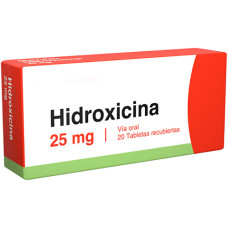
| Idroxizina | 0.00 € |
Domande frequenti su Dermatite allergica nel 2026
-
È necessaria una ricetta per acquistare Dermatite allergica in farmacia?
-
Quanto costa Dermatite allergica?
-
Posso acquistare Dermatite allergica nella vostra farmacia online?
-
Dermatite allergica è legale in Italia?
-
Quali sono le condizioni di spedizione?
-
Quali metodi di pagamento accettate?
-
Prodotti più popolari in farmacia