



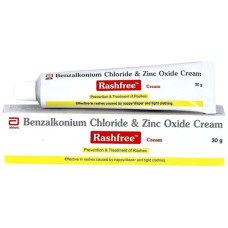
Medications for Dermatitis
Dermatitis is a common skin condition characterized by inflammation, redness, itching, and sometimes swelling or blistering. It can affect people of all ages and often results from a combination of genetic, environmental, and lifestyle factors. Proper treatment is essential to control symptoms, prevent complications, and improve quality of life. Pharmacological therapies, combined with skin care and lifestyle adjustments, play a crucial role in managing dermatitis effectively. Early diagnosis and appropriate medication use can significantly reduce discomfort and prevent chronicity, making treatment adherence vital for long-term control.
What is Dermatitis?
Dermatitis refers to inflammation of the skin, presenting with symptoms like redness, swelling, itching, and sometimes oozing or crusting. It primarily affects the outermost layer of the skin and can be either acute or chronic, depending on duration and severity. The condition is highly prevalent worldwide, affecting both children and adults, and can significantly impact daily activities if not properly managed. Recognizing symptoms early allows for timely intervention, reducing the risk of persistent skin damage and secondary infections. Proper diagnosis involves clinical examination and sometimes additional tests to identify underlying causes.
Definition and Main Characteristics of Dermatitis
Dermatitis is a broad term describing skin inflammation caused by various factors such as allergens, irritants, or genetic predisposition. It manifests through symptoms like redness, dryness, scaling, and intense itching, which can vary in intensity. The disease can be classified into several types, including atopic dermatitis, contact dermatitis, seborrheic dermatitis, and others, each with distinct triggers and courses. The progression may be acute, with sudden onset and rapid resolution, or chronic, with persistent or recurrent episodes. Risk groups include individuals with a family history of allergies, those exposed to irritants regularly, or people with compromised skin barriers. Effective management depends on identifying the specific type and underlying causes.
Causes and Risk Factors of Dermatitis
Dermatitis develops through a combination of internal and external factors. Common causes include exposure to irritants like soaps, detergents, or chemicals, and allergens such as nickel or fragrances. Genetic predisposition plays a significant role, especially in atopic dermatitis, which often runs in families. Environmental factors like climate, pollution, and humidity can exacerbate symptoms. Lifestyle habits, including poor skin hygiene or excessive washing, may also contribute. Age influences susceptibility, with children and the elderly being more vulnerable. Additionally, stress and immune system alterations can trigger or worsen dermatitis episodes.
- Infections: Bacterial or fungal infections can complicate dermatitis.
- Genetics: Family history increases risk, especially for atopic dermatitis.
- Environmental exposure: Contact with irritants or allergens.
- Age: Children and older adults are more prone.
- Stress: Psychological factors can influence skin inflammation.
| Risk Factor | Description | Probability |
|---|---|---|
| Genetics | Family history of allergies or dermatitis increases susceptibility. | High |
| Environmental irritants | Exposure to chemicals, soaps, or pollution triggers inflammation. | Moderate to high |
| Age | Children and elderly are more vulnerable due to skin barrier differences. | Variable |
Symptoms of Dermatitis
Dermatitis typically presents with redness, itching, dryness, and sometimes swelling or blistering of the affected skin. The symptoms can vary depending on the type and severity of the condition, with some cases showing mild irritation and others causing intense discomfort. Chronic dermatitis may lead to thickened, scaly skin and persistent itching, which can interfere with daily life. Recognizing early signs, such as localized redness and itching, helps initiate prompt treatment, reducing the risk of worsening or secondary infections. The skin may also become cracked or develop oozing lesions if scratched excessively.
How to Recognize the First Signs of Dermatitis
Initial symptoms often include localized redness, mild swelling, and itching, which may be mistaken for simple skin irritation. These signs usually appear after contact with an irritant or allergen and tend to be confined to specific areas like hands, face, or neck. As the condition progresses, the affected skin may become dry, flaky, or develop small blisters. Differentiating dermatitis from other skin issues involves noting the pattern of redness, the presence of itching, and the absence of systemic symptoms. Early detection allows for effective intervention and prevents chronic skin changes.
| Symptom | Frequency | Estimated Severity | Notes |
|---|---|---|---|
| Redness | Common | Variable | Often initial sign |
| Itching | Frequent | Moderate to severe | Can lead to scratching and worsening |
| Dryness and scaling | Often in chronic cases | Variable | May cause skin thickening |
Diagnosis and When to See a Doctor
Diagnosis of dermatitis is primarily clinical, based on a detailed medical history and physical examination. The healthcare provider assesses the distribution, appearance, and triggers of skin lesions. In some cases, patch testing or skin biopsies may be performed to identify specific allergens or rule out other conditions. It is important not to self-medicate with topical or systemic drugs without medical advice, as misdiagnosis can delay proper treatment. Early consultation with a dermatologist ensures accurate diagnosis, appropriate therapy, and prevents chronicity or complications. Recognizing when symptoms worsen or do not improve with initial treatment is crucial for timely medical intervention.
Tests and Diagnostic Methods for Dermatitis
Diagnosis may involve various methods, including visual examination, patch testing to identify allergens, and laboratory tests such as blood work to rule out other causes. Skin biopsies can help differentiate dermatitis from other inflammatory or infectious skin diseases. These tests provide valuable information about the underlying triggers and severity, guiding targeted therapy. The choice of diagnostic approach depends on the suspected type of dermatitis and clinical presentation.
| Test/Method | Purpose | Diagnostic Value |
|---|---|---|
| Clinical examination | Assess skin lesions and distribution | High |
| Patch testing | Identify contact allergens | High |
| Skin biopsy | Differentiate dermatitis from other skin conditions | Variable |
Signs That Require Urgent Medical Attention
Immediate medical care is necessary if symptoms include widespread swelling, difficulty breathing, or signs of infection such as pus, fever, or rapidly spreading skin lesions. Severe pain, blistering, or skin breakdown that does not respond to initial treatments also warrants urgent evaluation. Additionally, if dermatitis is accompanied by systemic symptoms like fever or malaise, or if there is involvement of sensitive areas such as the eyes or genitals, prompt medical consultation is essential. Delaying treatment in these situations can lead to serious complications, including systemic infections or tissue damage.
Types of Medications and Treatments
Management of dermatitis depends on the severity and type of the condition. Mild cases may be controlled with over-the-counter remedies, while more severe or persistent cases require prescription medications. Treatment strategies include topical agents, systemic drugs, and skin care routines. Always under medical supervision, these therapies aim to reduce inflammation, alleviate itching, and restore skin integrity. Combining medication with lifestyle modifications enhances treatment effectiveness and minimizes recurrences.
Medications for Dermatitis
Various drug classes are used to treat dermatitis, each targeting specific aspects of the inflammatory process. Topical corticosteroids are the mainstay for reducing inflammation and itching, with examples like hydrocortisone and betamethasone. Calcineurin inhibitors, such as tacrolimus and pimecrolimus, are used as steroid-sparing agents, especially in sensitive areas. Antihistamines can help control itching, while systemic corticosteroids or immunosuppressants may be necessary for severe cases. Antibiotics or antifungals are prescribed if secondary infections are present. The choice of medication depends on the severity, location, and underlying cause of dermatitis.
| Drug Group | Example Active Ingredient | Therapeutic Goal |
|---|---|---|
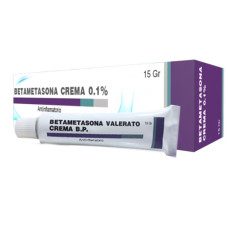
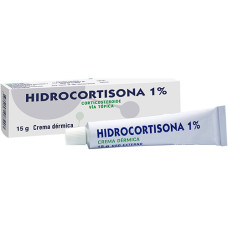
| Topical corticosteroids | Hydrocortisone, Betamethasone | Reduce inflammation and itching |
| Calcineurin inhibitors | Tacrolimus, Pimecrolimus | Suppress immune response, steroid-sparing |
| Antihistamines | Loratadine, Cetirizine | Alleviate itching |
Natural Remedies for Dermatitis
Complementary natural approaches may help soothe irritated skin, but they should not replace medical treatments. Examples include applying aloe vera gel for its anti-inflammatory properties, using oatmeal baths to reduce itching, or applying coconut oil for skin hydration. Chamomile extracts and calendula creams can also provide relief. Always consult a healthcare professional before trying new remedies, especially if the dermatitis is severe or infected. These methods can support skin healing and comfort but are best used alongside prescribed therapies.
Common Forms and Presentations: Tablets, Capsules, Liquids
Medications for dermatitis are available in various forms, including creams, ointments, tablets, capsules, and liquids. Topical formulations are most common for localized skin inflammation, offering direct application and rapid relief. Oral tablets and capsules are used for more extensive or severe cases, providing systemic anti-inflammatory effects. Liquids or suspensions may be prescribed for children or those with swallowing difficulties. Each form offers specific advantages, such as ease of use or faster absorption, tailored to the patient's needs and the severity of dermatitis.
Over-the-Counter (OTC) Medications
For mild dermatitis, OTC products can provide symptomatic relief. These include hydrocortisone creams, antihistamine tablets, and emollients. They are suitable for initial management but should be used according to instructions, and if symptoms persist beyond a week or worsen, medical consultation is advised. OTC remedies are convenient and accessible, but they do not replace professional diagnosis and tailored treatment plans. Proper use ensures safety and effectiveness in managing mild cases.
Precautions and Side Effects
Even medications considered safe can cause adverse reactions if misused. Following the prescribed dosages and application instructions minimizes risks. Some drugs may lead to skin thinning, hormonal effects, or allergic reactions, especially with prolonged use. Monitoring for side effects and reporting them to a healthcare provider is essential. Particular caution is necessary for vulnerable groups such as children, pregnant women, the elderly, or individuals with chronic illnesses. Proper education on medication use helps prevent complications and ensures optimal outcomes.
Most Common Side Effects
Common mild side effects include skin irritation, burning sensation, or dryness at the application site. More serious reactions, though rare, can involve allergic dermatitis, hormonal disturbances, or systemic effects like increased blood pressure or liver issues. The risk of adverse effects increases with higher doses, longer treatment durations, or inappropriate use. Regular follow-up and adherence to medical advice are key to minimizing these risks and ensuring safe therapy.
Tips for Safe Medication Use
- Always follow the prescribed dosage and application frequency.
- Avoid applying medications on broken or infected skin unless directed by a doctor.
- Store medicines in a cool, dry place away from children and pets.
- Do not mix different topical products unless approved by a healthcare professional.
- Attend regular follow-up appointments to monitor treatment effectiveness and side effects.
Prevention and Daily Care
Preventive measures and daily skin care routines are vital for managing dermatitis and reducing flare-ups. Regular skin hydration with suitable emollients helps maintain the skin barrier, while avoiding known irritants minimizes triggers. Wearing protective clothing and using gentle, fragrance-free products can prevent contact dermatitis. Routine medical check-ups allow early detection of recurrences and adjustment of treatment plans. Adopting a healthy lifestyle, including balanced nutrition and stress management, also supports skin health. Educating oneself about personal triggers and maintaining good hygiene are fundamental components of long-term control.
Recommended Habits to Reduce the Risk of Dermatitis
Implementing daily skin protection strategies, such as moisturizing after bathing and avoiding harsh soaps, can significantly lower the risk. Maintaining a balanced diet rich in vitamins and antioxidants supports skin resilience. Wearing breathable clothing and avoiding exposure to extreme temperatures help prevent skin irritation. Managing stress through relaxation techniques can reduce flare-ups linked to emotional factors. Regular hand washing with mild cleansers and using gloves when handling irritants are practical measures. These habits collectively contribute to healthier skin and fewer dermatitis episodes.
| Prevention Area | Recommended Measures | Main Benefit |
|---|---|---|
| Skin care | Use emollients, avoid irritants | Strengthens skin barrier |
| Environmental exposure | Wear protective clothing, avoid allergens | Reduces contact triggers |
| Lifestyle | Manage stress, balanced diet | Supports overall skin health |
Secondary Preventive Measures
Secondary prevention involves regular medical check-ups, allergen testing, and adherence to prescribed treatments. Vaccinations, where applicable, can prevent infections that may worsen dermatitis. Supplementing with vitamins like D or omega-3 fatty acids may support skin health, under medical guidance. Following medical advice on avoiding specific triggers and maintaining skin hygiene reduces the likelihood of recurrences. These measures contribute to better disease control and overall well-being.
Prognosis and Recovery
The outlook for dermatitis varies based on the type, severity, and timeliness of treatment. Most patients respond well to appropriate therapy, achieving symptom remission and improved quality of life. Chronic forms may require ongoing management and periodic adjustments to therapy. Adherence to treatment plans and lifestyle modifications significantly influence recovery speed. Early intervention and consistent skin care help prevent long-term damage and reduce the risk of recurrences. With proper management, many individuals experience significant symptom relief and maintain healthy skin.
Typical Recovery Time
The duration of recovery depends on the severity and type of dermatitis. Mild cases often resolve within a few days to a week with proper care, while more severe or chronic cases may take several weeks or months. For example, acute contact dermatitis may improve rapidly once the irritant is removed, whereas atopic dermatitis might require long-term management. In cases of persistent or recurrent dermatitis, ongoing treatment and monitoring are necessary to achieve and maintain remission.
| Case Type | Average Recovery Time | Follow-up |
|---|---|---|
| Mild dermatitis | Few days to 1 week | As needed, usually after symptom resolution |
| Severe or chronic dermatitis | Several weeks to months | Regular monitoring, long-term management |
Factors Improving Prognosis
- Early diagnosis and prompt treatment initiation
- Adherence to prescribed therapies and skin care routines
- Avoidance of known triggers and irritants
- Maintaining skin hydration and barrier function
- Regular medical follow-up and allergen testing
Lifestyle Changes for Better Outcomes
Adopting healthy habits can significantly influence the course of dermatitis. This includes maintaining proper skin hydration, avoiding known irritants, and managing stress levels. Incorporating a balanced diet rich in vitamins and antioxidants supports skin healing. Wearing loose, breathable clothing and practicing good hygiene reduce skin irritation. Avoiding excessive washing and harsh chemicals helps preserve the skin’s natural barrier. These lifestyle modifications complement medical treatments and promote faster recovery.
Possible Complications
If left untreated or poorly managed, dermatitis can lead to complications such as skin infections, persistent thickening, or scarring. Secondary bacterial infections may cause increased redness, pus, and fever, requiring antibiotic therapy. Chronic scratching can result in skin damage, pigmentation changes, or lichenification. In some cases, dermatitis may predispose individuals to other allergic conditions or exacerbate existing ones. Preventing these outcomes depends on early diagnosis, adherence to treatment, and avoiding triggers. With proper care, most patients recover well and avoid long-term issues.
| Complication | Frequency | Severity | Prevention |
|---|---|---|---|
| Skin infection | Moderate | Serious if untreated | Proper hygiene, timely treatment |
| Scarring and thickening | Chronic cases | Variable | Early intervention, avoid scratching |
With appropriate treatment and ongoing care, most individuals with dermatitis achieve satisfactory recovery and can prevent long-term complications.
Frequently Asked Questions about Dermatitis and Its Treatment
This section addresses common questions patients have regarding dermatitis, including medication choices, treatment duration, and self-care tips. It is based on current medical guidelines and scientific evidence, aiming to provide clear and practical information. However, individual cases vary, and consulting a healthcare professional remains essential for personalized advice. Understanding the disease and its management helps patients take active roles in their health and achieve better outcomes.
Which are the most effective drugs, according to evidence?
Clinical studies have confirmed the efficacy of topical corticosteroids, such as hydrocortisone and betamethasone, in reducing inflammation and itching in dermatitis. Calcineurin inhibitors like tacrolimus and pimecrolimus are effective steroid-sparing options, especially for sensitive areas like the face or eyelids. Antihistamines, including loratadine and cetirizine, help control itching and improve comfort. For severe or resistant cases, systemic corticosteroids or immunosuppressants may be prescribed under medical supervision. The choice of medication depends on the severity, location, and underlying cause of dermatitis, with evidence supporting their use in appropriate contexts.
| Medication Group | Examples | Proven Effectiveness |
|---|---|---|
| Topical corticosteroids | Hydrocortisone, Betamethasone | High |
| Calcineurin inhibitors | Tacrolimus, Pimecrolimus | High |
| Antihistamines | Loratadine, Cetirizine | Moderate |
Is it safe to treat dermatitis at home without a doctor?
For mild dermatitis, home management with measures such as avoiding irritants, using emollients, and OTC medications can be effective. Rest, proper skin hydration, and avoiding scratching are important. However, it is essential to monitor symptoms closely and seek medical advice if there is no improvement within a week, if symptoms worsen, or if signs of infection appear. Self-treatment should not replace professional evaluation, especially in cases of extensive or severe dermatitis. Proper diagnosis and tailored therapy from a healthcare provider ensure safe and effective management.
What is the typical duration of treatment and follow-up?
The length of therapy varies according to the severity and type of dermatitis. Mild cases may resolve within a few days to a week with appropriate topical treatment, while chronic or severe cases may require ongoing management over months. Regular follow-up appointments are recommended to assess treatment response, adjust medications, and prevent recurrences. The duration also depends on individual factors such as skin response and trigger control. Consistent medical supervision ensures optimal outcomes and minimizes the risk of relapse.
| Type of Treatment | Estimated Duration | Follow-up |
|---|---|---|
| Topical therapy | 1-4 weeks | After initial improvement, as needed |
| Systemic therapy | Several weeks to months | Regular monitoring, especially for side effects |
These questions and answers provide a general overview of dermatitis management, but each patient’s situation should be individually evaluated by a healthcare professional for optimal care.
Where to Buy Medications for Dermatitis
Medications for dermatitis are available both in physical pharmacies and online stores. It is important to verify the license and reputation of the pharmacy to ensure the authenticity and safety of the products. Always check the quality, expiration date, and packaging of medicines to avoid counterfeit or expired items. Our online pharmacy offers all medications for dermatitis, with certified quality and secure purchasing options, making it convenient and safe to obtain the necessary treatments from home.
Safe Shopping in Our Online Pharmacy
Purchasing from our authorized online pharmacy guarantees access to genuine products, professional advice, and reliable service. Before completing your order, verify the pharmacy’s license, check product labels, and confirm the expiration date. Our platform provides detailed product descriptions, secure payment methods, and a clear return policy. Consulting our pharmacists for guidance ensures appropriate medication use and safety. Always prefer pharmacies with proper accreditation to protect your health and investment.
Can I buy medications online without a prescription?
Yes, in Italy, all medications for dermatitis are available for purchase online without a prescription through our pharmacy. However, it is essential to use these medicines responsibly and under medical guidance, especially for prolonged or severe cases. While OTC products are accessible, self-diagnosis and treatment without professional advice can lead to ineffective therapy or complications. Always read product labels carefully, follow recommended dosages, and seek medical consultation if symptoms persist or worsen. Ensuring proper use minimizes risks and promotes better health outcomes.
Shipping Options and Quality Assurance
We offer various shipping methods, including standard, express, and international delivery, to meet your needs. Our logistics system ensures the traceability of each shipment, with detailed tracking of batches and delivery status. We implement strict quality control measures, such as temperature regulation and secure packaging, to preserve medication integrity during transit. Our goal is to provide safe, timely, and reliable delivery, ensuring your medications arrive in perfect condition. Consider these aspects when choosing your shipping option to guarantee a smooth purchasing experience.
Price, Availability, and Discounts in Italian Pharmacies
The cost of dermatitis medications in Italy varies depending on the drug’s brand or generic status, dosage, form (creams, tablets, liquids), and whether a prescription is required. Regional differences, seasonal demand, and promotional offers also influence prices. Some formulations may be available immediately, while others require special ordering. Many pharmacies offer discounts, coupons, and loyalty programs that make treatments more affordable. Patients are encouraged to compare prices across different providers, inquire about generic alternatives, and ask pharmacists about ongoing promotions. Being informed helps optimize treatment affordability and access.
| Prodotti in farmacia | Prezzo |
|---|---|
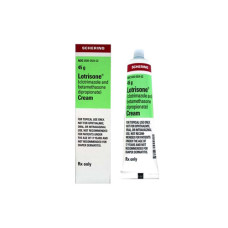
| Lotrisone Crema 10/20 g | 36.73 € |
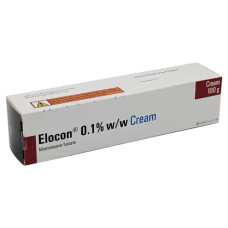
| Elocon Crema 1 mg 5 g | 76.96 € |
| Purim 292 mg compresse | 85.70 € |
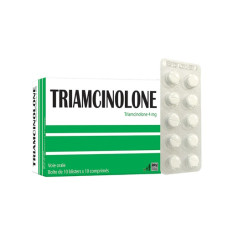
| Triamcinolone 4mg compresse | 39.35 € |
| Betametasone | 0.00 € |
Domande frequenti su Dermatite nel 2026
-
È necessaria una ricetta per acquistare Dermatite in farmacia?
-
Quanto costa Dermatite?
-
Posso acquistare Dermatite nella vostra farmacia online?
-
Dermatite è legale in Italia?
-
Quali sono le condizioni di spedizione?
-
Quali metodi di pagamento accettate?
-
Prodotti più popolari in farmacia