


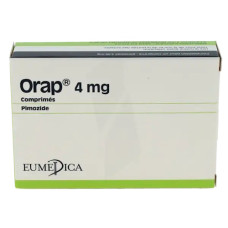
Medications for Delirium
Delirium is an acute, often sudden change in mental status characterized by confusion, disorientation, and fluctuating consciousness. It commonly affects hospitalized or elderly patients and requires prompt management to prevent complications. Pharmacological treatment plays a crucial role in controlling symptoms, improving patient comfort, and reducing the risk of long-term cognitive decline. Early diagnosis combined with appropriate medication can significantly enhance recovery and quality of life, making timely intervention essential.
What is Delirium?
Delirium is a rapid-onset neuropsychiatric syndrome marked by disturbances in attention, awareness, and cognition. It primarily involves the brain's functioning, often triggered by underlying medical conditions such as infections, metabolic imbalances, or medication effects. The condition can be either transient or persistent, with episodes lasting from hours to weeks. Recognizing and treating delirium promptly is vital because it can lead to increased morbidity, longer hospital stays, and higher mortality if left unmanaged.
Definition and Main Characteristics of Delirium
Delirium is an acute confusional state characterized by sudden changes in mental status, often with fluctuating levels of consciousness. It is caused by various factors, including infections, medication side effects, or metabolic disturbances, and tends to develop rapidly. The severity can range from mild confusion to profound disorientation, and it often affects vulnerable groups such as the elderly or those with pre-existing cognitive impairments. The course of delirium can be episodic or persistent, and its prognosis depends on the underlying cause and timeliness of treatment.
| Characteristic | Description |
|---|---|
| Type | Acute neuropsychiatric syndrome |
| Duration | Hours to weeks, often fluctuating |
| Common risk groups | Elderly, hospitalized, those with pre-existing cognitive impairment |
| Key features | Altered consciousness, disorientation, hallucinations, agitation |
Causes and Risk Factors of Delirium
Delirium can result from a variety of internal and external factors. Common causes include infections such as urinary tract infections or pneumonia, metabolic imbalances like hypoglycemia or dehydration, medication effects, and environmental stressors. Age is a significant risk factor, with older adults being more susceptible. Other factors include pre-existing cognitive impairment, chronic illnesses, and recent surgeries. Recognizing these risk factors helps in early prevention and management.
- Infections: Urinary tract infections, pneumonia
- Metabolic disturbances: Electrolyte imbalances, hypoxia
- Medications: Sedatives, anticholinergics, polypharmacy
- Age and frailty: Increased vulnerability in elderly patients
- Environmental factors: Hospitalization, sensory deprivation
| Risk | Description | Probability |
|---|---|---|
| Infections | Can trigger systemic inflammatory response affecting brain function | High in elderly |
| Polypharmacy | Multiple medications increase risk of adverse effects and interactions | Moderate to high |
| Age | Reduced physiological reserve makes recovery harder | High in older adults |
Symptoms of Delirium
Delirium manifests through a sudden change in mental state, with symptoms that can fluctuate throughout the day. Common signs include confusion, difficulty focusing, disorientation, hallucinations, agitation, and sleep disturbances. The severity varies depending on the cause and stage of the condition. Early recognition of these symptoms allows for prompt intervention, which can prevent worsening and facilitate recovery. Patients may also show emotional disturbances such as anxiety or fear, especially during acute episodes.
Recognizing Early Signs of Delirium
In the initial stages, symptoms often include subtle confusion, difficulty concentrating, and changes in alertness. Patients may appear restless or drowsy, with fluctuating levels of awareness. These early signs are sometimes mistaken for fatigue or normal aging, but their sudden onset warrants medical attention. Additional early indicators include impaired memory, disorganized thinking, and visual or auditory hallucinations. Prompt identification of these signs is crucial for effective management and to prevent progression to more severe states.
| Symptom Type | Frequency | Estimated Severity | Notes |
|---|---|---|---|
| Confusion | Common | Variable | Often fluctuates during the day |
| Disorientation | Frequent | Moderate to severe | May involve time, place, or person |
| Hallucinations | Occasional | Variable | Visual or auditory |
| Sleep disturbances | Common | Variable | Insomnia or hypersomnia |
Diagnosis and When to Consult a Doctor
Diagnosing delirium involves a comprehensive clinical assessment, including medical history, physical examination, and cognitive testing. Healthcare providers often use tools like the Confusion Assessment Method (CAM) to identify delirium accurately. Laboratory tests and imaging studies may be ordered to identify underlying causes such as infections or metabolic imbalances. It is essential not to self-medicate, as improper treatment can worsen the condition. Early consultation with a healthcare professional ensures proper diagnosis, assessment of severity, and tailored treatment plans, which are critical for effective recovery.
Diagnostic Tests and Methods for Delirium
Diagnosis typically combines clinical evaluation with laboratory and imaging studies. Blood tests assess for infections, electrolyte imbalances, or organ dysfunction. Urinalysis, blood glucose, and liver function tests are common. Neuroimaging, such as CT or MRI scans, may be used to exclude structural brain lesions. Cognitive assessments help determine the severity and specific deficits. The Confusion Assessment Method (CAM) is a validated tool widely used to identify delirium quickly and reliably.
| Test Type | Purpose | Diagnostic Value |
|---|---|---|
| Blood tests | Identify infections, metabolic issues | High for underlying causes |
| Neuroimaging | Exclude structural brain abnormalities | Variable, depending on findings |
| Cognitive assessments | Evaluate severity and deficits | High for clinical diagnosis |
Warning Signs Requiring Urgent Medical Attention
If a patient exhibits sudden worsening of confusion, hallucinations, severe agitation, or loss of consciousness, immediate medical care is necessary. Other urgent signs include high fever, seizures, or signs of stroke such as weakness or speech difficulties. Any deterioration in mental status or vital signs should prompt emergency intervention to prevent serious complications. Delays in treatment can lead to increased morbidity, longer hospital stays, or even death, emphasizing the importance of swift medical response.
Types of Medications and Treatments
The management of delirium involves addressing the underlying cause and symptomatic relief. Pharmacological options are tailored to the severity of symptoms, patient age, and comorbidities. Mild cases may benefit from non-pharmacological approaches, but moderate to severe cases often require medications. Always under medical supervision, treatment choices depend on individual patient needs, with the goal of reducing agitation, hallucinations, and confusion while minimizing side effects.
Medications for Delirium
The main drug groups used include antipsychotics, sedatives, and sometimes benzodiazepines. Typical antipsychotics like haloperidol are frequently prescribed to control agitation and hallucinations, with careful dose management. Atypical antipsychotics such as risperidone or quetiapine are also used due to fewer extrapyramidal side effects. Sedatives like lorazepam may be employed in specific cases, especially when agitation is severe, but they carry a risk of worsening confusion if not used cautiously. The choice of medication depends on the patient's overall health and the severity of symptoms.
| Drug Group | Example Active Ingredient | Therapeutic Goal |
|---|---|---|
| Antipsychotics | Haloperidol, Risperidone | Reduce hallucinations, agitation |
| Sedatives | Lorazepam, Diazepam | Calm severe agitation, sleep regulation |
| Others | Dexmedetomidine (in ICU) | Sedation with minimal respiratory depression |
Natural Remedies for Delirium
Complementary approaches such as ensuring adequate hydration, maintaining a calm environment, and promoting sleep hygiene can help alleviate symptoms. Aromatherapy with calming scents like lavender may reduce agitation, and nutritional support ensures proper vitamin and mineral levels. Mindfulness and relaxation techniques can also be beneficial when used alongside medical treatment. However, these natural remedies should always be used under medical supervision and not replace prescribed therapies.
Forms and Presentations: Tablets, Capsules, Liquids
Medications for delirium are available in various forms, including tablets, capsules, liquids, and sometimes injectable preparations. Tablets and capsules are convenient for oral administration and provide controlled release, while liquids are useful for patients with swallowing difficulties. Injections are typically reserved for severe cases or when rapid onset is needed. Each form offers specific advantages, such as quick absorption or ease of use, depending on the clinical situation.
Over-the-Counter (OTC) Medications
For mild symptoms, some OTC options like antihistamines with sedative properties (e.g., diphenhydramine) may provide temporary relief of agitation or sleep disturbances. However, their use should be cautious, as they can cause confusion or interact with other medications. It is essential to consult a healthcare professional before using OTC drugs for delirium symptoms, especially in vulnerable populations like the elderly. Persistent or worsening symptoms require medical evaluation.
| OTC Drug | When to Use | Notes |
|---|---|---|
| Antihistamines (e.g., diphenhydramine) | Sleep disturbances, mild agitation | Use with caution; may cause confusion |
| Melatonin supplements | Sleep regulation | Generally safe, but consult doctor |
Precautions and Side Effects
Even medications considered safe can cause adverse reactions if misused. Common side effects include drowsiness, dry mouth, or gastrointestinal discomfort, while more serious reactions like allergic responses or cardiac issues may occur rarely. Following prescribed dosages, monitoring for side effects, and regular medical follow-up are essential to minimize risks. Special caution is needed for children, pregnant women, the elderly, and those with chronic illnesses, who may be more susceptible to adverse effects.
Most Common Side Effects
Minor side effects such as nausea, sedation, or dizziness are frequent and usually manageable. Serious adverse reactions like allergic reactions, liver toxicity, or cardiac arrhythmias are less common but require immediate medical attention. Risk levels vary depending on the medication and patient factors, emphasizing the importance of personalized treatment plans and vigilant monitoring.
| Effect Type | Frequency | Severity | Recommendation |
|---|---|---|---|
| Nausea, dizziness | Common | Mild | Monitor and adjust dose if needed |
| Allergic reactions | Rare | Severe | Seek immediate care |
| Cardiac issues | Rare | Serious | Regular ECG monitoring if indicated |
Safe Medication Use Tips
- Always follow the prescribed dosage and schedule.
- Avoid alcohol and certain foods that may interact with medications.
- Store medicines in a cool, dry place, out of reach of children.
- Schedule regular follow-up appointments to assess effectiveness and side effects.
- Report any unusual symptoms or adverse reactions promptly to your healthcare provider.
Responsible medication use and ongoing medical supervision are key to achieving optimal outcomes and preventing complications.
Prevention and Daily Care
Preventing delirium involves proactive management of risk factors and maintaining overall health. Regular medical check-ups, managing chronic conditions, and early treatment of infections are vital. A healthy lifestyle, including balanced nutrition, adequate hydration, regular physical activity, and good sleep hygiene, can reduce susceptibility. Promptly addressing any early signs of cognitive or behavioral changes also helps in preventing full-blown episodes. Tailoring prevention strategies to individual patient profiles enhances their effectiveness.
Recommended Habits to Reduce the Risk of Delirium
Adopting healthy daily routines can significantly lower the chances of developing delirium. These include maintaining a nutritious diet rich in vitamins and minerals, engaging in regular physical activity, ensuring sufficient sleep, and managing stress through relaxation techniques. Avoiding substance abuse and minimizing environmental stressors, such as noise or sensory deprivation, are also beneficial. Keeping social connections active and staying mentally engaged supports cognitive resilience. Implementing these habits consistently can promote overall brain health and reduce delirium risk.
| Area of Prevention | Recommended Measures | Main Benefit |
|---|---|---|
| Nutrition | Balanced diet with vitamins | Supports brain function |
| Physical activity | Regular exercise | Enhances circulation and cognition |
| Sleep hygiene | Consistent sleep schedule | Reduces confusion and fatigue |
| Stress management | Relaxation, mindfulness | Prevents cognitive overload |
Secondary Preventive Measures
Secondary prevention includes routine health monitoring, vaccinations, and nutritional supplementation. Regular screening for early signs of cognitive decline or infections allows for timely intervention. Vaccinations against influenza and pneumonia are recommended for vulnerable groups. Supplementing with vitamins such as B12 and D may support neurological health. Following medical advice and adhering to treatment plans can reduce the likelihood of delirium episodes and improve overall well-being.
L'adozione di queste misure preventive non solo riduce il rischio di sviluppare Deliri, ma favorisce anche il benessere generale e una qualità di vita migliore nel lungo termine.
Prognosis and Recovery
The outlook for a patient with delirium largely depends on the underlying cause, the severity at onset, and how quickly treatment begins. With appropriate management, most individuals recover fully or experience significant improvement. Early intervention and addressing precipitating factors are critical for a favorable prognosis. Maintaining a healthy lifestyle and adhering to medical advice can accelerate recovery and prevent recurrence. Long-term outcomes are better when delirium is promptly diagnosed and effectively treated.
Typical Recovery Time
The duration of recovery varies according to the severity and cause of delirium. Mild cases often resolve within a few days to a week, while more severe episodes may take several weeks or months. In chronic or recurrent cases, ongoing management and monitoring are necessary to achieve gradual improvement. The table below summarizes typical recovery times based on case severity:
| Case Type | Average Recovery Time | Comments |
|---|---|---|
| Mild delirium | Few days to 1 week | Rapid resolution with treatment |
| Moderate to severe | Weeks to months | Requires ongoing care and monitoring |
| Chronic or recurrent | Variable, long-term management needed | Gradual improvement over time |
Factors Improving Prognosis
- Early diagnosis and prompt treatment initiation
- Effective management of underlying causes
- Adherence to medical advice and medication regimens
- Supportive care and a stable environment
- Patient engagement in recovery activities
Questi fattori aumentano significativamente le probabilità di una completa guarigione e di una riduzione del rischio di recidiva.
Lifestyle Changes for Better Outcomes
Per favorire la guarigione e prevenire recidive, è importante adottare abitudini sane come mantenere una dieta equilibrata, praticare attività fisica regolare, assicurarsi un riposo adeguato e gestire lo stress. Evitare sostanze che possono influenzare negativamente la funzione cerebrale, come alcool e droghe, è altrettanto fondamentale. Supportare un ambiente tranquillo e stimolante aiuta a mantenere la stabilità mentale. Questi cambiamenti nello stile di vita contribuiscono a un recupero più rapido e a una migliore qualità di vita a lungo termine.
Possible Complications
Se non trattata o mal gestita, la delirium può portare a complicazioni serie come cadute, fratture, infezioni nosocomiali, o peggioramento delle condizioni cognitive. In casi gravi, può evolvere in danno cerebrale permanente o coma. La mancata gestione può anche aumentare la durata dell'ospedalizzazione e il rischio di mortalità. La prevenzione e il trattamento tempestivo sono fondamentali per evitare queste conseguenze. Con un'adeguata cura, la maggior parte dei pazienti guarisce senza complicazioni a lungo termine.
| Complicazione | Frequenza | Gravità | Prevenzione |
|---|---|---|---|
| Cadute e fratture | Alta in pazienti confusi | Seria | Ambiente sicuro, supervisione |
| Infezioni nosocomiali | Moderata | Potenzialmente grave | Igiene, monitoraggio |
| Danno cerebrale permanente | Raro | Grave | Trattamento tempestivo |
Con un trattamento adeguato e cure costanti, la maggior parte dei pazienti con delirium guarisce in modo soddisfacente ed evita complicazioni a lungo termine.
Frequently Asked Questions about Delirium and Its Treatment
Questa sezione risponde alle domande più frequenti poste dai pazienti riguardo il delirium, dalla scelta del farmaco alla durata del trattamento. È importante sottolineare che le risposte si basano su fonti mediche affidabili e non sostituiscono la consulenza di uno specialista. Consultare sempre un medico per una diagnosi accurata e un piano terapeutico personalizzato. La conoscenza di queste informazioni può aiutare a comprendere meglio la condizione e a collaborare efficacemente con i professionisti sanitari.
Quali sono i farmaci più efficaci, secondo le prove?
Studi clinici hanno dimostrato che alcuni antipsicotici, come haloperidol e risperidone, sono efficaci nel controllare i sintomi del delirium, come allucinazioni e agitazione. Questi farmaci agiscono modulando i neurotrasmettitori coinvolti nel funzionamento cerebrale, contribuendo a stabilizzare l'umore e il comportamento. La scelta del farmaco dipende dalla gravità dei sintomi, dall'età del paziente e dalle condizioni di salute. In alcuni casi, i farmaci benzodiazepinici vengono usati con cautela, soprattutto in presenza di ansia o insonnia, ma possono peggiorare la confusione se usati inappropriatamente. La terapia farmacologica deve sempre essere supervisionata da un medico, che valuterà il rapporto rischio-beneficio.
È possibile un trattamento domiciliare sicuro senza sostituire il medico?
Per casi lievi di delirium, alcune misure domiciliari come riposo adeguato, idratazione, alimentazione equilibrata e l'uso di farmaci da banco possono aiutare a gestire i sintomi. Tuttavia, è fondamentale monitorare attentamente la condizione e consultare un medico se i sintomi persistono o peggiorano. Non bisogna mai affidarsi esclusivamente a trattamenti fai-da-te, poiché un'errata gestione può portare a complicazioni più gravi. La supervisione medica è imprescindibile per garantire un trattamento sicuro ed efficace.
Qual è la durata abituale del trattamento e del follow-up?
La durata del trattamento varia in base alla gravità del delirium e alla risposta individuale. In generale, i casi lievi si risolvono in pochi giorni, mentre quelli più severi possono richiedere settimane o mesi di terapia e monitoraggio continuo. È importante seguire le indicazioni del medico riguardo le visite di controllo e le eventuali modifiche terapeutiche. La tabella seguente riassume le stime di durata e follow-up:
| Tipo di trattamento | Durata stimata | Follow-up medico raccomandato |
|---|---|---|
| Trattamento acuto | Da pochi giorni a 2 settimane | Settimanale o bisettimanale |
| Trattamento prolungato | Variabile, settimane o mesi | Regolare, secondo indicazioni |
Queste domande e risposte offrono una guida generale, ma ogni caso deve essere valutato individualmente da un professionista sanitario.
Where to Buy Medications for Delirium
I farmaci per il trattamento del delirium sono disponibili sia in farmacia fisica che online. È importante verificare la licenza della farmacia e la qualità dei prodotti, evitando contraffazioni o prodotti non autorizzati. Acquistare presso rivenditori affidabili garantisce l'autenticità e la sicurezza dei farmaci. TUTTI i farmaci per delirium sono disponibili OVER THE COUNTER presso la nostra farmacia online in Italia, offrendo comodità e sicurezza.
Safe Purchasing in Our Online Pharmacy
Acquistare nella nostra farmacia online autorizzata offre numerosi vantaggi, tra cui consulenza professionale, garanzia di qualità e verifica dell'autenticità dei prodotti. È consigliabile controllare sempre la licenza del sito, la confezione, la data di scadenza e consultare il farmacista per eventuali dubbi. La tracciabilità della spedizione e il rispetto delle norme di sicurezza assicurano un acquisto affidabile. Ricorda di leggere attentamente le istruzioni e di conservare i farmaci in modo appropriato.
Is It Possible to Purchase Medications Online Without a Prescription?
Sì, presso la nostra farmacia online, tutti i farmaci per delirium sono disponibili senza prescrizione medica, garantendo un accesso facile e sicuro. Tuttavia, è fondamentale usare questi farmaci solo sotto supervisione medica e seguendo le indicazioni fornite. La consultazione con un professionista è sempre raccomandata per evitare rischi e assicurare un trattamento adeguato. Acquisti responsabili e informati sono essenziali per la sicurezza e l'efficacia del trattamento.
Shipping Options and Quality Assurance
Offriamo diverse modalità di spedizione, tra cui standard, espresso e internazionale, per soddisfare le esigenze dei clienti. Durante il trasporto, vengono adottate misure di controllo qualità come la tracciabilità dei lotti, il monitoraggio della temperatura e un imballaggio discreto e sicuro. La tracciabilità della spedizione permette di seguire il pacco in ogni fase, garantendo consegne puntuali e sicure. La nostra priorità è assicurare che i farmaci arrivino integri e pronti all'uso, rispettando gli standard di qualità più elevati.
Price, Availability, and Discounts in Italy
Il prezzo dei farmaci per delirium in Italia varia in base a diversi fattori, tra cui il nome commerciale o generico, il dosaggio, la forma farmaceutica e il canale di acquisto. La disponibilità può differire, con alcune formulazioni prontamente disponibili e altre su richiesta, influenzate anche dalla stagionalità o dalla domanda. Molte farmacie offrono promozioni, sconti, coupon e programmi fedeltà che rendono più accessibile il trattamento. Si consiglia di confrontare i prezzi tra farmacie fisiche e online, chiedere informazioni su eventuali offerte e considerare le alternative generiche per risparmiare. Se il prodotto ha una forma o un dosaggio insolito, è utile informarsi in anticipo su come ordinarlo o su possibili alternative più facilmente reperibili.
| Prodotti in farmacia | Prezzo |
|---|---|
| Orap | 0.00 € |
Domande frequenti su Deliri nel 2026
-
È necessaria una ricetta per acquistare Deliri in farmacia?
-
Quanto costa Deliri?
-
Posso acquistare Deliri nella vostra farmacia online?
-
Deliri è legale in Italia?
-
Quali sono le condizioni di spedizione?
-
Quali metodi di pagamento accettate?