


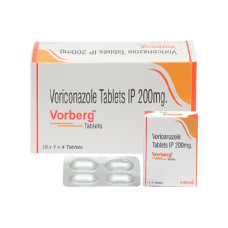
Medications for Candidemia
Candidemia is a serious bloodstream infection caused by the overgrowth of Candida fungi, most commonly Candida albicans. It primarily affects hospitalized patients, especially those with weakened immune systems, indwelling catheters, or recent surgeries. Prompt diagnosis and effective antifungal treatment are crucial to control symptoms, prevent complications, and improve recovery chances. Proper medication management can significantly reduce mortality rates associated with this condition, making it vital to seek medical advice as soon as symptoms appear.
What is Candidemia?
Candidemia is an invasive fungal infection where Candida species enter the bloodstream, leading to a systemic infection. It often involves multiple organs, including the liver, spleen, kidneys, and brain. The condition can be acute or persistent, with symptoms ranging from fever and chills to more severe signs like low blood pressure or organ dysfunction. Early detection is essential because untreated candidemia can rapidly progress to sepsis, which can be life-threatening. Recognizing the signs early and initiating treatment can greatly improve outcomes.
Definition and Main Characteristics of Candidemia
Candidemia is defined as the presence of Candida fungi in the bloodstream, typically diagnosed through blood cultures. It is caused by the translocation of fungi from colonized surfaces or infected tissues into the blood, often due to immune suppression or invasive procedures. The disease tends to develop quickly in vulnerable populations, with symptoms including fever, chills, and malaise. It is considered a severe form of invasive candidiasis, with high mortality rates if not treated promptly. Risk groups include immunocompromised patients, those with central venous catheters, and individuals undergoing broad-spectrum antibiotic therapy.
| Characteristic | Description |
|---|---|
| Type of disease | Invasive fungal bloodstream infection |
| Causes | Candida species entering the bloodstream, often from colonized mucous membranes or infected tissues |
| Severity | Can be life-threatening, especially if diagnosis and treatment are delayed |
| Common risk groups | Immunocompromised individuals, ICU patients, those with indwelling catheters |
Causes and Risk Factors of Candidemia
Candidemia develops when Candida fungi translocate from colonized surfaces or infected tissues into the bloodstream. Several factors increase the likelihood of this happening, especially in hospitalized or immunocompromised patients. These include prolonged use of broad-spectrum antibiotics, the presence of central venous catheters, recent surgeries, neutropenia, and underlying conditions like diabetes or cancer. Environmental factors, such as hospital hygiene and invasive procedures, also play a role. Recognizing these risk factors helps in early diagnosis and prevention strategies.
Factors Contributing to Candidemia
The main contributors to candidemia include internal factors like immune suppression and external factors such as invasive medical devices or antibiotic overuse. These causes often act together, increasing the risk of fungi entering the bloodstream. For example, a patient with a central line who receives broad-spectrum antibiotics is at higher risk due to disrupted normal flora and a compromised immune response. Stress, poor hygiene, and environmental contamination can further facilitate fungal invasion. Understanding these multifactorial causes is essential for implementing preventive measures.
| Type of factor | Example | Mechanism of influence |
|---|---|---|
| Internal | Immunosuppression | Reduces the body's ability to fight fungi, increasing susceptibility |
| External | Indwelling catheters | Provide a direct pathway for fungi into the bloodstream |
| Behavioral | Prolonged antibiotic use | Disrupts normal flora, allowing fungi to overgrow |
Symptoms of Candidemia
The clinical presentation of candidemia can be subtle initially, often resembling other infections. Common symptoms include persistent fever unresponsive to antibiotics, chills, and malaise. As the infection progresses, signs of organ involvement such as confusion, low blood pressure, or kidney dysfunction may appear. Recognizing these early symptoms is vital because prompt antifungal therapy can prevent severe complications. Since symptoms can be nonspecific, healthcare providers rely on laboratory tests for definitive diagnosis.
How to Recognize Early Signs of Candidemia
In the initial stages, patients may experience high fever, chills, and general weakness. These symptoms are often mistaken for bacterial infections, but their persistence despite antibiotic treatment should raise suspicion. Additional signs include rapid breathing, confusion, or unexplained low blood pressure. In immunocompromised individuals, symptoms may be less specific, making laboratory testing essential. Early detection relies on vigilance, especially in high-risk groups, to initiate timely antifungal therapy.
Diagnosis and When to See a Doctor
Diagnosing candidemia involves a combination of clinical assessment and laboratory tests. Blood cultures remain the gold standard, but newer methods like beta-D-glucan assays and molecular diagnostics can provide faster results. It is crucial not to self-medicate or delay seeking medical attention if infection is suspected. Only a healthcare professional can evaluate the severity, perform appropriate tests, and prescribe the correct treatment. Early diagnosis improves the effectiveness of therapy and reduces the risk of serious complications.
Diagnostic Tests and Methods for Candidemia
Diagnosis typically involves blood cultures to identify Candida species, supported by laboratory tests such as beta-D-glucan detection, which indicates fungal cell wall components in the blood. Imaging studies may be used to assess organ involvement if systemic spread is suspected. Molecular techniques like PCR can provide rapid identification of Candida strains. Combining these methods enhances diagnostic accuracy, enabling prompt initiation of antifungal therapy.
| Type of test | Purpose | Diagnostic value |
|---|---|---|
| Blood culture | Detect Candida in bloodstream | Gold standard, high specificity |
| Beta-D-glucan assay | Detect fungal cell wall components | Supports diagnosis, rapid results |
| Molecular methods (PCR) | Identify Candida species quickly | High sensitivity, fast turnaround |
Warning Signs Requiring Urgent Medical Attention
Any signs of worsening infection or organ failure demand immediate medical care. These include sudden drop in blood pressure, difficulty breathing, severe confusion, chest pain, or signs of sepsis such as high fever with rapid heartbeat. If these symptoms occur, prompt hospitalization is essential to prevent life-threatening complications. Delays in treatment can lead to widespread organ damage or death, emphasizing the importance of swift medical intervention.
Types of Medications and Treatments
Managing candidemia requires targeted antifungal therapy, which varies based on disease severity, patient age, and overall health. While mild cases might be managed with oral medications, severe infections often necessitate intravenous antifungals in a hospital setting. Treatment duration typically ranges from two to six weeks, depending on response and resolution of infection. Always under medical supervision, therapy aims to eradicate fungi, prevent relapse, and address underlying risk factors.
Medications for Candidemia
Antifungal agents are the cornerstone of treatment, with several classes used depending on the clinical scenario. Azoles, such as fluconazole, are commonly prescribed for less severe cases. Echinocandins, including caspofungin and micafungin, are preferred for critically ill patients or resistant strains. Amphotericin B, a potent but more toxic option, is reserved for refractory or severe infections. The choice of drug depends on factors like Candida species, patient condition, and potential drug interactions.
| Type of drug | Example of active ingredient | Therapeutic purpose |
|---|---|---|
| Azoles | Fluconazole | Inhibit fungal cell membrane synthesis |
| Echinocandins | Caspofungin | Disrupt fungal cell wall synthesis |
| Polyene antifungals | Amphotericin B | Bind to ergosterol, causing cell death |
Natural Remedies for Candidemia
While antifungal medications are essential, some natural approaches may help alleviate symptoms or support recovery. These include maintaining a balanced diet rich in probiotics, consuming garlic and coconut oil for their antifungal properties, and ensuring proper hydration. However, these methods should only complement medical treatment and always under medical supervision. They are not substitutes for prescribed antifungal therapy but can contribute to overall health and immune support.
Common Forms and Presentations: Tablets, Capsules, Liquids
Antifungal medications for candidemia are available in various forms, including tablets, capsules, and intravenous solutions. Tablets and capsules are convenient for outpatient use, offering ease of administration and rapid absorption. Liquids or suspensions may be used for patients who have difficulty swallowing or require dose adjustments. Injectable forms are typically administered in hospitals for severe cases. Each form offers specific advantages, such as quick action or targeted delivery, depending on the clinical need.
Over-the-Counter (OTC) Medications
For mild symptoms or superficial Candida infections, some OTC antifungal creams or suppositories are available. These include topical agents like clotrimazole or miconazole, which can relieve localized symptoms. However, systemic candidemia requires prescription antifungals, and self-treatment without medical guidance is not recommended. If symptoms persist or worsen, consulting a healthcare professional is essential to avoid complications.
Precautions and Side Effects
Even commonly prescribed antifungal drugs can cause side effects, especially if misused. Adverse reactions range from mild gastrointestinal upset to serious liver or kidney problems. Following the prescribed dosage and duration minimizes risks. Patients with pre-existing liver or kidney conditions, pregnant women, children, and the elderly should be monitored carefully. Awareness of potential side effects helps in early detection and management of adverse reactions.
Most Common Side Effects
Common mild effects include nausea, headache, and skin rashes. Serious adverse effects, though rare, can involve liver toxicity, allergic reactions, or cardiac issues. For example, amphotericin B may cause kidney damage, while fluconazole can lead to liver enzyme elevation. Regular monitoring of liver and kidney function during treatment is recommended to detect and address side effects promptly.
Safe Use of Medications
To ensure safe medication use, patients should adhere strictly to prescribed doses, avoid alcohol and certain foods that may interact with drugs, and store medicines properly. Regular follow-up appointments allow doctors to assess treatment efficacy and detect side effects early. Patients should also inform healthcare providers about other medications or supplements they are taking to prevent interactions. Proper education and vigilance are key to successful therapy and minimizing risks.
Prevention and Daily Care
Preventive measures and daily habits play a vital role in reducing the risk of candidemia recurrence. Maintaining good hygiene, managing underlying health conditions, and avoiding unnecessary antibiotic use are essential. Regular medical check-ups help detect early signs of infection, especially in high-risk individuals. A healthy lifestyle, including balanced nutrition, adequate sleep, and stress management, supports immune function. Promptly addressing symptoms can prevent progression to more severe disease.
Recommended Habits to Reduce Candidemia Risk
Key preventive habits include practicing good personal hygiene, especially handwashing; maintaining a balanced diet rich in probiotics; avoiding unnecessary antibiotic use; and managing chronic illnesses effectively. Regularly replacing or disinfecting medical devices like catheters can prevent fungal colonization. Engaging in moderate exercise and ensuring sufficient rest also bolster immune defenses. These lifestyle adjustments collectively lower the likelihood of developing or recurring candidemia.
| Prevention Area | Recommended Measures | Main Benefit |
|---|---|---|
| Hygiene | Frequent handwashing, proper catheter care | Reduces fungal colonization |
| Diet | Probiotic-rich foods, balanced nutrition | Supports immune health |
| Medical practices | Sterile techniques, device maintenance | Prevents infection entry points |
Additional Preventive Measures
Secondary prevention includes routine screenings for high-risk patients, vaccination where applicable, and nutritional supplementation to strengthen immunity. Regular follow-up visits enable early detection of potential issues. Adherence to medical advice and lifestyle modifications contribute to long-term health and reduce the chance of candidemia recurrence. Implementing these strategies enhances overall well-being and disease management.
Prognosis and Recovery
The outlook for candidemia depends on factors such as the timeliness of diagnosis, the patient's overall health, and the effectiveness of treatment. With prompt and appropriate antifungal therapy, most patients recover fully. Delayed treatment or underlying health issues can worsen prognosis, increasing the risk of complications. Maintaining a healthy lifestyle and following medical advice are essential to support recovery and prevent relapses. Early intervention remains the key to favorable outcomes.
Typical Recovery Time
The recovery period varies with disease severity and response to therapy. Mild cases may resolve within a few days to weeks, while severe infections can require several weeks or months of treatment. For example, uncomplicated candidemia might improve in 2-4 weeks, whereas complicated cases involving multiple organs may need longer follow-up. Chronic or recurrent infections often necessitate ongoing monitoring and maintenance therapy to achieve complete remission.
| Type of case | Average recovery time | Follow-up recommendation |
|---|---|---|
| Mild candidemia | 2-4 weeks | Regular outpatient monitoring |
| Severe or complicated cases | 4-12 weeks or longer | Frequent hospital assessments and lab tests |
Factors Enhancing Prognosis
- Early diagnosis and prompt initiation of antifungal therapy
- Effective management of underlying health conditions
- Adherence to prescribed treatment regimens
- Regular medical follow-up and monitoring
- Healthy lifestyle choices supporting immune function
Lifestyle Changes for Better Outcomes
Adopting healthy habits can accelerate recovery and reduce recurrence risk. These include maintaining good personal hygiene, following a balanced diet, avoiding unnecessary antibiotics, and managing stress effectively. Quitting smoking and limiting alcohol intake also support immune health. Consistent medication adherence and routine medical check-ups are vital for long-term success. These lifestyle modifications contribute significantly to overall health and disease prevention.
Potential Complications
If not diagnosed or treated promptly, candidemia can lead to serious complications such as septic shock, organ failure, or dissemination to other tissues like the eyes or brain. These adverse outcomes can severely impact quality of life and may be life-threatening. Minor issues include persistent fatigue or localized infections, but severe cases require intensive care. Preventing these complications hinges on early detection, appropriate therapy, and patient compliance. With proper management, most patients can avoid long-term sequelae.
| Complication | Frequency | Severity | Prevention |
|---|---|---|---|
| Septic shock | Rare but critical | High | Early diagnosis and aggressive treatment |
| Organ failure | Moderate | Severe | Timely antifungal therapy |
| Dissemination to tissues | Variable | Variable | Monitoring and prompt intervention |
With appropriate treatment and ongoing care, most patients with candidemia recover well and avoid long-term complications.
Frequently Asked Questions about Candidemia and Its Treatment
This section addresses common questions patients have regarding candidemia, including medication choices, treatment duration, and management strategies. Understanding these aspects can help patients feel more informed and engaged in their care. However, it is important to remember that individual cases vary, and personalized advice from healthcare professionals is essential for optimal outcomes. Always consult your doctor for specific guidance tailored to your situation.
Which are the most effective drugs, based on evidence?
Research supports the use of certain antifungal agents as highly effective in treating candidemia. Echinocandins like caspofungin and micafungin have shown superior efficacy, especially against resistant strains, by inhibiting fungal cell wall synthesis. Fluconazole, an azole, is effective for susceptible strains and is often used for less severe cases or step-down therapy. Amphotericin B remains a potent option for refractory infections but is associated with higher toxicity. The choice depends on the Candida species, infection severity, and patient health status.
| Drug group | Example | Proven efficacy |
|---|---|---|
| Echinocandins | Caspofungin | High efficacy, broad spectrum |
| Azoles | Fluconazole | Effective for susceptible strains |
| Polyenes | Amphotericin B | Potent, used in resistant cases |
Is safe to treat candidemia at home without a doctor?
In mild cases or superficial infections, some patients may manage symptoms at home with rest, hydration, and OTC antifungal creams. However, systemic candidemia requires professional medical evaluation and prescription medications. Self-treatment without medical supervision can be dangerous, as improper therapy may lead to worsening infection or resistance. Always consult a healthcare provider before starting any treatment, especially for serious infections. Monitoring by a professional ensures safe and effective recovery.
What is the typical duration of treatment and follow-up?
The length of antifungal therapy depends on infection severity and response. Mild cases may resolve within 2-4 weeks, while more severe or disseminated infections could require 6 weeks or longer. Follow-up visits are essential to assess treatment effectiveness, monitor for side effects, and determine when to discontinue therapy. Regular blood tests and clinical evaluations help ensure complete eradication of the infection and prevent relapse. The duration should be individualized based on patient progress and physician judgment.
| Type of treatment | Estimated duration | Recommended follow-up |
|---|---|---|
| Mild candidemia | 2-4 weeks | Periodic outpatient assessments |
| Severe or complicated cases | 4-12 weeks or more | Frequent hospital reviews and labs |
These guidelines serve as a general reference; individual treatment plans should always be discussed with a healthcare professional.
Where to Buy Medications for Candidemia
Medications for candidemia are available both in physical pharmacies and online stores. It is important to verify the legitimacy of the pharmacy, check the quality and authenticity of the medicines, and avoid counterfeit products. Purchasing from reputable sources ensures safety and efficacy. All medications for candidemia are accessible through our authorized online pharmacy in Italy, providing convenience and peace of mind.
Safe Shopping in Our Online Pharmacy
Buying from our licensed online pharmacy offers several advantages, including professional consultation, guaranteed product quality, and secure transactions. Always verify the pharmacy’s license, check the packaging and expiration date, and consult the pharmacist if you have questions. Our platform ensures proper storage and handling of medicines, with traceability of batches and secure delivery. These measures help protect your health and ensure you receive genuine medications.
Can I purchase medications online without a prescription?
In Italy, all antifungal medications for candidemia require a prescription, and it is illegal to buy them without one. However, some topical antifungal products for superficial infections may be available OTC. It is crucial to consult a healthcare professional before starting systemic therapy, as improper use can be dangerous. Our online pharmacy complies with regulations, ensuring that prescription medications are dispensed only with valid prescriptions. Always prioritize medical advice to ensure safe and effective treatment.
Shipping Options and Quality Assurance
We offer various shipping methods, including standard, express, and international delivery, tailored to your needs. Our logistics process includes strict quality controls such as batch traceability, temperature regulation, and secure packaging to maintain medication integrity. Tracking shipments ensures transparency and peace of mind. Our commitment to quality guarantees that your medicines arrive safely and ready for use, adhering to all safety standards.
Price, Availability, and Discounts in Italy
The cost of antifungal medications for candidemia varies depending on the brand, dosage, form, and whether a prescription is required. Prices may differ between traditional pharmacies and online stores, with online options often offering competitive rates. Availability can fluctuate based on demand, regional supply, and seasonal factors. Many pharmacies provide discounts, coupons, and loyalty programs to make treatment more affordable. Patients are encouraged to compare prices, inquire about generic options, and ask pharmacists about ongoing promotions. If a specific formulation or dose is needed, early planning can facilitate ordering and delivery.
| Prodotti in farmacia | Prezzo |
|---|---|
| Voriconazolo | 0.00 € |
Domande frequenti su Candidemia nel 2026
-
È necessaria una ricetta per acquistare Candidemia in farmacia?
-
Quanto costa Candidemia?
-
Posso acquistare Candidemia nella vostra farmacia online?
-
Candidemia è legale in Italia?
-
Quali sono le condizioni di spedizione?
-
Quali metodi di pagamento accettate?