


Medications for Acute Bronchitis
Acute bronchitis is a common respiratory condition characterized by inflammation of the bronchial tubes, which carry air to the lungs. It often results from viral infections, but bacterial causes can also be involved. Proper treatment is essential to alleviate symptoms, prevent complications, and restore normal breathing. Pharmacological therapy, combined with rest and hydration, can significantly improve quality of life and shorten recovery time. Early diagnosis and appropriate medication use are key to managing the condition effectively, especially in vulnerable groups such as children, the elderly, or those with pre-existing respiratory issues.
What is Acute Bronchitis?
Acute bronchitis involves sudden inflammation of the bronchial airways, typically lasting less than three weeks. It manifests with symptoms like cough, mucus production, chest discomfort, and sometimes fever. The condition affects the respiratory system and is often triggered by viral infections, such as influenza or common cold viruses. Timely diagnosis is important because it helps differentiate bronchitis from other respiratory illnesses and guides effective treatment to reduce symptom severity and prevent progression to more serious conditions like pneumonia.
Definition and Main Characteristics of Acute Bronchitis
Acute bronchitis is a self-limiting inflammatory disease of the bronchi, usually caused by viral infections, though bacteria can sometimes be involved. It progresses with a sudden onset of cough, which may be dry or productive, along with other symptoms like fatigue and mild fever. The disease generally resolves within a few weeks, but in some cases, it can lead to complications if not properly managed. It predominantly affects adults and children, especially during colder months or in crowded environments. Risk factors include smoking, exposure to pollutants, and weakened immune systems.
| Characteristic | Description |
|---|---|
| Type | Acute inflammatory disease of the bronchi |
| Duration | Less than 3 weeks |
| Common causes | Viruses (e.g., influenza, rhinoviruses), bacteria (less common) |
| Symptoms | Cough, mucus, chest discomfort, mild fever |
| Risk groups | Children, elderly, smokers, immunocompromised |
Causes and Risk Factors of Acute Bronchitis
The primary causes of acute bronchitis are viral infections, which account for the majority of cases. These viruses spread through respiratory droplets and are common during seasonal outbreaks. Bacterial infections are less frequent but can complicate viral bronchitis or occur independently. Environmental factors such as exposure to tobacco smoke, air pollution, and occupational irritants increase susceptibility. Lifestyle habits like smoking and poor hygiene also contribute to the risk. Age is a significant factor, with children and older adults being more vulnerable due to weaker immune defenses.
Factors Causing Acute Bronchitis
Understanding the factors that contribute to the development of acute bronchitis helps in adopting preventive measures. These factors include:
- Viral infections: Spread via respiratory droplets, especially in crowded settings.
- Environmental pollutants: Tobacco smoke, smog, and chemical fumes irritate the airways.
- Smoking: Damages bronchial lining, making it more susceptible to infections.
- Weak immune system: Due to age, chronic illnesses, or immunosuppressive conditions.
- Occupational exposures: Dust, chemicals, and fumes in certain workplaces.
| Type of Factor | Example | Mechanism of Influence |
|---|---|---|
| Infectious | Viruses (influenza, rhinoviruses) | Cause inflammation of bronchial mucosa, leading to cough and mucus production |
| Environmental | Air pollution, cigarette smoke | Irritate and damage bronchial lining, impairing defense mechanisms |
| Behavioral | Smoking | Weakens airway defenses, increases infection risk |
| Physiological | Age-related immune decline | Reduces ability to fight infections effectively |
Symptoms of Acute Bronchitis
The hallmark of acute bronchitis is a persistent cough, which can be dry or produce mucus. Other common symptoms include chest discomfort, fatigue, mild fever, sore throat, and shortness of breath. The severity and combination of symptoms may vary depending on the stage of the illness and individual health status. Recognizing early signs, such as a sudden cough and fatigue, allows for prompt management, reducing the risk of complications. Symptoms often worsen with physical activity and improve with rest and proper care.
Recognizing Early Signs of Acute Bronchitis
In the initial phase, patients typically experience a dry cough, slight fatigue, and mild sore throat. As the disease progresses, mucus production increases, and symptoms like wheezing or chest tightness may appear. Fever, if present, is usually low-grade. These signs can resemble other respiratory illnesses, but persistent cough and mucus are characteristic. Early detection is crucial to initiate appropriate treatment and prevent worsening of symptoms or secondary infections.
Diagnosis and When to Consult a Doctor
Diagnosis of acute bronchitis is primarily clinical, based on medical history and physical examination. Doctors listen to the lungs with a stethoscope to detect abnormal sounds like wheezing or crackles. They may order tests such as chest X-rays or sputum analysis if complications are suspected. Self-medication is discouraged because symptoms overlap with other respiratory conditions, and inappropriate treatment can delay recovery. Consulting a healthcare professional ensures accurate diagnosis, assessment of severity, and tailored therapy, which is especially important for high-risk groups.
Diagnostic Tests and Methods for Acute Bronchitis
Common diagnostic approaches include:
| Type of Test | Purpose | Diagnostic Value |
|---|---|---|
| Physical Examination | Assess lung sounds, respiratory rate, and overall health | Identifies signs of airway inflammation or complications |
| Chest X-ray | Rule out pneumonia or other lung diseases | Confirms or excludes other causes of cough |
| Sputum Analysis | Identify infectious agents if bacterial infection suspected | Guides antibiotic use if necessary |
| Pulse Oximetry | Measure oxygen saturation | Detects hypoxia in severe cases |
Warning Signs Requiring Urgent Medical Attention
Immediate medical care is necessary if symptoms include severe shortness of breath, chest pain, high fever, coughing up blood, or signs of cyanosis (bluish lips or face). Also, if symptoms worsen rapidly or do not improve after a week, it may indicate complications like pneumonia or bronchial obstruction. Prompt intervention can prevent serious outcomes and ensure proper management of the condition.
Types of Medications and Treatments
The treatment of acute bronchitis depends on symptom severity, patient age, and underlying health. Mild cases often resolve with supportive care, while more severe cases may require medications. Antibiotics are generally not indicated unless a bacterial infection is confirmed. Pharmacological options include cough suppressants, bronchodilators, and anti-inflammatory drugs. Always consult a healthcare provider before starting any medication to ensure appropriate use and avoid unnecessary side effects.
Medications for Acute Bronchitis
Various drug groups are used to manage symptoms:
| Type of Drug | Example Active Ingredient | Therapeutic Purpose |
|---|---|---|
| Antitussives | Dextromethorphan | Suppress persistent dry cough |
| Bronchodilators | Salbutamol | Relieve bronchial constriction |
| Anti-inflammatory agents | Ibuprofen, corticosteroids (in severe cases) | Reduce airway inflammation |
| Mucolytics | Acetylcysteine | Facilitate mucus clearance |
Natural Remedies for Acute Bronchitis
Complementary natural approaches can help alleviate symptoms but should not replace medical treatment. These include:
- Honey and lemon tea: soothe the throat and reduce cough
- Steam inhalation: loosen mucus and ease breathing
- Herbal teas (e.g., thyme, eucalyptus): possess anti-inflammatory and expectorant properties
- Warm fluids: promote hydration and mucus thinning
- Rest and proper nutrition: support immune function
While these remedies may provide relief, they should always be used under medical supervision, especially in vulnerable populations.
Forms and Presentations: Tablets, Capsules, Syrups
Medications for bronchitis are available in various forms, each with specific advantages. Tablets and capsules are convenient for precise dosing and rapid absorption, suitable for adults. Syrups are often preferred for children or those who have difficulty swallowing pills, providing soothing effects and easier administration. Topical forms like inhalers or ointments are less common but can deliver targeted relief. The choice depends on patient age, severity, and personal preference, always guided by a healthcare professional.
Over-the-Counter (OTC) Medications
For mild symptoms, OTC drugs can be effective in providing relief:
- Analgesics (paracetamol, ibuprofen): reduce fever and pain
- Cough suppressants (dextromethorphan): control dry cough
- Expectorants (guaifenesin): facilitate mucus expulsion
It is important to monitor symptoms; if they persist beyond a week or worsen, consulting a doctor is essential. These medications are suitable for temporary relief but do not treat underlying causes.
Precautions and Side Effects
Even commonly prescribed medications can cause adverse reactions if misused. Following the prescribed dosages and instructions minimizes risks. Paying attention to side effects like nausea, allergic reactions, or liver issues is important. Special caution is needed for children, pregnant women, the elderly, or individuals with chronic illnesses. Regular medical follow-up ensures safe and effective treatment, reducing the likelihood of complications.
Most Common Side Effects
Side effects vary by medication but generally include:
| Type of Effect | Frequency | Severity | Recommendations |
|---|---|---|---|
| Nausea, dizziness | Common | Minor | Monitor and adjust dose if necessary |
| Allergic reactions | Rare | Serious | Seek immediate medical attention |
| Liver or kidney issues | Uncommon | Severe | Regular monitoring during prolonged use |
Safe Use of Medications
To ensure safety when taking medications:
- Follow prescribed dosages strictly
- Avoid alcohol and certain foods if contraindicated
- Store medicines in a cool, dry place away from children
- Do not share medications with others
- Attend regular check-ups to monitor effects
Adhering to these guidelines helps maximize benefits and minimize risks.
Prevention and Daily Care
Preventive measures and healthy daily habits play a vital role in reducing the risk of bronchitis recurrence. Regular hand hygiene, avoiding tobacco smoke, and wearing masks in polluted environments are effective strategies. Maintaining a balanced diet, staying physically active, and ensuring adequate rest support immune health. Early treatment of colds and respiratory infections can prevent progression to bronchitis. Tailoring prevention strategies to individual risk factors enhances overall respiratory health and reduces the likelihood of future episodes.
Recommended Habits to Reduce Risk of Acute Bronchitis
Adopting healthy lifestyle choices can significantly lower the chances of developing bronchitis:
- Quit smoking and avoid secondhand smoke exposure
- Practice good hand hygiene and respiratory etiquette
- Wear protective masks in polluted or dusty environments
- Maintain a nutritious diet rich in vitamins C and D
- Engage in regular physical activity to strengthen immune defenses
- Ensure adequate sleep and manage stress effectively
| Area of Prevention | Recommended Measures | Main Benefit |
|---|---|---|
| Hygiene | Frequent handwashing, respiratory etiquette | Reduces infection transmission |
| Lifestyle | Quit smoking, balanced diet, exercise | Strengthens immune system |
| Environmental | Use masks, avoid pollutants | Protects airways from irritants |
Additional Preventive Measures
Secondary prevention includes regular medical check-ups, vaccination against influenza and pneumococcus, and supplementation with vitamins if recommended. These actions help in early detection and reduce the severity of infections, thereby decreasing the risk of bronchitis episodes. Following medical advice and adhering to vaccination schedules contribute to long-term respiratory health and overall well-being.
Prognosis and Recovery
The outlook for acute bronchitis is generally favorable, especially with prompt and appropriate treatment. Recovery depends on the cause, severity, and the patient’s overall health. Most cases resolve within a few weeks, but some individuals may experience lingering cough or fatigue. Maintaining a healthy lifestyle and following medical recommendations accelerate healing and reduce the risk of recurrence. Early intervention and adherence to therapy are crucial for a complete recovery and avoiding complications.
Typical Recovery Time
The duration of recovery varies with disease severity. Mild cases often improve within 7-10 days, while more severe or complicated cases may take several weeks. In chronic or recurrent cases, ongoing management and monitoring are necessary. The table below summarizes typical recovery times:
| Type of Case | Average Recovery Time | Follow-up |
|---|---|---|
| Mild | About 7-10 days | As needed, based on symptoms |
| Moderate to Severe | 2-4 weeks or more | Regular medical evaluations |
| Chronic/Recurrent | Variable; ongoing management required |
Factors Enhancing Prognosis
Several factors contribute to a better prognosis:
- Early diagnosis and treatment initiation
- Adherence to prescribed therapy
- Healthy lifestyle and avoidance of irritants
- Effective management of comorbidities
- Vaccination against respiratory pathogens
Lifestyle Changes for Better Outcomes
Implementing positive lifestyle modifications can facilitate recovery and prevent future episodes. These include quitting smoking, maintaining good hygiene, staying physically active, managing stress, and ensuring adequate rest. Such habits strengthen the immune system and improve lung health, reducing the likelihood of recurrent bronchitis.
Potential Complications
If untreated or poorly managed, acute bronchitis can lead to complications such as pneumonia, chronic bronchitis, or airway obstruction. These conditions may cause persistent symptoms, decreased lung function, or more severe health issues. The table below highlights common and serious complications:
| Complication | Frequency | Severity | Prevention |
|---|---|---|---|
| Pneumonia | Moderate to high in vulnerable groups | Serious, potentially life-threatening | Timely treatment, vaccination, avoiding irritants |
| Chronic bronchitis | Possible with recurrent episodes | Long-term impairment of lung function | Preventive measures, smoking cessation |
| Respiratory failure | Rare, in severe cases | Critical | Close monitoring, prompt management |
With proper medical care and lifestyle adjustments, most patients recover well and avoid long-term complications.
Frequently Asked Questions about Acute Bronchitis and Its Treatment
This section addresses common questions patients have regarding bronchitis, from medication choices to treatment duration. Understanding these aspects helps in managing the condition effectively. It is important to remember that while general information is helpful, personalized advice from a healthcare professional remains essential for optimal care.
What Are the Most Effective Medications Based on Evidence?
Clinical studies have confirmed the efficacy of certain medications in alleviating bronchitis symptoms. Cough suppressants like dextromethorphan effectively reduce dry cough, while bronchodilators such as salbutamol help open narrowed airways. Anti-inflammatory drugs, including NSAIDs and corticosteroids, can decrease airway inflammation in severe cases. Mucolytics like acetylcysteine facilitate mucus clearance. The choice of medication depends on symptom severity and individual health status, with evidence supporting their use in appropriate cases. The selection of therapy should always be tailored to the patient's specific needs, considering the evidence base and clinical judgment.
Can I Treat Bronchitis at Home Without a Doctor?
For mild cases, home management with rest, hydration, and over-the-counter medications can be sufficient. Measures such as warm fluids, humidifiers, and avoiding irritants support recovery. However, it is crucial to monitor symptoms closely and seek medical advice if they worsen or persist beyond a week. Self-treatment should not replace professional evaluation, especially in vulnerable populations or if warning signs appear. Proper medical guidance ensures safe and effective recovery, preventing complications.
What Is the Typical Duration of Treatment and Follow-up?
The length of therapy varies according to severity. Mild bronchitis often resolves within 7-10 days, while more severe cases may require 2-4 weeks of treatment. Follow-up visits are recommended to assess progress and adjust therapy if needed. In recurrent or chronic cases, ongoing management and periodic evaluations are essential. The table below summarizes typical durations:
| Type of Treatment | Estimated Duration | Recommended Follow-up |
|---|---|---|
| Mild cases | About 7-10 days | As needed, based on symptoms |
| Moderate to severe cases | 2-4 weeks or longer | Regular medical assessments |
| Chronic or recurrent bronchitis | Variable; ongoing management |
Each case should be individually evaluated by a healthcare professional to determine the appropriate treatment duration and follow-up plan.
Where to Purchase Medications for Acute Bronchitis
Medications for acute bronchitis are available both in physical pharmacies and online stores. It is important to verify the license and reputation of the pharmacy to ensure the authenticity and quality of the medicines. Avoiding counterfeit products is crucial for safety and efficacy. Our online pharmacy offers all medications for bronchitis in Italy, with certified products and secure purchasing options. Always check the authenticity of the seller and consult a pharmacist if unsure about the medication or its use.
Safe Shopping in Our Online Pharmacy
Purchasing from our authorized online pharmacy provides several advantages, including professional consultation, guaranteed product quality, and secure payment options. We ensure the authenticity of all medicines through strict quality controls, and offer easy return policies. Before completing your order, verify the pharmacy’s license, check the packaging and expiration date, and consult our pharmacists for any questions. These precautions help guarantee a safe and satisfactory shopping experience.
Is It Possible to Buy Medications Online Without a Prescription?
In Italy, all medications for bronchitis can be purchased online without a prescription through our pharmacy, provided they are over-the-counter products. However, it is essential to use these medicines responsibly and under medical guidance if symptoms persist or worsen. Always ensure that the online pharmacy is licensed and reputable. Proper selection and use of medications help prevent adverse effects and ensure effective symptom relief. Patients should follow dosing instructions carefully and seek medical advice if uncertain or if symptoms do not improve.
Shipping Options and Quality Assurance
We offer various shipping methods, including standard, express, and international delivery, to meet customer needs. All shipments are carefully tracked, with batch numbers and temperature controls to maintain medication integrity. Secure packaging ensures privacy and protection during transit. Our quality assurance measures include strict control of lot traceability, proper storage conditions, and discreet packaging. These steps guarantee that your medications arrive safely and in optimal condition, ready for effective use.
Pricing, Availability, and Discounts in Italy
The cost of medications for bronchitis in Italy varies based on factors such as brand, dosage, form, and whether a prescription is required. Prices are also influenced by the sales channel—whether in a traditional pharmacy or online—and regional differences. Availability may fluctuate seasonally or due to demand, with some formulations only obtainable upon request. Many pharmacies offer discounts, coupons, and loyalty programs, making treatment more affordable. Comparing prices across different outlets and asking pharmacists about promotions can help patients find the best deals. For specialized or less common forms, advance inquiries ensure proper ordering and availability. Staying informed about current offers can significantly reduce treatment costs while maintaining quality.
| Prodotti in farmacia | Prezzo |
|---|---|
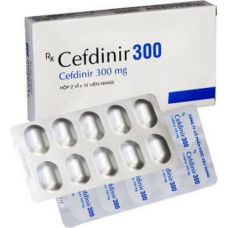
| Cefdinir | 0.00 € |
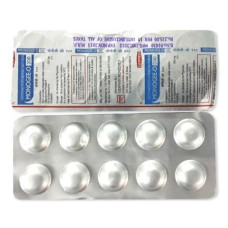
| Cefpodoxime | 0.00 € |
Domande frequenti su Bronchite acuta nel 2026
-
È necessaria una ricetta per acquistare Bronchite acuta in farmacia?
-
Quanto costa Bronchite acuta?
-
Posso acquistare Bronchite acuta nella vostra farmacia online?
-
Bronchite acuta è legale in Italia?
-
Quali sono le condizioni di spedizione?
-
Quali metodi di pagamento accettate?