


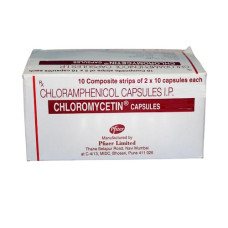
Medications for Bacteremia
Bacteremia is a serious condition characterized by the presence of bacteria in the bloodstream. Prompt and effective treatment is essential to prevent complications such as sepsis or organ damage. The use of appropriate medications can help eliminate the infection, reduce symptoms, and improve recovery chances. Early diagnosis combined with targeted therapy significantly enhances outcomes and minimizes the risk of long-term health issues. Understanding the available treatment options allows patients and caregivers to make informed decisions in collaboration with healthcare professionals.
What is Bacteremia?
Bacteremia occurs when bacteria enter the bloodstream, often originating from infections in other parts of the body such as the lungs, urinary tract, or skin. It can be either acute, developing rapidly, or chronic, persisting over time. This condition is more common in individuals with weakened immune systems, invasive medical devices, or recent surgeries. Recognizing and treating bacteremia promptly is crucial because if left untreated, it can lead to severe complications like sepsis, which can be life-threatening. Symptoms may include fever, chills, rapid heartbeat, and general malaise, but they can vary depending on the severity and source of infection.
Definition and Main Characteristics of Bacteremia
Bacteremia is defined as the presence of bacteria in the bloodstream, often resulting from localized infections that spread systemically. It is caused by various bacteria, including Staphylococcus aureus, Streptococcus species, and gram-negative bacteria like Escherichia coli. The disease can be transient, intermittent, or persistent, with severity ranging from mild to critical. Risk groups include immunocompromised patients, the elderly, and those with invasive medical procedures. The progression of bacteremia can lead to sepsis if not treated swiftly, emphasizing the importance of early intervention.
| Characteristic | Description |
|---|---|
| Type | Acute or chronic |
| Causes | Bacterial infections from various sources |
| Risks | Immunosuppression, invasive devices, recent surgeries |
| Symptoms | Fever, chills, malaise, rapid heartbeat |
Causes and Risk Factors of Bacteremia
Bacteremia can result from multiple causes, primarily infections that spread into the bloodstream. Common sources include urinary tract infections, pneumonia, skin wounds, or intra-abdominal infections. External factors such as invasive procedures, catheter use, or poor hygiene can increase the risk. Internal factors like a weakened immune system, chronic illnesses, or genetic predispositions also contribute. Environmental and lifestyle factors, including poor sanitation, malnutrition, or stress, may further elevate susceptibility. Recognizing these risk factors helps in implementing preventive measures to reduce the likelihood of developing bacteremia.
Factors Causing Bacteremia
The main contributors to bacteremia include infections originating from other body sites, invasive medical procedures, and compromised immune defenses. External factors such as contaminated environments or poor hygiene can facilitate bacterial entry into the bloodstream. Internal factors like genetic predisposition or chronic health conditions weaken the body's ability to fight infections. Often, multiple causes act together, increasing the risk of bacteremia. For example, a patient with a urinary tract infection who also has a catheter and a suppressed immune system faces a higher likelihood of developing bloodstream infection. Recognizing these factors is vital for implementing preventive strategies and reducing disease incidence.
| Type of Factor | Example | Mechanism of Influence |
|---|---|---|
| External | Invasive procedures | Provides a pathway for bacteria to enter the bloodstream |
| Internal | Immunosuppression | Reduces the body's ability to contain infections |
Symptoms of Bacteremia
The clinical presentation of bacteremia can vary widely, but common signs include fever, chills, rapid breathing, and general weakness. Some patients may experience nausea, confusion, or low blood pressure, especially if the infection progresses to sepsis. Symptoms often depend on the infection source and the patient's overall health. Early recognition of these signs is crucial, as timely treatment can prevent severe complications. In mild cases, symptoms may be subtle, making awareness and prompt medical evaluation essential for effective management.
Recognizing Early Signs of Bacteremia
Initial symptoms typically include sudden fever, chills, and sweating, which may be mistaken for other illnesses. Patients might also experience fatigue, muscle aches, or a rapid heartbeat. These signs are often nonspecific but should raise suspicion in at-risk individuals. Differentiating bacteremia from common viral illnesses relies on the presence of high fever and rapid deterioration if untreated. Prompt attention to these early signals allows for early diagnosis and intervention, reducing the risk of progression to more severe states like sepsis.
Diagnosis and When to See a Doctor
Diagnosing bacteremia involves a combination of clinical assessment and laboratory tests. Blood cultures are the gold standard for confirming bacteria in the bloodstream, often complemented by other tests such as complete blood counts, inflammatory markers, and imaging studies to identify infection sources. It is essential not to self-medicate or delay medical consultation, as early diagnosis improves treatment success. Only healthcare professionals can determine the severity and appropriate therapy, which may include hospitalization and intravenous antibiotics. Recognizing the importance of timely diagnosis helps in preventing complications and ensuring better outcomes.
Diagnostic Tests and Methods for Bacteremia
Blood cultures are performed to detect and identify bacteria in the bloodstream, providing definitive diagnosis. Additional tests include complete blood counts to assess infection severity and inflammatory markers like C-reactive protein (CRP) or procalcitonin. Imaging studies, such as ultrasound or CT scans, help locate infection sources. Rapid diagnostic techniques, including molecular assays, are increasingly used for quicker identification. Combining these methods allows clinicians to confirm bacteremia and tailor treatment effectively.
| Test Type | Purpose | Diagnostic Value |
|---|---|---|
| Blood culture | Detect bacteria in bloodstream | Gold standard for diagnosis |
| Inflammatory markers | Assess infection severity | Supports clinical suspicion |
Warning Signs Requiring Urgent Medical Attention
If you experience difficulty breathing, persistent high fever, confusion, severe weakness, or signs of shock such as cold, clammy skin and low blood pressure, seek emergency medical care immediately. Rapid deterioration can occur if bacteremia progresses to sepsis or septic shock. Any sudden worsening of symptoms or new symptoms like chest pain or loss of consciousness should prompt urgent evaluation. Early intervention in these situations is critical to prevent life-threatening complications.
Types of Medications and Treatments
Managing bacteremia typically involves the use of antibiotics, which are chosen based on the suspected or identified bacteria. The treatment approach depends on the severity of the infection, patient age, and overall health status. In mild cases, oral antibiotics may suffice, but severe infections often require hospitalization and intravenous therapy. Supportive care, such as fluids and oxygen, may also be necessary. It is important that treatment is supervised by a healthcare professional to ensure effectiveness and prevent resistance or adverse effects.
Medications for Bacteremia
The main groups of drugs used include antibiotics such as beta-lactams (e.g., penicillins, cephalosporins), glycopeptides (e.g., vancomycin), and aminoglycosides. Each class targets specific bacteria and is selected based on the infection's nature. For example, beta-lactams are effective against many gram-positive bacteria, while vancomycin is often used for resistant strains like MRSA. Combination therapy may be necessary in complex cases. The choice of medication is tailored to the pathogen, patient condition, and local resistance patterns, always under medical supervision.
| Drug Group | Example Active Ingredient | Therapeutic Purpose |
|---|---|---|
| Beta-lactams | Penicillin, Ceftriaxone | Target gram-positive and some gram-negative bacteria |
| Glycopeptides | Vancomycin | Effective against resistant gram-positive bacteria |
Natural Remedies for Bacteremia
While antibiotics are essential, some natural approaches may support recovery, such as maintaining adequate hydration, consuming a balanced diet rich in antioxidants, and resting sufficiently. Herbal infusions like echinacea or garlic have traditional uses for immune support, but their effectiveness in bacteremia is not scientifically proven. These methods should only complement prescribed treatments and always under medical supervision. They are not substitutes for professional medical care but may help strengthen overall health during recovery.
Forms and Presentations: Tablets, Capsules, Injections
Medications for bacteremia are available in various forms, including tablets, capsules, injectable solutions, and infusions. Tablets and capsules are convenient for outpatient use, offering ease of administration and rapid absorption. Injections are typically used in hospital settings for severe infections, providing direct and fast delivery of medication. Topical forms are generally not used for bacteremia but may be relevant for infection sources like skin wounds. The choice depends on the severity of the infection, patient condition, and treatment setting.
Over-the-Counter (OTC) Medications
For mild symptoms such as low-grade fever or discomfort, OTC medications like paracetamol or ibuprofen can provide symptomatic relief. However, they do not treat the underlying infection. It is important to consult a healthcare professional if symptoms persist or worsen, as bacteremia requires targeted antibiotic therapy. OTC drugs should be used responsibly, following dosing instructions, and not as a substitute for medical evaluation in suspected bloodstream infections.
Precautions and Side Effects
Even commonly prescribed medications can cause adverse reactions, especially if misused. Following the healthcare provider's instructions minimizes risks and enhances treatment safety. Monitoring for side effects such as allergic reactions, gastrointestinal disturbances, or liver issues is important. Certain populations, including children, pregnant women, the elderly, or those with chronic illnesses, require additional precautions. Regular follow-up ensures that therapy remains appropriate and effective, reducing the chance of complications.
Most Common Side Effects
Common mild side effects include nausea, diarrhea, rash, or fatigue. Serious adverse reactions, though less frequent, may involve allergic responses like swelling or difficulty breathing, liver toxicity, or cardiac issues. The risk of severe effects increases with certain antibiotics or prolonged use. Patients should report any unusual symptoms promptly to their healthcare provider to adjust therapy if necessary.
Safe Medication Use Tips
- Always follow the prescribed dosage and schedule.
- Do not mix medications with alcohol or certain foods unless approved by your doctor.
- Store medicines in a cool, dry place away from children.
- Attend regular check-ups to monitor treatment progress.
- Report any side effects or allergic reactions immediately.
Prevention and Daily Care
Preventing bacteremia involves good hygiene, proper wound care, and timely treatment of infections. Regular medical check-ups help identify potential sources early. Maintaining a healthy lifestyle, including balanced nutrition and adequate rest, supports immune function. Promptly addressing symptoms of infection and avoiding invasive procedures when unnecessary can reduce risk. Educating at-risk populations about infection control measures is also vital for prevention.
Recommended Habits to Reduce Bacteremia Risk
Practicing good hand hygiene, keeping wounds clean and covered, and avoiding sharing personal items are simple yet effective measures. Managing chronic conditions like diabetes helps prevent infections that could lead to bacteremia. Engaging in regular physical activity and eating a nutritious diet strengthen immune defenses. Avoiding unnecessary invasive procedures and ensuring proper sterilization during medical interventions further reduce risk. These habits collectively contribute to a lower incidence of bloodstream infections.
| Prevention Area | Recommended Measures | Main Benefit |
|---|---|---|
| Hygiene | Regular handwashing, wound care | Reduces bacterial entry |
| Medical procedures | Sterile techniques, timely removal of catheters | Prevents infection spread |
Additional Preventive Measures
Secondary prevention includes vaccination against certain bacteria like Streptococcus pneumoniae and Haemophilus influenzae, especially in vulnerable groups. Regular health screenings and blood tests can detect early signs of infection. Supplementing with vitamins or immune-boosting agents may support overall health, but should be discussed with a healthcare provider. Following medical advice and adhering to treatment plans are essential for long-term health and reducing recurrence risk.
Prognosis and Recovery
The outlook for bacteremia largely depends on how quickly it is diagnosed and treated, as well as the patient's overall health. With prompt and appropriate therapy, most patients recover fully without long-term effects. Delayed treatment or underlying health issues can complicate recovery, leading to prolonged illness or organ damage. Maintaining a healthy lifestyle and adhering to medical recommendations improve the chances of a favorable outcome. Early intervention remains the key to reducing mortality and morbidity associated with bloodstream infections.
Typical Recovery Time
The duration of recovery varies with the severity of the infection. Mild cases may resolve within a few days to a week with proper antibiotics, while severe cases requiring hospitalization can take several weeks. Chronic or recurrent bacteremia may necessitate ongoing treatment and monitoring. For uncomplicated infections, symptoms often improve rapidly, but complete recovery might require several weeks of therapy. Persistent or complicated cases demand continuous medical oversight to ensure full resolution.
| Type of Case | Average Recovery Time | Follow-up Recommendations |
|---|---|---|
| Mild | 3-7 days | Regular outpatient check-ups |
| Severe | 2-6 weeks | Hospital follow-up and blood tests |
Factors Enhancing Prognosis
- Early diagnosis and prompt initiation of antibiotics
- Effective management of underlying health conditions
- Adherence to treatment regimens
- Good nutritional status and hydration
- Close medical follow-up and monitoring
Lifestyle Changes for Better Outcomes
Adopting healthy habits such as balanced nutrition, regular exercise, adequate sleep, and stress management can support recovery. Avoiding smoking and excessive alcohol consumption also benefits immune health. Patients should follow medical advice regarding activity levels and medication adherence. These lifestyle modifications not only promote healing but also reduce the risk of recurrence and improve overall well-being.
Potential Complications
If untreated or poorly managed, bacteremia can lead to serious complications such as septic shock, organ failure, or abscess formation. Minor issues include persistent fatigue or localized infections, while severe consequences involve life-threatening conditions requiring intensive care. Preventing these outcomes depends on early detection, appropriate antibiotic use, and ongoing medical supervision. Regular follow-up and adherence to treatment plans are essential to avoid long-term health impacts.
| Complication | Frequency | Severity | Prevention |
|---|---|---|---|
| Septic shock | Less common | Severe, life-threatening | Early antibiotic therapy, intensive monitoring |
| Organ failure | Moderate | Serious | Timely treatment of infection |
With proper medical care and ongoing management, most patients with bacteremia recover satisfactorily and avoid long-term complications.
Frequently Asked Questions about Bacteremia and Its Treatment
This section addresses common questions patients have regarding bacteremia, including medication choices, treatment duration, and management strategies. Understanding these aspects helps patients participate actively in their care and make informed decisions. It is important to remember that while general information is helpful, personalized advice from healthcare professionals remains essential for effective treatment and recovery.
Which are the most effective drugs, based on evidence?
Clinical studies have confirmed the efficacy of certain antibiotics such as beta-lactams (e.g., ceftriaxone, amoxicillin), glycopeptides (e.g., vancomycin), and aminoglycosides (e.g., gentamicin) in treating bacteremia. These medications target specific bacteria and are selected based on the infection source and resistance patterns. For example, beta-lactams are effective against many gram-positive bacteria, while vancomycin is used for resistant strains like MRSA. The choice depends on the pathogen identified and patient factors, with treatment tailored to maximize effectiveness and minimize side effects.
| Drug Group | Example Active Ingredient | Proven Effectiveness |
|---|---|---|
| Beta-lactams | Ceftriaxone, Amoxicillin | Effective against common pathogens |
| Glycopeptides | Vancomycin | Effective against resistant bacteria like MRSA |
Is it possible to treat at home safely without a doctor’s prescription?
In mild cases, with close medical supervision, some aspects of treatment such as rest, hydration, and symptomatic relief with over-the-counter medications can be managed at home. However, bacteremia requires targeted antibiotic therapy, which must be prescribed by a healthcare professional. Self-treatment without proper diagnosis and guidance can be dangerous, leading to worsening infection or complications. Always consult a doctor before initiating any treatment, especially for bloodstream infections, to ensure safety and effectiveness.
What is the usual duration of treatment and follow-up?
The length of antibiotic therapy depends on the severity of the infection, the causative bacteria, and the patient’s response. Typically, treatment lasts from 7 to 14 days for uncomplicated cases, but more severe infections may require several weeks of therapy. Follow-up involves regular medical evaluations, blood tests, and possibly imaging to confirm infection resolution. The healthcare provider will determine the appropriate duration and schedule based on individual circumstances, ensuring complete recovery and preventing relapse.
| Type of Treatment | Estimated Duration | Recommended Follow-up |
|---|---|---|
| Standard antibiotics | 7-14 days | Periodic blood tests and clinical assessments |
| Severe cases | 2-6 weeks | Hospital monitoring and specialist consultations |
These questions and answers provide a general overview of bacteremia and its management, but each case should be individually evaluated by a healthcare professional for optimal care.
Where to Buy Medications for Bacteremia
Medications for bacteremia are available both in physical pharmacies and online stores. It is important to verify the license and reputation of the pharmacy to ensure the authenticity and quality of the medicines. Avoid counterfeit products by purchasing from trusted sources. All medications for bacteremia are available through our authorized online pharmacy in Italy, offering convenience and safety.
Secure Shopping at Our Online Pharmacy
Buying from our licensed online pharmacy offers several advantages, including professional consultation, guaranteed product authenticity, and secure payment options. Always check the pharmacy’s license, examine the packaging, and verify the expiration date before purchase. Our platform ensures strict quality controls, discreet packaging, and reliable delivery. If in doubt, consult our pharmacists for guidance on medication selection and proper use.
Can I Purchase Bacteremia Medications Online Without a Prescription?
All medications for bacteremia can be purchased online without a prescription through our pharmacy, in accordance with Italian regulations. However, it is crucial to have a proper diagnosis and medical guidance before starting treatment. Self-medicating can be dangerous, especially with serious infections like bacteremia. Always ensure that your online pharmacy is licensed, check the authenticity of the products, and consult a healthcare professional if symptoms persist or worsen. Responsible purchasing and use of medications are essential for safety and effectiveness.
Shipping Options and Quality Assurance
We offer various shipping methods, including standard, express, and international delivery, to meet your needs. Our quality control measures include tracking lot numbers, monitoring storage conditions, and ensuring secure packaging. Each shipment is traceable, and we maintain strict standards to preserve medication integrity during transit. Customers can track their orders and rely on our commitment to delivering safe, authentic medicines promptly.
Price, Availability, and Discounts in Italian Pharmacies
The cost of medications for bacteremia in Italy varies based on factors such as brand versus generic, dosage, form, and whether a prescription is required. Prices may also fluctuate depending on the pharmacy channel—physical or online—and regional differences. Availability can differ; some formulations may be in stock, while others require special ordering. Many pharmacies offer discounts, coupons, and loyalty programs that make treatments more affordable. Patients are encouraged to compare prices, inquire about promotions, and consult pharmacists for cost-effective options. If a specific form or dose is needed, early planning can facilitate easier procurement and alternative solutions.
| Prodotti in farmacia | Prezzo |
|---|---|
| Chloromycetin 500 mg compresse | 167.91 € |
Domande frequenti su Batteriemia nel 2026
-
È necessaria una ricetta per acquistare Batteriemia in farmacia?
-
Quanto costa Batteriemia?
-
Posso acquistare Batteriemia nella vostra farmacia online?
-
Batteriemia è legale in Italia?
-
Quali sono le condizioni di spedizione?
-
Quali metodi di pagamento accettate?
-
Prodotti più popolari in farmacia