


Medications for Angina Pectoris
Angina pectoris is a condition characterized by chest pain or discomfort caused by reduced blood flow to the heart muscle. It often signals underlying coronary artery disease and requires appropriate management to prevent more serious events like heart attacks. Effective medication can help control symptoms, improve quality of life, and reduce the risk of complications. Timely diagnosis and proper pharmacological treatment are essential for managing this condition, especially since angina can vary in frequency and severity among individuals. Medications are tailored based on the type and severity of angina, and combining lifestyle changes with drugs often yields the best outcomes.
What is Angina Pectoris?
Angina pectoris is a clinical syndrome characterized by chest pain or pressure resulting from insufficient oxygen supply to the heart muscle. It typically manifests during physical exertion or emotional stress and subsides with rest or medication. This condition can be chronic or episodic, with episodes varying in frequency and intensity. Recognizing angina early is crucial because it serves as a warning sign of potential heart problems, and prompt treatment can prevent progression to more severe cardiac events. Understanding its symptoms and triggers helps patients seek medical advice promptly and manage the condition effectively.
Definition and Main Characteristics of Angina Pectoris
Angina pectoris is a symptom complex caused by myocardial ischemia, often due to narrowing or blockage of coronary arteries. It presents as transient chest pain, often described as pressure, squeezing, or burning, which lasts from a few seconds to several minutes. The disease can be stable, unstable, or variant (Prinzmetal's angina), with varying degrees of severity. Risk groups include older adults, those with high blood pressure, high cholesterol, smoking habits, and a family history of heart disease. The progression of angina can lead to myocardial infarction if not properly managed, making early diagnosis and treatment vital.
| Type of Angina | Characteristics | Risk Factors |
|---|---|---|
| Stable Angina | Predictable episodes during exertion, relieved by rest or medication | Physical activity, stress, high cholesterol |
| Unstable Angina | More frequent, severe, occurring at rest or with minimal exertion | Progression of coronary artery disease, plaque rupture |
| Variant (Prinzmetal's) Angina | Occurs at rest, caused by coronary artery spasms | Smoking, cold exposure, stress |
Causes and Risk Factors of Angina Pectoris
The primary cause of angina is reduced blood flow to the heart muscle, often due to atherosclerosis—buildup of fatty deposits in coronary arteries. Several factors increase the risk of developing angina, including lifestyle habits, genetic predisposition, and environmental influences. Age is a significant factor, with risk increasing after 45 years in men and 55 in women. Other contributors include high blood pressure, high cholesterol levels, smoking, obesity, diabetes, and physical inactivity. External factors such as stress and cold weather can also precipitate angina episodes. Recognizing these risk factors helps in implementing preventive measures to reduce disease progression.
Factors Contributing to Angina Development
Various internal and external factors contribute to the development of angina. Internally, genetic predisposition and metabolic conditions like diabetes play a role, while externally, lifestyle choices and environmental exposures are significant. For example, smoking damages the endothelium lining arteries, promoting plaque formation, while chronic stress can induce spasms of coronary arteries. Often, multiple factors act together, amplifying the risk. Understanding these causes allows for targeted prevention strategies, reducing the likelihood of angina episodes and progression to more severe cardiac conditions.
| Type of Factor | Example | Mechanism of Influence |
|---|---|---|
| Genetic | Family history of coronary artery disease | Inherited predisposition to atherosclerosis |
| Lifestyle | Smoking, poor diet, physical inactivity | Accelerates plaque buildup and vascular damage |
| Environmental | Cold exposure, pollution | Triggers vasospasms or increases cardiac workload |
| Metabolic | Diabetes, high cholesterol | Contributes to arterial narrowing and plaque formation |
Symptoms of Angina Pectoris
Angina typically presents as chest discomfort described as pressure, squeezing, or burning. It may radiate to the arms, neck, jaw, or back. Symptoms often occur during physical activity, emotional stress, or after heavy meals, and usually resolve with rest or medication. Some individuals experience shortness of breath, sweating, nausea, or dizziness during episodes. Recognizing these signs early is important because prompt treatment can alleviate symptoms and prevent worsening of the condition. The severity and frequency of symptoms can vary, making individual assessment essential for effective management.
Recognizing Early Signs of Angina
In the initial stages, angina often manifests as mild discomfort or a feeling of heaviness in the chest. These episodes are usually triggered by exertion or emotional stress and tend to subside with rest or medication. Some individuals may experience discomfort in the shoulders, arms, neck, or jaw, which can be mistaken for other conditions. The symptoms are often predictable, but sudden, severe chest pain at rest may indicate unstable angina requiring urgent medical attention. Early recognition of these signs allows for timely intervention, reducing the risk of heart attack or other complications.
Diagnosis and When to Consult a Doctor
If you experience chest pain or discomfort, especially if it occurs repeatedly or at rest, consulting a healthcare professional promptly is crucial. Doctors diagnose angina through a combination of medical history, physical examination, and diagnostic tests. These may include electrocardiograms (ECG), stress tests, echocardiography, and blood tests. Self-medicating or ignoring symptoms can lead to serious consequences, so professional evaluation is essential. Early diagnosis enables appropriate treatment planning, which can significantly improve outcomes and prevent progression to more severe heart conditions.
Diagnostic Tests for Angina
To confirm angina, physicians utilize various tests, starting with an ECG to detect electrical activity abnormalities. Stress testing, such as treadmill or pharmacologic stress tests, assesses how the heart responds to exertion. Echocardiography provides images of heart function, while coronary angiography offers detailed visualization of blood vessels. Blood tests measuring cholesterol, blood sugar, and cardiac enzymes help identify underlying risk factors and damage. Combining these methods allows for accurate diagnosis and guides personalized treatment strategies.
| Test Type | Purpose | Diagnostic Value |
|---|---|---|
| Electrocardiogram (ECG) | Detects electrical abnormalities during angina episodes | Initial screening, identifies ischemia |
| Stress Test | Assesses heart response to exertion | Identifies exercise-induced ischemia |
| Echocardiography | Evaluates heart function and wall motion | Detects functional impairments |
| Coronary Angiography | Visualizes coronary arteries | Definitive diagnosis of blockages |
Signs Requiring Urgent Medical Attention
Any sudden, severe chest pain that persists despite rest or medication warrants immediate medical care. Additional warning signs include pain radiating to the arm, neck, or jaw, accompanied by shortness of breath, sweating, nausea, dizziness, or loss of consciousness. These symptoms may indicate a heart attack or unstable angina, both of which require urgent intervention. Delaying treatment can lead to irreversible heart damage or death. Recognizing these emergency signs and seeking prompt medical help can save lives and improve recovery chances.
Types of Medications and Treatments
Managing angina involves a combination of lifestyle modifications and pharmacological therapy. The choice of medication depends on the severity, frequency of episodes, and individual patient factors. Some drugs are available over the counter for mild symptoms, but more potent or combination therapies require a healthcare provider’s prescription. Proper medication adherence, along with lifestyle changes, significantly reduces the risk of heart attacks and other complications. Regular follow-up with a cardiologist ensures optimal treatment adjustments and monitoring of disease progression.
Medications for Angina Pectoris
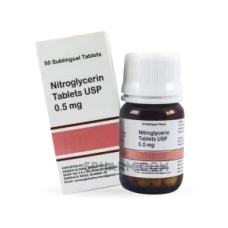
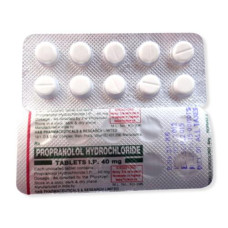
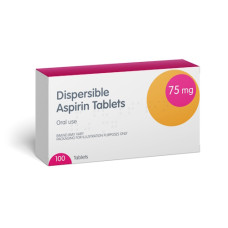
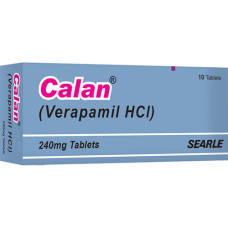
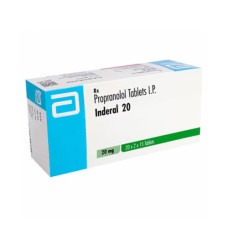
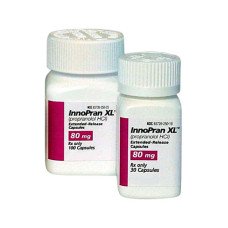
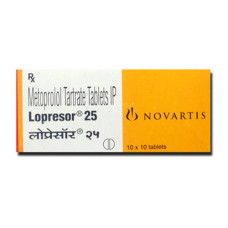
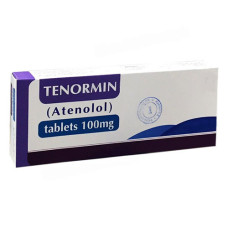
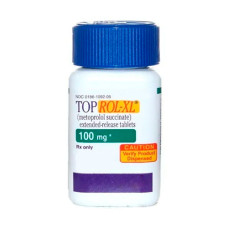
Several classes of drugs are used to treat angina, each targeting different aspects of the disease. Nitrates, such as nitroglycerin, provide rapid relief by dilating coronary vessels. Beta-blockers (e.g., metoprolol) reduce heart rate and myocardial oxygen demand, helping prevent episodes. Calcium channel blockers (e.g., amlodipine) relax blood vessels and decrease spasm risk. Antiplatelet agents like aspirin prevent clot formation, reducing the chance of artery blockage. In some cases, statins are prescribed to lower cholesterol levels and slow atherosclerosis progression. Combining these medications under medical supervision offers comprehensive management of angina symptoms and underlying causes.
| Drug Group | Example Active Substance | Therapeutic Purpose |
|---|---|---|
| Nitrates | Nitroglycerin | Rapid symptom relief and vasodilation |
| Beta-Blockers | Metoprolol | Reduce myocardial oxygen demand |
| Calcium Channel Blockers | Amlodipine | Vasodilation, prevent spasms |
| Antiplatelet Agents | Aspirin | Prevent clot formation |
| Statins | Atorvastatin | Lower cholesterol, slow atherosclerosis |
Natural Remedies for Angina
Complementary approaches such as omega-3 fatty acids, garlic supplements, and hawthorn extract may support cardiovascular health and alleviate mild symptoms. Maintaining a diet rich in fruits, vegetables, and whole grains, along with regular physical activity, can improve overall heart function. Stress reduction techniques like meditation or yoga also contribute to better management. However, these natural remedies should be used only as adjuncts and always under medical supervision. They do not replace prescribed medications but can support overall treatment strategies.
Forms and Presentations: Tablets, Pills, Capsules
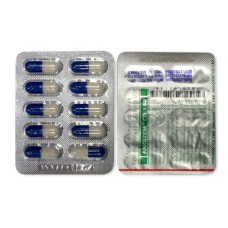
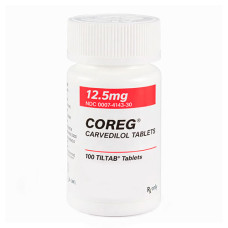
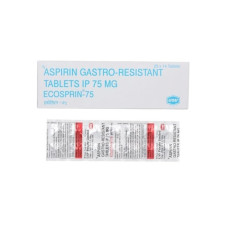
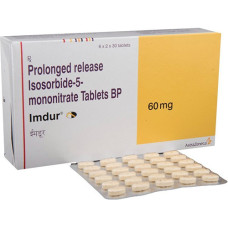
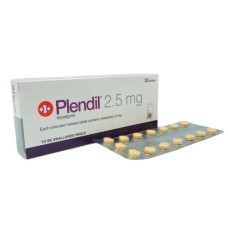
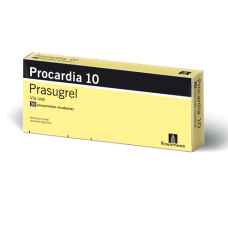
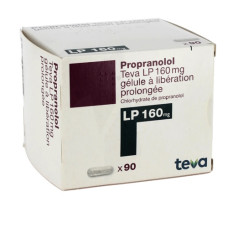
Medications for angina are commonly available in various forms, including tablets, capsules, and sprays. Tablets and capsules are convenient for daily use and can be formulated for immediate or sustained release, providing quick relief or long-lasting effects. Sprays, such as nitroglycerin spray, offer rapid absorption for acute episodes. Topical ointments and patches are also used for continuous drug delivery, especially in chronic management. The choice of form depends on the severity of symptoms, patient preference, and specific medical advice, ensuring optimal adherence and effectiveness.
Over-the-Counter (OTC) Medications
For mild, infrequent symptoms, some OTC products like sublingual nitroglycerin sprays or tablets may be used, but only under medical guidance. These options are suitable for quick relief during angina attacks but are not substitutes for comprehensive treatment. It is essential to consult a healthcare professional if symptoms persist or worsen, as OTC medications do not address underlying causes. Self-medicating without proper diagnosis can be risky, so always seek medical advice before using OTC remedies for angina.
Precautions and Side Effects
Even commonly prescribed medications can cause side effects, especially if misused or taken inappropriately. Common adverse reactions include headaches, dizziness, flushing, or gastrointestinal discomfort. Serious but rare effects may involve allergic reactions, liver issues, or cardiovascular complications. Following prescribed dosages and instructions minimizes risks. Particular caution is needed for vulnerable groups such as children, pregnant women, the elderly, or those with chronic illnesses. Regular monitoring and communication with healthcare providers are vital to ensure safe and effective treatment.
Most Common Side Effects
Minor side effects like headaches, lightheadedness, or skin flushing are frequently reported and usually resolve with continued use. More severe reactions, such as allergic responses or liver problems, are less common but require immediate medical attention. Risk levels vary depending on the medication and individual patient factors. Awareness of potential adverse effects helps in early detection and management, ensuring treatment safety.
Safe Medication Use Tips
- Always adhere to the prescribed dosage and schedule provided by your healthcare provider.
- Avoid alcohol and certain foods that may interact with your medication, as advised by your doctor.
- Store medicines in a cool, dry place away from children and pets.
- Do not share medications with others, even if symptoms seem similar.
- Schedule regular follow-up appointments to monitor treatment effectiveness and side effects.
Responsible medication use and ongoing medical supervision are key to achieving the best outcomes and preventing complications.
Prevention and Daily Care
Preventive measures and healthy daily habits play a crucial role in managing and reducing angina episodes. Regular medical check-ups, blood pressure control, and cholesterol management are essential. Adopting a heart-healthy diet, engaging in moderate exercise, avoiding smoking, and managing stress can significantly lower risk. Early recognition of symptoms and prompt medical consultation help prevent disease progression. Tailoring prevention strategies to individual risk profiles enhances their effectiveness, contributing to better long-term heart health.
Recommended Lifestyle Changes to Reduce Angina Risk
Implementing a balanced diet low in saturated fats and high in fiber supports vascular health. Regular physical activity, such as walking or swimming, improves circulation and strengthens the heart. Avoiding tobacco use and limiting alcohol intake are vital steps. Managing stress through relaxation techniques and ensuring adequate rest can prevent episodes. Monitoring blood pressure and cholesterol levels regularly helps detect early signs of deterioration. These lifestyle modifications collectively reduce the likelihood of angina and improve overall cardiovascular well-being.
| Prevention Area | Recommended Measures | Main Benefit |
|---|---|---|
| Diet | Increase fruits, vegetables, whole grains; reduce saturated fats | Lower cholesterol, improve vessel health |
| Exercise | Moderate aerobic activity, 3-5 times/week | Enhances circulation, reduces risk factors |
| Stress Management | Meditation, yoga, relaxation techniques | Reduces vasospasms and blood pressure |
| Smoking Cessation | Support programs, nicotine replacement therapy | Prevents arterial damage |
Secondary Preventive Measures
Secondary prevention includes regular medical check-ups, adherence to prescribed medications, and lifestyle counseling. Vaccinations, such as influenza, may be recommended to prevent infections that can exacerbate cardiac conditions. Supplementing with vitamins or antioxidants might be advised in some cases, but always under medical supervision. Following medical advice and monitoring health status helps in controlling angina and preventing future cardiac events. These measures contribute to overall cardiovascular health and improve quality of life over time.
Prognosis and Recovery
The outlook for patients with angina depends on the disease type, severity, and how promptly and effectively it is managed. With appropriate treatment, many individuals experience significant symptom relief and a reduced risk of heart attack. Maintaining a healthy lifestyle and adhering to prescribed therapies are critical for favorable outcomes. Early intervention and continuous monitoring can slow disease progression and improve long-term prognosis. Patients who follow medical advice and make lifestyle changes often enjoy a better quality of life and fewer complications.
Typical Recovery Time
The recovery period varies based on the severity of angina and the chosen treatment. Mild cases may see symptom improvement within days to weeks, especially with medication and lifestyle adjustments. More severe or unstable angina might require longer periods of stabilization, often extending to several weeks or months. Chronic angina necessitates ongoing management and regular follow-up to monitor progress. In some cases, patients may need continuous therapy and lifestyle modifications to maintain stability and prevent recurrence.
| Type of Case | Average Recovery Time | Follow-up Recommendations |
|---|---|---|
| Mild Angina | Few days to weeks | Regular check-ups every 6-12 months |
| Severe/Unstable Angina | Weeks to months | Frequent monitoring, possibly monthly |
| Chronic Angina | Ongoing management | Continuous follow-up and lifestyle adjustments |
Factors Enhancing Prognosis
- Early diagnosis and initiation of treatment
- Adherence to prescribed medications and lifestyle changes
- Control of risk factors like hypertension and hyperlipidemia
- Regular medical follow-up and monitoring
- Engagement in cardiac rehabilitation programs
These factors significantly increase the chances of complete remission or stable disease, reducing the likelihood of future complications.
Lifestyle Changes for Better Outcomes
Adopting healthier habits is essential for recovery and prevention. Patients should focus on maintaining a balanced diet, engaging in regular physical activity, quitting smoking, and managing stress effectively. Adequate rest and avoiding excessive alcohol consumption also contribute to heart health. These lifestyle modifications, combined with medical treatment, support the healing process and help prevent recurrences. Consistent adherence to these changes is key to long-term disease control and improved quality of life.
Potential Complications
If left untreated or poorly controlled, angina can lead to serious complications such as heart attack, heart failure, arrhythmias, or sudden cardiac death. Minor issues may include persistent chest discomfort or reduced exercise tolerance, while major complications involve irreversible damage to the heart muscle. Preventing these outcomes depends on timely medical intervention, medication adherence, and lifestyle management. Regular follow-up and risk factor control are vital to minimize the likelihood of adverse events. With proper care, most patients can avoid severe complications and maintain a good quality of life.
| Complication | Frequency | Severity | Prevention |
|---|---|---|---|
| Heart Attack | Moderate to high if unmanaged | Serious, potentially fatal | Medication adherence, risk factor control |
| Heart Failure | Depends on disease progression | Chronic, reduces quality of life | Early treatment, lifestyle changes |
| Arrhythmias | Variable, often with severe disease | Can be life-threatening | Monitoring, medication management |
With appropriate treatment and ongoing care, most patients with angina can achieve satisfactory health outcomes and avoid long-term complications.
Frequently Asked Questions about Angina Pectoris and Its Treatment
This section addresses common questions patients have regarding angina, including medication options, treatment duration, and lifestyle modifications. Understanding these aspects helps patients participate actively in their care and make informed decisions. Remember, while general information is helpful, personalized advice from a healthcare professional is essential for effective management and safety.
Which are the most effective drugs, based on evidence?
Clinical studies have confirmed the efficacy of several drug groups in managing angina. Nitrates like nitroglycerin provide rapid symptom relief by dilating coronary vessels. Beta-blockers, such as metoprolol, reduce heart rate and myocardial oxygen demand, preventing attacks. Calcium channel blockers, including amlodipine, relax blood vessels and help prevent spasms. Antiplatelet agents like aspirin decrease clot formation, reducing the risk of artery blockage. Statins are also crucial in lowering cholesterol levels, slowing atherosclerosis progression. Combining these medications under medical supervision offers comprehensive control of angina symptoms and underlying disease.
| Drug Group | Example Active Substance | Purpose |
|---|---|---|
| Nitrates | Nitroglycerin | Rapid symptom relief and vasodilation |
| Beta-Blockers | Metoprolol | Reduce myocardial oxygen demand |
| Calcium Channel Blockers | Amlodipine | Vasodilation, prevent spasms |
| Antiplatelet Agents | Aspirin | Prevent clot formation |
| Statins | Atorvastatin | Lower cholesterol, slow atherosclerosis |
Is it possible to treat at home safely without replacing the doctor?
For mild angina episodes, some measures can be taken at home, such as resting, taking prescribed medications, and maintaining a healthy diet. However, it is crucial to monitor symptoms closely and seek medical advice if episodes increase in frequency or severity. Self-treatment should not replace professional evaluation, especially if symptoms change or worsen. Always consult a healthcare provider before making any adjustments to your treatment plan to ensure safety and effectiveness.
What is the usual duration of treatment and follow-up?
The length of treatment varies depending on the severity of angina and individual response. Mild cases may require only short-term medication, with follow-up visits every 6-12 months. More severe or unstable angina often necessitates ongoing therapy and regular monitoring, sometimes monthly or quarterly. Long-term management includes lifestyle modifications, medication adherence, and periodic assessments to prevent recurrence and complications. The duration is tailored to each patient, emphasizing the importance of continuous medical supervision.
| Type of Treatment | Estimated Duration | Recommended Follow-up |
|---|---|---|
| Mild Angina | Few weeks to months | Every 6-12 months |
| Severe/Unstable Angina | Ongoing, indefinite | Monthly or quarterly assessments |
| Chronic Management | Long-term | Regular check-ups and lifestyle review |
Where to Buy Medications for Angina Pectoris
Medications for angina are available both in physical pharmacies and online stores. It is important to verify the licensing and reputation of the pharmacy to ensure the quality and authenticity of the medicines. Avoid purchasing from unverified sources to prevent counterfeit products. All medications for angina are accessible through our authorized online pharmacy in Italy, offering convenience and safety. Always check the authenticity of the seller and consult a healthcare professional before purchasing or using any medication.
Safe Shopping in Our Online Pharmacy
Buying from our licensed online pharmacy offers several advantages, including professional consultation, guaranteed product quality, and secure payment options. We ensure the authenticity of all medicines through strict quality controls and proper packaging. Customers are advised to verify the pharmacy’s license, examine the packaging for tampering, check expiration dates, and consult our pharmacists for guidance. Our platform provides a seamless and secure shopping experience, with options for discreet shipping and easy returns if necessary.
Can Medications Be Purchased Online Without a Prescription?
All medications for angina can be purchased online without a prescription through our authorized pharmacy in Italy. However, it is essential to have a proper diagnosis and follow medical advice for safe and effective treatment. Patients should provide accurate health information and consult healthcare professionals if symptoms change or worsen. Purchasing medications without proper medical guidance can be risky, so always ensure that you are buying from a reputable source and that the medications are appropriate for your condition. Self-medicating without professional oversight is discouraged to prevent adverse effects and complications.
Shipping Options and Quality Assurance
Our pharmacy offers multiple shipping methods, including standard, express, and international delivery, to meet customer needs. We implement rigorous quality control measures such as batch traceability, temperature monitoring during transit, and secure, discreet packaging. Customers can track their orders in real-time, ensuring transparency and safety. These measures help maintain medication integrity and guarantee that products arrive in optimal condition. Choosing a reliable shipping service ensures timely delivery and peace of mind for our customers.
Price, Availability, and Discounts in Italy
The cost of angina medications in Italy varies based on factors like brand versus generic, dosage, form (tablets, capsules, liquids), and whether a prescription is required. Prices can also differ between physical pharmacies and online stores, with online options often offering competitive discounts. Availability may fluctuate depending on demand, seasonality, or regional supply chains, with some formulations available only upon request. Many pharmacies provide special offers, coupons, and loyalty programs that make medications more affordable. Patients are encouraged to compare prices, inquire about generic alternatives, and ask pharmacists about ongoing promotions to optimize their healthcare budget. Being informed about product options and costs helps ensure access to necessary treatments without financial strain.
| Prodotti in farmacia | Prezzo |
|---|---|
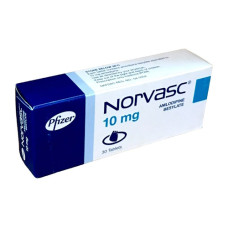
| Norvasc 2.5/5/10 mg compresse | 77.83 € |
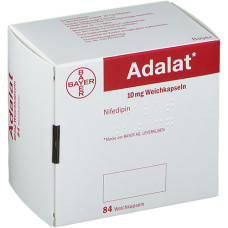
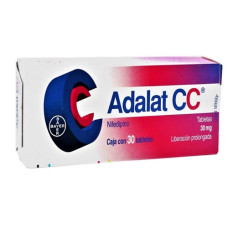
| Adalat 10/20/30 mg compresse | 74.33 € |
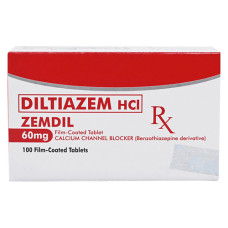
| Diltiazem HCL - Cloridrato 60/120/180 mg compresse | 45.47 € |
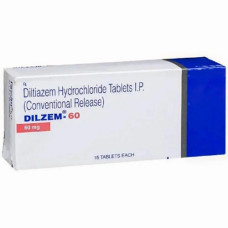
| Diltiazem 60/180 mg compresse | 114.56 € |
| Nitroglicerina 0.5/2.5/6.5 mg capsule | 18.36 € |
Domande frequenti su Angina pectoris nel 2026
-
È necessaria una ricetta per acquistare Angina pectoris in farmacia?
-
Quanto costa Angina pectoris?
-
Posso acquistare Angina pectoris nella vostra farmacia online?
-
Angina pectoris è legale in Italia?
-
Quali sono le condizioni di spedizione?
-
Quali metodi di pagamento accettate?
-
Prodotti più popolari in farmacia