


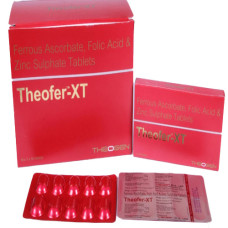
Medications for Anemia
Managing anemia effectively often requires the use of specific medications to restore healthy red blood cell levels and address underlying causes. Proper treatment can significantly improve symptoms such as fatigue, weakness, and shortness of breath, enhancing overall quality of life. The choice of medication depends on the type and severity of anemia, as well as individual patient factors. Early diagnosis and appropriate pharmacological intervention are crucial to prevent complications and promote recovery. Scientific studies highlight that iron supplements, vitamin B12, and folic acid are among the most common and effective treatments, especially in cases of deficiency anemia. Combining these with dietary adjustments and addressing underlying causes can lead to better outcomes.
What is Anemia?
Anemia is a condition characterized by a decrease in the number of healthy red blood cells or hemoglobin in the blood. This reduction impairs the blood’s ability to carry oxygen to tissues and organs, leading to symptoms like fatigue, pallor, and dizziness. It can affect people of all ages but is more common in women, the elderly, and those with chronic illnesses. Anemia can be acute or chronic, depending on how quickly it develops and its underlying cause. Timely diagnosis is essential because untreated anemia can worsen health and increase the risk of complications such as heart problems or severe fatigue.
Definition and Main Characteristics of Anemia
Anemia is a blood disorder where the body lacks enough red blood cells or hemoglobin. It can be caused by nutritional deficiencies, chronic diseases, genetic conditions, or blood loss. The disease varies in severity, from mild cases with subtle symptoms to severe forms that significantly impair daily functioning. Types of anemia include iron-deficiency anemia, vitamin B12 deficiency anemia, and hemolytic anemia. Risk groups include pregnant women, vegetarians, individuals with gastrointestinal disorders, and those with chronic illnesses. The progression depends on the cause; some forms respond quickly to treatment, while others require long-term management.
Causes and Risk Factors of Anemia
Several factors contribute to the development of anemia, including nutritional deficiencies, chronic diseases, genetic predispositions, and lifestyle habits. Infections such as hookworm or malaria can cause blood loss or destruction of red blood cells. Poor diet lacking iron, vitamin B12, or folic acid is a common external cause, especially in vulnerable populations. Age-related factors, gastrointestinal bleeding, and certain medications also increase risk. Environmental influences like exposure to toxins or pollutants may impair blood cell production. Recognizing these risk factors helps in adopting preventive measures and early interventions.
| Risk Factor | Description | Probability |
|---|---|---|
| Nutritional Deficiency | Lack of iron, B12, or folic acid in diet | High in vulnerable groups |
| Chronic Disease | Conditions like kidney disease or cancer | Moderate to high |
| Blood Loss | Gastrointestinal bleeding, trauma | Variable |
| Genetic Factors | Sickle cell anemia, thalassemia | Lower but significant |
Factors Contributing to Anemia
Internal factors such as genetic mutations can cause inherited forms of anemia, while external factors like poor nutrition, infections, or environmental toxins can also play a role. Often, multiple causes coexist, making anemia a multifactorial disease. For example, a person with a genetic predisposition may also have a diet deficient in essential nutrients, increasing their risk. Stress, chronic inflammation, and certain medications can further impair red blood cell production or increase destruction. Understanding these contributing factors is vital for implementing effective prevention strategies and personalized treatments.
Symptoms of Anemia
Symptoms of anemia can be subtle initially but tend to become more pronounced as the condition worsens. Common signs include fatigue, weakness, pale skin, shortness of breath, and dizziness. Some individuals may experience cold hands and feet or headaches. The severity and specific symptoms depend on how quickly anemia develops and its underlying cause. Recognizing early signs allows for prompt medical evaluation and treatment, which can prevent complications and improve recovery prospects.
Recognizing Early Signs of Anemia
In the initial stages, symptoms are often mild and nonspecific, such as tiredness, slight pallor, or mild dizziness. These signs can be mistaken for other conditions, so awareness is important. As anemia progresses, symptoms like rapid heartbeat, chest pain, or cognitive difficulties may appear. Some individuals may notice increased susceptibility to infections or difficulty concentrating. Early detection through routine blood tests is recommended when risk factors are present, to initiate timely treatment and prevent worsening.
Diagnosis and When to See a Doctor
Diagnosing anemia involves a thorough medical history, physical examination, and laboratory tests. Blood tests such as a complete blood count (CBC) help determine hemoglobin levels, red blood cell count, and other parameters. Additional tests may include iron studies, vitamin B12 levels, and bone marrow analysis if needed. It is crucial not to self-medicate or ignore symptoms, as only a healthcare professional can assess severity and underlying causes. Early diagnosis improves treatment effectiveness and reduces the risk of complications.
Diagnostic Tests and Methods for Anemia
Diagnosis typically begins with a CBC to evaluate hemoglobin and hematocrit levels. Iron studies, including serum ferritin and transferrin saturation, help identify iron deficiency. Vitamin B12 and folic acid tests determine nutritional causes. In some cases, bone marrow biopsies or hemolysis panels are necessary. Imaging studies may be used to detect internal bleeding sources. These tests collectively provide a comprehensive picture, guiding targeted treatment strategies.
| Test Type | Purpose | Diagnostic Value |
|---|---|---|
| Complete Blood Count (CBC) | Assess hemoglobin, hematocrit, RBC count | Primary indicator of anemia |
| Serum Ferritin | Evaluate iron stores | Detect iron deficiency |
| Vitamin B12 & Folic Acid Levels | Identify deficiencies | Determine nutritional causes |
| Bone Marrow Examination | Assess marrow function | Used in complex or unclear cases |
Warning Signs Requiring Urgent Medical Attention
If you experience severe symptoms such as chest pain, difficulty breathing, fainting, or sudden weakness, seek emergency medical care immediately. These signs may indicate life-threatening complications like heart attack or stroke. Additionally, rapid or heavy bleeding, severe dizziness, or confusion also warrant urgent evaluation. Prompt intervention can prevent serious outcomes and improve prognosis.
Types of Medications and Treatments
The treatment of anemia varies depending on its cause and severity. Mild cases may be managed with dietary changes and over-the-counter supplements, but more severe forms require prescription medications. The goal is to restore normal red blood cell levels, correct deficiencies, and treat underlying conditions. Always consult a healthcare professional before starting any treatment, as inappropriate use can cause adverse effects or mask serious issues.
Medications for Anemia Treatment
Common pharmacological options include iron supplements, vitamin B12 injections, and folic acid tablets. Iron preparations such as ferrous sulfate are frequently prescribed for iron-deficiency anemia. Vitamin B12 injections are used when deficiency is due to malabsorption or dietary insufficiency. Folic acid supplements help in cases related to folate deficiency. In some cases, erythropoiesis-stimulating agents (ESAs) are used to stimulate red blood cell production in chronic kidney disease or chemotherapy-related anemia.
| Drug Group | Example Active Ingredient | Therapeutic Goal |
|---|---|---|
| Iron Supplements | Ferrous sulfate, ferrous fumarate | Correct iron deficiency |
| Vitamin B12 | Cyanocobalamin | Address B12 deficiency |
| Folic Acid | Folic acid | Support red blood cell production |
| Erythropoiesis-Stimulating Agents | Epoetin alfa | Stimulate RBC production in chronic anemia |
Natural Remedies for Anemia
While medications are essential, some natural approaches can support treatment and alleviate symptoms. Consuming iron-rich foods like spinach, red meat, and legumes can help improve iron levels. Vitamin B12 sources such as eggs, dairy, and fortified cereals are beneficial. Folic acid can be increased through leafy greens and citrus fruits. Additionally, maintaining a balanced diet, staying hydrated, and managing stress contribute to overall health. However, these remedies should complement medical treatment and always be discussed with a healthcare provider.
Forms and Presentations: Tablets, Capsules, Liquids
Medications for anemia are available in various forms, including tablets, capsules, liquids, and injections. Tablets and capsules are convenient for daily oral intake and often have rapid absorption. Liquids are suitable for children or those with swallowing difficulties. Injections are used in severe cases or when absorption issues exist. Each form offers specific advantages, such as ease of use or faster action, depending on the patient's needs and the treatment plan.
Over-the-Counter (OTC) Medications
For mild anemia or deficiency symptoms, some OTC supplements like iron tablets or multivitamins containing B12 and folic acid can be used. These are generally safe when taken as directed, but it is important to monitor symptoms and consult a healthcare professional if there is no improvement. Overuse or incorrect dosing can cause side effects such as gastrointestinal discomfort or toxicity. Always follow recommended dosages and seek medical advice for persistent or worsening symptoms.
Precautions and Side Effects
Even commonly prescribed medications can cause side effects, especially if misused. Common adverse reactions include nausea, constipation, or allergic reactions. Serious effects like liver toxicity or cardiovascular issues are rare but require immediate medical attention. Following the prescribed dosage, avoiding alcohol, and reporting any unusual symptoms to your doctor are essential steps to minimize risks. Special caution is advised for vulnerable groups such as children, pregnant women, and the elderly, who may need tailored treatment plans.
Most Common Side Effects
| Type of Effect | Frequency | Severity | Recommendations |
|---|---|---|---|
| Nausea, stomach upset | Common | Mild to moderate | Take with food, adjust dose |
| Allergic reactions | Rare | Severe | Seek immediate medical help |
| Liver toxicity (rare) | Very rare | Severe | Monitor liver function, report symptoms |
Safe Medication Use Tips
- Follow prescribed dosages carefully and do not exceed recommended doses.
- Take medications with food if gastrointestinal upset occurs, unless contraindicated.
- Avoid alcohol and certain foods that may interfere with absorption.
- Store medicines in a cool, dry place, out of reach of children.
- Attend regular follow-up appointments to monitor treatment progress.
Prevention and Daily Care
Preventive measures and healthy daily habits are key to managing and reducing the risk of anemia. Regular medical check-ups can detect early signs, especially in high-risk groups. A balanced diet rich in iron, B12, and folic acid supports blood health. Adequate rest, stress management, and avoiding environmental toxins also contribute to prevention. Promptly addressing symptoms and maintaining a healthy lifestyle can prevent progression and complications.
Recommended Habits to Reduce Anemia Risk
Adopting a nutritious diet with iron-rich foods, engaging in regular physical activity, and maintaining good hygiene are essential. Avoiding excessive alcohol consumption and managing chronic conditions help prevent deficiencies. Ensuring sufficient sleep and reducing stress support overall health. These small lifestyle changes can significantly lower the likelihood of developing anemia or experiencing recurrences.
| Prevention Area | Recommended Measures | Main Benefit |
|---|---|---|
| Diet | Eat iron-rich foods, include B12 and folate sources | Supports blood cell production |
| Exercise | Regular moderate activity | Improves circulation and overall health |
| Hygiene & Environment | Maintain cleanliness, avoid toxins | Reduces infection risk |
| Sleep & Stress | Ensure adequate rest, practice stress reduction | Enhances immune function and recovery |
Secondary Preventive Measures
Routine medical screenings, vaccinations (if applicable), and supplementation of vitamins can help prevent anemia recurrence. Following medical advice for managing chronic illnesses and avoiding known risk factors are essential. Regular monitoring ensures early detection of any deficiencies or issues, facilitating prompt intervention. These secondary measures contribute to overall health and long-term well-being.
Prognosis and Recovery
The outlook for anemia depends on its cause, severity, and how quickly treatment begins. Most patients respond well to appropriate therapy, leading to significant symptom improvement and recovery. Early diagnosis and adherence to treatment plans are critical for a favorable prognosis. Maintaining a healthy lifestyle and regular medical follow-up further support recovery and prevent relapses.
Typical Recovery Time
The recovery period varies with the type and severity of anemia. Mild cases often resolve within a few days to weeks after starting treatment, while more severe or chronic forms may take several months. For example, iron deficiency anemia may improve in 4-6 weeks with supplementation, but underlying causes like bleeding must also be addressed. Chronic anemia requires ongoing management and monitoring to achieve gradual improvement.
| Type of Case | Average Recovery Time | Follow-up Recommendations |
|---|---|---|
| Mild Iron Deficiency | 4-6 weeks | Monthly blood tests |
| Severe or Chronic Anemia | Several months | Regular hematology assessments |
Factors Improving Prognosis
- Early diagnosis and prompt treatment initiation
- Adherence to prescribed therapy
- Addressing underlying causes effectively
- Maintaining a balanced diet and healthy lifestyle
- Regular medical follow-up and monitoring
Lifestyle Changes for Better Outcomes
Implementing healthy eating habits, avoiding smoking and alcohol, managing stress, and ensuring adequate rest can accelerate recovery. Patients should also stay active within their capacity and follow medical advice diligently. These lifestyle modifications support blood health and reduce the risk of recurrence, promoting long-term well-being.
Potential Complications
If left untreated or poorly managed, anemia can lead to serious health issues such as heart failure, severe fatigue, or neurological problems. It may also cause complications during pregnancy or increase susceptibility to infections. The table below summarizes possible complications and their severity:
| Complication | Frequency | Severity | Prevention |
|---|---|---|---|
| Heart failure | Uncommon in untreated severe anemia | Serious | Timely treatment, monitoring |
| Neurological issues | Possible in B12 deficiency | Severe | Correct deficiency early |
| Chronic fatigue | Common if untreated | Mild to moderate | Proper management and follow-up |
With appropriate medical care and ongoing management, most patients with anemia recover well and avoid long-term complications.
Frequently Asked Questions about Anemia and Its Treatment
This section addresses common questions patients have regarding anemia, including medication choices, treatment duration, and lifestyle adjustments. The information provided is based on current medical guidelines and scientific evidence, but it does not replace personalized advice from healthcare professionals. Consulting a doctor ensures tailored treatment and optimal health outcomes.
Which are the most effective drugs, according to evidence?
Studies confirm that iron supplements, vitamin B12 injections, and folic acid tablets are highly effective in treating specific types of anemia. For example, ferrous sulfate has demonstrated rapid improvement in iron-deficiency anemia, while cyanocobalamin effectively corrects B12 deficiency. Erythropoiesis-stimulating agents are beneficial in chronic kidney disease-related anemia. The choice depends on the anemia type, severity, and patient health status, emphasizing the importance of medical supervision.
| Drug Group | Example Active Ingredient | Effectiveness |
|---|---|---|
| Iron Supplements | Ferrous sulfate | High in iron deficiency |
| Vitamin B12 | Cyanocobalamin | Effective in B12 deficiency |
| Folic Acid | Folic acid | Supports cell production |
| ESAs | Epoetin alfa | Stimulates RBC production |
Is it safe to treat anemia at home without a doctor?
In mild cases, some measures like dietary adjustments, over-the-counter supplements, and rest can support recovery. However, it is essential to monitor symptoms closely and seek medical advice if there is no improvement or if symptoms worsen. Self-treatment without professional guidance may overlook underlying causes or lead to adverse effects. Always consult a healthcare provider before starting any new therapy, especially if symptoms persist or intensify.
What is the typical duration of treatment and follow-up?
The length of treatment depends on anemia severity and response to therapy. Mild cases may resolve within a few weeks, while chronic or severe anemia might require several months of ongoing treatment. Regular follow-up appointments are necessary to assess progress, adjust medications, and investigate underlying causes. For example, iron deficiency anemia often improves in 4-6 weeks with supplementation, but continued monitoring ensures complete recovery and prevents recurrence.
| Type of Treatment | Estimated Duration | Recommended Follow-up |
|---|---|---|
| Iron Therapy | 4-6 weeks | Monthly blood tests |
| Vitamin B12 Therapy | Several months | Periodic monitoring of levels |
| Chronic Management | Long-term | Regular hematology evaluations |
These questions and answers provide a general overview, but individual cases require personalized assessment by a healthcare professional.
Where to Buy Medications for Anemia
Medications for anemia are available both in physical pharmacies and online stores. It is important to verify the license and reputation of the pharmacy to ensure the quality and authenticity of the medicines. Avoid counterfeit products by purchasing from trusted sources. All medications for anemia are accessible through our online pharmacy in Italy, offering convenience and safety.
Secure Shopping in Our Online Pharmacy
Buying from our authorized online pharmacy offers benefits such as professional consultation, guaranteed product quality, and secure payment options. Always check the pharmacy’s license, verify the packaging, and confirm the expiration date before purchase. Our platform ensures the authenticity of medicines, provides clear product information, and offers easy return policies. Consulting with our pharmacists can help you choose the right treatment and avoid potential risks.
Can I Purchase Anemia Medications Online Without a Prescription?
Yes, in Italy, all medications for anemia are available for purchase online without a prescription through our pharmacy. However, it is essential to follow proper guidelines for safe use. Before buying, ensure the product is from a reputable source, check the packaging, and confirm the correct dosage. Even without a prescription, consulting a healthcare professional is recommended to determine the appropriate treatment and avoid complications. Self-medicating without proper diagnosis can be risky, so professional advice remains important.
Shipping Options and Quality Assurance
We offer multiple shipping methods, including standard, express, and international delivery, to suit your needs. Our quality control measures include tracking lot numbers, monitoring temperature during transit, and secure, discreet packaging. These procedures ensure the integrity and safety of your medicines from dispatch to delivery. Customers can track shipments online and rely on our commitment to maintaining high standards of quality and confidentiality throughout the process.
Price, Availability, and Discounts in Italy
The cost of anemia medications in Italy varies based on factors such as the drug’s brand or generic status, dosage, form (tablets, liquids, injections), and whether a prescription is required. Availability can fluctuate depending on regional supply, demand, and seasonal factors. Many pharmacies offer discounts, coupons, and loyalty programs that make treatments more affordable. Comparing prices between physical stores and online outlets can help find the best deals. Patients are encouraged to ask pharmacists about ongoing promotions and alternative options, especially for specialized or less common formulations. Planning ahead ensures access to necessary medications without unnecessary delays or costs.
| Prodotti in farmacia | Prezzo |
|---|---|
| Theofer XT | 0.00 € |
Domande frequenti su Anemia nel 2026
-
È necessaria una ricetta per acquistare Anemia in farmacia?
-
Quanto costa Anemia?
-
Posso acquistare Anemia nella vostra farmacia online?
-
Anemia è legale in Italia?
-
Quali sono le condizioni di spedizione?
-
Quali metodi di pagamento accettate?