



Medications for Alzheimer's Disease
Alzheimer's disease is a progressive neurological disorder that primarily affects memory, thinking, and behavior. It is the most common cause of dementia, impacting millions worldwide, especially in older adults. Early diagnosis and appropriate medication can help manage symptoms, slow disease progression, and improve quality of life. Pharmacological treatment is often combined with lifestyle changes and supportive therapies to optimize patient outcomes. Understanding the available medications and their proper use is essential for patients, caregivers, and healthcare providers to ensure safe and effective management of this complex condition.
What is Alzheimer's Disease?
Alzheimer's disease is a chronic, degenerative brain disorder characterized by the gradual loss of cognitive functions. It primarily affects the cerebral cortex, leading to memory impairment, language difficulties, and disorientation. The disease develops slowly over years and is most common among individuals over 65, although early-onset forms exist. Timely diagnosis is crucial because early intervention can help slow symptom progression and maintain independence longer. As the disease advances, patients may require increased care and support, emphasizing the importance of early treatment strategies.
Definition and Main Characteristics of Alzheimer's
Alzheimer's disease is a neurodegenerative condition marked by the accumulation of amyloid plaques and neurofibrillary tangles in the brain. It causes progressive neuronal loss, leading to cognitive decline and behavioral changes. The disease typically follows a gradual course, with initial mild memory lapses evolving into severe impairment. Risk factors include advanced age, genetics, cardiovascular health, and lifestyle factors. It is classified as a chronic, incurable illness, but medications can help manage symptoms and improve quality of life. Key features include:
- Progressive memory loss
- Language and reasoning difficulties
- Behavioral and psychological symptoms
- Gradual loss of independence
Causes and Risk Factors of Alzheimer's
The exact cause of Alzheimer's remains unknown, but it involves a combination of genetic, environmental, and lifestyle factors. Age is the most significant risk factor, with incidence increasing sharply after 65. Genetic predisposition, such as mutations in the APOE gene, also plays a role. Other contributors include cardiovascular disease, diabetes, smoking, and a sedentary lifestyle. Environmental exposures, head injuries, and chronic stress may further influence risk. Recognizing these factors helps in adopting preventive measures to reduce the likelihood of developing the disease.
| Risk Factor | Description | Probability |
|---|---|---|
| Age | Increased risk with advancing age, especially over 65 | High |
| Genetics | Family history and specific gene mutations (e.g., APOE ε4) | Moderate to high |
| Cardiovascular health | Hypertension, high cholesterol, and stroke history | Moderate |
| Lifestyle | Sedentary lifestyle, poor diet, smoking | Variable |
Factors Contributing to Alzheimer's
Multiple internal and external factors can contribute to the development of Alzheimer's. Internally, genetic mutations and age-related changes in brain chemistry are significant. Externally, lifestyle choices such as diet, physical activity, and exposure to environmental toxins influence risk. Chronic stress, head injuries, and infections may also play roles. Often, these factors interact, creating a multifactorial etiology. Recognizing these contributors is vital for implementing preventive strategies and reducing disease risk.
| Type of Factor | Example | Mechanism of Influence |
|---|---|---|
| Genetic | APOE ε4 mutation | Increases amyloid plaque formation |
| Lifestyle | Unhealthy diet, lack of exercise | Contributes to vascular problems and inflammation |
| Environmental | Exposure to toxins | Potential neurotoxicity |
| Health conditions | Hypertension, diabetes | Impair cerebral blood flow and promote neurodegeneration |
Symptoms of Alzheimer's
Alzheimer's disease manifests through a range of cognitive, behavioral, and functional symptoms. Early signs often include forgetfulness, difficulty concentrating, and subtle changes in mood or personality. As the disease progresses, individuals may struggle with language, orientation, and performing daily activities. Recognizing these symptoms early is essential for timely intervention. The severity of symptoms varies with disease stage, emphasizing the importance of early diagnosis to optimize management and support.
Recognizing the Early Signs of Alzheimer's
In the initial stages, common signs include memory lapses, such as forgetting recent conversations or appointments, and difficulty finding words. Patients may become confused about time or place and show decreased interest in hobbies. These symptoms can sometimes be mistaken for normal aging, but persistence and progression warrant medical evaluation. Early symptoms are often subtle but can significantly impact daily life if not addressed promptly. Careful observation and assessment are key to early detection.
| Type of Symptom | Frequency | Estimated Severity | Notes |
|---|---|---|---|
| Memory loss | Very common | Mild to moderate | Especially recent events |
| Language difficulties | Frequent in early stages | Mild | Finding words, naming objects |
| Disorientation | Progressive | Moderate to severe | Time, place, familiar surroundings |
Diagnosis and When to See a Doctor
Diagnosing Alzheimer's involves a comprehensive clinical assessment, including medical history, cognitive testing, and neurological examination. Healthcare providers may use neuropsychological tests, brain imaging (MRI or CT scans), and laboratory tests to exclude other causes of cognitive decline. Early consultation with a specialist is vital for accurate diagnosis and management planning. Self-diagnosis is discouraged, as only trained professionals can determine disease severity and appropriate interventions. Prompt diagnosis can lead to better symptom control and planning for future care needs.
Diagnostic Tests and Methods for Alzheimer's
Diagnosis typically combines clinical evaluation with various diagnostic tools. Neuropsychological assessments measure memory, reasoning, and language skills. Brain imaging techniques like MRI or PET scans reveal structural and functional changes. Laboratory tests help exclude other conditions such as vitamin deficiencies or infections. Genetic testing may be considered in early-onset cases. These methods collectively confirm the diagnosis and guide treatment decisions.
| Test Type | Purpose | Diagnostic Value |
|---|---|---|
| Cognitive Tests | Assess memory, reasoning, language | High for initial screening |
| Brain Imaging | Detect atrophy, plaques, tangles | Supports diagnosis |
| Laboratory Tests | Rule out other causes | Essential for differential diagnosis |
Warning Signs Requiring Urgent Medical Attention
If sudden or severe symptoms occur, immediate medical care is necessary. Warning signs include sudden confusion, difficulty speaking or understanding speech, weakness or paralysis on one side, severe headache, or loss of consciousness. These may indicate stroke, infection, or other acute neurological events requiring urgent intervention. Delayed treatment can lead to irreversible damage or life-threatening complications. Recognizing these signs early can significantly improve outcomes and prevent long-term disability.
Types of Medications and Treatments
Managing Alzheimer's involves a combination of pharmacological and non-pharmacological approaches. While no cure exists, medications can help alleviate symptoms, slow progression, and improve daily functioning. Treatment choices depend on disease severity, patient age, and overall health. Medications are prescribed under medical supervision, and self-medication is strongly discouraged. Alongside drugs, supportive therapies, cognitive training, and lifestyle modifications play vital roles in comprehensive care.
Medications for Alzheimer's Treatment
The main drug groups used in Alzheimer's management include cholinesterase inhibitors, NMDA receptor antagonists, and sometimes antidepressants or antipsychotics for behavioral symptoms. Examples of active ingredients are donepezil, rivastigmine, galantamine, and memantine. These medications aim to improve neurotransmitter function or protect neurons from damage. Their effectiveness varies, and they are typically prescribed based on disease stage and individual response.
| Drug Group | Example Active Ingredient | Therapeutic Goal |
|---|---|---|
| Cholinesterase Inhibitors | Donepezil, Rivastigmine, Galantamine | Enhance cholinergic transmission, improve cognition |
| NMDA Receptor Antagonists | Memantine | Reduce excitotoxicity, slow decline |
Natural Remedies for Alzheimer's
Complementary approaches include dietary supplements like omega-3 fatty acids, ginkgo biloba, and antioxidants, which may support brain health. Regular physical activity, mental exercises, and a balanced diet rich in fruits and vegetables can also help manage symptoms. While these natural methods may offer some benefit, they should be used as adjuncts to medical treatment and always under professional guidance. They are not substitutes for prescribed medications but can contribute to overall well-being.
Forms and Presentations: Tablets, Capsules, Liquids
Medications for Alzheimer's are commonly available in various forms, including tablets, capsules, and liquids. Tablets and capsules are convenient for daily oral intake and often have a longer shelf life. Liquid formulations may be preferred for patients with swallowing difficulties or children. Each form offers specific advantages, such as rapid absorption or ease of administration. The choice depends on patient needs, preferences, and medical advice.
Over-the-Counter (OTC) Medications
For mild symptoms, some OTC products like vitamin supplements, herbal remedies, or mild analgesics may provide temporary relief. Examples include vitamin E, B-complex vitamins, or herbal extracts like ginkgo biloba. However, these should only be used after consulting a healthcare professional, as they do not treat the underlying disease. Persistent or worsening symptoms require medical evaluation for appropriate diagnosis and treatment.
Precautions and Side Effects
Even commonly prescribed medications can cause adverse reactions if misused. Following medical instructions carefully minimizes risks. Patients should report any unusual symptoms, such as nausea, dizziness, or allergic reactions, to their healthcare provider promptly. Special caution is needed for vulnerable groups like children, pregnant women, the elderly, or those with chronic illnesses. Regular monitoring and communication with healthcare professionals are essential for safe medication use.
Most Common Side Effects
Common mild side effects include nausea, diarrhea, dizziness, and fatigue. Serious adverse effects, though rare, may involve allergic reactions, liver problems, or cardiac issues. The risk varies depending on the medication and individual health status. Patients should be aware of these potential effects and seek medical advice if they occur. Proper dose adjustment and monitoring can help mitigate these risks.
Tips for Safe Medication Use
- Always follow the prescribed dosage and schedule.
- Store medications in a cool, dry place away from children and pets.
- Do not mix medications without consulting your doctor or pharmacist.
- Inform your healthcare provider about all other medicines and supplements you take.
- Attend regular follow-up appointments for assessment and dose adjustments.
Prevention and Daily Care
Preventive measures and healthy daily routines are key to managing and reducing the risk of Alzheimer's. Regular medical check-ups, a balanced diet, physical activity, mental exercises, and social engagement contribute to brain health. Early recognition of symptoms allows for prompt intervention, which can slow disease progression. Tailoring strategies to individual age, sex, and health status enhances their effectiveness. Combining medical and lifestyle approaches offers the best chance for maintaining cognitive function longer.
Recommended Habits to Reduce Alzheimer's Risk
Adopting a healthy diet rich in fruits, vegetables, and omega-3 fatty acids; engaging in regular physical activity; maintaining social connections; managing stress; and ensuring adequate sleep are all beneficial. Avoiding smoking, excessive alcohol consumption, and managing cardiovascular risk factors also play a role. These lifestyle changes can help preserve brain function and delay onset or progression of symptoms.
| Prevention Area | Recommended Measures | Main Benefit |
|---|---|---|
| Diet | Healthy, balanced nutrition | Supports brain health |
| Exercise | Regular physical activity | Improves circulation and cognition |
| Social Engagement | Maintain social contacts | Reduces cognitive decline risk |
| Sleep & Stress | Quality sleep, stress management | Protects neural pathways |
Secondary Preventive Measures
Routine medical check-ups, vaccinations, and nutritional supplements like vitamins D and B12 can support brain health. Managing chronic conditions such as hypertension and diabetes reduces risk factors. Following medical advice for early detection and intervention is crucial. These secondary measures contribute to overall well-being and may delay disease onset or progression.
Prognosis and Recovery
The outlook for individuals with Alzheimer's depends on disease stage, response to treatment, and overall health. While there is no cure, appropriate management can slow progression and improve quality of life. Early diagnosis and adherence to treatment plans are associated with better outcomes. Maintaining a healthy lifestyle and regular medical follow-up are essential components of long-term care. With comprehensive support, many patients can retain independence longer and experience a better quality of life.
Typical Recovery Time
The duration of recovery or stabilization varies with disease severity and treatment response. Mild cases may see symptom improvement within weeks, while advanced stages may require months of therapy. Chronic or progressive forms often necessitate ongoing management and periodic reassessment. Close monitoring allows for adjustments to optimize patient comfort and function. Overall, early intervention tends to yield more favorable results.
| Case Type | Average Recovery Time | Follow-up Frequency |
|---|---|---|
| Mild Alzheimer's | Few weeks to months | Every 3-6 months |
| Moderate to Severe | Several months, ongoing | Every 3 months or as needed |
Factors Improving Prognosis
- Early diagnosis and treatment initiation
- Adherence to prescribed medication regimens
- Engagement in cognitive and physical activities
- Supportive family and social environment
- Management of comorbid conditions
Lifestyle Changes for Better Outcomes
Implementing healthy habits such as a balanced diet, regular exercise, mental stimulation, and stress reduction can enhance treatment effectiveness. Avoiding smoking and excessive alcohol intake, maintaining social interactions, and ensuring adequate sleep are also beneficial. These lifestyle modifications support brain health and may slow disease progression.
Potential Complications
If left untreated or poorly managed, Alzheimer's can lead to serious complications. These include increased risk of infections like pneumonia, falls and fractures, malnutrition, dehydration, and worsening cognitive decline. Such issues can significantly impair quality of life and increase caregiver burden. Preventing complications relies on timely medical intervention, proper care, and adherence to treatment plans. With appropriate management, most patients can avoid severe consequences and maintain a better quality of life.
| Complication | Frequency | Severity | Prevention |
|---|---|---|---|
| Pneumonia | Common in advanced stages | Serious | Vaccination, hygiene, early treatment |
| Falls and fractures | High in mobility-impaired patients | Severe | Home safety, physical therapy |
| Malnutrition | Frequent in late stages | Moderate to severe | Diet monitoring, caregiver support |
With proper treatment and ongoing care, most patients with Alzheimer's can achieve satisfactory management and avoid long-term complications.
Frequently Asked Questions about Alzheimer's and Its Treatment
This section addresses common questions patients and caregivers have regarding Alzheimer's, including medication choices, treatment duration, and management strategies. The information provided is based on current medical guidelines and scientific evidence. However, it is important to consult healthcare professionals for personalized advice, as each case is unique. Staying informed helps in making better decisions and ensuring optimal care.
Which medications are most effective, according to evidence?
Clinical studies have demonstrated that cholinesterase inhibitors such as donepezil, rivastigmine, and galantamine can improve cognitive symptoms in mild to moderate Alzheimer's. Memantine, an NMDA receptor antagonist, is often used in moderate to severe cases to slow decline. These drugs work by enhancing neurotransmitter activity or protecting neurons from excitotoxic damage. Their efficacy varies among individuals, and they are most beneficial when started early. Combining medications with supportive therapies can optimize patient outcomes.
| Drug Group | Examples | Purpose |
|---|---|---|
| Cholinesterase Inhibitors | Donepezil, Rivastigmine, Galantamine | Improve cognition and daily functioning |
| NMDA Receptor Antagonists | Memantine | Slow disease progression |
Can I safely treat Alzheimer's at home without a doctor?
For mild symptoms, some measures like ensuring proper rest, hydration, a healthy diet, and using OTC medications may help manage discomfort. However, it is essential to seek medical advice for accurate diagnosis and tailored treatment plans. Self-medicating without professional guidance can lead to adverse effects or missed diagnoses. Regular monitoring by healthcare providers ensures safe and effective management of the disease.
What is the typical duration of treatment and follow-up?
The length of treatment varies depending on disease severity, response, and individual health. Mild cases may require ongoing medication and periodic assessments every 3-6 months. More advanced stages often need continuous management with frequent check-ups. Adjustments to therapy are common over time to optimize benefits. Consistent follow-up helps detect changes early and adapt treatment accordingly, improving long-term outcomes.
| Type of Treatment | Estimated Duration | Recommended Follow-up |
|---|---|---|
| Mild Alzheimer's | 6 months to 1 year | Every 3-6 months |
| Moderate to Severe | Ongoing | Every 3 months or as needed |
These guidelines serve as a general reference; individual management should always be personalized by healthcare professionals.
Where to Purchase Alzheimer's Medications
Medications for Alzheimer's are available both in physical pharmacies and online stores. It is crucial to verify the licensing and reputation of the pharmacy to ensure medication quality and authenticity. Avoid counterfeit products by checking packaging, expiration dates, and supplier credentials. All medications for Alzheimer's are accessible through our authorized online pharmacy in Italy, offering convenience and safety.
Safe Shopping in Our Online Pharmacy
Purchasing from our licensed online pharmacy provides benefits such as professional consultation, guaranteed product authenticity, and secure transactions. Before buying, verify the pharmacy's license, inspect packaging for tampering, and confirm expiration dates. Our platform ensures proper storage and handling, with traceability of batches and shipments. Customer support is available for questions or concerns, ensuring a trustworthy shopping experience.
Can I buy Alzheimer's medications online without a prescription?
In Italy, all medications for Alzheimer's can be purchased online without a prescription through our authorized pharmacy. This facilitates access for patients who need ongoing treatment, provided they follow medical advice. However, it remains essential to consult a healthcare professional for proper diagnosis and dosage. When ordering online, ensure the platform is licensed, check product authenticity, and avoid unverified sources to prevent counterfeit drugs. Safe online purchasing involves verifying seller credentials, reading reviews, and confirming secure payment methods.
Shipping Options and Quality Assurance
We offer various shipping methods, including standard, express, and international delivery, tailored to customer needs. All shipments are tracked, with batch numbers and temperature controls to maintain medication integrity. Packaging is discreet and secure, minimizing the risk of damage or tampering. Quality assurance measures include strict handling protocols, temperature monitoring, and traceability of each lot. Customers can track their orders and rely on our commitment to delivering authentic, high-quality medications safely and promptly.
Prices, Availability, and Discounts in Italy
The cost of Alzheimer's medications in Italy varies based on the specific drug, dosage, form, and whether a prescription is required. Prices are influenced by regional policies, pharmacy channels, and promotional offers. Some formulations or strengths may be available only upon request or subject to stock availability. Many pharmacies offer discounts, coupons, and loyalty programs to reduce costs. Patients are encouraged to compare prices across different outlets, inquire about generic options, and ask pharmacists about ongoing promotions. Being informed about pricing and availability helps in planning treatment within budget constraints and ensures access to necessary medications.
| Prodotti in farmacia | Prezzo |
|---|---|
| Mentat DS Sciroppo 100 ml | 42.85 € |
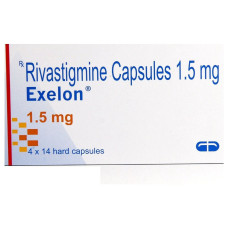
| Exelon 1.5/3/4.5/6 mg compresse | 16.62 € |
| Namzaric | 0.00 € |
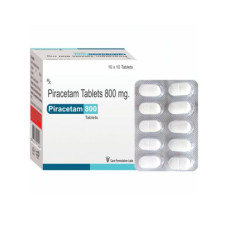
| Piracetam | 0.00 € |
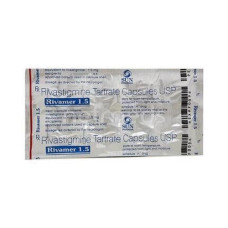
| Rivastigmina | 0.00 € |
Domande frequenti su Alzheimer nel 2026
-
È necessaria una ricetta per acquistare Alzheimer in farmacia?
-
Quanto costa Alzheimer?
-
Posso acquistare Alzheimer nella vostra farmacia online?
-
Alzheimer è legale in Italia?
-
Quali sono le condizioni di spedizione?
-
Quali metodi di pagamento accettate?
-
Prodotti più popolari in farmacia