




Medications for AIDS
Living with AIDS requires a comprehensive treatment approach to manage the virus and prevent progression to more severe stages. Antiretroviral therapy (ART) has revolutionized care, enabling many individuals to lead longer, healthier lives. These medications work by suppressing the replication of the HIV virus, reducing the viral load in the body, and helping the immune system recover. Scientific studies have demonstrated that consistent use of ART can decrease the risk of transmission and improve quality of life. Early diagnosis combined with effective medication adherence is essential for optimal outcomes, making access to reliable treatments crucial. Proper medication management not only controls symptoms but also minimizes the risk of developing opportunistic infections associated with AIDS.
What is AIDS?
AIDS, or Acquired Immunodeficiency Syndrome, is the most advanced stage of HIV infection, where the immune system becomes severely weakened. It primarily affects the body's ability to fight infections and certain cancers, making individuals vulnerable to illnesses that are usually manageable. AIDS develops over time if HIV is not treated effectively, and it is considered a chronic condition. Early diagnosis and treatment are vital because they can delay or prevent the progression to AIDS, thereby maintaining a better quality of life. Without intervention, the immune system deteriorates further, leading to life-threatening complications. Recognizing the signs early and initiating treatment can significantly alter the disease course.
Definition and Main Characteristics of AIDS
AIDS is a condition caused by the human immunodeficiency virus (HIV), which targets the immune system, specifically CD4 cells (T cells). It is characterized by a critically low CD4 count (below 200 cells/mm³) or the presence of certain opportunistic infections or cancers. The disease progresses from initial infection, often asymptomatic or with mild symptoms, to a stage where the immune defenses are compromised. AIDS is considered a chronic, potentially life-threatening disease that requires ongoing management. Risk groups include individuals engaging in unprotected sex, intravenous drug users, and those with unrecognized or untreated HIV infections. The disease's severity depends on timely diagnosis and effective treatment adherence.
| Characteristic | Description |
|---|---|
| Cause | HIV infection |
| Progression | From HIV infection to AIDS over years without treatment |
| Type of disease | Chronic, immunodeficiency |
| Severity | Potentially life-threatening without treatment |
| Risk groups | Unprotected sex, intravenous drug use, untested HIV status |
Causes and Risk Factors for AIDS
The primary cause of AIDS is infection with the human immunodeficiency virus (HIV). The virus is transmitted through contact with infected blood, semen, vaginal fluids, or breast milk. Risk factors include unprotected sexual activity, sharing contaminated needles, transfusions with infected blood, and mother-to-child transmission during childbirth or breastfeeding. Certain behaviors and circumstances increase the likelihood of infection, such as multiple sexual partners or lack of awareness about HIV status. Environmental and social factors, like limited access to healthcare or education, also contribute to higher risk. Recognizing these factors is essential for implementing preventive measures and reducing the spread of HIV and progression to AIDS.
Factors Contributing to AIDS Development
Several internal and external factors can influence the development of AIDS. External factors include risky behaviors such as unprotected sex and intravenous drug use, which facilitate HIV transmission. Environmental influences, like limited healthcare access, delay diagnosis and treatment initiation. Internal factors, such as genetic predispositions or co-infections (e.g., hepatitis), can accelerate disease progression. Often, multiple factors act together, compounding the risk. Understanding these contributors helps in designing targeted prevention strategies and emphasizes the importance of early intervention. Recognizing that lifestyle, environment, and biological factors often intersect underscores the multifactorial nature of AIDS development.
| Type of Factor | Example | Mechanism of Influence |
|---|---|---|
| External | Unprotected sex | Facilitates HIV transmission |
| External | Sharing needles | Direct blood contact with infected material |
| Internal | Genetic susceptibility | Potentially affects immune response |
| External | Limited healthcare access | Delays diagnosis and treatment |
Symptoms of AIDS
The symptoms of AIDS can vary widely depending on the stage of the disease and the presence of opportunistic infections. Early on, individuals may experience flu-like symptoms such as fever, fatigue, sore throat, and swollen lymph nodes. As the immune system weakens, more severe symptoms emerge, including weight loss, persistent diarrhea, night sweats, and recurrent infections. Recognizing these signs early is crucial because timely medical intervention can slow disease progression. Many symptoms are nonspecific and can be mistaken for other illnesses, which highlights the importance of medical testing for accurate diagnosis. The progression from initial infection to AIDS can take years, but symptoms often become more pronounced as the immune system deteriorates.
How to Recognize Early Signs of AIDS
In the initial stages, common signs include mild fever, fatigue, swollen lymph nodes, and sore throat. These symptoms are often mistaken for common illnesses, making early detection challenging. As the disease advances, symptoms become more severe and persistent, such as unexplained weight loss, frequent infections, and skin rashes. Some individuals may experience recurrent respiratory infections or oral thrush. Recognizing these early indicators and seeking medical advice promptly can lead to earlier diagnosis and treatment. It is important to note that some people remain asymptomatic for years, emphasizing the need for regular testing if at risk.
Diagnosis and When to See a Doctor
Diagnosing AIDS involves a combination of medical history, physical examination, and laboratory tests. Blood tests to detect HIV antibodies, antigens, or viral RNA are essential for confirming infection. Measuring CD4 cell counts helps assess immune system strength and disease progression. It is vital not to self-diagnose or use over-the-counter tests without medical guidance, as accurate diagnosis requires specialized testing. Early consultation with a healthcare professional ensures appropriate management and reduces the risk of complications. Regular testing is recommended for individuals at higher risk, especially if they have engaged in unprotected sex or shared needles. Prompt diagnosis allows for timely initiation of antiretroviral therapy, which can significantly improve outcomes.
Diagnostic Tests and Methods for AIDS
The main diagnostic methods include enzyme-linked immunosorbent assay (ELISA) for HIV antibodies, confirmatory Western blot tests, and nucleic acid tests (NAT) to detect viral RNA. CD4 cell count testing provides information on immune system status. Additional tests may include viral load measurement and screening for opportunistic infections. These tests collectively help determine the stage of HIV infection and the presence of AIDS. Laboratory accuracy and timely processing are critical for effective diagnosis. Regular monitoring through these methods guides treatment decisions and assesses therapy effectiveness.
| Test Type | Purpose | Diagnostic Value |
|---|---|---|
| ELISA | Detect HIV antibodies | High sensitivity, initial screening |
| Western blot | Confirm HIV infection | High specificity, confirmatory |
| NAT | Detect viral RNA | Early detection, viral load |
| CD4 count | Assess immune status | Guides treatment, disease progression |
Warning Signs Requiring Urgent Medical Attention
If you experience severe symptoms such as high fever that does not respond to medication, sudden unexplained weight loss, persistent diarrhea, severe shortness of breath, or neurological changes like confusion, seek immediate medical care. Signs of opportunistic infections, such as pneumonia or severe skin rashes, also warrant urgent attention. Delaying treatment in these situations can lead to serious complications or death. Any sudden worsening of health status or new, unexplained symptoms should prompt a prompt visit to a healthcare provider. Early intervention can prevent the development of life-threatening conditions associated with AIDS.
Types of Medications and Treatments
Managing AIDS involves a combination of medications tailored to suppress the HIV virus, restore immune function, and prevent opportunistic infections. Treatment plans are individualized based on disease stage, age, and overall health. While some medications are available over the counter for symptom relief, the core treatment requires prescription drugs. Adherence to therapy is critical to prevent resistance and achieve viral suppression. Regular medical supervision ensures optimal management and adjustment of therapy as needed. Lifestyle modifications and supportive care also play vital roles in comprehensive treatment.
Medications for AIDS Treatment
The cornerstone of AIDS therapy is antiretroviral drugs, which are classified into several groups:
- Reverse transcriptase inhibitors (e.g., tenofovir, emtricitabine) that block viral replication.
- Protease inhibitors (e.g., lopinavir, ritonavir) that prevent viral maturation.
- Integrase inhibitors (e.g., raltegravir, dolutegravir) that inhibit viral DNA integration into the host genome.
- Entry inhibitors (e.g., maraviroc) that prevent the virus from entering immune cells.
These drugs are often used in combination to maximize effectiveness and reduce resistance. The specific regimen depends on individual health status and resistance profiles, always under medical supervision.
Naturally Derived Remedies for AIDS
While antiretroviral therapy remains essential, some complementary approaches may support overall well-being. These include maintaining a balanced diet rich in antioxidants, practicing stress reduction techniques like meditation, and ensuring adequate rest. Certain herbal supplements, such as echinacea or garlic, are believed to boost immune function, but their use should always be discussed with a healthcare provider. It is important to remember that these natural remedies do not replace prescribed medication but can serve as supportive measures. Always consult your doctor before adding any supplement or alternative therapy to your treatment plan.
Forms and Presentations: Tablets, Capsules, Liquids
Medications for AIDS are available in various forms, including tablets, capsules, liquids, and topical formulations. Tablets and capsules are the most common due to ease of use and stability. Liquids may be preferred for children or individuals with swallowing difficulties. Topical forms, such as ointments, are used for specific infections or skin conditions. Each form offers advantages; for example, tablets often provide rapid absorption, while liquids can be easier to dose accurately in certain populations. The choice depends on patient needs, age, and the specific medication prescribed.
Over-the-Counter (OTC) Medications
For mild symptoms such as fever, pain, or minor discomfort, OTC medications like acetaminophen, ibuprofen, or antihistamines can be helpful. These should be used cautiously and only for short-term relief. It is important to remember that OTC drugs do not treat HIV or AIDS itself and should not replace prescribed therapy. If symptoms persist beyond a few days or worsen, consulting a healthcare professional is essential. Proper use of OTC medications can alleviate minor issues but must be part of a broader treatment plan supervised by a doctor.
Precautions and Side Effects
Even medications that are generally safe can cause adverse reactions, especially if misused. Common side effects include nausea, fatigue, rash, or gastrointestinal upset, while more serious reactions may involve liver toxicity or cardiovascular issues. Following the prescribed dosage and instructions reduces the risk of complications. Patients with specific conditions, such as pregnancy, liver disease, or age-related vulnerabilities, require special precautions. Regular monitoring and communication with healthcare providers help manage side effects effectively and ensure safe therapy.
Most Common Side Effects
Common mild side effects include nausea, headache, fatigue, and diarrhea. Serious adverse effects, though less frequent, can involve allergic reactions, liver damage, or cardiovascular problems. It is crucial to report any unusual or severe symptoms to your doctor promptly. Differentiating between minor and serious reactions allows for appropriate management and adjustment of therapy. Regular blood tests and clinical assessments are vital for early detection of adverse effects.
Safe Medication Use Tips
- Always follow the prescribed dosage and schedule.
- Avoid alcohol and certain foods that may interact with your medications.
- Store medicines in a cool, dry place away from children.
- Attend regular follow-up appointments for monitoring.
- Inform your healthcare provider about all other medications or supplements you are taking.
Adhering to these guidelines helps maximize treatment benefits and minimizes risks of adverse effects or drug interactions.
Prevention and Daily Care
Preventive measures and healthy daily habits are key to managing HIV and preventing the progression to AIDS. Regular medical check-ups, consistent medication adherence, and safe practices significantly reduce risks. Maintaining a balanced diet, exercising regularly, and avoiding risky behaviors contribute to overall health. Early recognition of symptoms and prompt medical consultation can prevent complications. Tailoring prevention strategies to individual circumstances, such as age and health status, enhances their effectiveness. Education and awareness are fundamental components of long-term disease management.
Recommended Habits to Reduce AIDS Risk
Adopting safe sex practices, such as consistent condom use, is essential. Avoid sharing needles or other drug paraphernalia. Regular testing for HIV, especially after potential exposure, helps in early detection. Maintaining a healthy lifestyle with proper nutrition, exercise, and stress management supports immune health. Limiting alcohol consumption and avoiding recreational drugs can also reduce risk. These habits collectively contribute to lowering the chances of HIV transmission and disease progression.
| Prevention Area | Recommended Measures | Main Benefit |
|---|---|---|
| Safe Practices | Consistent condom use, needle exchange programs | Reduces HIV transmission risk |
| Regular Testing | HIV screening at intervals based on risk | Early detection and treatment |
| Lifestyle | Healthy diet, exercise, stress reduction | Supports immune function |
| Education | Awareness campaigns, counseling | Increases preventive behaviors |
Additional Preventive Measures
Secondary prevention includes routine medical check-ups, vaccinations where applicable, and prophylactic medications for opportunistic infections. Supplementing with vitamins or immune-boosting supplements, under medical supervision, can support overall health. Following medical advice and adhering to treatment plans are vital for long-term disease control. These measures help reduce the risk of disease progression and improve quality of life. Regular monitoring and preventive care are essential components of comprehensive HIV/AIDS management.
Prognosis and Recovery
The outlook for individuals with AIDS depends on early diagnosis, effective treatment, and overall health. With proper antiretroviral therapy, many patients can achieve viral suppression and maintain a good quality of life. The disease's progression can be slowed or halted, reducing the risk of opportunistic infections and complications. Adherence to treatment and lifestyle modifications are critical for favorable outcomes. Continuous medical follow-up ensures timely adjustments to therapy and management of side effects. Overall, prognosis has improved significantly with advances in medicine, but ongoing care remains essential.
Typical Recovery Time
The recovery period varies based on disease severity and treatment response. Mild cases may see symptom improvement within days to weeks, while more advanced cases might require months of therapy to stabilize. For chronic HIV infection, ongoing management is necessary, and complete recovery involves maintaining viral suppression over time. Regular monitoring helps assess progress and adjust treatments accordingly. In some cases, immune recovery may be gradual, requiring persistent care and lifestyle support.
| Case Type | Average Recovery Time | Comments |
|---|---|---|
| Mild HIV infection | Few days to weeks | Symptom resolution with treatment |
| Advanced AIDS | Weeks to months | Requires ongoing therapy and monitoring |
| Chronic management | Indefinite | Focus on immune stabilization and quality of life |
Factors Improving Prognosis
- Early diagnosis and prompt initiation of ART
- Consistent medication adherence
- Healthy lifestyle and proper nutrition
- Regular medical follow-up and monitoring
- Management of co-infections and comorbidities
These factors significantly increase the chances of remission or stable disease, reducing long-term complications.
Lifestyle Changes for Better Outcomes
Adopting healthy habits such as balanced nutrition, regular exercise, adequate sleep, and stress management can accelerate recovery. Avoiding substance abuse and maintaining social support networks also contribute to better health outcomes. Patients are encouraged to stay informed about their condition and actively participate in their care. These lifestyle modifications support immune function and enhance the effectiveness of medical treatments. Consistent engagement in health-promoting behaviors is essential for long-term disease control.
Potential Complications
If HIV/AIDS is left untreated or poorly managed, serious complications can develop. These include opportunistic infections like pneumonia, tuberculosis, and candidiasis, which can severely impair health. Other issues involve neurological disorders, certain cancers, and organ damage. Delayed or inadequate treatment increases the risk of mortality and reduces quality of life. Preventing these complications depends on early diagnosis, strict adherence to therapy, and regular medical evaluations. Managing comorbidities and monitoring for side effects are also crucial in minimizing long-term health impacts.
| Complication | Frequency | Severity | Prevention |
|---|---|---|---|
| Opportunistic infections | High in untreated cases | Severe, life-threatening | Antiretroviral therapy, prophylaxis |
| Cancers (e.g., Kaposi's sarcoma) | Moderate to high | Serious, potentially fatal | Regular screening, ART adherence |
| Organ damage | Variable | Chronic, progressive | Effective disease control, monitoring |
With proper treatment and ongoing care, most patients can avoid or effectively manage these complications, leading to improved longevity and quality of life.
Frequently Asked Questions about AIDS and Its Treatment
This section addresses common questions patients have regarding AIDS, including medication choices, treatment duration, and lifestyle considerations. Understanding these aspects helps patients make informed decisions and adhere to therapy. It is important to remember that while general information is helpful, personalized advice from healthcare professionals is essential for optimal management. Staying informed about advances in treatment options can also empower patients in their health journey.
Which are the most effective drugs, based on evidence?
Scientific studies have confirmed that combination antiretroviral therapy (cART) is the most effective approach to controlling HIV infection. Drugs such as tenofovir, emtricitabine, and efavirenz have demonstrated high efficacy in suppressing viral replication. These medications work by targeting different stages of the HIV life cycle, reducing viral load to undetectable levels. Clinical trials show that consistent use of these drugs can prevent disease progression and transmission. The choice of specific drugs depends on resistance profiles, side effects, and patient health status, always under medical supervision.
Can I safely treat HIV at home without a doctor?
In cases of early or mild HIV infection, some supportive measures like rest, hydration, and over-the-counter symptom relief can be managed at home. However, it is crucial to consult a healthcare professional for proper diagnosis and initiation of antiretroviral therapy. Self-medicating or delaying professional care can lead to disease progression and complications. Regular medical follow-up ensures appropriate treatment adjustments and monitoring for side effects. Home care should complement, not replace, medical supervision, especially in managing a complex condition like AIDS.
What is the typical duration of treatment and follow-up?
The length of treatment varies depending on disease stage, response to therapy, and individual health factors. Most patients require lifelong antiretroviral therapy to maintain viral suppression. Follow-up visits are typically scheduled every 3 to 6 months to monitor viral load, CD4 counts, and overall health. In some cases, treatment may be adjusted based on resistance or side effects. Consistent follow-up ensures optimal management and early detection of any issues, supporting long-term health and disease control.
| Type of Treatment | Estimated Duration | Recommended Follow-up |
|---|---|---|
| Lifelong ART | Indefinite | Every 3-6 months |
| Initial therapy adjustment | As needed | Every 3 months |
| Monitoring for complications | Ongoing | Regular assessments |
These questions and answers provide a general overview; individual cases require personalized evaluation by healthcare providers.
Where to Buy Medications for AIDS
Medications for AIDS are available both in physical pharmacies and online stores. It is essential to verify the licensing and reputation of the pharmacy to ensure the authenticity and quality of the medicines. Avoid purchasing from unverified sources to prevent counterfeit products. Our authorized online pharmacy offers all AIDS medications, ensuring safety, confidentiality, and convenience. Accessing medications through trusted channels guarantees proper storage and delivery, supporting effective treatment.
Secure Shopping at Our Online Pharmacy
Buying from our licensed online pharmacy provides several advantages, including professional consultation, guaranteed product authenticity, and secure payment options. We ensure strict quality control, proper packaging, and discreet shipping. Before purchasing, verify the pharmacy’s license, check the expiration date on products, and confirm the authenticity of the packaging. Consulting our pharmacists can help clarify any doubts and ensure correct medication use. Our commitment is to provide safe, reliable access to essential medications for managing AIDS effectively.
Is it possible to buy AIDS medications online without a prescription?
All medications used to treat AIDS require a prescription in Italy; however, in our online pharmacy, these drugs are available without a prescription due to specific legal provisions. Nevertheless, it is strongly recommended to consult a healthcare professional before starting or changing therapy. Proper medical guidance ensures the correct medication choice, dosage, and monitoring for side effects. Self-medicating without professional advice can lead to ineffective treatment or resistance. Our platform emphasizes the importance of medical supervision, even when purchasing online, to ensure safe and effective management of HIV/AIDS.
Shipping Options and Quality Assurance
We offer various shipping methods, including standard, express, and international delivery, tailored to your needs. All shipments are tracked, and we implement strict quality controls such as batch traceability, temperature regulation during transit, and secure, discreet packaging. These measures guarantee the integrity and confidentiality of your order. Customers can monitor their shipment status and be assured of receiving authentic, properly stored medications. Our logistics system prioritizes safety, speed, and customer satisfaction, ensuring your medications arrive in optimal condition.
Price, Availability, and Discounts in Italian Pharmacies
The cost of AIDS medications in Italy varies depending on the specific drug, dosage, form, and whether a prescription is required. Prices are influenced by factors such as brand versus generic options, regional differences, and pharmacy channels—online or brick-and-mortar. Availability may fluctuate, with some formulations available immediately and others on request, depending on stock and demand. Many pharmacies offer discounts, promotional codes, or loyalty programs to reduce costs. Patients are encouraged to compare prices across different providers, inquire about generic alternatives, and ask pharmacists about ongoing promotions. If a particular formulation or dose is not readily available, consulting your healthcare provider for alternatives is advisable.
| Prodotti in farmacia | Prezzo |
|---|---|
| Biktarvy 200+50+25 mg compresse | 699.61 € |
| Retrovir 100/300 mg compresse | 54.22 € |
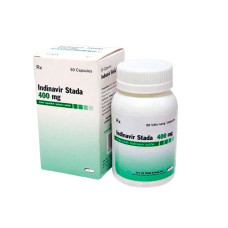
| Indinavir 400 mg capsule | 107.56 € |
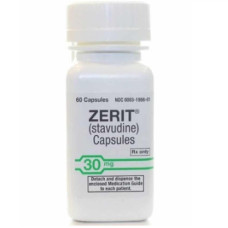
| Zerit 30/40 mg capsule | 18.36 € |
Domande frequenti su Aids nel 2026
-
È necessaria una ricetta per acquistare Aids in farmacia?
-
Quanto costa Aids?
-
Posso acquistare Aids nella vostra farmacia online?
-
Aids è legale in Italia?
-
Quali sono le condizioni di spedizione?
-
Quali metodi di pagamento accettate?
-
Prodotti più popolari in farmacia