


Medications for Post-Stroke Aphasia
Post-stroke aphasia is a language disorder that occurs after a stroke, affecting a person's ability to speak, understand, read, or write. It is a common complication, especially in cases involving damage to the language centers of the brain. Early diagnosis and appropriate pharmacological treatment are crucial to improve communication abilities and enhance quality of life. Medications can help facilitate neural recovery, reduce inflammation, and support brain plasticity, which are essential for regaining language functions. Combining medication with speech therapy often yields the best results, emphasizing the importance of a comprehensive approach.
What is Post-Stroke Aphasia?
Post-stroke aphasia is a neurological condition resulting from brain damage caused by a stroke, primarily affecting language processing areas. It manifests as difficulty in speaking, understanding speech, reading, or writing, depending on the affected brain region. The condition can be either temporary or persistent, with severity varying from mild to profound. It is most frequently observed in middle-aged and older adults, especially those with risk factors like hypertension or atrial fibrillation. Prompt diagnosis and treatment are vital because early intervention can significantly improve recovery prospects and help prevent further complications.
Definition and Main Characteristics of Post-Stroke Aphasia
Post-stroke aphasia is a language impairment resulting from ischemic or hemorrhagic brain injury, typically affecting the left hemisphere. It can be classified into various types, such as Broca's aphasia, Wernicke's aphasia, or global aphasia, each with distinct features. The progression depends on the extent of brain damage and the timeliness of intervention. Key features include speech production difficulties, comprehension issues, and impaired reading or writing skills. Risk groups include older adults, individuals with pre-existing cardiovascular conditions, and those with large or strategically located brain lesions. Recovery often involves a combination of pharmacological and rehabilitative therapies.
| Type of Aphasia | Characteristics | Prognosis |
|---|---|---|
| Broca's Aphasia | Non-fluent speech, good comprehension, difficulty forming sentences | Potential for significant improvement with therapy |
| Wernicke's Aphasia | Fluent speech, poor comprehension, often nonsensical | Variable recovery, depends on lesion size |
| Global Aphasia | Severe impairment in all language modalities | Recovery possible but often limited; early intervention is key |
Causes and Risk Factors of Post-Stroke Aphasia
Post-stroke aphasia primarily results from cerebrovascular events that cause damage to language-related brain regions. Main causes include ischemic strokes, due to blocked arteries, and hemorrhagic strokes, caused by bleeding within the brain tissue. Several factors increase the risk of stroke and subsequent aphasia, such as hypertension, atrial fibrillation, smoking, high cholesterol, and diabetes. Age is also a significant factor, with older adults being more susceptible. Environmental and lifestyle factors, like sedentary habits and poor diet, contribute to stroke risk. Recognizing these factors is essential for implementing preventive measures to reduce the likelihood of developing aphasia after a stroke.
Factors Contributing to Post-Stroke Aphasia
Various internal and external factors can influence the development of aphasia following a stroke. Internally, genetic predispositions and pre-existing neurological conditions may increase vulnerability. Externally, lifestyle choices such as smoking, excessive alcohol consumption, and physical inactivity play a role. Environmental stressors and infections can also contribute to stroke risk, thereby indirectly affecting language outcomes. Often, multiple factors act together, amplifying the overall risk. Understanding these contributors helps in adopting preventive strategies to minimize the chances of post-stroke language impairments.
| Factor Type | Example | Mechanism of Influence |
|---|---|---|
| Internal | Genetic predisposition | Increased susceptibility to vascular diseases |
| External | Smoking | Promotes atherosclerosis, increasing stroke risk |
| Environmental | High-stress levels | Elevates blood pressure, contributing to stroke |
Symptoms of Post-Stroke Aphasia
The symptoms of post-stroke aphasia vary depending on the location and extent of brain damage. Common signs include difficulty finding words, speaking in short or simplified sentences, and trouble understanding spoken or written language. These symptoms can appear suddenly or gradually worsen over time. Recognizing early signs is vital because prompt treatment can improve recovery chances. Patients may also experience frustration or emotional distress due to communication challenges. The severity and specific symptoms depend on the affected brain areas and the timing of intervention.
How to Recognize Early Signs of Post-Stroke Aphasia
In the initial stages, common signs include difficulty naming objects, speaking in incomplete sentences, or understanding simple instructions. Some individuals may repeat words or phrases unintentionally. These symptoms often resemble other neurological issues but are distinguished by their impact on language. Early detection involves observing speech difficulties, comprehension problems, and reading or writing impairments. Prompt recognition allows for immediate medical evaluation, which is crucial for effective treatment and better outcomes.
| Symptom Type | Frequency | Estimated Severity | Notes |
|---|---|---|---|
| Speech production difficulty | High | Moderate to severe | Often the first noticeable sign |
| Comprehension issues | Moderate | Variable | May be subtle initially |
| Reading/writing problems | Variable | Depends on lesion location | Can persist even after speech improves |
Diagnosis and When to Consult a Doctor
Diagnosing post-stroke aphasia involves a comprehensive neurological assessment by a specialist, including speech and language evaluations. Medical imaging techniques such as MRI or CT scans help identify the location and extent of brain damage. Laboratory tests may be used to rule out other causes or assess stroke risk factors. It is essential not to self-medicate or delay seeking professional help, as early diagnosis improves treatment efficacy. Only a healthcare professional can determine the severity and appropriate intervention plan, which may include medications, therapy, or both.
Diagnostic Tests and Methods for Post-Stroke Aphasia
Diagnosis typically combines clinical assessments with imaging studies. Speech-language pathologists evaluate language abilities through standardized tests, while neuroimaging reveals lesion location and size. MRI provides detailed images of brain tissue, and CT scans are useful in emergency settings. Additional tests, such as EEG, may be employed if seizure activity is suspected. Laboratory tests can identify underlying risk factors like high cholesterol or blood sugar levels. This multi-modal approach ensures accurate diagnosis and guides targeted treatment strategies.
| Test Type | Purpose | Diagnostic Value |
|---|---|---|
| Neurological exam | Assess language and motor functions | Initial screening |
| MRI/CT scan | Visualize brain damage | Localization and extent |
| Speech assessment | Evaluate language deficits | Severity and type |
| Blood tests | Identify risk factors | Supportive information |
Warning Signs Requiring Urgent Medical Attention
If sudden difficulty speaking, weakness on one side of the body, sudden confusion, or loss of coordination occur, immediate medical help is essential. These symptoms may indicate a stroke, and prompt treatment can prevent or minimize aphasia and other complications. Recognizing these signs early can save lives and improve recovery outcomes. Any delay in seeking emergency care increases the risk of permanent damage and long-term disability.
- Sudden inability to speak or understand speech
- Weakness or numbness on one side of the body
- Sudden vision changes or loss
- Severe headache with no known cause
Types of Medications and Treatments
Managing post-stroke aphasia involves a combination of pharmacological and rehabilitative therapies. While speech therapy remains the cornerstone, certain medications can support neural recovery, reduce inflammation, or improve blood flow. The choice of treatment depends on the severity of aphasia, patient age, and overall health. Some drugs are available over-the-counter for mild symptoms, but more potent medications require medical supervision. Always consult a healthcare professional before starting any medication regimen.
Medications for Post-Stroke Aphasia
Various drug groups are used to aid recovery in post-stroke aphasia. These include neuroprotective agents, cholinesterase inhibitors, and vasodilators. Neuroprotective drugs, such as citicoline, aim to support brain cell health. Cholinesterase inhibitors like donepezil are sometimes used to enhance cognitive functions. Vasodilators improve cerebral blood flow, potentially aiding in neural repair. The selection depends on individual patient needs and the specific type of aphasia. Combining these medications with speech therapy often results in better functional outcomes.
| Drug Group | Example Active Substance | Therapeutic Goal |
|---|---|---|
| Neuroprotective agents | Citicoline | Support brain cell recovery |
| Cholinesterase inhibitors | Donepezil | Enhance cognitive and language functions |
| Vasodilators | Ginkgo biloba extract | Improve cerebral blood flow |
Natural Remedies for Post-Stroke Aphasia
Complementary approaches such as omega-3 fatty acids, ginseng, and ginkgo biloba may support brain health and improve symptoms. Mindfulness and stress reduction techniques can also aid in recovery by promoting overall well-being. However, these natural remedies should only be used alongside conventional treatment and under medical supervision. They are not substitutes for prescribed medications or therapies but may offer additional benefits in supporting neural plasticity and reducing inflammation.
Forms and Presentations: Tablets, Capsules, Liquids
Medications for post-stroke aphasia are commonly available in various forms, including tablets, capsules, syrups, and topical applications. Tablets and capsules are convenient for oral administration, with some designed for rapid absorption. Liquids are suitable for patients with swallowing difficulties or children. Topical forms, such as gels or ointments, are less common but may be used for specific purposes. Each form offers advantages in terms of onset of action, ease of use, and patient compliance.
Over-the-Counter (OTC) Medications
For mild symptoms, some OTC options like analgesics or anti-inflammatory drugs can help alleviate associated discomfort. Examples include paracetamol or ibuprofen, which may reduce headache or minor pain. However, these do not treat aphasia directly and should be used cautiously. It is essential to consult a healthcare professional if symptoms persist or worsen, as OTC medications are not substitutes for prescribed therapies. Always follow dosage instructions and be aware of potential interactions.
| OTC Drug | When to Use | Notes |
|---|---|---|
| Paracetamol | For mild headache or discomfort | Follow recommended dose; avoid exceeding limits |
| Ibuprofen | Inflammation or pain relief | Use with food to reduce stomach upset |
Precautions and Side Effects
Even commonly prescribed medications can cause adverse reactions if misused. Following medical instructions carefully minimizes risks. Some patients, such as children, pregnant women, the elderly, or those with chronic illnesses, require special precautions. Monitoring for side effects like nausea, allergic reactions, or liver issues is essential. Regular check-ups help detect any adverse effects early and adjust treatment accordingly. Awareness of potential interactions with other drugs or foods is also important for safety.
Most Common Side Effects
Common mild side effects include nausea, dizziness, or gastrointestinal discomfort. Serious adverse reactions, though rare, may involve allergic responses, liver toxicity, or cardiovascular problems. The risk level varies depending on the medication and individual susceptibility. Patients should report any unusual symptoms to their healthcare provider promptly. Proper management and adherence to prescribed dosages significantly reduce the likelihood of complications.
| Effect Type | Frequency | Severity | Recommendation |
|---|---|---|---|
| Nausea, dizziness | Common | Mild | Monitor and report if persistent |
| Allergic reactions | Rare | Severe | Seek immediate medical attention |
| Liver toxicity | Rare | Serious | Regular liver function tests if on long-term therapy |
Safe Medication Use Tips
- Always follow the prescribed dosage and schedule
- Do not mix medications without consulting your doctor
- Store medicines in a cool, dry place away from children
- Inform your healthcare provider about all other medications and supplements
- Attend regular follow-up appointments for monitoring
Using medications responsibly and maintaining regular medical supervision are essential for achieving the best therapeutic outcomes and preventing complications.
Prevention and Daily Care
Preventive measures and daily habits play a vital role in managing and reducing the risk of post-stroke aphasia. Regular medical check-ups, controlling blood pressure, and managing cholesterol levels are fundamental. Adopting a healthy diet, engaging in physical activity, and avoiding smoking or excessive alcohol consumption contribute significantly. Early recognition of stroke symptoms and prompt medical attention can prevent extensive brain damage. Tailoring prevention strategies to individual health profiles enhances their effectiveness and supports long-term brain health.
Recommended Habits to Reduce Post-Stroke Aphasia Risk
Maintaining a balanced diet rich in fruits, vegetables, and omega-3 fatty acids, engaging in regular exercise, and managing stress are key. Avoiding smoking, controlling blood pressure, and monitoring blood sugar levels are also crucial. Adequate sleep and hydration support overall vascular health. These lifestyle changes collectively lower the likelihood of stroke and subsequent aphasia, promoting better brain function and resilience.
| Prevention Area | Recommended Measures | Main Benefit |
|---|---|---|
| Dieta | Healthy, low-sodium diet | Reduces hypertension and vascular risk |
| Exercise | Regular aerobic activity | Improves circulation and brain health |
| Stress Management | Meditation, relaxation techniques | Reduces blood pressure and stroke risk |
Additional Preventive Measures
Secondary prevention includes controlling underlying conditions such as atrial fibrillation, diabetes, and high cholesterol. Vaccinations, like influenza and pneumococcal, can reduce infection-related stroke risk. Supplementing with vitamins, such as B-complex, may support vascular health, but always under medical advice. Adherence to prescribed medications and lifestyle modifications are essential for long-term stroke prevention and minimizing aphasia risk.
Implementing these measures not only lowers the chance of developing aphasia but also enhances overall health and quality of life over time.
Prognosis and Recovery
The outlook for patients with post-stroke aphasia depends on the severity of brain injury, the speed of intervention, and overall health. Early and intensive therapy, including medications and speech rehabilitation, can lead to significant improvements. Most patients experience a favorable outcome with proper management, although some may have residual deficits. Maintaining a healthy lifestyle and adhering to medical advice are critical for optimizing recovery. The prognosis improves when treatment begins promptly and is tailored to individual needs.
Typical Recovery Time
The duration of recovery varies widely based on the extent of brain damage. Mild cases often see improvements within days to weeks, while more severe cases may require months of therapy. In some instances, especially with extensive damage, recovery may be gradual and incomplete, necessitating ongoing support. For chronic cases, continuous rehabilitation can lead to incremental gains over time. Early intervention generally correlates with better functional outcomes.
| Case Type | Average Recovery Time | Comments |
|---|---|---|
| Mild aphasia | Days to weeks | Often complete or near-complete recovery |
| Moderate to severe aphasia | Weeks to months | Gradual improvement with therapy |
| Chronic aphasia | Variable; ongoing support needed | Progress may be slow; focus on quality of life |
Factors Enhancing Prognosis
Key factors include early treatment initiation, high motivation, and consistent participation in speech therapy. Good overall health, absence of additional neurological issues, and social support also improve outcomes. Managing risk factors like hypertension and diabetes reduces the likelihood of recurrent strokes. Patients who actively engage in rehabilitation and maintain a positive attitude tend to experience better recovery trajectories. Regular follow-up and adherence to medical advice are essential for achieving optimal results.
- Prompt medical intervention
- Active participation in therapy
- Healthy lifestyle and risk factor control
- Strong social and family support
Lifestyle Changes for Better Outcomes
Adopting healthy habits such as balanced nutrition, regular physical activity, and stress management can accelerate recovery and prevent recurrences. Avoiding smoking and excessive alcohol intake, ensuring adequate sleep, and maintaining social engagement support brain health. These lifestyle modifications complement medical treatment and contribute to overall well-being. Consistent adherence to these practices enhances neural plasticity and functional recovery, leading to improved quality of life.
Potential Complications
If post-stroke aphasia is left untreated or poorly managed, it can lead to social isolation, depression, and further cognitive decline. Difficulties in communication may impair daily activities, relationships, and employment. Serious complications include recurrent strokes, pneumonia due to swallowing difficulties, and emotional disturbances. Recognizing early signs of deterioration and adhering to treatment plans are vital to prevent these issues. Proper management reduces the risk of long-term disabilities and enhances overall prognosis.
| Complication | Frequency | Severity | Prevention |
|---|---|---|---|
| Recurrent stroke | Moderate | Serious | Risk factor control and medication adherence |
| Pneumonia | Variable | Serious | Swallowing assessment and supportive care |
| Depression | Common | Moderate to severe | Psychological support and therapy |
With appropriate treatment and ongoing care, most patients recover well and avoid long-term complications, leading to a better quality of life.
Frequently Asked Questions about Post-Stroke Aphasia and Its Treatment
This section addresses common questions patients have regarding post-stroke aphasia, including medication choices, treatment duration, and management strategies. The answers are based on current medical evidence but should not replace personalized advice from healthcare professionals. Understanding these aspects can help patients and caregivers make informed decisions and participate actively in the recovery process.
Which medications are most effective, according to evidence?
Research supports the use of certain drugs like citicoline, donepezil, and ginkgo biloba to aid neural recovery after stroke. Citicoline, a neuroprotective agent, promotes membrane repair and enhances brain metabolism. Donepezil, a cholinesterase inhibitor, may improve cognitive and language functions by increasing acetylcholine levels. Ginkgo biloba extract is believed to improve cerebral blood flow and neuroplasticity. These medications are often used alongside speech therapy to maximize recovery. The choice depends on individual patient profiles and specific aphasia types, with evidence suggesting benefits in functional language improvement when combined with rehabilitative efforts.
| Medication Group | Example Active Substance | Proven Effectiveness |
|---|---|---|
| Neuroprotective agents | Citicoline | Supports neural membrane repair |
| Cognitive enhancers | Donepezil | Improves language and memory |
| Blood flow enhancers | Ginkgo biloba | Enhances cerebral circulation |
Is it possible to safely treat at home without a doctor?
For mild symptoms, some measures like rest, hydration, and over-the-counter medications may provide relief. However, it is essential to consult a healthcare professional for proper assessment and guidance. Self-treatment without medical supervision can be risky, especially if symptoms worsen or new signs appear. Monitoring the condition and seeking timely medical advice ensures safe and effective management. Never rely solely on home remedies for serious neurological symptoms or after a stroke.
What is the typical duration of treatment and follow-up?
The length of treatment varies depending on the severity of aphasia and the individual’s response. Mild cases may improve within weeks, while more severe cases could require months of therapy. Regular follow-up appointments are necessary to assess progress, adjust medications, and modify rehabilitation strategies. In chronic cases, ongoing support and therapy may be needed to maintain gains. The duration is tailored to each patient’s needs, with continuous evaluation to optimize outcomes.
| Type of Treatment | Estimated Duration | Recommended Follow-up |
|---|---|---|
| Acute phase | Days to weeks | Weekly to biweekly assessments |
| Rehabilitation phase | Months to years | Periodic evaluations and therapy adjustments |
| Chronic management | Ongoing | Regular monitoring and support |
These questions and answers serve as a general guide; each patient’s case should be individually evaluated by a healthcare professional for optimal management.
Where to Purchase Medications for Post-Stroke Aphasia
Medications for post-stroke aphasia are available both in physical pharmacies and online stores. It is important to verify the licensing and reputation of the pharmacy to ensure the quality and authenticity of the medicines. Avoid counterfeit products by checking for proper packaging, expiration dates, and official certifications. Our online pharmacy offers all necessary medications with guaranteed authenticity and safety, providing a convenient way to access treatment in Italy.
Safe Shopping in Our Online Pharmacy
Purchasing from our authorized online pharmacy offers numerous advantages, including professional consultation, guaranteed product quality, and secure payment options. Always verify the pharmacy’s license, examine the packaging for tampering, and confirm the expiration date before purchase. Our platform ensures strict quality controls, traceability of batches, and discreet packaging. If in doubt, consult our pharmacists for guidance on the best options for your needs.
Can Medications Be Bought Online Without a Prescription?
In Italy, all medications for post-stroke aphasia can be purchased online without a prescription through our pharmacy, provided they are over-the-counter or approved for self-administration. However, it remains essential to consult a healthcare professional before starting any new medication, especially for complex conditions like aphasia. Proper evaluation ensures safe and effective treatment, avoiding potential interactions or side effects. Always buy from reputable sources to guarantee product authenticity and safety.
Shipping Options and Quality Assurance
We offer various shipping methods, including standard, express, and international delivery, to meet your needs. Our quality control measures include batch traceability, temperature monitoring during transit, and secure, discreet packaging. Each shipment is tracked from dispatch to delivery, ensuring transparency and safety. These measures help maintain medication integrity and provide peace of mind for our customers.
- Multiple shipping options for convenience
- Real-time tracking of orders
- Strict adherence to storage conditions
- Secure and confidential packaging
Price, Availability, and Discounts in Italian Pharmacies
The cost of medications for post-stroke aphasia in Italy varies based on factors such as brand versus generic, dosage, form, and purchase channel. Prices are influenced by regional differences, pharmacy policies, and ongoing promotions. Some formulations may be available immediately, while others require special ordering. Many pharmacies offer discounts, coupons, and loyalty programs that can reduce costs. Patients are encouraged to compare prices across different providers and inquire about generic options or special offers. Being informed about pricing and availability helps in making cost-effective choices without compromising quality or safety.
| Prodotti in farmacia | Prezzo |
|---|---|
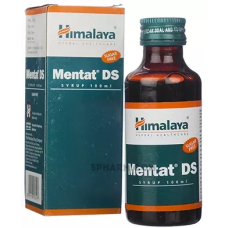
| Mentat DS Sciroppo 100 ml | 42.85 € |
Domande frequenti su Afasia post-ictus nel 2026
-
È necessaria una ricetta per acquistare Afasia post-ictus in farmacia?
-
Quanto costa Afasia post-ictus?
-
Posso acquistare Afasia post-ictus nella vostra farmacia online?
-
Afasia post-ictus è legale in Italia?
-
Quali sono le condizioni di spedizione?
-
Quali metodi di pagamento accettate?
-
Prodotti più popolari in farmacia