


Medications for Aphasia
Aphasia is a language disorder that affects a person's ability to communicate effectively, often resulting from brain injury such as stroke or traumatic brain injury. Treating aphasia typically involves speech therapy, but in some cases, medications can support recovery or help manage associated symptoms. Understanding the available pharmacological options can be helpful for patients and caregivers seeking comprehensive care. While no medication can cure aphasia outright, certain drugs may improve language function or facilitate rehabilitation, especially when combined with speech therapy. Early diagnosis and appropriate medication use can enhance the quality of life and promote better communication skills.
What is Aphasia?
Aphasia is a condition characterized by difficulty in understanding or producing speech, caused by damage to areas of the brain responsible for language processing. It can manifest suddenly after events like a stroke or develop gradually due to neurodegenerative diseases. The severity varies widely, from mild word-finding problems to complete loss of speech. Recognizing aphasia early is crucial because prompt treatment can significantly improve outcomes and help individuals regain communication abilities. It primarily affects the left hemisphere of the brain, which is dominant for language in most people. Early intervention is essential to prevent social isolation and support effective communication.
Definition and Main Characteristics of Aphasia
Aphasia is a language disorder resulting from brain injury, most commonly stroke, traumatic injury, or neurodegenerative conditions. It impairs the ability to speak, understand, read, or write, depending on the affected brain regions. The disease can be classified into different types, such as expressive, receptive, or global aphasia, each with distinct features. The progression can be acute, with sudden onset, or chronic if the brain damage is extensive or unresolved. Risk groups include older adults, individuals with prior cerebrovascular events, or those with neurological diseases. The severity ranges from mild language difficulties to complete loss of speech, impacting daily life significantly.
| Type of Aphasia | Features | Prognosis |
|---|---|---|
| Broca's Aphasia | Non-fluent speech, good comprehension | Potential for improvement with therapy |
| Wernicke's Aphasia | Fluent but nonsensical speech, poor comprehension | Often more resistant to recovery |
| Global Aphasia | Severe impairment in all language areas | Recovery possible but often limited |
Causes and Risk Factors of Aphasia
Aphasia primarily results from damage to the language centers of the brain, most often due to stroke, but also from traumatic brain injuries, brain tumors, or infections. Age is a significant risk factor, with older adults being more susceptible. Other contributing factors include high blood pressure, smoking, high cholesterol, and a sedentary lifestyle. Genetic predispositions may also play a role in some cases. Environmental factors such as exposure to neurotoxins or head trauma increase the risk. Recognizing these factors can help in implementing preventive measures to reduce the likelihood of developing aphasia.
Factors Contributing to Aphasia Development
Key factors include:
- Vascular events such as ischemic or hemorrhagic stroke, which cause sudden brain damage.
- Traumatic brain injuries from accidents or falls.
- Neurodegenerative diseases like Alzheimer's or primary progressive aphasia.
- Infections affecting the brain tissue, such as encephalitis.
- Environmental exposures and lifestyle choices, including smoking and poor diet.
Symptoms of Aphasia
Aphasia manifests through difficulties in speaking, understanding speech, reading, or writing. Common early signs include trouble finding words, speaking in short or simplified sentences, and difficulty understanding conversations. Symptoms can vary depending on the severity and location of brain damage. As the condition progresses, communication may become more impaired, affecting social interactions and daily activities. Early recognition of these signs allows for timely diagnosis and intervention, which can improve recovery prospects. It is important to distinguish aphasia from other speech or language issues to ensure appropriate treatment.
How to Recognize Early Signs of Aphasia
Initial symptoms often include:
- Difficulty recalling common words or names.
- Speaking in incomplete or simplified sentences.
- Problems understanding spoken language, especially complex sentences.
- Frequent pauses or substitutions of words.
Diagnosis and When to See a Doctor
Diagnosing aphasia involves a comprehensive neurological assessment by a specialist, often including speech and language evaluations. Imaging techniques like MRI or CT scans help identify brain lesions or damage. Laboratory tests may be used to rule out infections or metabolic causes. It is crucial not to self-medicate or delay seeking professional help, as early diagnosis improves treatment outcomes. A healthcare provider can determine the severity and type of aphasia, guiding appropriate therapy. Prompt medical attention is especially important if symptoms appear suddenly or worsen rapidly.
Diagnostic Tests and Methods for Aphasia
Key diagnostic approaches include:
| Type of Test | Purpose | Diagnostic Value |
|---|---|---|
| Neurological Examination | Assess speech, comprehension, and motor functions | Initial assessment of language deficits |
| Brain Imaging (MRI, CT) | Identify location and extent of brain damage | Confirm diagnosis and guide treatment planning |
| Speech and Language Tests | Evaluate language abilities in detail | Determine aphasia type and severity |
Signs That Require Urgent Medical Attention
If sudden speech difficulty, weakness on one side of the body, loss of coordination, or sudden confusion occur, immediate medical care is essential. These may indicate a stroke or other life-threatening condition requiring urgent intervention. Delays in treatment can lead to permanent deficits or complications. Recognizing these emergency signs and seeking prompt help can significantly improve recovery chances and prevent long-term disability.
Types of Medications and Treatments
While speech therapy remains the cornerstone of aphasia treatment, certain medications can support recovery or address associated symptoms such as depression or cognitive deficits. The choice of pharmacological therapy depends on the severity, type of aphasia, and overall health of the patient. Medications are usually prescribed by a neurologist or psychiatrist and should always be used under medical supervision. Combining drug therapy with speech therapy offers the best chance for functional improvement.
Medications for Aphasia Treatment
Several classes of drugs are used to support aphasia management:
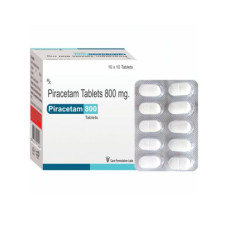
- Neuroprotective agents, such as piracetam, aim to improve neuronal function and blood flow.
- Cholinergic drugs, like donepezil, are used to enhance cognitive and language functions, especially in neurodegenerative cases.
- Antioxidants may help reduce oxidative stress in brain tissues.
Natural Remedies for Aphasia
Complementary approaches such as omega-3 fatty acids, ginkgo biloba, or certain herbal supplements may support brain health and improve cognitive function. However, these should only be used as adjuncts to prescribed treatments and under medical supervision. Lifestyle factors like a balanced diet, regular physical activity, and mental exercises can also contribute to better outcomes. It is important to remember that natural remedies do not replace conventional therapy but may enhance overall well-being.
Forms and Presentations: Tablets, Capsules, Liquids
Medications for aphasia are commonly available in various forms, including tablets, capsules, syrups, and sometimes injectable solutions. Tablets and capsules are convenient for daily use and offer controlled dosing, while liquids may be preferred for those with swallowing difficulties. Each form has specific advantages; for example, liquids can be absorbed more quickly, and capsules can be easier to swallow for some patients. The choice depends on the medication, patient preferences, and medical advice.
Over-the-Counter (OTC) Medications
For mild symptoms or supportive care, OTC options such as pain relievers, antihistamines, or vitamin supplements may be used. These can help manage associated discomfort or improve overall brain health. However, it is essential to consult a healthcare professional before using OTC drugs, especially in the context of aphasia, to avoid interactions or masking more serious issues. If symptoms persist or worsen, professional evaluation is necessary.
Precautions and Side Effects
Even medications considered safe can cause adverse reactions if misused. Following prescribed dosages and instructions minimizes risks. Some patients, such as pregnant women, children, the elderly, or those with chronic illnesses, require special precautions. Monitoring for side effects like nausea, dizziness, allergic reactions, or liver issues is important. Regular medical follow-up ensures safe and effective treatment, reducing the likelihood of complications.
Common Side Effects
Side effects vary by medication but often include:
- Minor effects: nausea, headache, fatigue, or gastrointestinal discomfort.
- Serious effects: allergic reactions, liver toxicity, cardiovascular issues, or neurological symptoms.
Safe Medication Use Tips
- Always adhere to the prescribed dose and schedule.
- Store medications in a cool, dry place away from children.
- Do not mix medications with alcohol or certain foods unless approved by a doctor.
- Schedule regular check-ups to monitor treatment effectiveness and side effects.
- Inform your healthcare provider about all other medications and health conditions.
Prevention and Daily Care
Preventive measures and healthy daily habits play a vital role in reducing the risk of aphasia or supporting recovery. Regular medical check-ups, controlling blood pressure, managing cholesterol, and avoiding smoking are essential. A balanced diet, physical activity, mental exercises, and stress management contribute to overall brain health. Early recognition of symptoms and prompt medical attention can prevent severe brain damage. Tailoring prevention strategies to individual health profiles enhances their effectiveness.
Recommended Habits to Reduce Aphasia Risk
Key lifestyle modifications include:
- Eating a nutritious diet rich in fruits, vegetables, and omega-3 fatty acids.
- Engaging in regular physical activity to promote vascular health.
- Maintaining mental stimulation through reading, puzzles, or learning new skills.
- Managing stress through relaxation techniques or hobbies.
- Avoiding smoking and excessive alcohol consumption.
Additional Preventive Measures
Secondary prevention includes controlling risk factors like hypertension, diabetes, and atrial fibrillation. Vaccinations, such as influenza and pneumonia, can prevent infections that might cause brain inflammation. Supplementing with vitamins like B12 or folic acid may support neurological health, but only under medical advice. Regular screenings and adherence to medical recommendations are crucial for long-term brain health and reducing aphasia risk.
Prognosis and Recovery
The outlook for individuals with aphasia depends on the cause, severity, and timeliness of treatment. Early intervention, consistent speech therapy, and supportive care significantly improve the chances of regaining language skills. Many patients experience substantial improvement within months, although some may have residual deficits. Maintaining a healthy lifestyle and following medical advice can facilitate recovery and prevent recurrence. In chronic cases, ongoing therapy and adaptations help improve communication and quality of life.
Typical Recovery Time
The duration of recovery varies widely:
| Type of Case | Average Recovery Time | Comments |
|---|---|---|
| Mild Aphasia | Few weeks to months | Often significant improvement with therapy |
| Moderate to Severe Aphasia | Several months to years | Progress may be gradual; some deficits may persist |
Factors Enhancing Prognosis
Several factors increase the likelihood of full recovery:
- Early initiation of speech therapy and rehabilitation.
- Smaller brain lesions and less extensive damage.
- Patient motivation and active participation in therapy.
- Good overall health and absence of comorbidities.
- Supportive social environment and caregiver involvement.
Lifestyle Changes for Better Outcomes
Adopting healthy habits can accelerate recovery and prevent future episodes:
- Engaging in regular physical and mental exercises.
- Maintaining a balanced diet rich in nutrients supporting brain health.
- Ensuring adequate sleep and stress management.
- Limiting alcohol intake and avoiding smoking.
- Staying socially active and participating in communication activities.
Potential Complications
If not properly managed, aphasia can lead to complications such as social isolation, depression, and reduced independence. Severe cases may result in swallowing difficulties or other neurological deficits. Delayed or inadequate treatment increases the risk of permanent communication impairment. Preventing these outcomes depends on timely diagnosis, comprehensive therapy, and active patient engagement. Regular follow-up and adherence to medical advice are essential to minimize long-term consequences.
| Complication | Frequency | Severity | Prevention |
|---|---|---|---|
| Social Isolation | Common if untreated | Mild to moderate | Early speech therapy and social support |
| Depression | Often associated | Moderate to severe | Psychological support and medication if needed |
| Persistent Communication Deficits | Possible in severe cases | Long-term | Consistent therapy and rehabilitation |
Frequently Asked Questions about Aphasia and Its Treatment
This section addresses common questions patients and caregivers have regarding aphasia, including medication choices, treatment duration, and management strategies. While the information provided is based on medical literature, it does not replace personalized advice from healthcare professionals. Consulting a specialist ensures tailored treatment plans and optimal recovery outcomes.
Which medications are most effective, according to evidence?
Research has identified certain drugs that may support language recovery, particularly in conjunction with speech therapy. For example, cholinesterase inhibitors like donepezil have shown some benefits in improving cognitive and language functions in neurodegenerative aphasia. Neuroprotective agents such as piracetam are also used to enhance neuronal plasticity and blood flow. The effectiveness varies depending on the aphasia type and individual factors. Clinical trials suggest that combining pharmacotherapy with rehabilitative therapy offers the best results. However, the choice of medication must be personalized based on the patient's condition and medical history.
Is it safe to treat aphasia at home without a doctor?
In mild cases or during the initial stages, some supportive measures like rest, hydration, and over-the-counter remedies may help alleviate symptoms. However, it is crucial to seek medical evaluation to determine the underlying cause and appropriate treatment. Self-treatment without professional guidance can lead to missed diagnoses or worsening of the condition. Regular monitoring by healthcare providers ensures safe and effective management. Patients should always follow medical advice and avoid unverified remedies to prevent complications.
What is the typical duration of treatment and follow-up?
The length of therapy depends on the severity and cause of aphasia. Mild cases may improve within a few weeks to months with consistent speech therapy, while more severe or chronic cases may require ongoing treatment for years. Regular follow-up appointments are essential to assess progress, adjust therapies, and monitor for potential side effects. The table below summarizes typical treatment durations:
| Type of Treatment | Estimated Duration | Follow-up Frequency |
|---|---|---|
| Speech Therapy | Several months to years | Every 1-3 months |
| Pharmacological Therapy | Variable; often months | As advised by the physician |
Where to Buy Medications for Aphasia
Medications for aphasia are available both in physical pharmacies and online stores. It is important to verify the licensing and reputation of the pharmacy to ensure the authenticity and quality of the medicines. Avoid purchasing from unverified sources to prevent counterfeit products. All medications for aphasia are accessible through our authorized online pharmacy in Italy, offering convenience and safety. Proper verification guarantees that you receive genuine products that meet safety standards.
Secure Shopping at Our Online Pharmacy
Buying from our licensed online pharmacy offers numerous advantages, including professional consultation, guaranteed product authenticity, and secure payment options. Before purchasing, always check the pharmacy's license, examine the packaging, verify expiration dates, and consult the pharmacist if needed. Our platform ensures strict quality control, discreet packaging, and reliable delivery, making your shopping experience safe and trustworthy.
Can Medications Be Purchased Online Without a Prescription?
In Italy, all medications for aphasia can be purchased online without a prescription through our authorized pharmacy. This allows for greater accessibility, especially for supportive or over-the-counter options. Nevertheless, it is essential to consult a healthcare professional before starting any medication to ensure safety and appropriateness. When buying online, verify the legitimacy of the pharmacy, check product details carefully, and avoid products from unverified sources. Proper guidance helps prevent misuse and ensures effective treatment.
Shipping Options and Quality Assurance
Our pharmacy offers various shipping methods, including standard, express, and international delivery, to meet your needs. Each shipment is carefully tracked, with batch numbers and temperature controls maintained during transit to preserve medication integrity. Packaging is discreet and secure, ensuring privacy and safety. Regular quality checks and traceability of batches guarantee that you receive authentic, high-quality products. Consider these factors when choosing your shipping option to ensure timely and safe delivery.
Pricing, Availability, and Discounts in Italy
The cost of medications for aphasia in Italy varies depending on the drug's brand or generic status, dosage, form, and purchase channel. Prices are influenced by regional regulations, pharmacy policies, and ongoing promotions. Availability may fluctuate based on demand, stock levels, and seasonal factors, with some formulations requiring special orders. Many pharmacies offer discounts, coupons, and loyalty programs that make treatments more affordable. Patients are encouraged to compare prices across different providers, inquire about generic alternatives, and ask pharmacists about current promotions. For unusual dosages or formulations, advance planning ensures proper procurement and treatment continuity. Staying informed about offers can significantly reduce treatment costs while maintaining quality and safety.
| Prodotti in farmacia | Prezzo |
|---|---|
| Piracetam | 0.00 € |
Domande frequenti su Afasia nel 2026
-
È necessaria una ricetta per acquistare Afasia in farmacia?
-
Quanto costa Afasia?
-
Posso acquistare Afasia nella vostra farmacia online?
-
Afasia è legale in Italia?
-
Quali sono le condizioni di spedizione?
-
Quali metodi di pagamento accettate?