


Medications for Severe Acne
Severe acne, also known as acne gravis, is a challenging skin condition characterized by persistent, deep, and inflamed lesions that can significantly impact quality of life. It often affects the face, chest, and back, leading to scarring if not properly managed. Because of its complexity and potential for lasting skin damage, pharmacological treatment is usually necessary. Early diagnosis and appropriate therapy can help control symptoms, prevent scarring, and improve self-esteem. Scientific studies highlight that a combination of medications tailored to the severity and individual patient factors yields the best outcomes, emphasizing the importance of medical supervision.
What is Acne Grave?
Acne grave is a severe form of acne that involves widespread, inflamed, and cystic lesions. It primarily affects adolescents and young adults but can persist into adulthood. This condition is chronic, often lasting months or years, and can lead to significant skin scarring if untreated. Recognizing and treating acne grave promptly is crucial to prevent permanent skin damage and psychological effects. Its severity is characterized by deep nodules and cysts that may be painful and resistant to over-the-counter remedies, requiring specialized medical intervention.
Definition and Main Characteristics of Acne Grave
Acne grave is a severe, inflammatory skin disorder caused by excess sebum production, follicular hyperkeratinization, bacterial colonization (mainly Propionibacterium acnes), and inflammation. It progresses from typical acne lesions to more extensive, cystic, and painful nodules that can leave scars. The disease often follows a chronic course with episodes of flare-ups. Key features include widespread cysts, pustules, and potential scarring, predominantly affecting the face, back, and chest. Risk groups include adolescents, individuals with a family history of severe acne, and those with hormonal imbalances. Early and aggressive treatment is essential to prevent long-term skin damage.
| Characteristic | Description |
|---|---|
| Type of disease | Chronic inflammatory skin disorder |
| Severity | Severe, with cystic and nodular lesions |
| Common affected areas | Face, back, chest |
| Progression | Gradual worsening without treatment, potential scarring |
Causes and Risk Factors of Acne Grave
Acne grave results from a combination of internal and external factors. Genetic predisposition plays a significant role, with a family history increasing risk. Hormonal fluctuations, especially during adolescence, pregnancy, or due to endocrine disorders, can stimulate excess sebum production. External factors such as stress, certain medications (like corticosteroids or anabolic steroids), and environmental influences (pollution, humidity) also contribute. Lifestyle habits, including diet high in refined sugars and dairy, may exacerbate the condition. Additionally, poor skincare routines or occlusive clothing can worsen inflammation. Scientific research confirms that multifactorial origins make acne grave a complex disease requiring comprehensive management.
| Risk Factor | Description | Probability |
|---|---|---|
| Genetics | Family history increases susceptibility | High |
| Hormonal imbalance | Increased androgens stimulate sebum | Moderate to high |
| Stress | Can trigger flare-ups via hormonal pathways | Moderate |
| Diet | High glycemic foods may worsen symptoms | Variable |
Symptoms of Acne Grave
Acne grave manifests with large, painful cysts, nodules, and widespread pustules that can cause discomfort and scarring. Lesions are often deep and inflamed, with a tendency to leave permanent scars if not treated early. The skin may appear red, swollen, and oily, with possible hyperpigmentation after healing. Symptoms can fluctuate, with periods of exacerbation and remission. Recognizing these signs early helps initiate prompt treatment, reducing the risk of permanent skin damage. Unlike mild acne, severe forms often require medical intervention due to their persistence and potential for scarring.
How to Recognize Early Signs of Acne Grave
In the initial stages, patients may notice the appearance of large, tender nodules and cysts, often accompanied by redness and swelling. These lesions are more painful than typical pimples and tend to be deeper under the skin. Early signs include the presence of inflamed pustules and the development of nodules that do not respond to over-the-counter remedies. Differentiating acne grave from milder forms involves noting the extent, pain level, and persistence of lesions. Prompt recognition of these symptoms allows for early medical consultation, which is crucial for effective management.
| Symptom | Frequency | Severity | Notes |
|---|---|---|---|
| Large cystic lesions | Common in early stages | High | Painful, resistant to OTC treatments |
| Redness and swelling | Frequent | Moderate to high | Indicates inflammation |
| Pain or tenderness | Often present | High | Sign of deep lesions |
Diagnosis and When to See a Doctor
Diagnosis of acne grave is primarily clinical, based on visual examination of skin lesions by a dermatologist or healthcare provider. They assess the extent, type, and severity of lesions, often using standardized grading scales. In some cases, additional tests like hormonal evaluations or bacterial cultures may be performed to identify underlying causes. Self-diagnosis is discouraged, as inappropriate treatment can worsen the condition. Early consultation with a specialist ensures accurate diagnosis and tailored therapy, improving outcomes. Recognizing the severity early allows for intervention before scarring or psychological impact occurs.
Diagnostic Tests and Methods for Acne Grave
Diagnosis involves a thorough skin examination, sometimes supplemented by laboratory tests such as hormonal panels to detect imbalances. Imaging studies are rarely necessary but may be used if underlying endocrine disorders are suspected. Skin swabs or biopsies are generally reserved for atypical or resistant cases. The primary goal is to confirm the severity and rule out other skin conditions. Standard assessment tools include lesion counts, severity grading, and photographic documentation to monitor progress over time.
| Test or Method | Purpose | Diagnostic Value |
|---|---|---|
| Visual skin examination | Assess lesion type and severity | High |
| Hormonal testing | Identify hormonal imbalances | Moderate |
| Skin swabs or cultures | Detect bacterial colonization | Low to moderate |
Warning Signs Requiring Urgent Medical Attention
If a patient experiences rapid worsening of skin lesions, development of fever, severe pain, extensive swelling, or signs of systemic infection such as malaise or chills, immediate medical care is necessary. Sudden appearance of large abscesses or signs of cellulitis also warrants urgent intervention. Additionally, if there is significant psychological distress, suicidal thoughts, or if the skin shows signs of secondary infection, prompt consultation is critical. Delaying treatment in these situations can lead to serious complications, including scarring, systemic infections, or other health risks.
Types of Medications and Treatments
Managing severe acne requires a combination of pharmacological therapies tailored to the individual. While some treatments are available over the counter, severe cases generally necessitate prescription medications. The choice depends on the severity, location, patient age, and response to previous therapies. Combining topical and systemic treatments often yields the best results. Regular monitoring by a healthcare professional ensures safe and effective management, minimizing side effects and optimizing outcomes.
Medications for Severe Acne
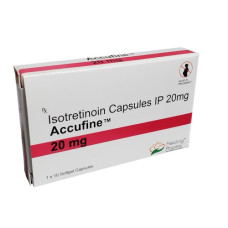
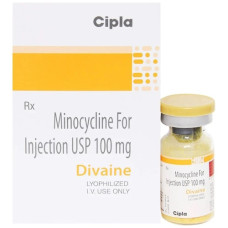
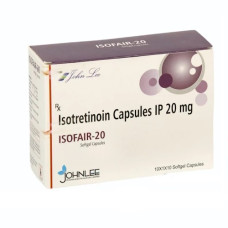
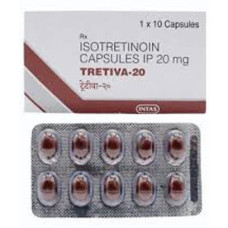
The main drug groups used include retinoids, antibiotics, hormonal agents, and oral isotretinoin. Retinoids like tretinoin and adapalene help normalize follicular keratinization and reduce inflammation. Antibiotics such as doxycycline and minocycline target bacterial overgrowth and inflammation. Hormonal therapies, including oral contraceptives and anti-androgens like spironolactone, are effective especially in hormonally driven cases. Oral isotretinoin is reserved for the most severe, resistant cases due to its potent effects and potential side effects. These medications are often used in combination to achieve optimal results, always under medical supervision.
| Type of Drug | Example Active Ingredient | Therapeutic Goal |
|---|---|---|
| Retinoids | Tretinoin, Adapalene | Normalize keratinization, reduce inflammation |
| Antibiotics | Doxycycline, Minocycline | Reduce bacterial colonization and inflammation |
| Hormonal agents | Oral contraceptives, Spironolactone | Regulate hormonal influence on sebum |
| Oral isotretinoin | Isotretinoin | Reduce sebum production, prevent lesion formation |
Natural Remedies for Severe Acne
Complementary natural approaches may include using tea tree oil, aloe vera, or green tea extracts, which possess anti-inflammatory and antimicrobial properties. Maintaining a balanced diet rich in fruits, vegetables, and omega-3 fatty acids can support skin health. Proper skincare routines, such as gentle cleansing and avoiding occlusive products, help reduce irritation. While these remedies can alleviate mild symptoms, they should not replace prescribed medications. Always consult a healthcare professional before integrating natural treatments into a management plan.
Common Forms and Presentations: Tablets, Capsules, Injections
Medications for severe acne are available in various forms, including tablets, capsules, topical gels, and injections. Oral tablets and capsules are convenient for systemic therapy, providing consistent dosing and ease of use. Topical formulations are applied directly to affected areas, offering localized effects with fewer systemic side effects. In some cases, injectable medications like corticosteroids may be used to reduce inflammation rapidly. The choice of form depends on the severity, location, and patient preference, with each offering specific advantages such as rapid absorption or targeted action.
Over-the-Counter (OTC) Medications
For mild symptoms or as adjuncts, OTC products containing benzoyl peroxide, salicylic acid, or sulfur can help reduce inflammation and bacterial load. These are generally suitable for early or less severe cases and can be used safely at home. However, persistent or worsening symptoms require medical evaluation. OTC options should be used according to instructions, and if no improvement occurs within a few weeks, consulting a healthcare provider is recommended.
| Medication Type | When to Use | Notes |
|---|---|---|
| Benzoyl peroxide | Mild to moderate acne | Can cause dryness and irritation |
| Salicylic acid | Comedonal acne | Helps unclog pores |
| Sulfur-based products | Early-stage acne | Antibacterial and keratolytic |
Precautions and Side Effects
Even medications considered safe can cause adverse reactions if misused. Common side effects include skin dryness, redness, peeling, or irritation, especially with topical agents. More serious reactions, such as allergic responses or liver toxicity, are rare but require immediate medical attention. Following prescribed dosages, avoiding combination with incompatible products, and monitoring for side effects help minimize risks. Special caution is needed for children, pregnant women, the elderly, and individuals with chronic illnesses, as they may experience different or heightened sensitivities. Regular follow-up with a healthcare provider ensures safe and effective treatment.
Most Common Side Effects
Topical treatments may cause mild irritation, dryness, or peeling, which usually resolve with continued use. Systemic medications like antibiotics or isotretinoin can lead to gastrointestinal discomfort, liver enzyme alterations, or mood changes. Severe allergic reactions, such as swelling or difficulty breathing, are rare but require urgent care. Monitoring blood tests and clinical signs during systemic therapy helps detect adverse effects early. Patients should report any unusual symptoms promptly to their healthcare provider.
| Effect Type | Frequency | Severity | Recommendation |
|---|---|---|---|
| Skin irritation | Common | Mild to moderate | Adjust dosage or frequency |
| Gastrointestinal upset | Less common | Moderate | Consult doctor if persists |
| Allergic reactions | Rare | Severe | Seek immediate medical help |
Safe Medication Use Tips
- Always follow the prescribed dosage and schedule.
- Avoid combining medications without medical advice.
- Store medicines in a cool, dry place away from children.
- Do not consume alcohol or incompatible drugs during treatment.
- Attend regular follow-up appointments for monitoring.
Adhering to these practices ensures safety and maximizes treatment effectiveness, reducing the risk of complications.
Prevention and Daily Care
Implementing daily skincare routines and lifestyle habits plays a vital role in managing and preventing severe acne. Regular cleansing with gentle products, avoiding harsh scrubbing, and using non-comedogenic cosmetics help reduce pore blockage. Maintaining a balanced diet, staying hydrated, and managing stress can influence skin health positively. Routine medical check-ups allow early detection of potential issues and adjustment of treatment plans. Personalized advice from healthcare providers ensures that prevention strategies are suitable for age, gender, and individual health conditions, ultimately reducing the risk of flare-ups and scarring.
Recommended Habits to Reduce the Risk of Acne Grave
Adopting a healthy lifestyle includes maintaining good hygiene, eating a balanced diet low in refined sugars and dairy, exercising regularly, and ensuring adequate sleep. Avoiding tight clothing and occlusive accessories minimizes skin irritation. Managing stress through relaxation techniques can help prevent hormonal fluctuations that worsen acne. Consistent use of non-comedogenic skincare products and avoiding picking or squeezing lesions also contribute to better skin outcomes. These habits collectively support skin health and decrease the likelihood of developing severe forms of acne.
| Prevention Area | Recommended Measures | Main Benefit |
|---|---|---|
| Diet | Reduce sugar and dairy intake | Lower inflammation and sebum production |
| Hygiene | Gentle cleansing, avoid harsh scrubs | Prevent pore clogging |
| Stress management | Practice relaxation techniques | Reduce hormonal triggers |
Secondary Preventive Measures
Secondary prevention includes regular dermatological check-ups, adherence to prescribed treatments, and lifestyle modifications. Vaccinations are not typically relevant for acne, but maintaining overall health supports skin recovery. Supplementing with vitamins like vitamin A or zinc may be recommended under medical supervision. Following medical advice ensures early detection of treatment side effects and prevents complications. These measures contribute to long-term skin health and reduce the risk of recurrence or progression to more severe forms.
- Regular skin assessments
- Adherence to medication schedules
- Healthy diet and lifestyle
- Monitoring for side effects
Implementing these strategies enhances the likelihood of successful management and sustained remission.
Prognosis and Recovery
The outlook for patients with acne grave depends on the disease's severity, promptness of treatment, and overall health. With appropriate therapy, most individuals experience significant improvement, with many achieving remission. Early intervention reduces the risk of permanent scarring and psychological impact. Maintaining good skincare and adhering to treatment plans are essential for a favorable prognosis. Long-term follow-up helps detect recurrences early and adjust therapies accordingly. Overall, a comprehensive approach increases the chances of complete recovery and minimizes long-term consequences.
Typical Recovery Time
The duration of recovery varies based on the severity and response to treatment. Mild cases may resolve within a few weeks, while more severe, cystic acne can take several months to improve significantly. For persistent or chronic cases, ongoing therapy and regular monitoring are necessary. In some instances, complete skin healing and scar reduction may require a year or more. Early and consistent treatment accelerates recovery, but patience and adherence are key to achieving the best results.
| Type of Case | Average Recovery Time | Notes |
|---|---|---|
| Mild to moderate | 2-6 weeks | Usually rapid response |
| Severe, cystic | 3-12 months | Requires ongoing therapy and monitoring |
Factors Improving Prognosis
- Early diagnosis and initiation of treatment
- Adherence to prescribed therapy
- Regular follow-up and skin care
- Healthy lifestyle and stress management
- Patient education and awareness
These factors significantly increase the likelihood of complete healing and reduce the risk of recurrence.
Lifestyle Changes
Effective management of acne grave involves adopting healthier daily habits. Patients should prioritize gentle skincare routines, avoid picking lesions, and use non-comedogenic products. Maintaining a balanced diet, staying well-hydrated, and managing stress through relaxation techniques support skin healing. Regular physical activity and adequate sleep also contribute to overall skin health. These lifestyle modifications, combined with medical treatment, help accelerate recovery and prevent future flare-ups.
Possible Complications
If left untreated or poorly managed, acne grave can lead to several complications. These include permanent scarring, skin discoloration, and psychological effects such as low self-esteem or depression. In rare cases, secondary bacterial infections or systemic spread can occur, especially if lesions become abscessed. Preventing these outcomes depends on timely medical intervention and patient compliance. Regular follow-up and adherence to treatment plans are essential to minimize the risk of long-term damage and improve quality of life.
| Complication | Frequency | Severity | Prevention |
|---|---|---|---|
| Scarring | Common in untreated cases | Severe if not addressed | Early and effective treatment |
| Discoloration | Possible post-inflammatory hyperpigmentation | Moderate | Proper skin care and sun protection |
| Psychological impact | Frequent in severe cases | High | Psychological support and counseling |
With appropriate management, most patients recover well and avoid long-term complications.
Frequently Asked Questions about Acne Grave and Its Treatment
This section addresses common questions patients have regarding severe acne, including medication options, treatment duration, and safety considerations. It aims to clarify doubts and provide reliable information based on current medical knowledge. However, individual cases vary, and personalized advice from a healthcare professional remains essential. Understanding these aspects helps patients make informed decisions and adhere to effective treatment plans.
Which are the most effective medications, according to evidence?
Scientific studies confirm that certain medications, such as oral isotretinoin, doxycycline, and hormonal therapies, are highly effective for severe acne. Isotretinoin, a potent retinoid, significantly reduces sebum production and lesion formation, often leading to long-term remission. Antibiotics like doxycycline help control bacterial growth and inflammation, while hormonal agents are particularly useful in hormonally driven cases. The choice depends on disease severity, patient age, and response to previous treatments. Combining therapies often enhances outcomes, but always under medical supervision to minimize risks. Evidence-based guidelines recommend personalized treatment plans to optimize results and reduce side effects.
| Medication Group | Examples | Proven Effectiveness |
|---|---|---|
| Retinoids | Isotretinoin | High |
| Antibiotics | Doxycycline, Minocycline | Moderate to high |
| Hormonal therapies | Oral contraceptives, Spironolactone | Effective in hormonal cases |
Is it possible to treat at home safely without a doctor?
For mild to moderate acne, some measures can be taken at home, such as using over-the-counter topical treatments, maintaining good hygiene, and following a healthy diet. However, severe acne requires professional evaluation to avoid worsening or scarring. Self-treatment without medical guidance can lead to improper medication use and complications. Regular monitoring by a healthcare provider ensures safe and effective management, especially for complex or resistant cases. Patients should seek medical advice if symptoms persist or worsen despite home care efforts.
- Use prescribed medications correctly
- Attend regular follow-up appointments
- Avoid unverified remedies or excessive use of OTC products
- Report side effects or lack of improvement promptly
While home measures support treatment, they should complement, not replace, professional medical care.
What is the usual duration of treatment and follow-up?
The length of therapy varies depending on severity and response. Mild cases may resolve within a few weeks, while severe, cystic acne often requires several months of treatment. Follow-up visits are typically scheduled every 4-8 weeks to assess progress and adjust medications. Long-term management may be necessary to prevent recurrences, especially in chronic cases. Consistent adherence to prescribed regimens and regular dermatologist consultations are key to achieving optimal results. The overall duration depends on individual response and the presence of complications, with some patients requiring ongoing maintenance therapy.
| Type of Treatment | Estimated Duration | Follow-up Frequency |
|---|---|---|
| Topical therapy | 4-12 weeks | Every 4-8 weeks |
| Systemic therapy | 3-6 months or longer | Every 4-8 weeks |
Each case should be individually evaluated to determine the optimal treatment duration and follow-up schedule.
Where to Buy Medications for Severe Acne
Medications for severe acne are available both in physical pharmacies and online stores. It is essential to verify the license and reputation of the pharmacy to ensure the authenticity and quality of the medicines. Avoid purchasing from unverified sources to prevent counterfeit products. Our authorized online pharmacy offers all medications for acne grave, with guaranteed quality and safety. Convenient online ordering allows discreet delivery directly to your home, with options for secure payment and customer support. Always check the authenticity of the pharmacy and consult a healthcare professional before purchasing.
Safe Shopping in Our Online Pharmacy
Shopping at our licensed online pharmacy provides several advantages, including professional consultation, guaranteed product authenticity, and secure payment options. We ensure strict quality control, proper packaging, and discreet shipping. Before purchasing, verify the pharmacy’s license, check the expiration date, and review product packaging. Consulting our pharmacists can help clarify doubts and ensure correct medication use. Our platform offers transparent information, easy return policies, and customer support to enhance your shopping experience. Prioritize safety and authenticity when buying medications online.
Can I Purchase Acne Medications Online Without a Prescription?
In Italy, all medications for severe acne, including isotretinoin and other prescription drugs, can be purchased online through our authorized pharmacy without a personal prescription, provided they are supplied in accordance with local regulations. However, it is strongly recommended to consult a healthcare professional before starting any treatment to ensure safety and appropriateness. Our pharmacy ensures that all products are genuine and meet quality standards. Patients should provide accurate medical history and follow dosing instructions carefully. Self-medicating without medical guidance can lead to adverse effects or ineffective treatment, so professional consultation remains essential.
- Ensure the pharmacy is licensed and authorized
- Provide accurate medical information
- Follow prescribed dosages and instructions
- Report any side effects promptly
Shipping Options and Quality Assurance
Our online pharmacy offers multiple shipping methods, including standard, express, and international delivery, to meet your needs. All shipments are carefully tracked, with batch numbers and temperature controls to maintain medication integrity. Packaging is discreet and secure, ensuring privacy and protection during transit. We implement strict quality control measures, including batch tracking, temperature monitoring, and tamper-proof packaging, to guarantee product safety. Customers can track their orders in real-time and rely on our commitment to delivering authentic, high-quality medications promptly and securely.
Price, Availability, and Discounts in Italian Pharmacies
The cost of medications for severe acne in Italy varies based on factors such as the drug’s brand or generic status, dosage, form (tablets, capsules, topical), and whether a prescription is required. Regional differences and pharmacy channels (physical or online) can influence prices. Availability may fluctuate depending on stock levels, seasonal demand, or supply chain factors, with some formulations only obtainable upon request. Many pharmacies offer discounts, coupons, loyalty programs, and promotional offers that can reduce costs. Patients are encouraged to compare prices across different pharmacies, inquire about generic options, and ask about ongoing discounts. Being informed about pricing and availability helps optimize treatment affordability and access.
| Prodotti in farmacia | Prezzo |
|---|---|
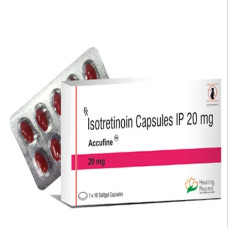
| Accufine 30 mg capsule | 105.82 € |
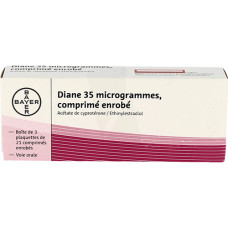
| Diane 35 0.035+2 mg compresse | 102.32 € |
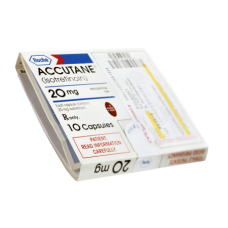
| Accutane 5/10/20/30/40 mg compresse | 35.85 € |
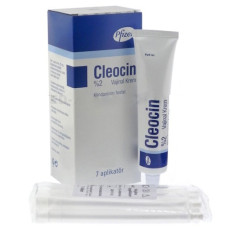
| Cleocin 1% Gel 20 g | 4.37 € |
| Isotretinoina 10/20/30 mg compresse | 99.69 € |
Domande frequenti su Acne grave nel 2026
-
È necessaria una ricetta per acquistare Acne grave in farmacia?
-
Quanto costa Acne grave?
-
Posso acquistare Acne grave nella vostra farmacia online?
-
Acne grave è legale in Italia?
-
Quali sono le condizioni di spedizione?
-
Quali metodi di pagamento accettate?
-
Prodotti più popolari in farmacia